
Weaponizing Civilian Infrastructure
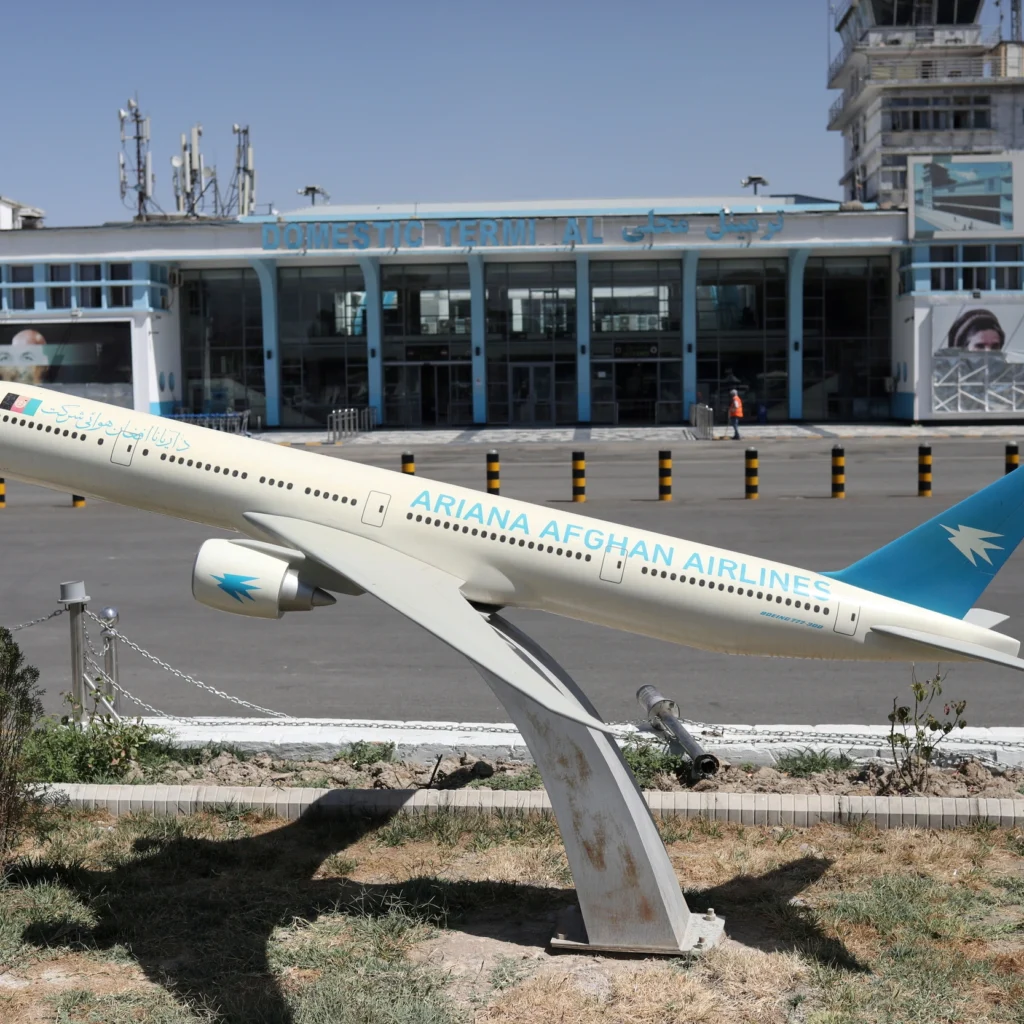
Emerging security reports allege that civilian aviation and major transport hubs may be quietly repurposed as logistical conduits for the TTP. While unverified, these claims reinforce Pakistan’s long-standing warnings about external facilitation, plausible deniability, and the use of civilian infrastructure in grey-zone conflict along the western border.
How Taliban’s Performative Governance Masks Gender Apartheid
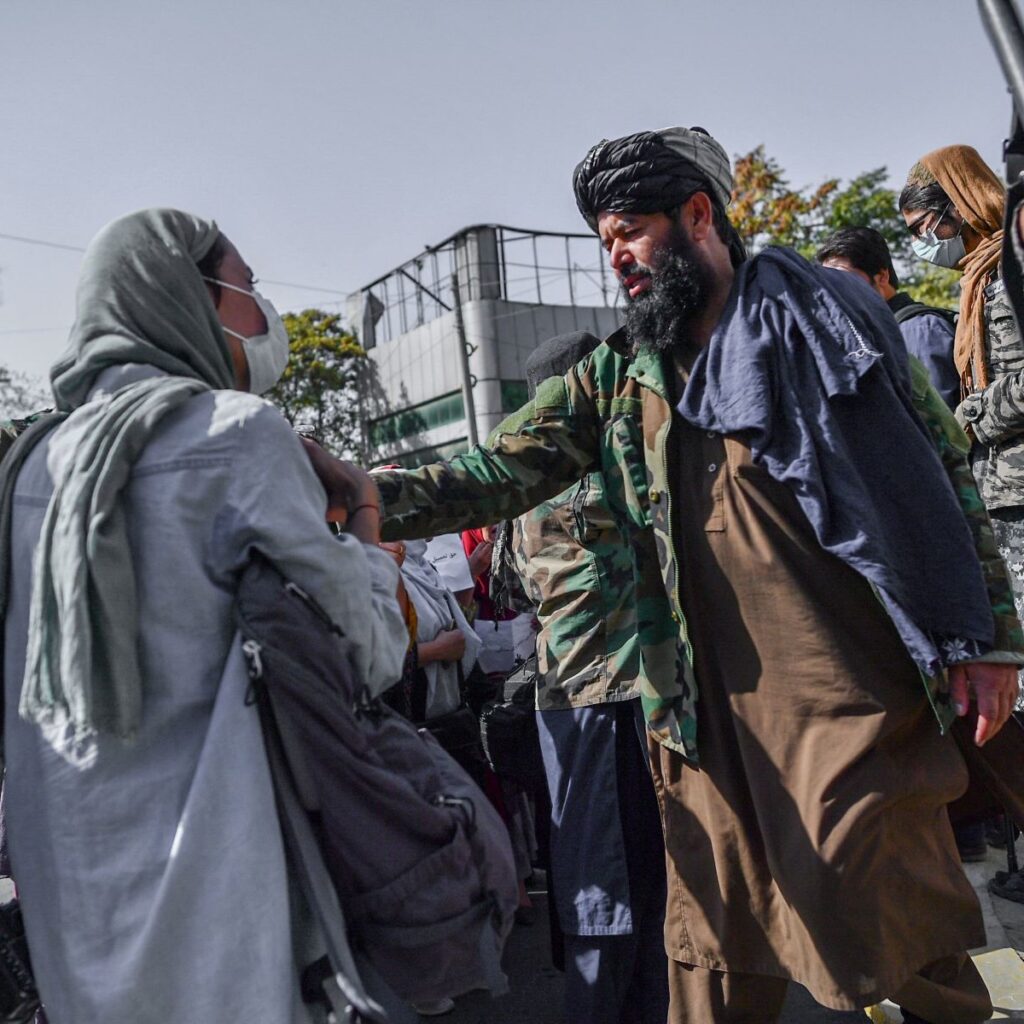
Behind Taliban social media showcases of female factory work lies a Potemkin model of governance. Selective visibility and performative economics obscure a system of gender apartheid, educational exclusion, and long-term economic decline. Drawing on UN and rights-group data, this analysis exposes how propaganda-driven inclusion narratives collapse under empirical scrutiny.
The Enduring Consequences of America’s Exit from Afghanistan

The 2021 US withdrawal from Afghanistan was more than the end of a long war, it was a poorly executed exit that triggered the rapid collapse of the Afghan state. The fall of Kabul, the Abbey Gate attack, and the return of militant groups exposed serious gaps in planning and coordination.
The Afghan Crucible

Recent reporting underscores Afghanistan’s transformation into a strategic hub for transnational jihadist networks. Far from being a localized security problem, the Afghan landscape now functions as an ideological, logistical, and digital anchor linking extremist affiliates across Africa, Southeast Asia, and beyond, signaling the collapse of regional containment and the rise of a globalized threat architecture.
The Manufacturing of a False Equivalence
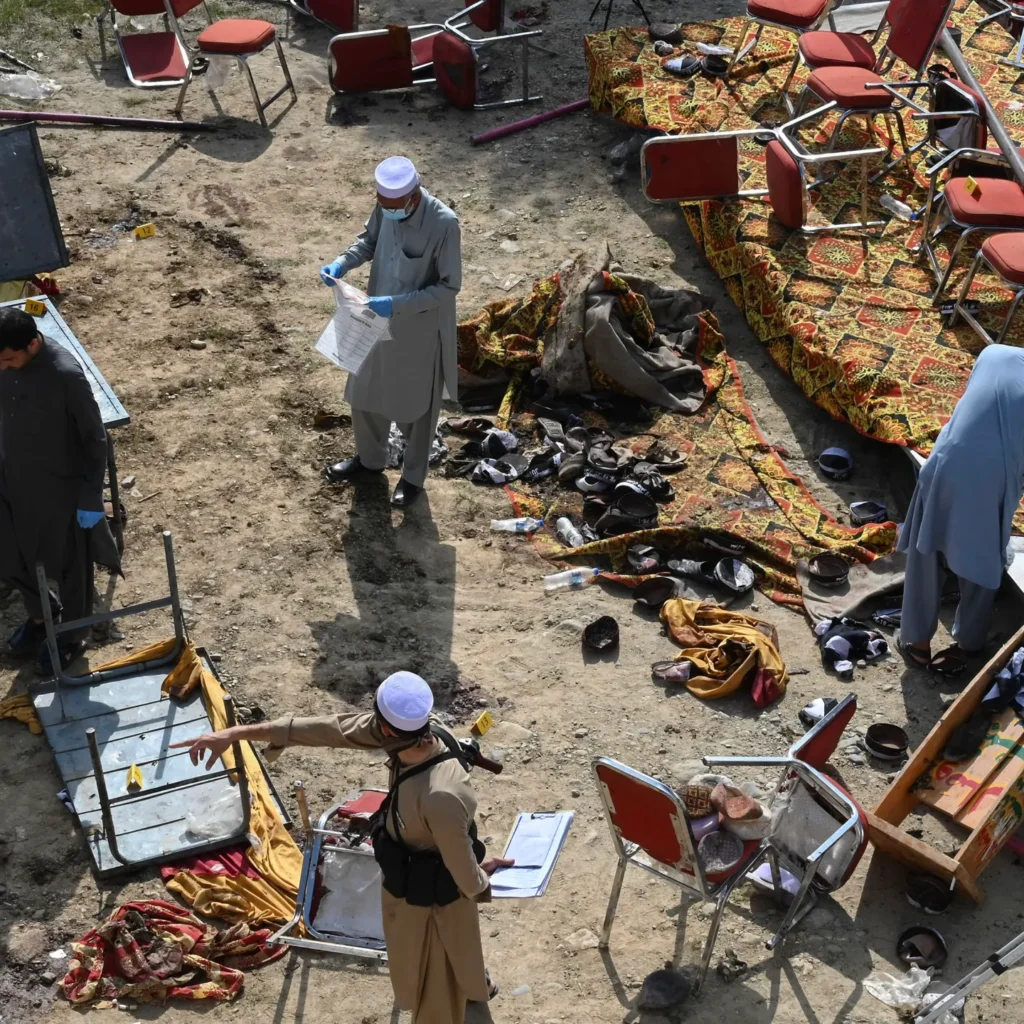
As scrutiny mounts over the Taliban’s tolerance of TTP sanctuaries, Kabul has attempted to deflect blame by alleging that ISIS-K operates from Pakistan. This false equivalence ignores the historical origins of ISIS-K in eastern Afghanistan, its sustained campaign of violence against Pakistan, and verified intelligence showing that the group’s operational depth remains rooted inside Afghan territory.
Safety beyond Borders: PNRA’s Contribution to a Safe and Secure World
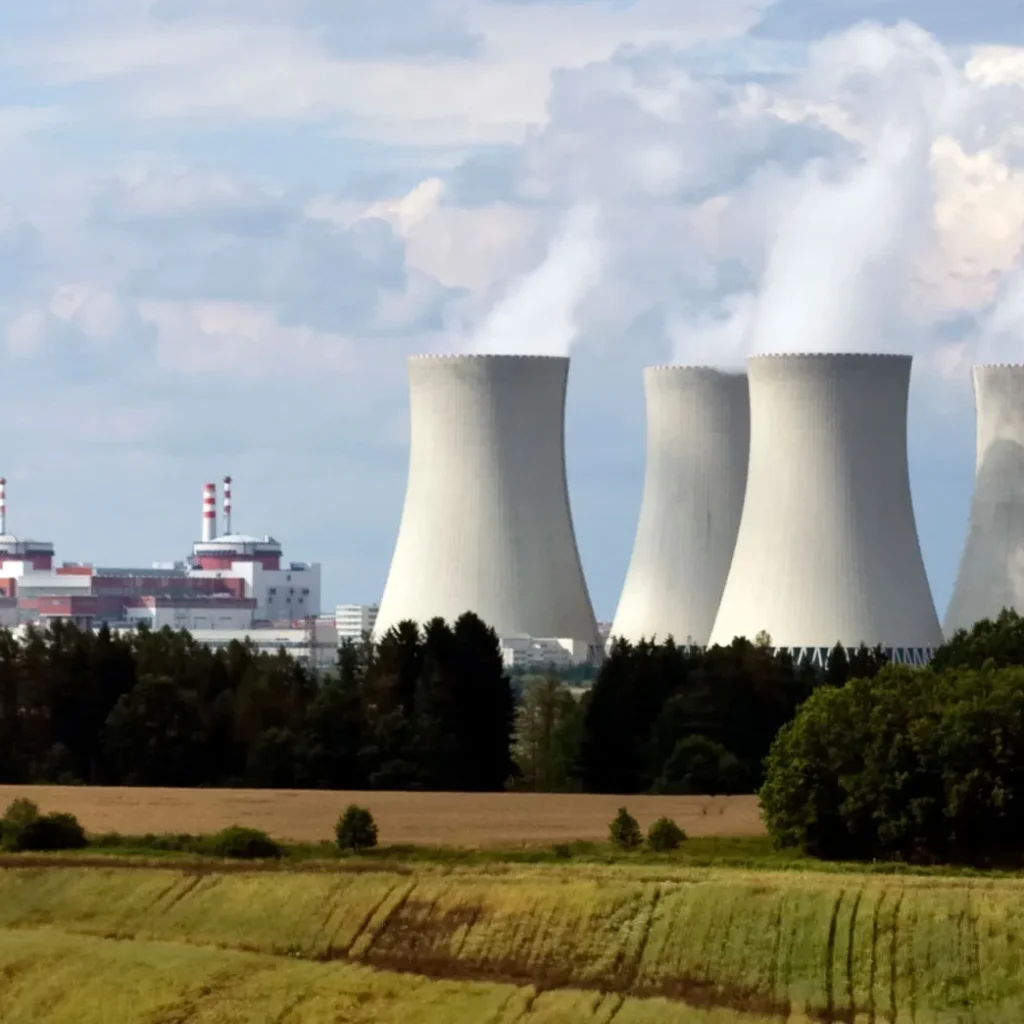
Pakistan’s Nuclear Regulatory Authority plays a pivotal role in advancing global nuclear safety by aligning national regulation with international standards. Through active engagement with the IAEA, multilateral forums, peer reviews, and bilateral cooperation, PNRA demonstrates how responsible nuclear governance transcends borders and contributes to collective international security.
Healthcare as Statecraft in Taliban-Ruled Afghanistan

Afghanistan’s recent shift away from Pakistani pharmaceutical imports toward Indian suppliers marks a dangerous transformation of healthcare into a tool of geopolitical signaling. Framed as regulatory reform, this pivot reflects a broader biopolitical strategy in which access to medicine is subordinated to diplomatic recalibration, with profound ethical and humanitarian consequences for an already vulnerable population.
How Afghan Networks Sustain Terrorism in Pakistan
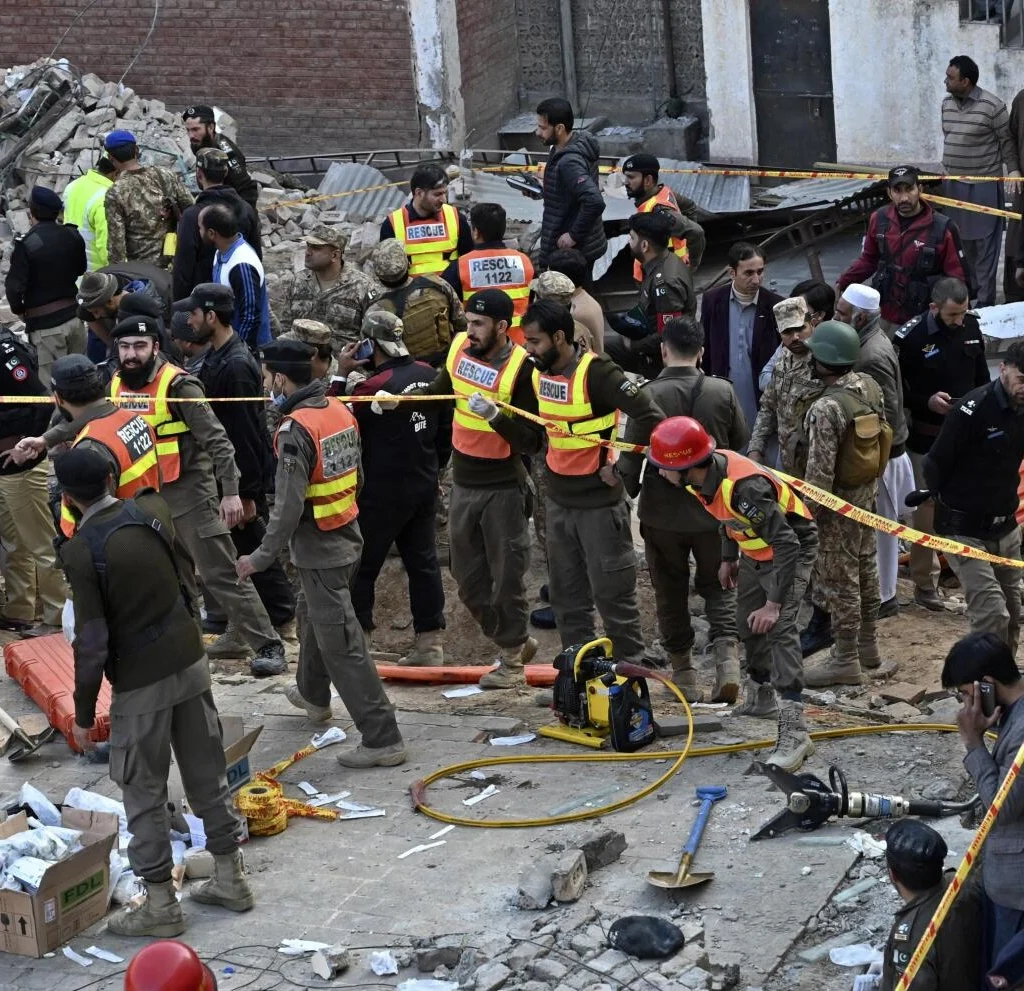
The December 2025 Boya suicide attack underscores the transnational nature of militancy confronting Pakistan. The identification of an Afghan national from Kabul as the attacker, and the public veneration he received there, reveals how recruitment pipelines, ideological legitimation, and porous borders continue to sustain insurgency in North Waziristan, placing growing strain on Pakistan–Taliban relations.
Before and After Panjshir: How Anti-Taliban Forces Are Adapting to a Long Insurgency
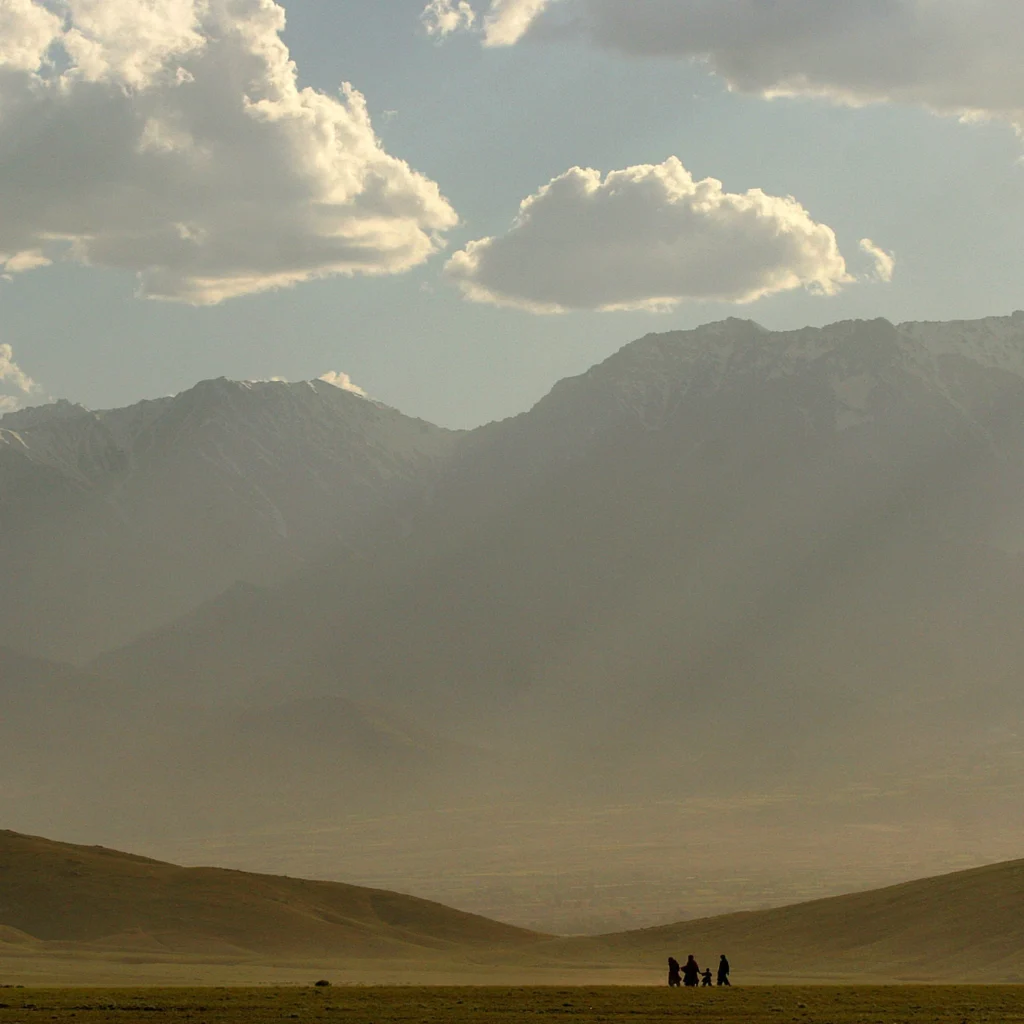
December 2025 marked a turning point in Afghanistan’s post-2021 resistance. Coordinated, intelligence-driven attacks across Kunduz and Badakhshan signaled that anti-Taliban forces have moved beyond symbolic defiance into a sustained campaign of urban-centric insurgency. Deprived of territory, external patrons, and conventional warfare options, groups like the NRF and AFF are adapting through mobility, information warfare, and selective strikes, pointing toward a long war defined by endurance rather than frontlines.