
Deputy Commissioners: A Colonial Institution Pakistan Must Outgrow
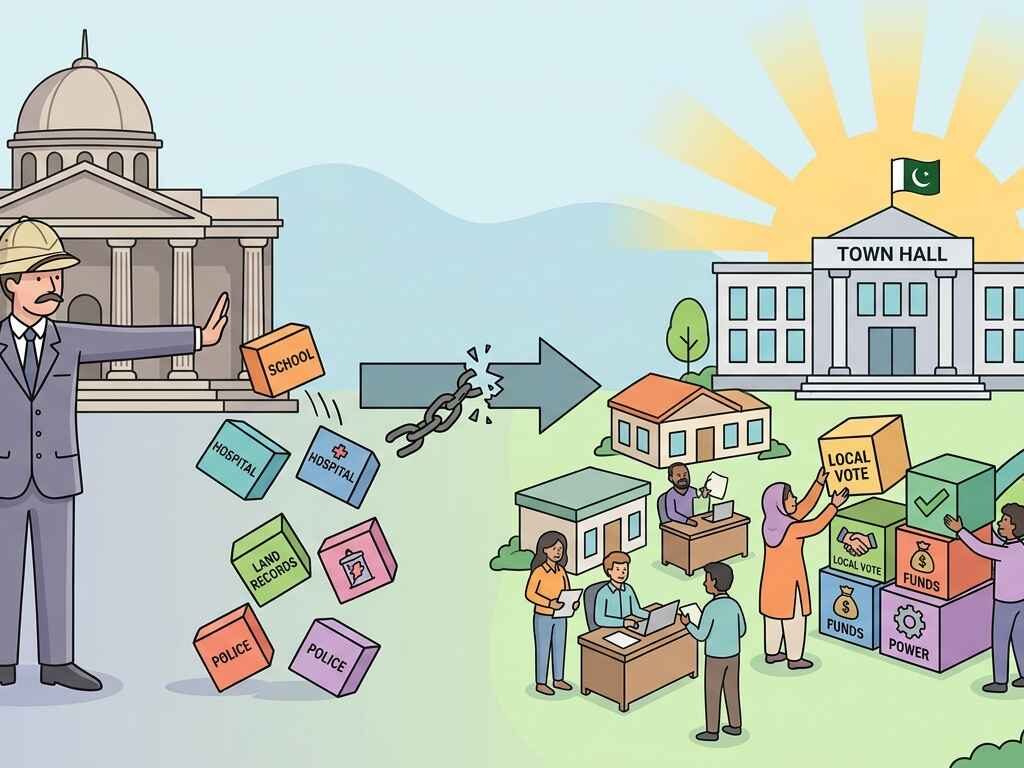
Punjab has more than 127 million people, more than Japan. One Chief Minister, one provincial secretariat in Lahore, and a chain of appointed officers are expected to run schools, hospitals, land records, policing and water for all of them. Karachi alone holds over 20 million people and is administered as though it were a large […]
Unmasking Kabul Inaction and Demanding Accountability at OIC
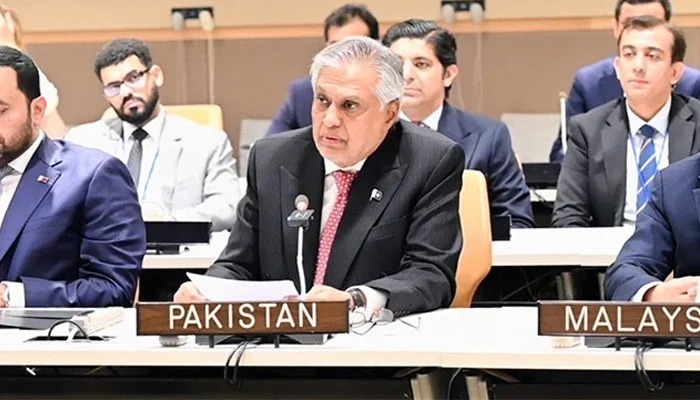
At the Organization of Islamic Cooperation OIC Contact Group meeting in New York, Deputy Prime Minister and Foreign Minister Ishaq Dar delivered a definitive indictment of the Taliban regime’s failure to curb cross-border terrorism. Highlighting the presence of over twenty terrorist organizations operating freely from Afghan soil, Islamabad confronted the international community with the stark […]
Revamped Partnership
Pakistan has long desired a stand-alone, broad-based relationship with the US. That objective is now within reach. On the sidelines of the UN high-level session, the leaders of Pakistan and the US are scheduled to meet to scan the evolving regional and international situation and strengthen bilateral ties. In the past year, especially during the […]
Realizing Pakistan and United States Strategic Synergy in Washington
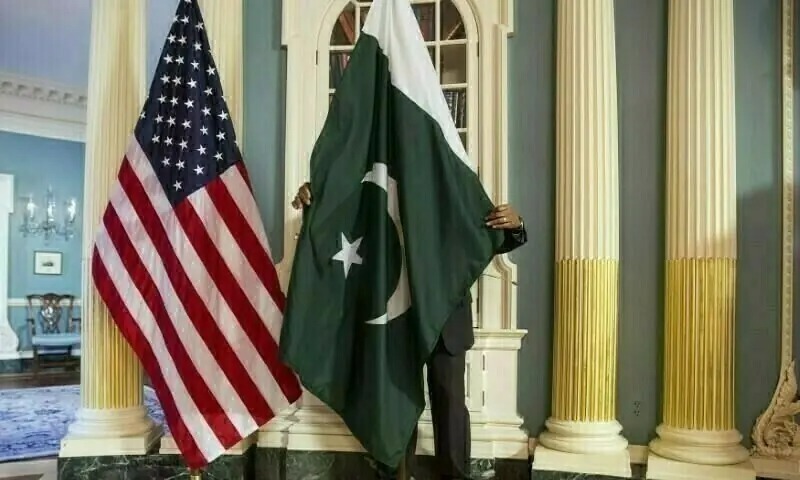
The evolving trajectory of Pakistan and United States bilateral relations marks a decisive departure from traditional, crisis-driven security transactionalism. Both nations are establishing a multidimensional partnership anchored in economic resilience, resilient supply chains, energy security, and technological innovation. This structural realignment positioning Islamabad as a vital economic hub reflects mutual recognition of shifting geopolitical dynamics […]
The NPT’s Broken Promise: Why the World’s Most Important Nuclear Treaty Is Failing the Countries That Need It Most
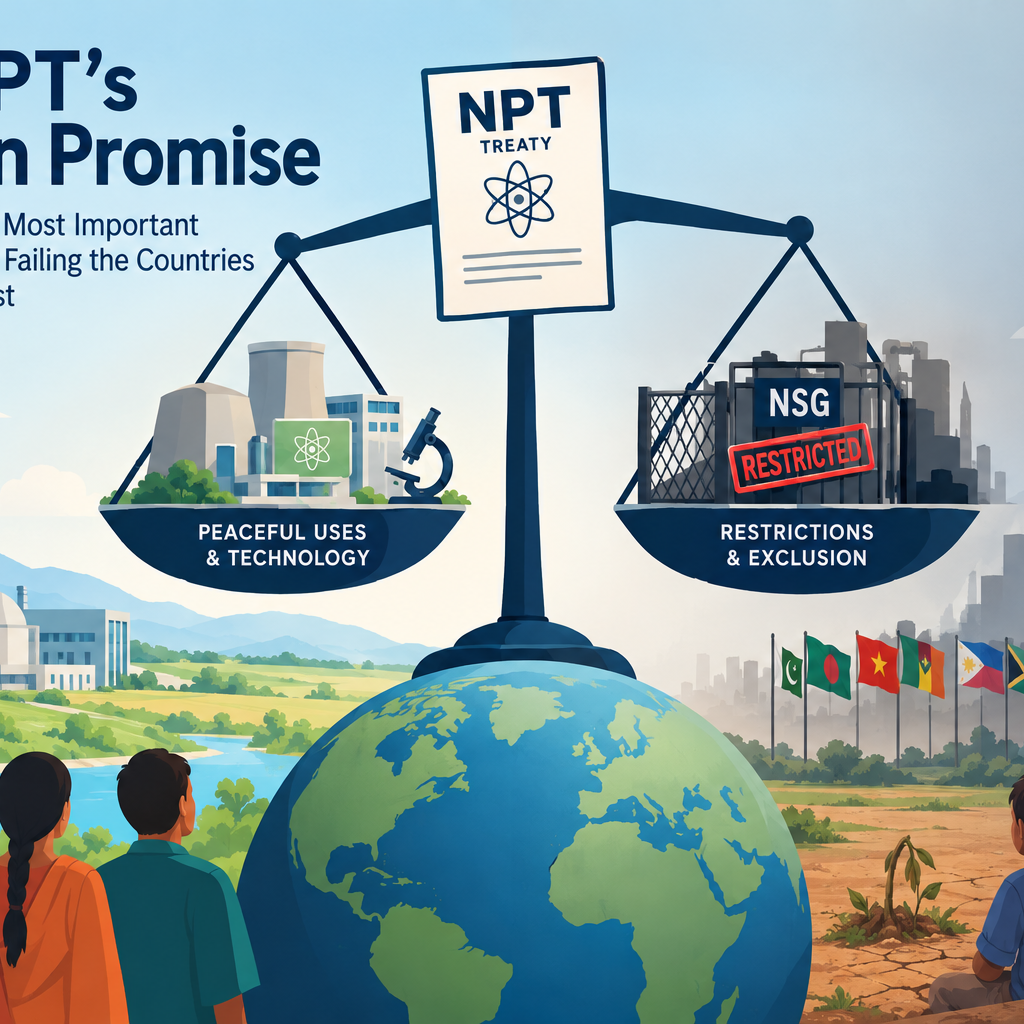
The Nuclear Non‑Proliferation Treaty was meant to guarantee every country access to peaceful nuclear technology. More than fifty years later, that promise has not fulfilled and now the consequences are becoming serious. In 1968 NPT was signed and it stated that countries without nuclear weapons agreed they would never build them. In return, they were […]
Democratic Equity over Permanent Privilege at the Security Council
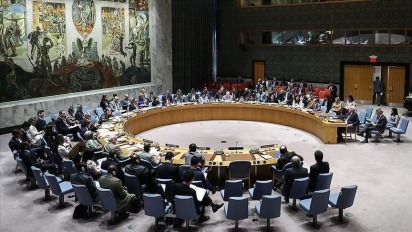
The United Nations Security Council was established in 1945 to maintain global peace following the collapse of the League of Nations. Its initial institutional architecture comprised five permanent members holding veto powers alongside six elected non-permanent seats. That structure expanded only once in 1965 to ten non-permanent seats, bringing total membership to fifteen states. Eight […]
Governance Breakdown and Federal Action in Khyber Pakhtunkhwa
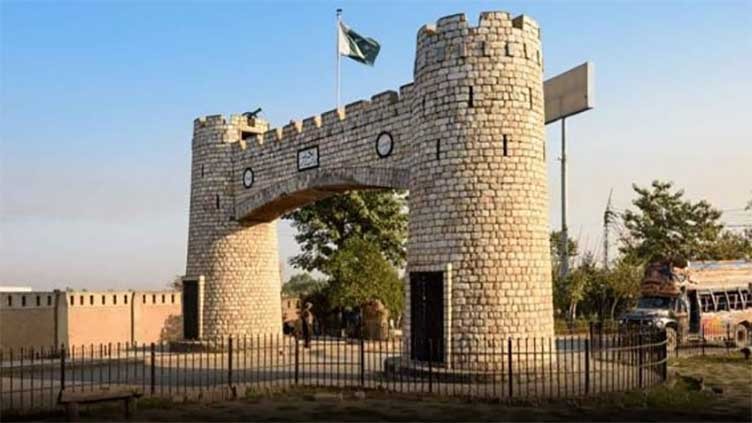
The governance apparatus in Khyber Pakhtunkhwa has reached a point of complete structural collapse. The provincial executive has entirely abandoned public administration, law enforcement, and basic service delivery to pursue a single-minded agenda of political agitation. Systemic corruption has permeated both upper and lower cadres of the bureaucracy, strangling local businesses and driving the common […]
Anti-Taliban Resistance Expands Across Strategic Afghan Provinces
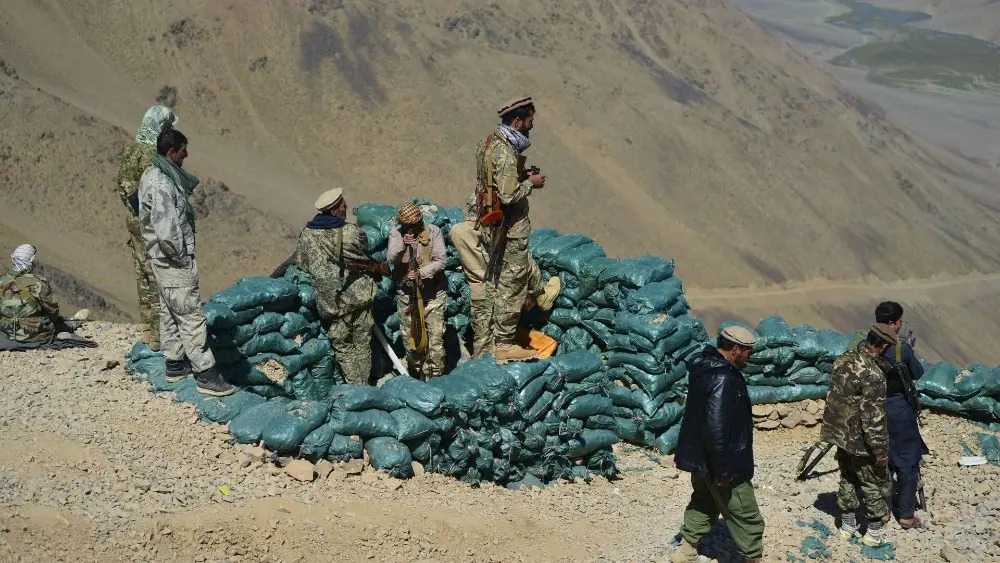
Armed opposition against the Taliban regime is intensifying across multiple provinces as resistance factions execute coordinated attacks against security personnel and intelligence nodes. Factions including the Afghan United Front, Afghanistan Freedom Front, National Independence Front, and National Resistance Front are mounting systematic operations across Badghis, Nangarhar, Kandahar, and Kabul. This expanding operational footprint directly challenges […]
Where Are the Houthis Heading?
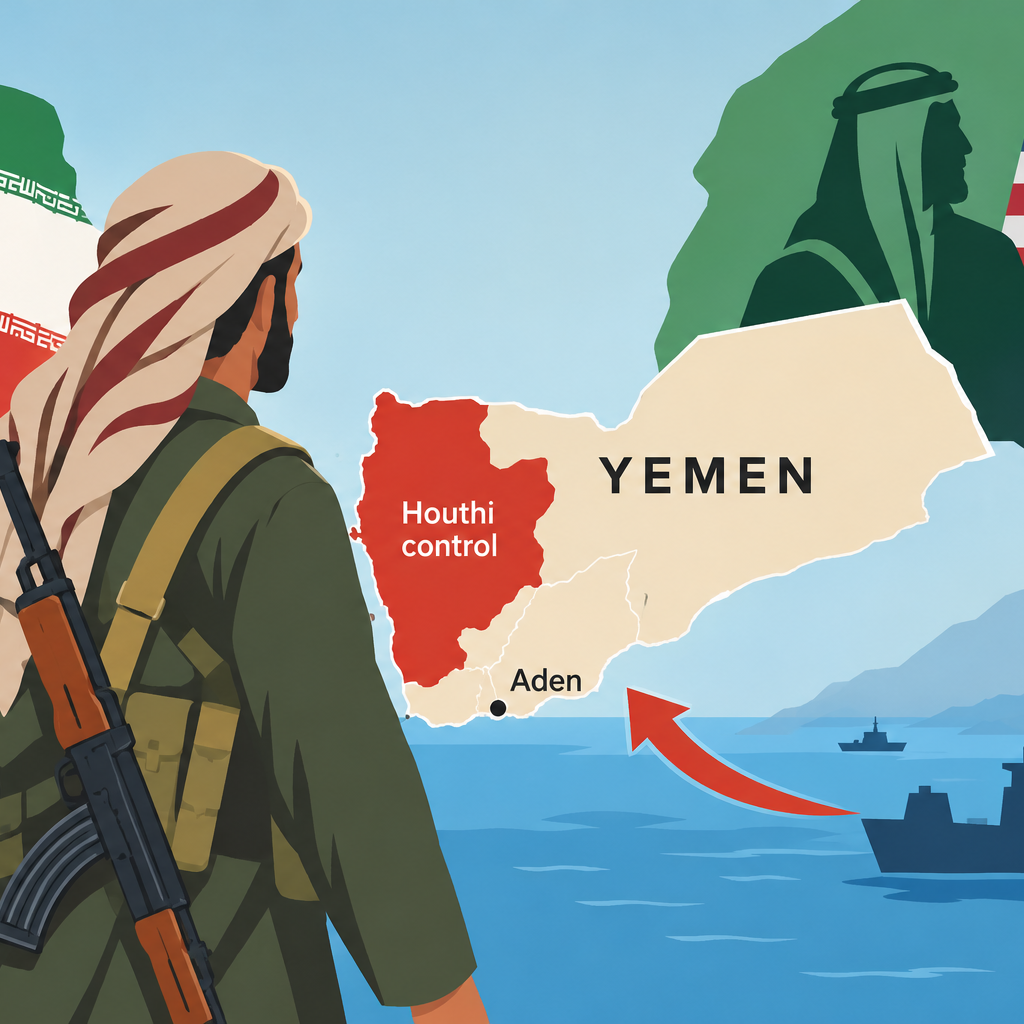
What is the Houthis’ objective? Do they have their own Yemeni project, or are they merely Iranian puppets? What will happen next? These are the questions addressed by Tomáš Strnad, an expert on the Near and Middle East.