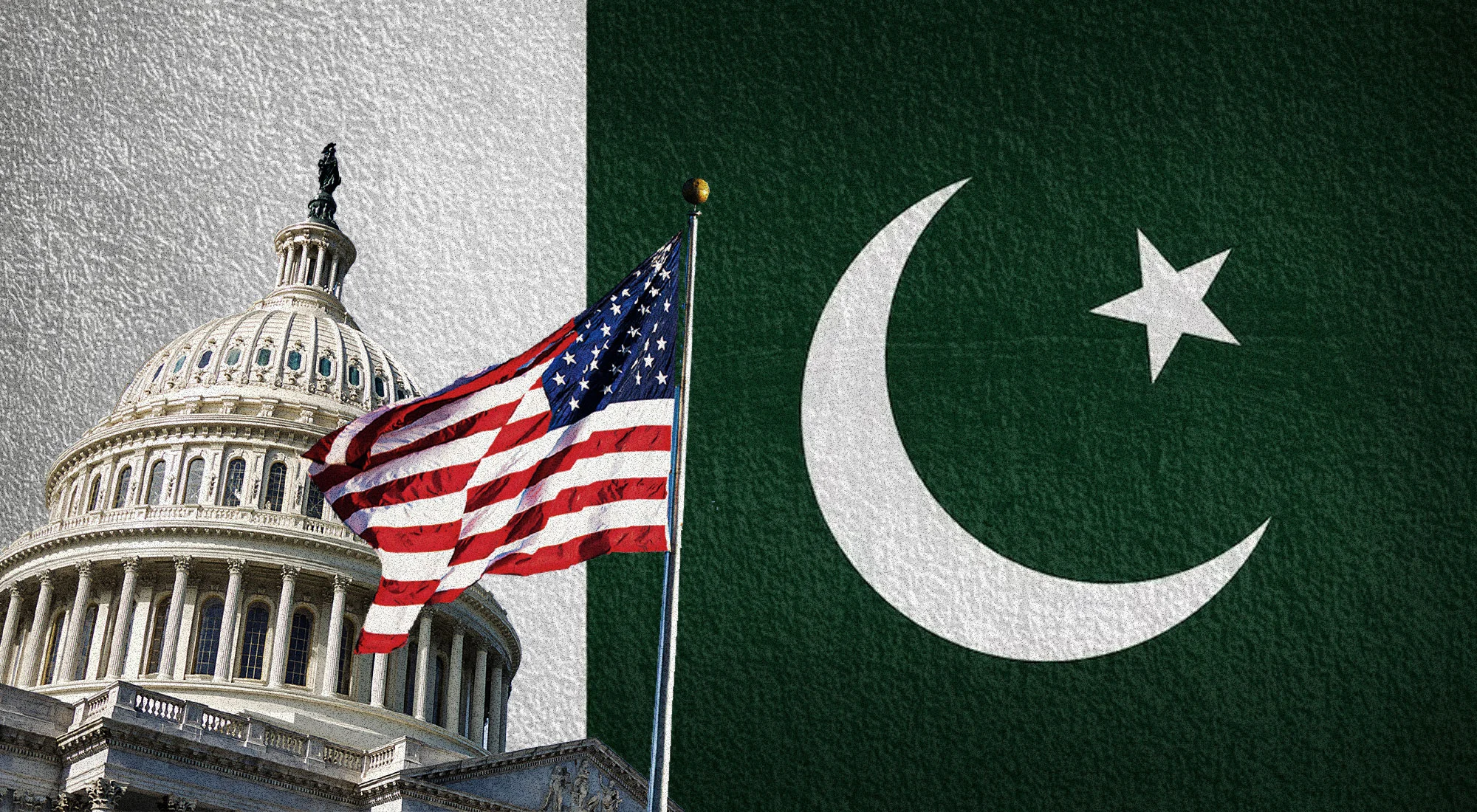
Pakistan has long desired a stand-alone, broad-based relationship with the US. That objective is now within reach. On the sidelines of the UN high-level session, the leaders of Pakistan and the US are scheduled to meet to scan the evolving regional and international situation and strengthen bilateral ties.
In the past year, especially during the ongoing war between Iran and the US, both countries have worked closely to explore pathways to de-escalate the situation. Washington has publicly recognised contributions toward securing peace across South and Central Asia.
Moreover, Pakistan has enjoyed trust from both Washington and Tehran to broker a ceasefire, facilitate face-to-face talks, and sign a memorandum of understanding that provided a framework for talks. Regrettably, that process has not moved forward, but Pakistan continues to pursue all avenues to end the war.
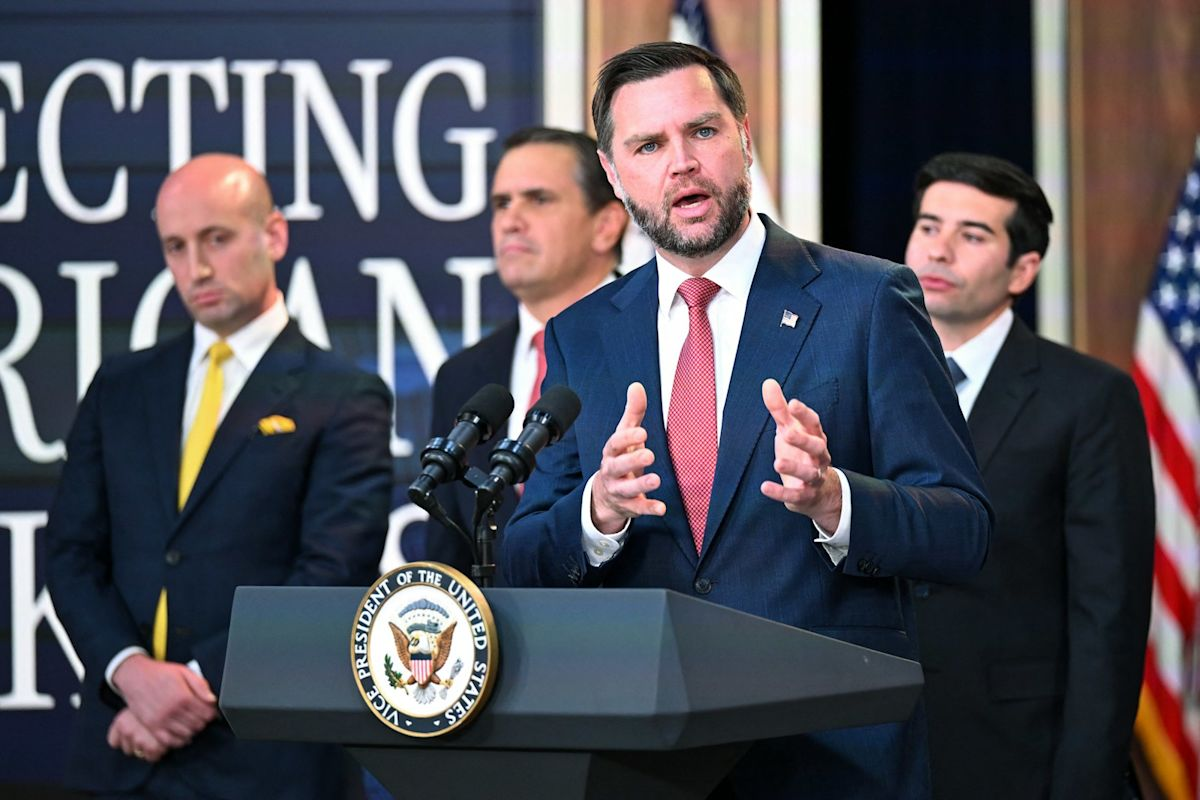
Pakistani and US leaderswill meet when Pakistan’sdiplomatic standingis at an all-time high. Over the past year,the rapport that Field Marshal Asim Munir and Prime Minister Shehbaz Sharif developed with President Donald Trump and Vice President J.D. Vance has widened the bandwidth to move Pak-US relations to a higher level.
Deep historical roots bind the two countries’ relationship, which began at the height of the Cold War. In 1971, Pakistan facilitated a détente between the US and China. In the 1980s, it partnered with the US and its allies to restore Afghanistan’s freedom.
After 9/11, the US and Pakistan collaborated to fight against terrorism. This sustained cooperation has built a stronger foundation of understanding between the political and military leaderships of the two countries.
Over the decades, Pakistan has learnt one clear lesson: cooperation centred solely on security imperatives can leave political troughs and institutional vacuums in its wake.
Instead of goodwill, mistrust surfaces. We have an opportunity to rectify this trend. We have an opportunity to craft a multifaceted model that survives periods of intense strategic partnerships. The good news is that officials from both nations have taken steps to move the relationship beyond purely transactional security dynamics. However, much work remains.
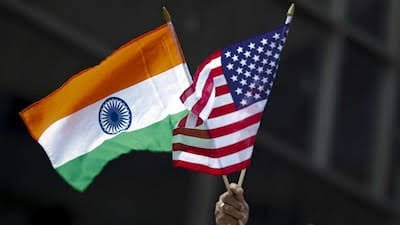
Following the May 2025 Pakistan-India war, the US successfully mediated an end to hostilities. Many think this marked a new phase of bonhomie between the two nations. US Secretary of State Marco Rubio, however, confirmed that the US initiated outreach to Pakistan for a diplomatic reset before the war to rebuild “an alliance, a strategic partnership”.
He stressed that while fully aware of regional complexities regarding India, the US goal was to expand counterterrorism (CT) cooperation with Pakistan into broader economic and strategic avenues. He clarified this would not come at the expense of America’s ties with India.
Pakistan is one of the most consequential states in West Asia. Significantly, it has huge economic potential. As Washington seeks more diversified supply and value chains in Eurasia, Pakistan should be seen as a developing hub for trade, energy, transport and overall connectivity.
In New York, the US and Pakistani leadership should reignite diplomacy, in collaboration with regional countries, to end the wars in the Middle East and to resolve the long-standing issue of Palestine under the auspices of the Board of Peace.
Over the past year, Pakistan and the US have taken several steps to strengthen bilateral ties. The approval of nearly $1 billion for military hardware, such as F-16 sustainment packages, bolsters shared security goals. CT dialogues have given a roadmap for countering threats from IS-K and other terrorist organisations.
More importantly, the two sides are crossing new thresholds to deepen cooperation in cryptocurrency, critical minerals, new technologies, agriculture, and renewable energy. But the pace of implementing agreements needs to be accelerated.
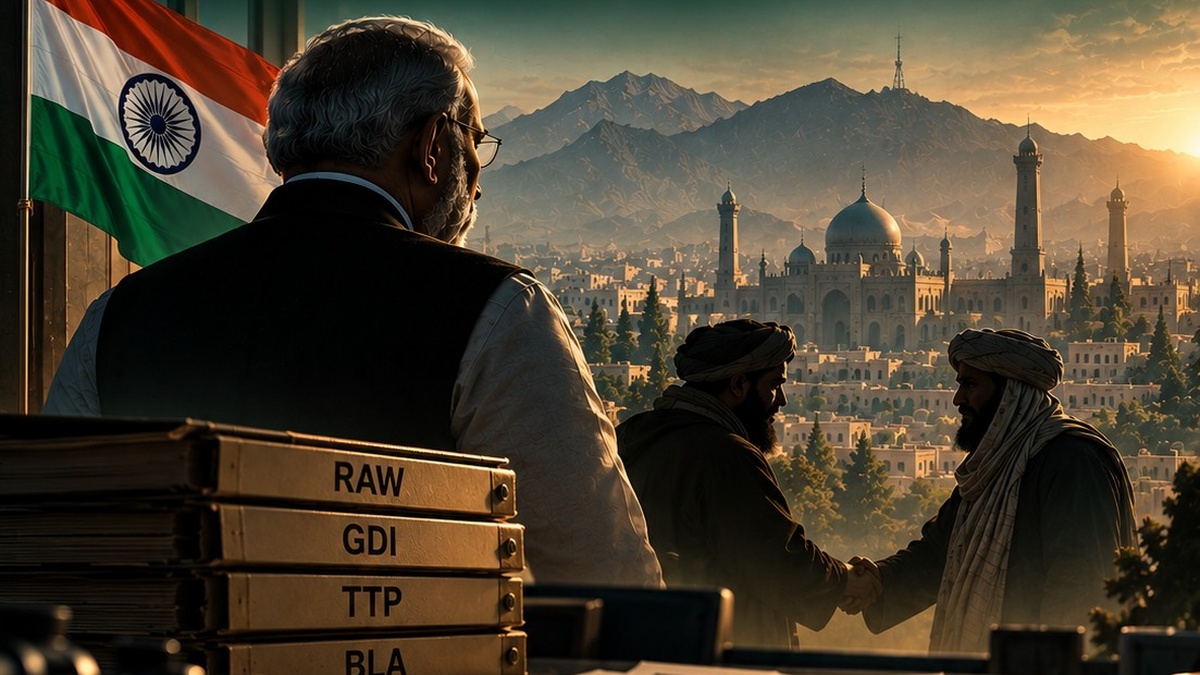
For the rest of the world, the war on terror may have ended, but for Pakistan it continues to be a potent threat. What is shocking is that the TTP, operating from Afghan soil, are using sophisticated American arms left behind by US troops in 2021. Pakistan needs a matching platform to eliminate terrorism from this region.
Last year in May, President Trump had promised that he would work with both India and Pakistan to see if a solution concerning Kashmir could be reached. It is high time Kashmir was put back on the international diplomatic radar, as the issue continues to imperil peace in the region.
Pakistan and the US have worked together successfully in different phases of their history. Now is the time to take this relationship to a higher, stronger level.
This article was originally published at Dawn

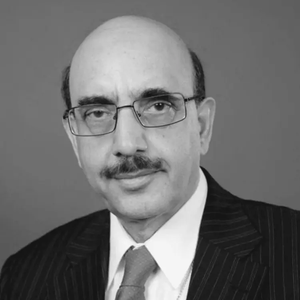
Masood Khan
The writer is a former ambassador of Pakistan to the United States, UN, and China