
The Terrorist Ecosystem
“The critical evidence was not that he was in Afghanistan, but where. Al-Zawahiri was not hiding…He was living comfortably in a safe house…This location, teeming with Taliban security, implies high-level protection, not an intelligence failure.”
The Indo-Afghan Arc: Rewriting Pakistan’s Strategic Geography
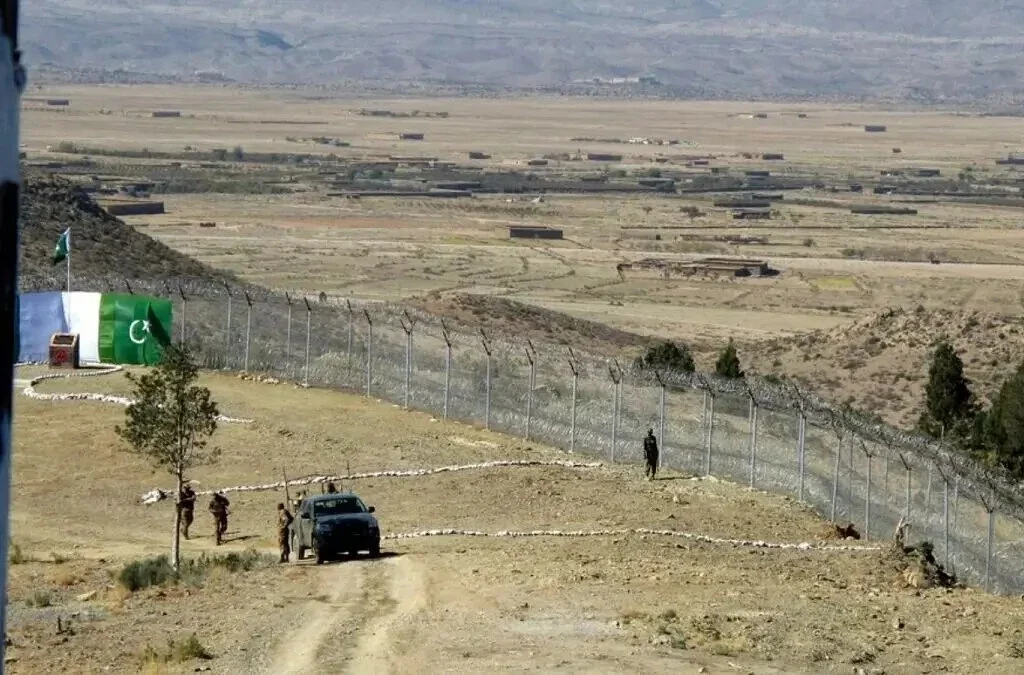
The deepening India-Afghanistan engagement marks a new strategic era in South Asia. Beneath the façade of humanitarian cooperation lies a calculated effort to constrict Pakistan’s strategic space, from intelligence leverage and soft power projection to potential encirclement on both eastern and western fronts. Drawing from the insights of Iqbal and Khushhal Khan Khattak, this analysis argues that Pakistan must reclaim its strategic selfhood, strengthen regional diplomacy, and transform its western border from a vulnerability into a vision of regional connectivity and stability.
Pakistan’s Doctrine of Verifiable Peace: Realism in the Face of Proxy Politics

Pakistan’s Doctrine of Verifiable Peace represents a major shift from fraternal idealism to strategic realism in South Asia’s volatile security landscape. Rooted in classical realist thought, the doctrine emphasizes verification over trust, deterrence over sentiment, and conditional diplomacy over blind faith. Confronting the twin challenges of cross-border militancy and Indian-backed proxy networks in Afghanistan, Islamabad now seeks peace that is enforceable, monitored, and verifiable, anchoring regional stability on responsibility, not rhetoric.
Zabihullah Mujahid’s Rhetoric and the Reality of Pakistan-Afghanistan Relations
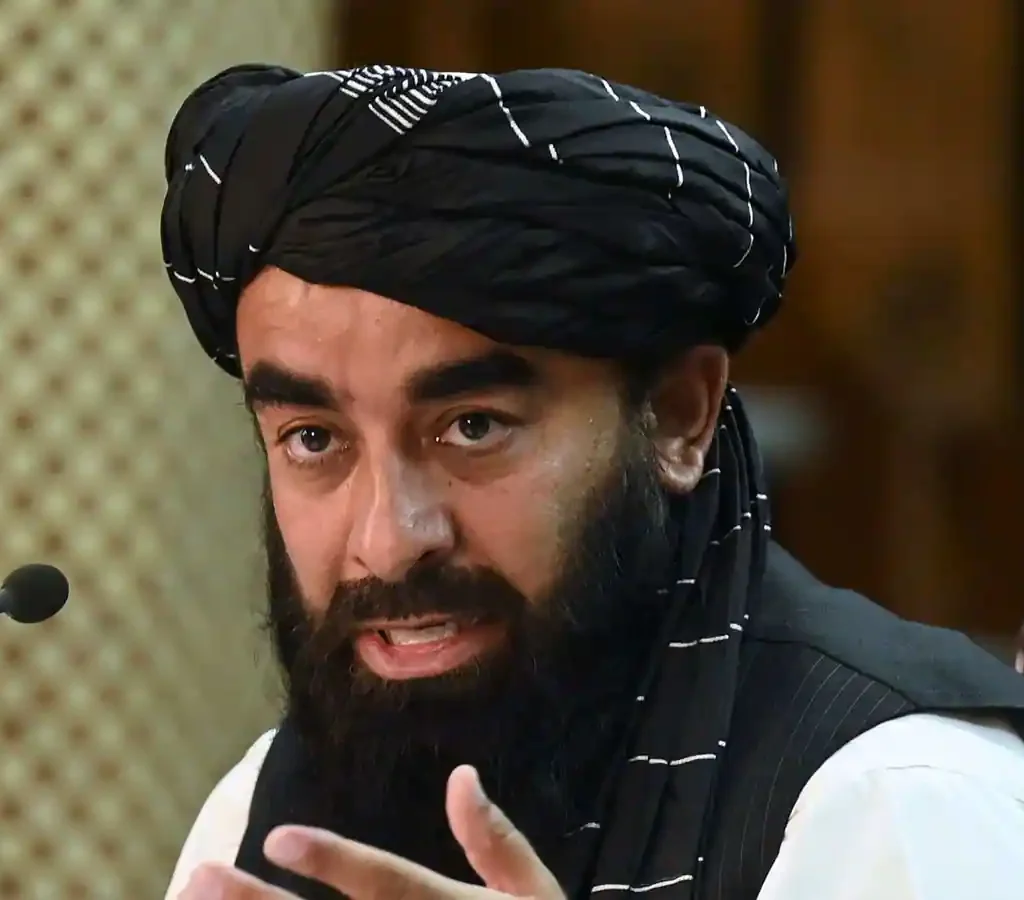
Recent statements by Taliban spokesperson Zabihullah Mujahid attempt to shift blame for strained Pakistan-Afghanistan ties onto Islamabad. Yet the real source of tension lies in Kabul’s refusal to dismantle terror networks like the TTP and BLA operating freely from Afghan soil—a failure that continues to endanger regional peace and Pakistan’s security.
Inside the Istanbul Talks: How Taliban Factionalism Killed a Peace Deal
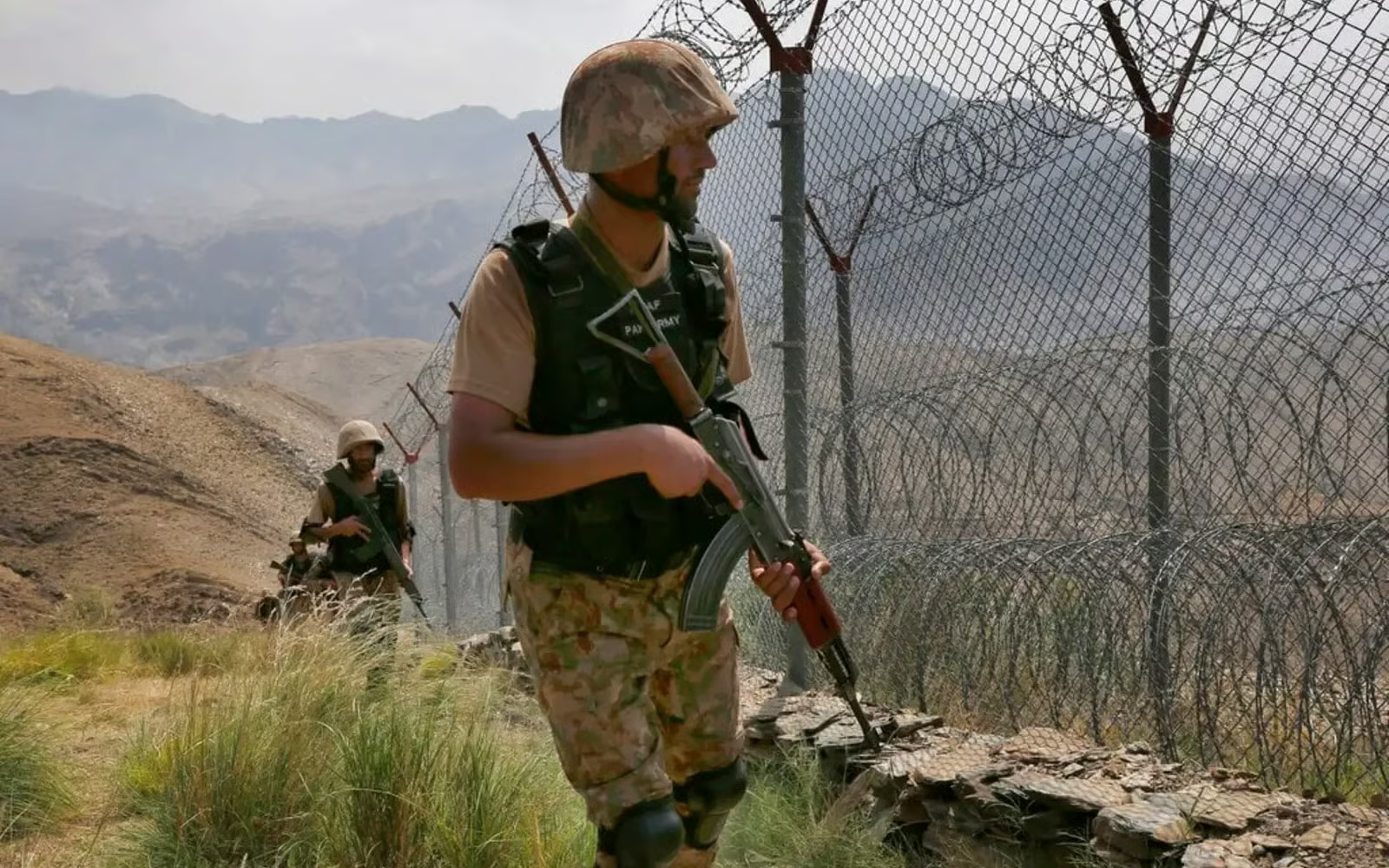
The collapse of the Turkiye-hosted talks to address the TTP threat was not a diplomatic failure but a calculated act of sabotage from within the Taliban regime. Deep factional divides—between Kandahar, Kabul, and Khost blocs—turned mediation into chaos, as Kabul’s power players sought to use the TTP issue as leverage for U.S. re-engagement and financial relief. The episode exposed a regime too fractured and self-interested to act against terrorism or uphold sovereignty.
Bihar Should Reject Modi’s War Politics

Bihar’s election is shaping up as a test of Modi’s war-driven politics. With rising discontent over unemployment and poor governance, voters may choose to look past jingoism and focus on the real issues that shape their daily lives.
When Insurgents Rule: The Taliban’s Crisis of Governance
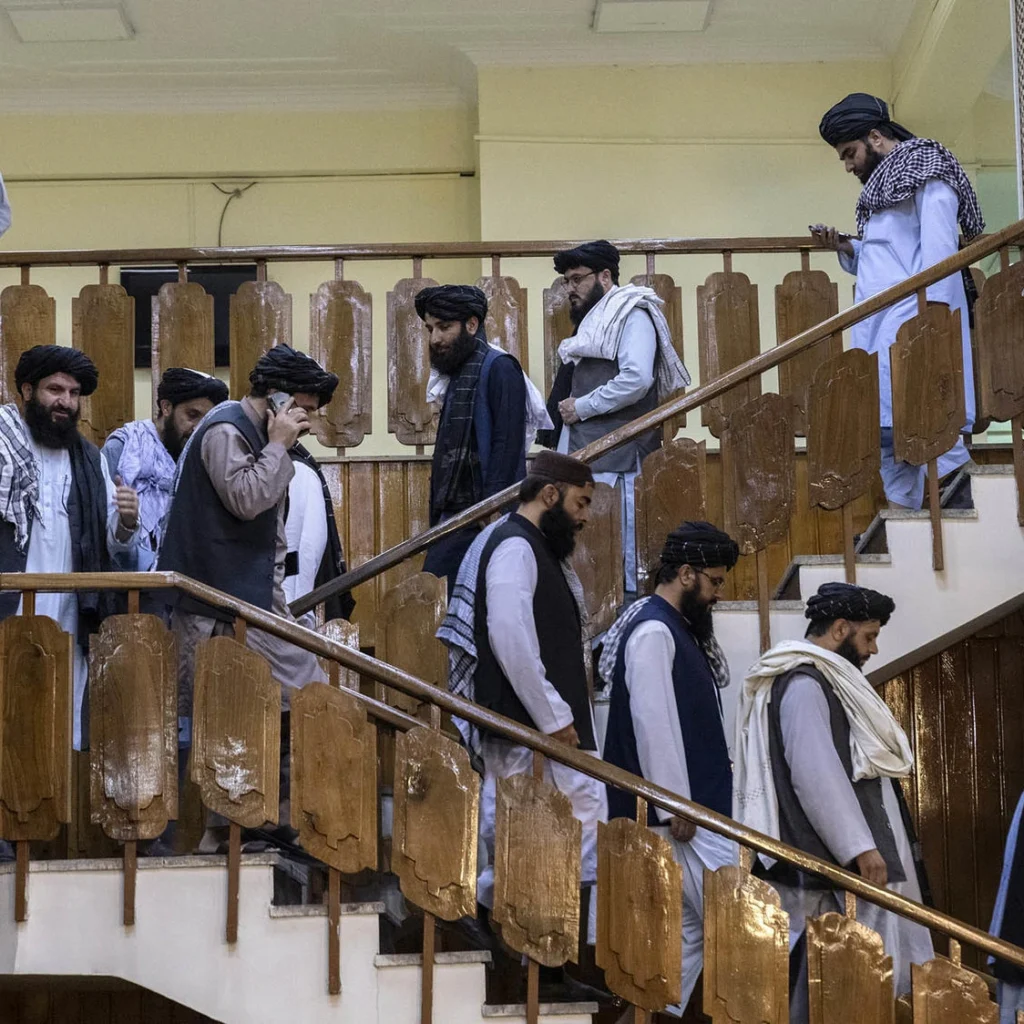
The Taliban’s confrontation with Pakistan reveals a deeper failure at the heart of their rule: an insurgent movement incapable of governing the state it conquered. Bound by rigid ideology and fractured by internal rivalries, the Taliban have turned their military victory into a political and economic collapse, exposing the limits of ruling through insurgent logic.
The Great Unknotting: America’s Tech Break with China, and the Return of the American System

As the United States recalibrates technological ties with China, selective decoupling reshapes industry, security strategy, and global supply chains toward strategic self-reliance.
Legitimacy, Agency, and the Illusion of Mediation
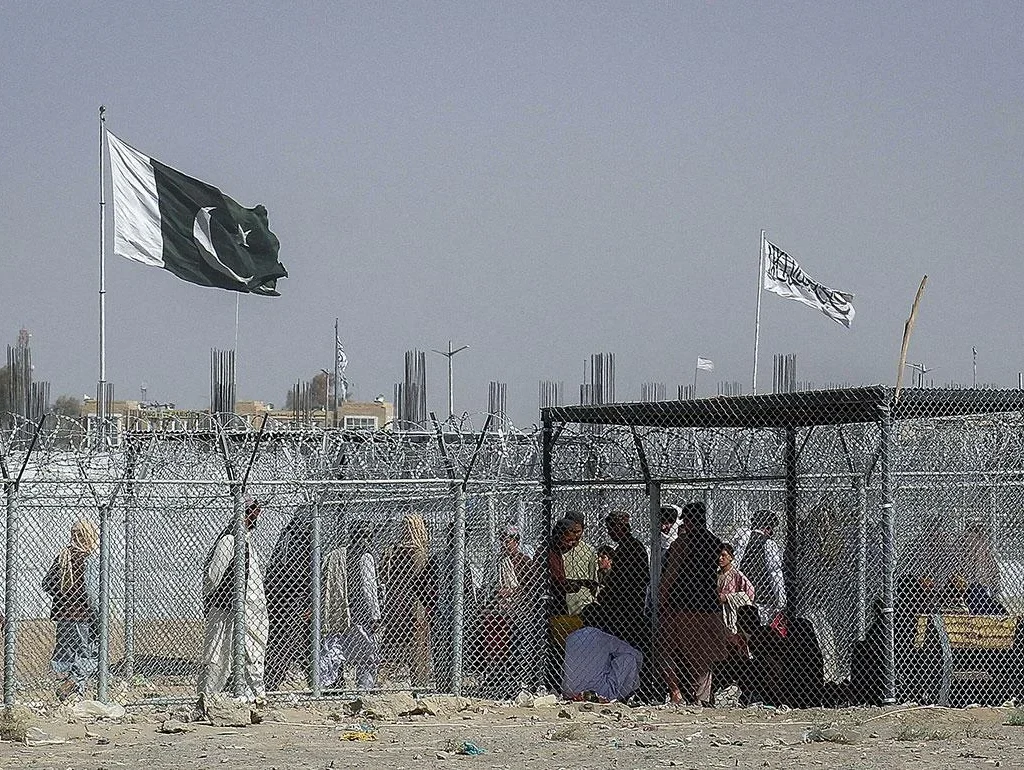
The recent talks in Turkey, attended by Afghan representatives, exposed the delicate politics of legitimacy and agency in Pakistan-Afghanistan relations. By rejecting the Taliban’s proposal to include the TTP, Pakistan safeguarded its sovereignty and avoided legitimizing a militant group as a political actor, preserving its authority and strategic narrative.