
Saudi–Pakistan Defence Deal: The Geopolitical Significance
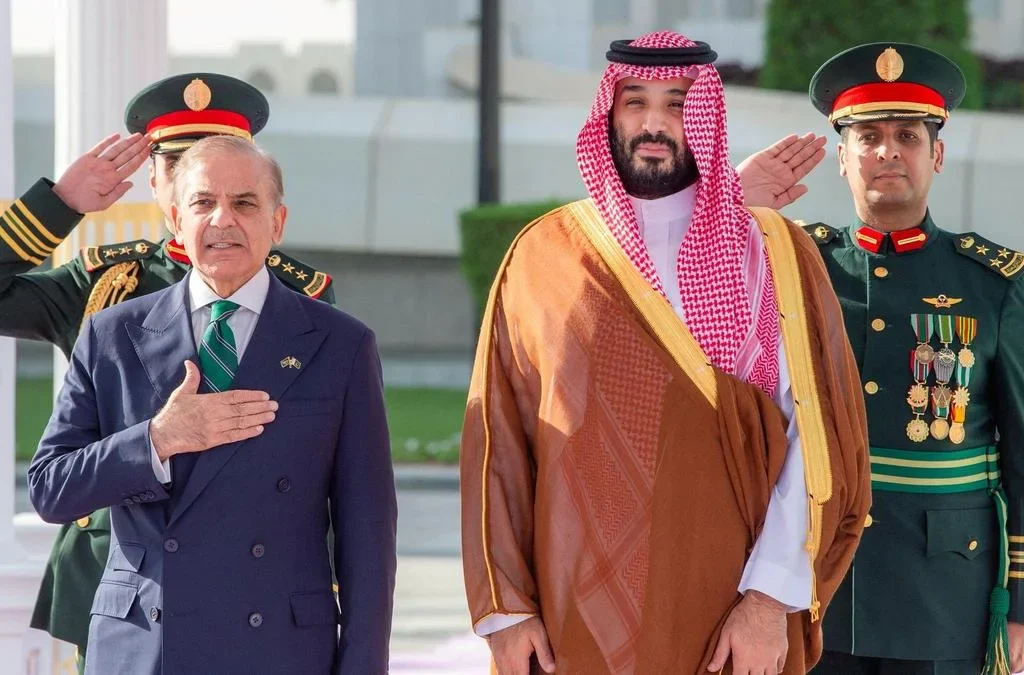
In a shifting multipolar world, Saudi Arabia and Pakistan have formalized a landmark mutual defence pact marking a new era in regional security. The agreement reflects Riyadh’s strategic pivot from dependence on the U.S. towards trusted partners like Pakistan, an established military power in the Islamic world. Beyond reaffirming deep-rooted bilateral ties, the pact reshapes South Asia–Gulf dynamics, deters Indian aggression, and signals a broader trend of regional cooperation amid evolving geopolitical threats.
What is Durand Line?
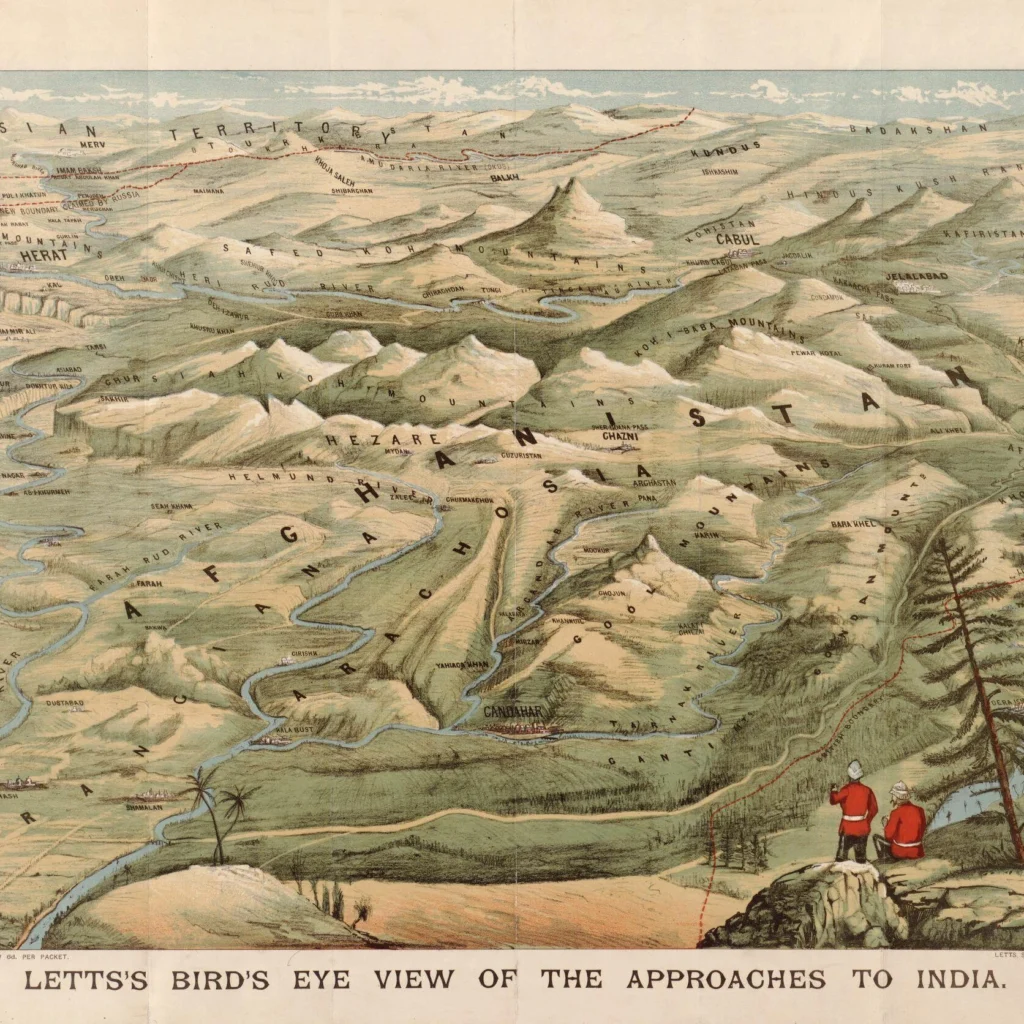
The Durand Line, a 2,670-kilometer border drawn in 1893 between Afghanistan and British India, remains one of South Asia’s many contentious frontiers. Rejected by every Afghan government but recognized internationally, it symbolizes the region’s colonial legacy and ongoing power struggles. This backgrounder explores its origins in the Great Game, the legal and political controversies surrounding it, and its lasting impact on Pakistan-Afghanistan relations and regional security.
Can war against terror be won without political consensus?
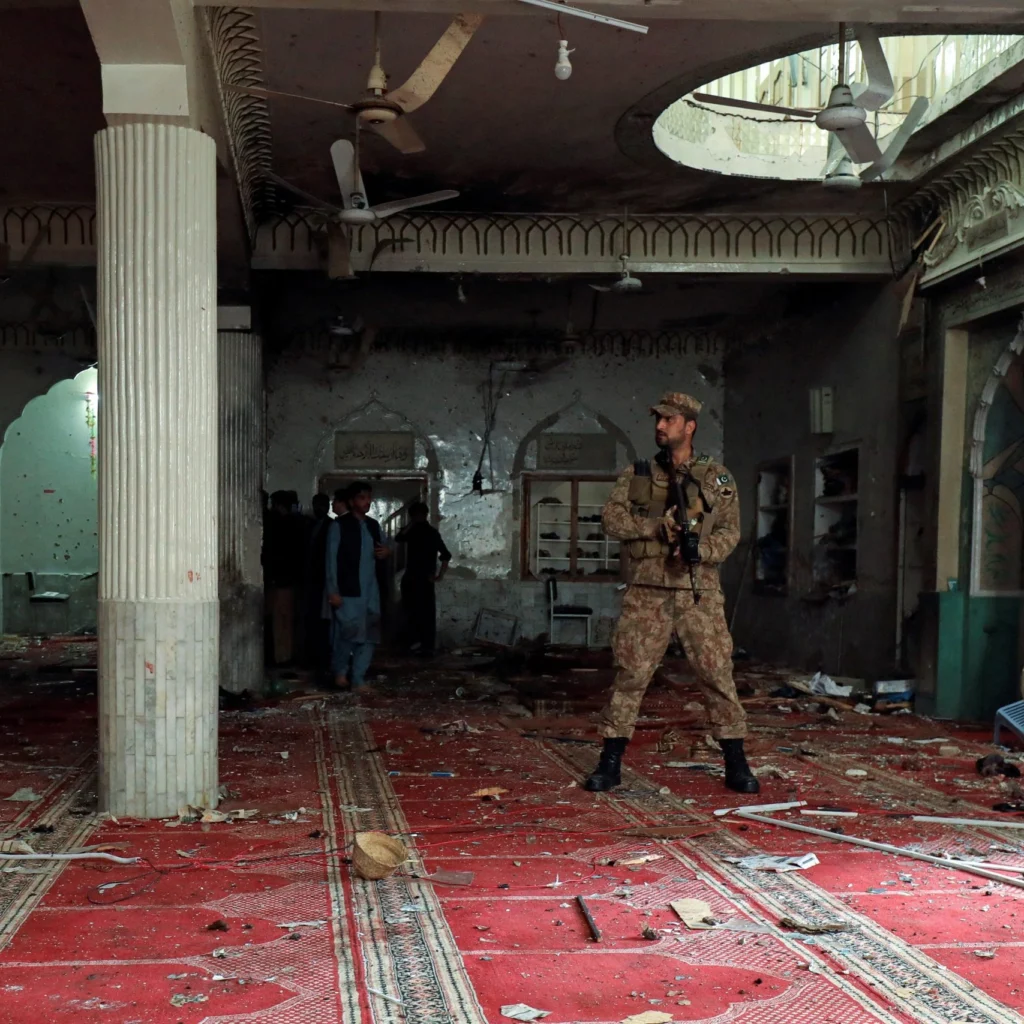
For over two decades, Pakistan has battled the scourge of terrorism. Yet, despite military successes, the absence of political consensus continues to jeopardize lasting peace. As divisions deepen and populist narratives gain ground, the question remains: can Pakistan truly defeat terror without unity at the top?
SAT Infographic
Shifting Sands: How Multipolar Pragmatism Is Redefining Global Alliances
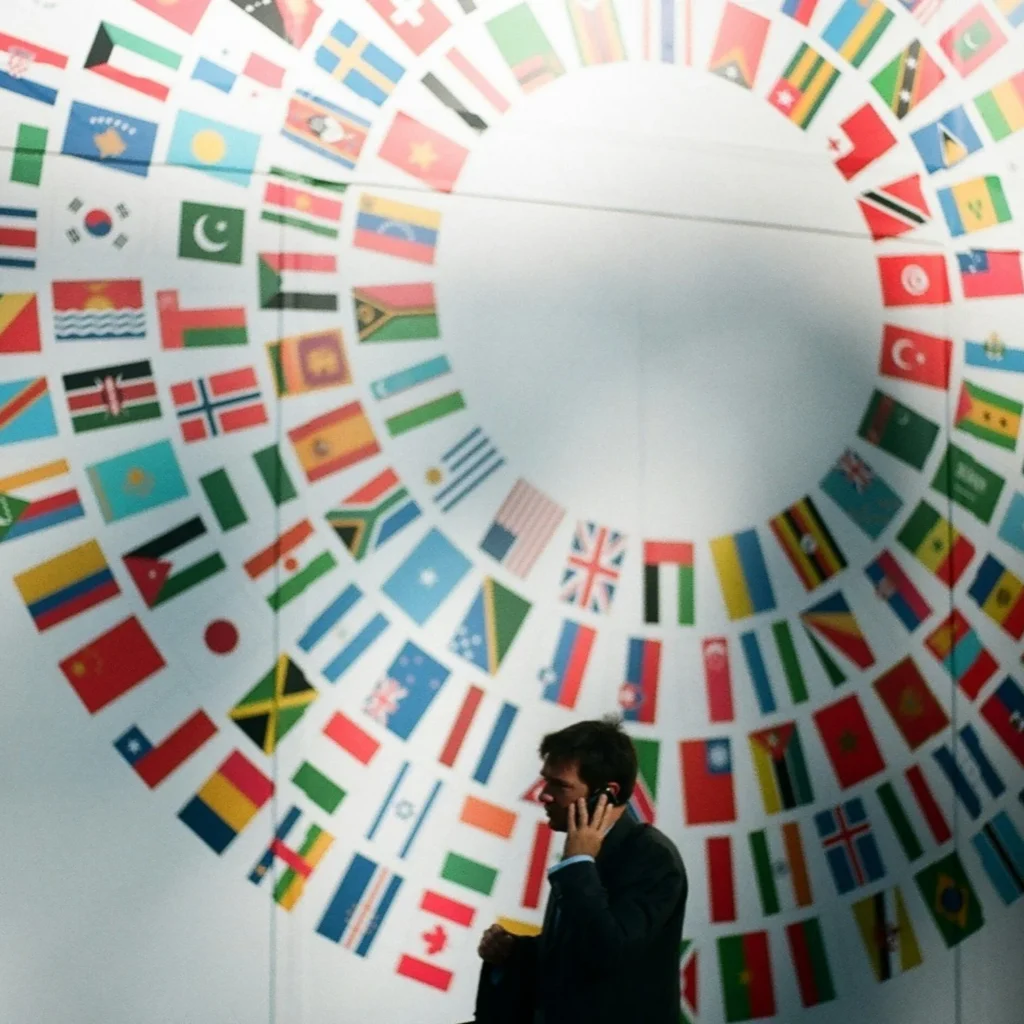
The world is entering an era of multipolar pragmatism where ideology no longer defines alliances. From NATO’s internal divides to BRICS expansion and regional realignments, states now pursue transactional partnerships driven by national interests. This fluid diplomacy creates both opportunities for middle powers and uncertainty in global governance.
Afghan Taliban and Cross Border Terrorism in Pakistan
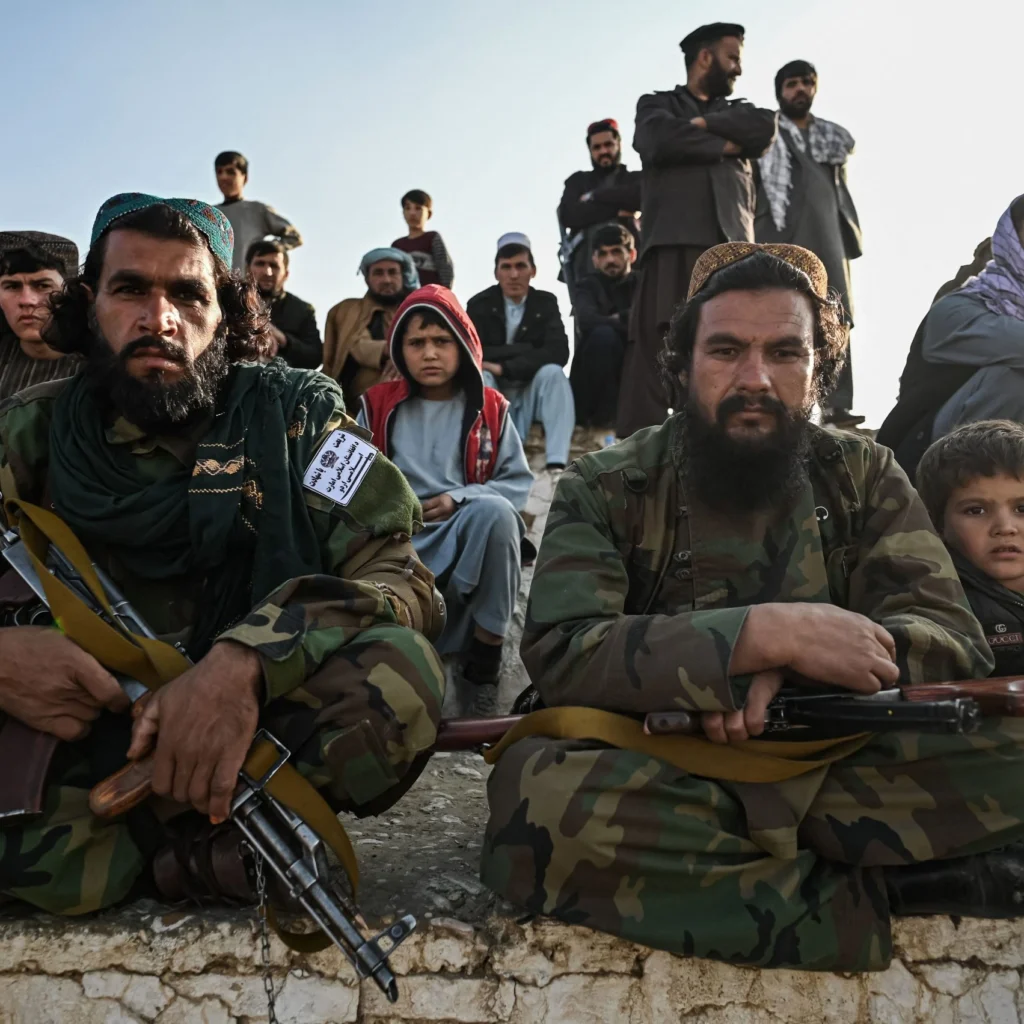
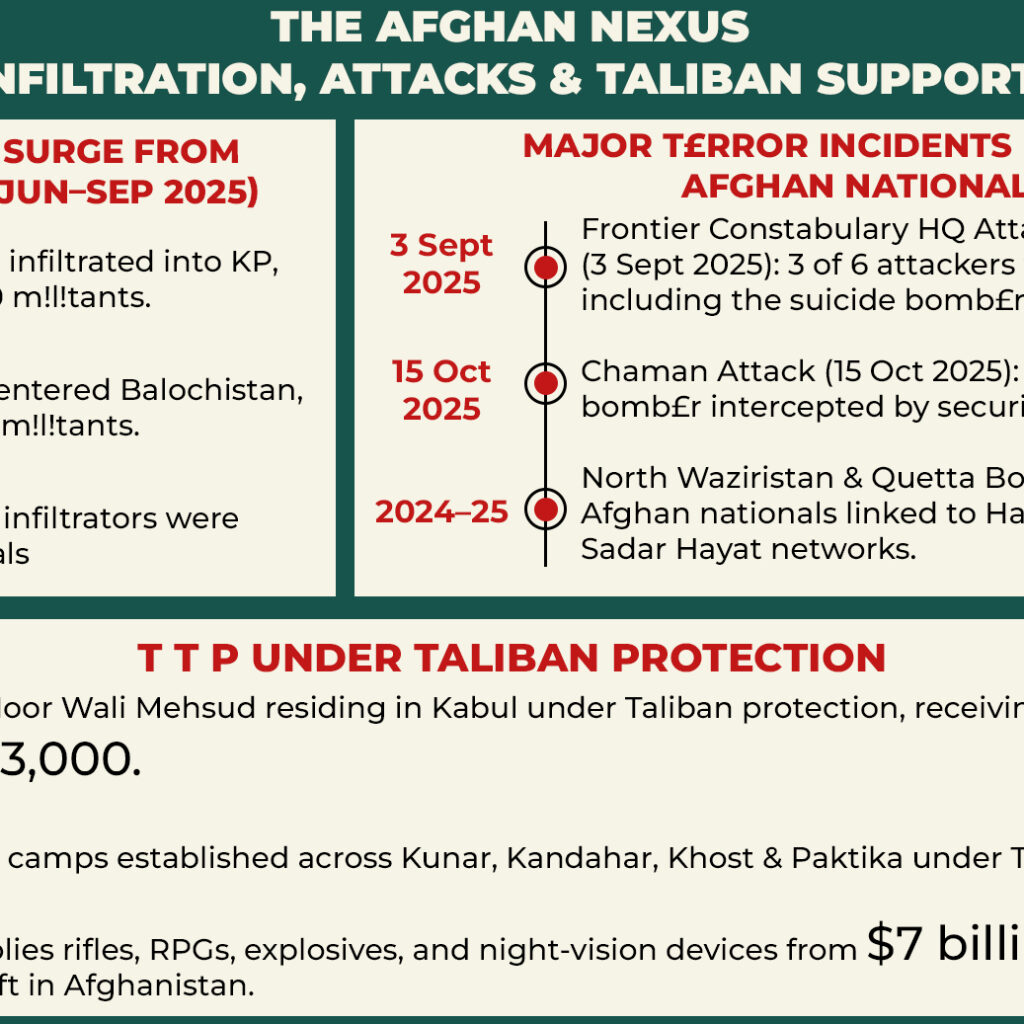
Pakistan is witnessing a sharp rise in terrorist attacks linked to the Afghan Taliban’s support for the Tehreek-e-Taliban Pakistan (TTP). A new study reveals that Afghan nationals now dominate TTP infiltration groups, exposing Kabul’s complicity in cross-border militancy. As violence escalates, Islamabad must balance border control, diplomacy, and de-radicalisation to counter
The New Normal: End of Pakistan’s Strategic Restraint
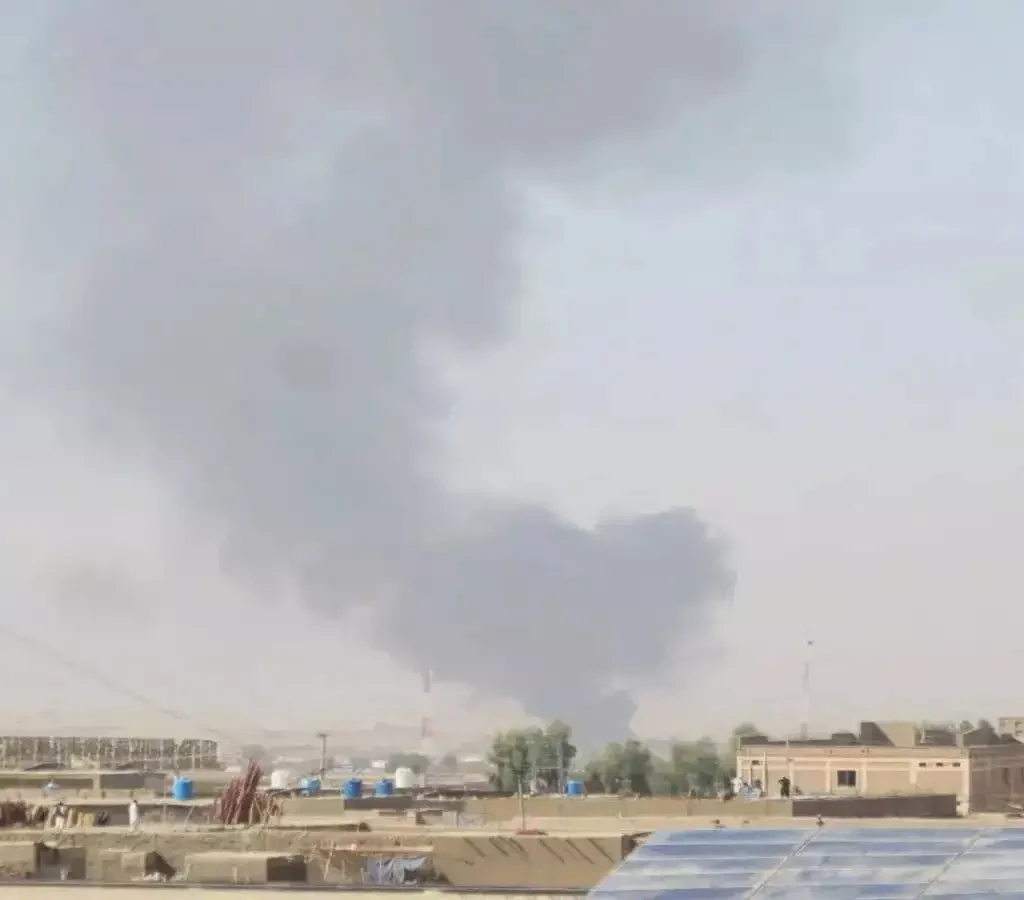
Any hope surrounding the Pakistan–Afghanistan dialogue in Doha is colliding with renewed violence and mutual distrust. Pakistan’s recent precision strikes in Paktika, following a shattered ceasefire and terrorist attacks, signal a shift toward active defense. The talks now hinge on whether Kabul can curb militant sanctuaries and move beyond its victim narrative.
Train to Nowhere: Religious diversity and partition of hearts
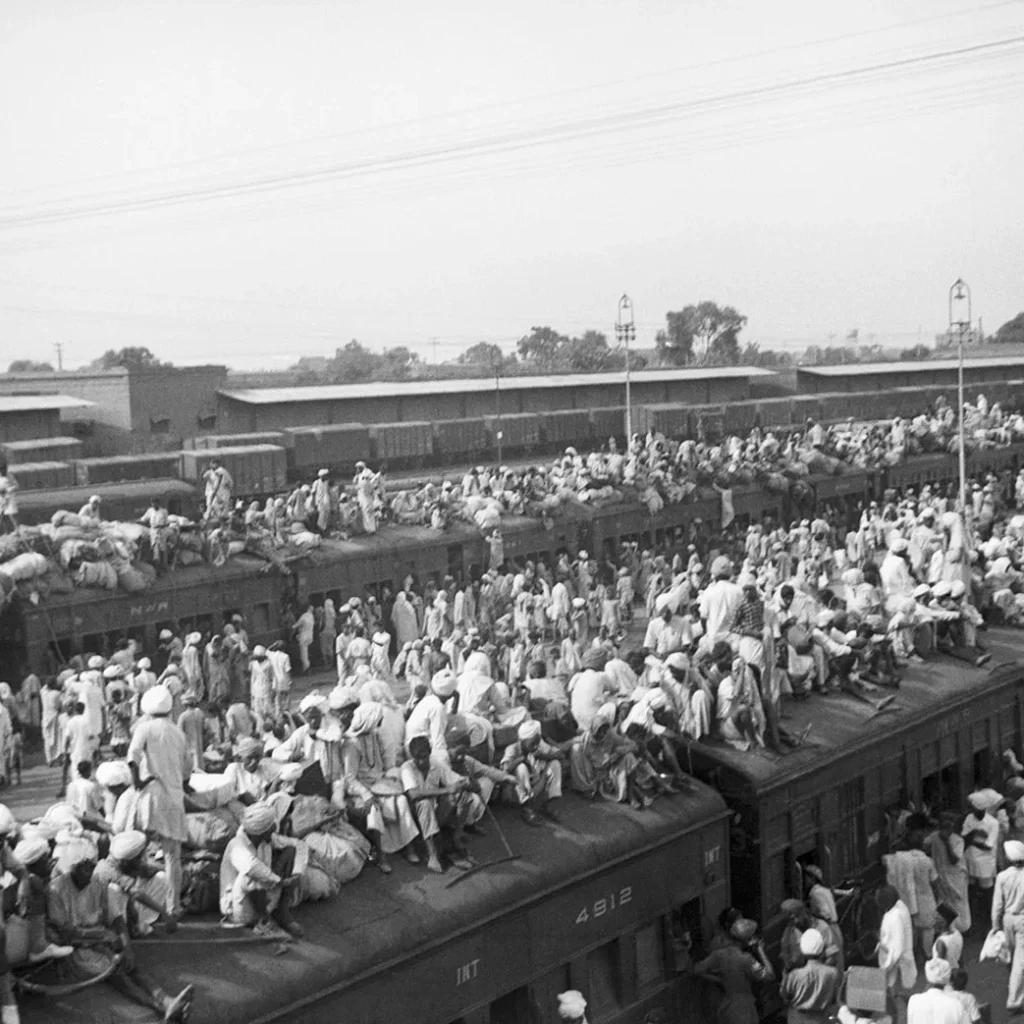
In 1947, Punjab’s trains carried not passengers but memories — of unity turned to horror, of a land where coexistence once thrived before borders tore it apart. Train to Nowhere revisits that plural Punjab, where rivers, shrines, and songs united hearts beyond creed, reminding us that remembrance itself is resistance.
Revising the Agnipath Scheme: Preserving the Gorkha Legacy in India-Nepal Relations
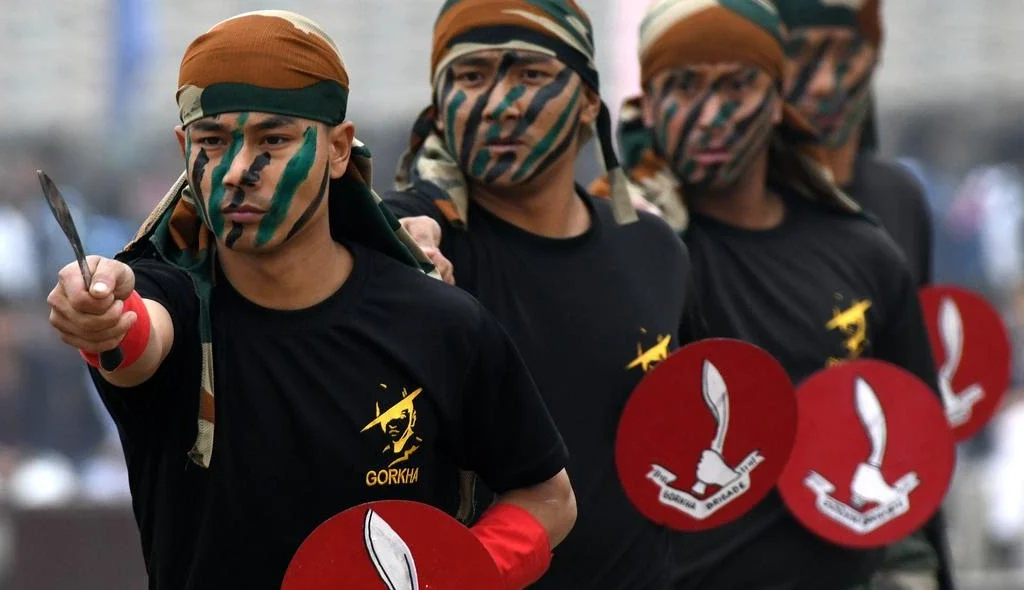
The introduction of India’s Agnipath scheme has stalled the historic Gorkha recruitment process, challenging a 200-year-old tradition and Nepal’s economic stability. This paper argues for a Hybrid Gorkha Model, a reformative structure extending service terms to 7–10 years with pension guarantees and skill development. Such a model not only preserves the Gorkha legacy but also strengthens India–Nepal bilateral ties amid evolving regional geopolitics.