There was a growing realization in Saudi Arabia regarding a dire need to have a mutual defence agreement with militarily strong power to counter the emerging security threats. Riyadh was pushing for the formal defence pact with Washington in recent years. Joe Biden, the former US President, offered a mutual defence agreement with Israel. Though Israel failed to fulfill Saudi’s prerequisite for the pact that includes creation of an independent Palestinian state. Neither Biden nor Trump could deliver on the deal, leaving it in limbo. As the world is moving towards multi-polarity, diversified strategic options and alliance building, Saudi Arabia chose to materialize a comprehensive defence deal with Pakistan.
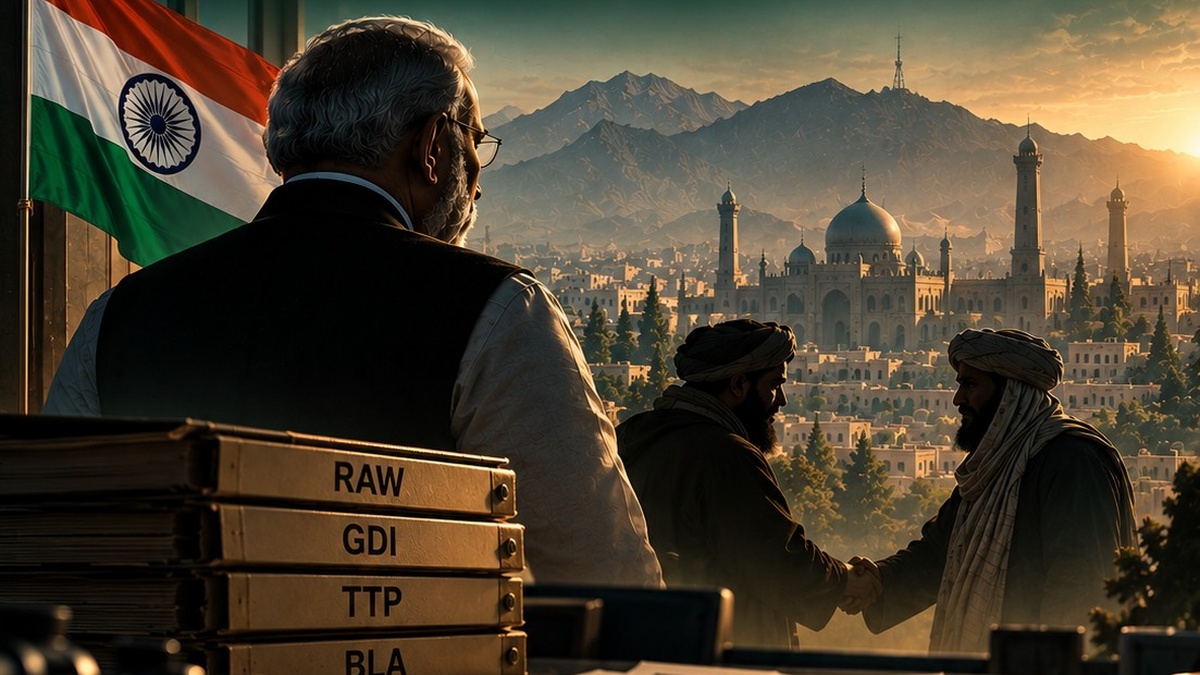
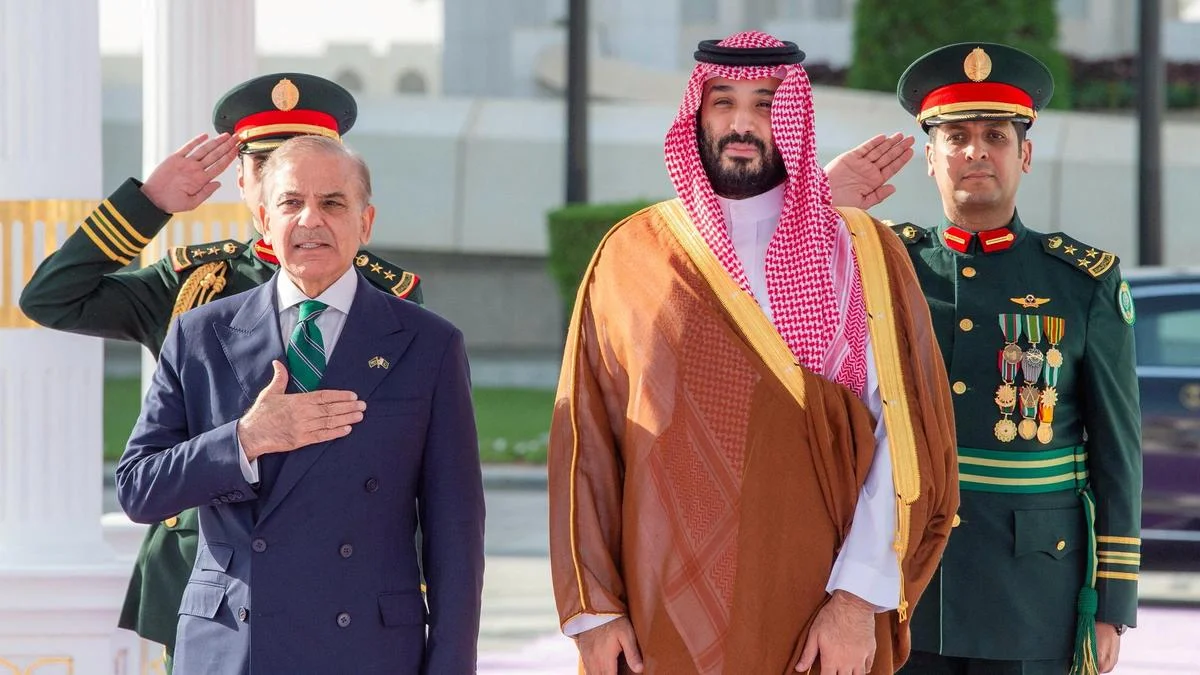
Saudi Arabia formalized its historic defence cooperation with Pakistan by signing a mutual defence security pact. It states, “any aggression against either country shall be considered as aggression against both.” It is crucial to analyze the timing of the pact as it coincides with the recent May escalation between Pakistan and India. The crisis de-escalated by former’s unquestionable success in neutralizing Indian Airforce and military targets, reestablishing the credibility of Pakistan’s conventional military deterrence. It emerged as a strong, reliable country while India lost its credibility at the diplomatic and military front. The defence agreement between Riyadh and Islamabad is itself a diplomatic defeat to India, failing her efforts to isolate Pakistan through creating false rhetoric.
The agreement further strengthened Pakistan’s position in the South Asian region, where Indian misadventure would be met by a befitting response not only from Pakistan but also from Saudi Arabia, the fourth largest arms importer of the world. The strategic agreement between Pakistan and Saudi Arabia would have strategic implications for India not only in South Asia but also for its geo-political relocation in the Gulf region as the pact marked a turning point in security of Gulf and South Asia.
There are some misplaced attributions regarding the defence deal that Pakistan might spread nuclear umbrella to Saudi Arabia. Pakistan’s nuclear program is India centric. According to SIPRI Yearbook 2025, Pakistan has 170 nuclear warheads while India has increased its nuclear warheads in previous years stands at 180 now, making its nuclear arsenal building, the fastest in the world. Extending nuclear umbrella to Saudi Arabia would compromise Pakistan’s own deterrence capability vis-a-vis India. Therefore, nuclear sharing or deterrence are not part of the defence deal between Pakistan and Saudi Arabia. Furthermore, it would also bring international condemnation and economic pressure that Pakistan cannot afford. It would not put its already fragile economy at risk of International reprisal by giving nuclear guarantees to Saudi Arabia or even placing its nuclear warheads on Saudi soil. Nuclear weapons meant to secure a state; Pakistan would not risk putting its own security in jeopardy via extending nuclear deterrence to another state. Moreover, there is not a single precedent that a nuclear state used her nuclear weapons to safeguard a third state.
Saudi Arabia and Pakistan have historic defence cooperation. The latter sent military personnel up to 10,000 occasionally to the Kingdom. It also consecutively provides a rotation of forces in training and advisory roles, as per an estimate they are 1500 personnel now. In Gulf war 1990-91, Pakistan armed forces played a crucial role in defending holy sites in Saudi Arabia. Riyadh occasionally provided financial relief to Islamabad including loans and oil, during the economic crisis. Their mutual strategic defence agreement would further enhance and strengthen their bilateral cooperation on comprehensive, traditional and non-traditional security spheres. At the time when countries are diversifying their ties as a means of hedging in a changing multipolar environment, in the same vein, Pakistan-Saudi defence deal aims to diversify strategic options enhancing deterrence in South Asian and Middle Eastern regions. It is a step forward towards security through cooperation and building security ties on common threat perceptions.
The views expressed in this article are the author’s own. They do not necessarily reflect the editorial policy of the South Asia Times.
Also See: Institutionalizing Collective Defense: Pakistan, Saudi Arabia, and the Region’s Future

Syeda Tahreem Bukhari is an Associate Director at the Center for International Strategic Studies-AJK, where she works on strategic stability, South Asian security and emerging regional security dynamics. She has also served as a lecturer at the University of Azad Jammu & Kashmir and is an alumna of the Near East South Asia Center for Strategic Studies (NESA), National Defense University, Washington, DC.