
Instability as Strategy: How India Benefits from the Afghan-Pakistan Breakdown
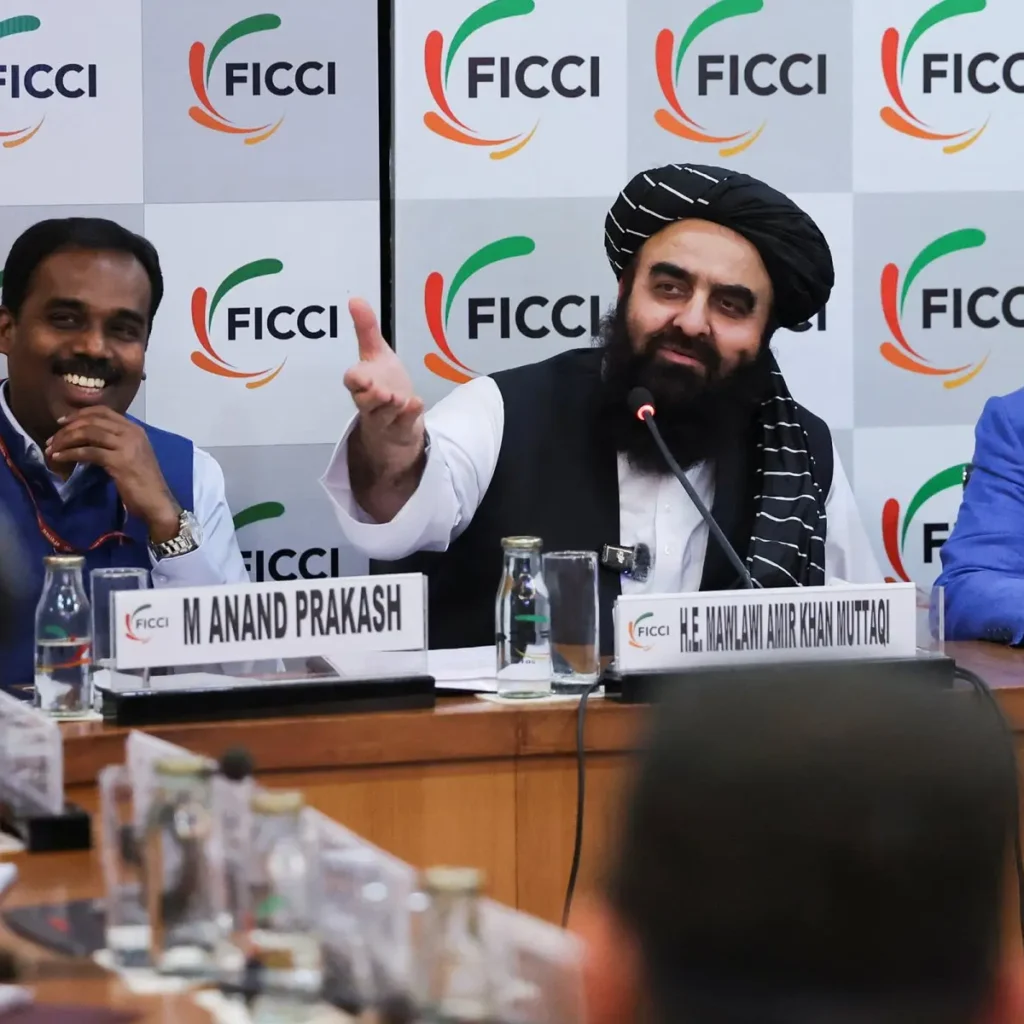
The escalating tensions between Pakistan and Afghanistan’s Taliban-led regime have reignited South Asia’s most volatile frontier. As cross-border attacks intensify and the Taliban refuses to dismantle the Tehreek-e-Taliban Pakistan (TTP), Islamabad faces mounting security and sovereignty challenges. Yet, amid this chaos, India emerges as the silent beneficiary, leveraging regional instability to weaken Pakistan strategically while maintaining its image as a victim of terrorism. This calculated exploitation threatens to entrench South Asia in a new cycle of proxy conflict.
Broken Promises, Renewed Threats: Time to Hold TTA Accountable
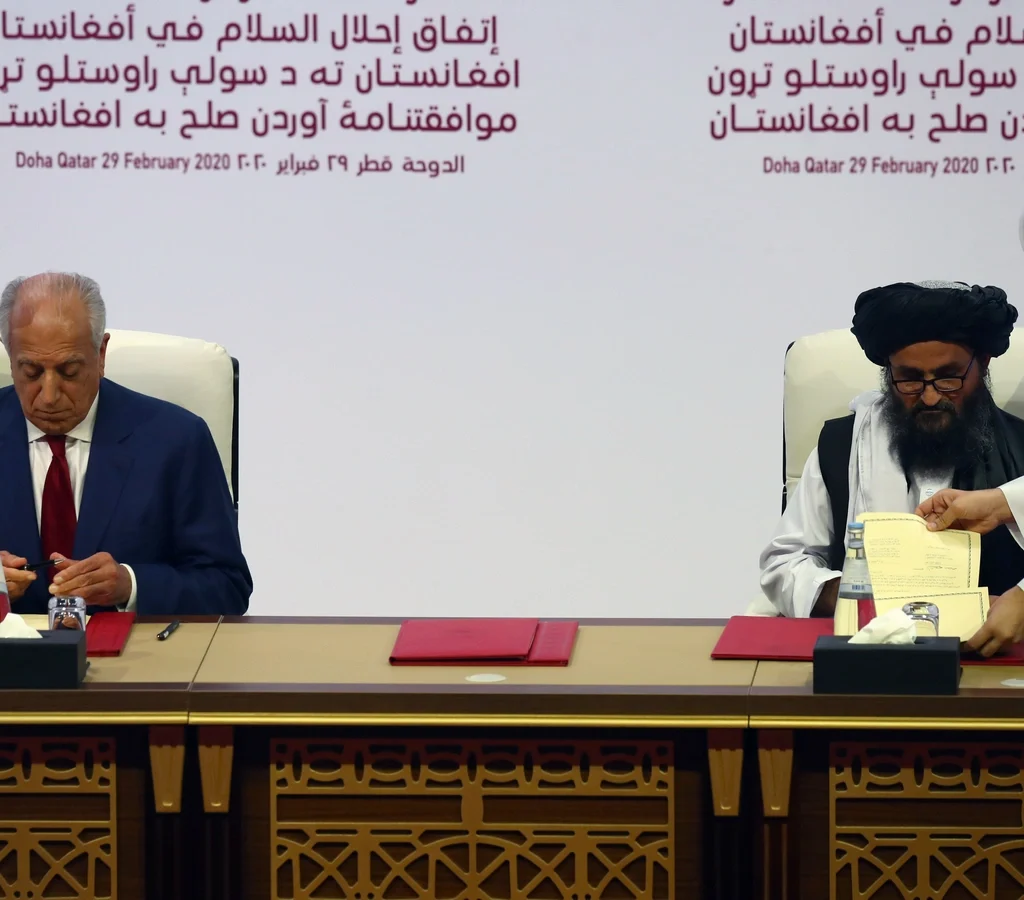
Five years after the Doha Accord, the Taliban have broken key commitments: 5,000 released prisoners returned to combat, 89% of government posts are held by Pashtuns, and women remain barred from education and work. Afghan soil hosts 6,000–6,500 TTP and Al-Qaeda fighters, with TTP chief Noor Wali Mehsud receiving $43,000/month. Pakistan has neutralized 267 Afghan terrorists in 2025, while 58 terrorist camps operate under Taliban knowledge. Despite the US aid, compliance is minimal. International recognition and support must now be tied to verifiable reforms to prevent further regional instability.
The Istanbul Dialogue: How the Taliban’s Intransigence Doomed Diplomacy
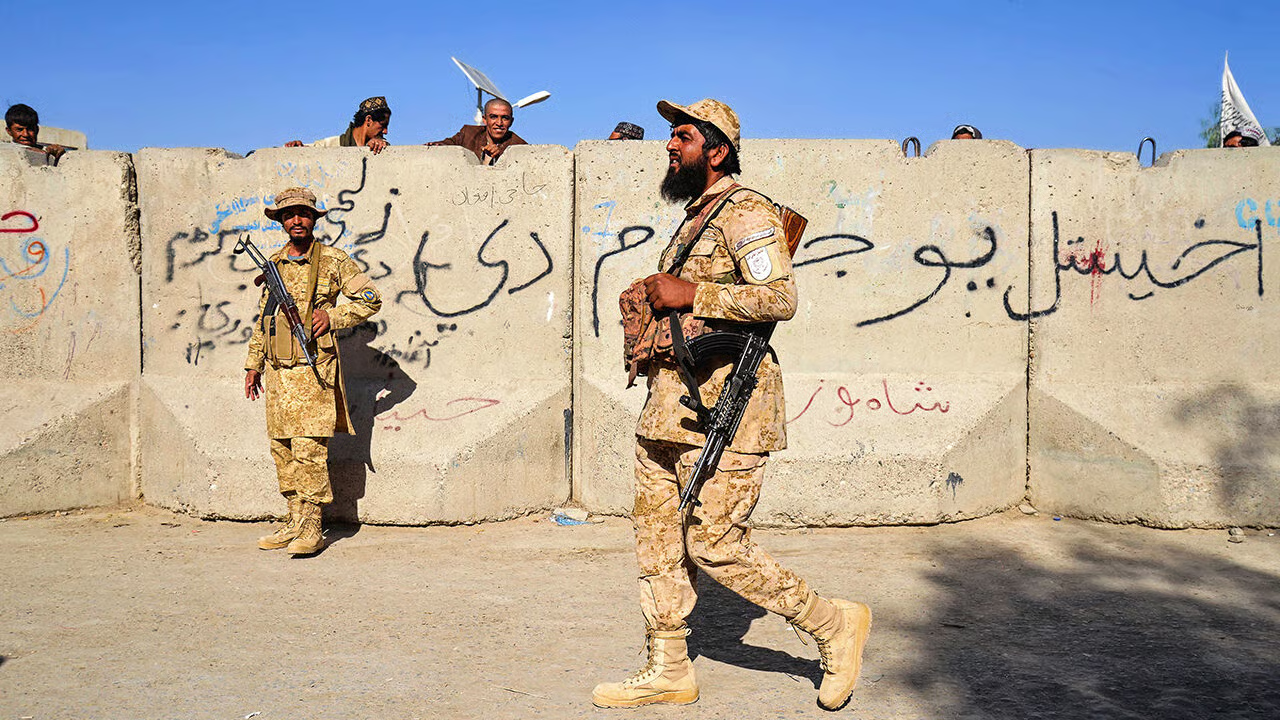
The highly anticipated Istanbul dialogue, facilitated by Turkey and Qatar, has ended in deadlock. The Taliban’s refusal to act against the Tehrik-e-Taliban Pakistan (TTP) and their introduction of provocative counter-demands have effectively derailed the diplomatic process, underscoring the ideological rigidity driving Kabul’s foreign policy.
Centralized Power and the Core–Periphery Divide in Afghanistan
The Islamic Emirate of Afghanistan’s return in 2021 brought rapid consolidation of power, but also the revival of a historical flaw. By concentrating authority in the hands of southern Pashtun elites, the Taliban have recreated the core–periphery divide that has destabilized every Afghan regime since the 19th century. This hyper-centralization, rooted in ethnic exclusivity and Kandahar dominance, risks a repeat of past collapses as non-Pashtun regions turn toward functional autonomy.
Broken Promises: The Taliban’s Betrayal of Global Commitments
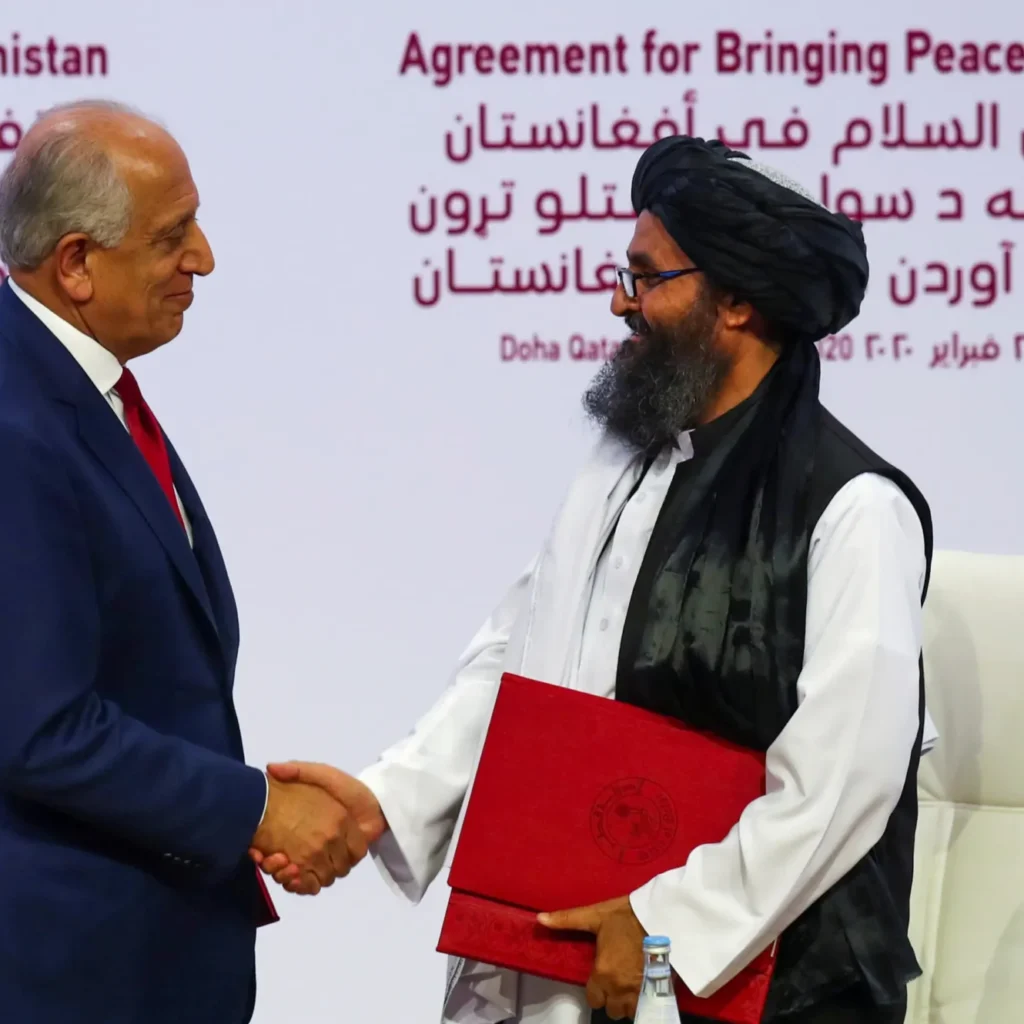
Nearly three years after seizing power, the Taliban’s systematic violation of their international commitments under the 2020 Doha Accord has transformed Afghanistan into a sanctuary for terrorism, entrenched an autocratic regime, and institutionalized gender apartheid. Beyond moral failure, this deceit poses a grave threat to regional stability, international counterterrorism efforts, and the credibility of global diplomacy. Holding the regime accountable is now a strategic necessity, not a choice.
Do You Remember 6/11/ 1947?: A Forgotten Jammu Genocide and the Continuing Erasure of Kashmiriyat

On November 6, 1947, one of South Asia’s earliest genocides unfolded in Jammu, where hundreds of thousands of Muslims were massacred or forced to flee. Yet, unlike other global tragedies, this atrocity remains buried in silence. The Jammu Genocide not only reshaped the region’s demography but laid the foundation for India’s ongoing campaign of identity erasure in Kashmir. From demographic engineering to cultural censorship, the spirit of Kashmiriyat continues to face systematic annihilation.
India’s Climate Policy after COP28: Net Zero 2070 — A Fair Promise or a Risky Postponement?
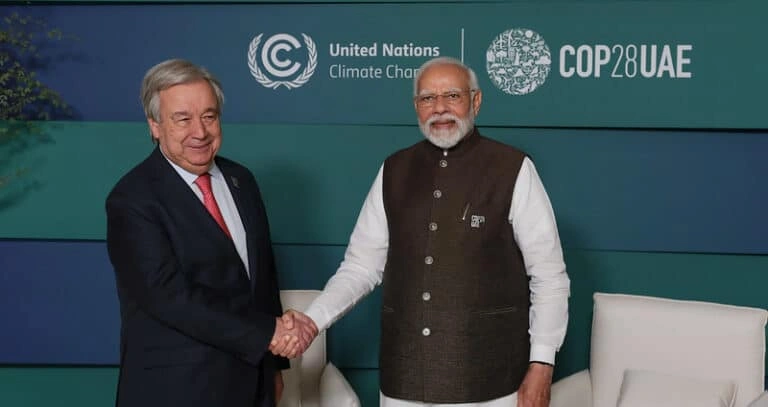
India’s Net Zero 2070 target reflects a delicate balance between development equity and climate urgency. While progress in renewables, green finance, and adaptation is visible, the absence of clear interim milestones risks turning ambition into delay. The real challenge lies in translating a distant horizon into measurable, near-term climate action before 2030.
The Tehreek-e-Hijrat of 1920 and Its Parallels with Contemporary Refugee Politics
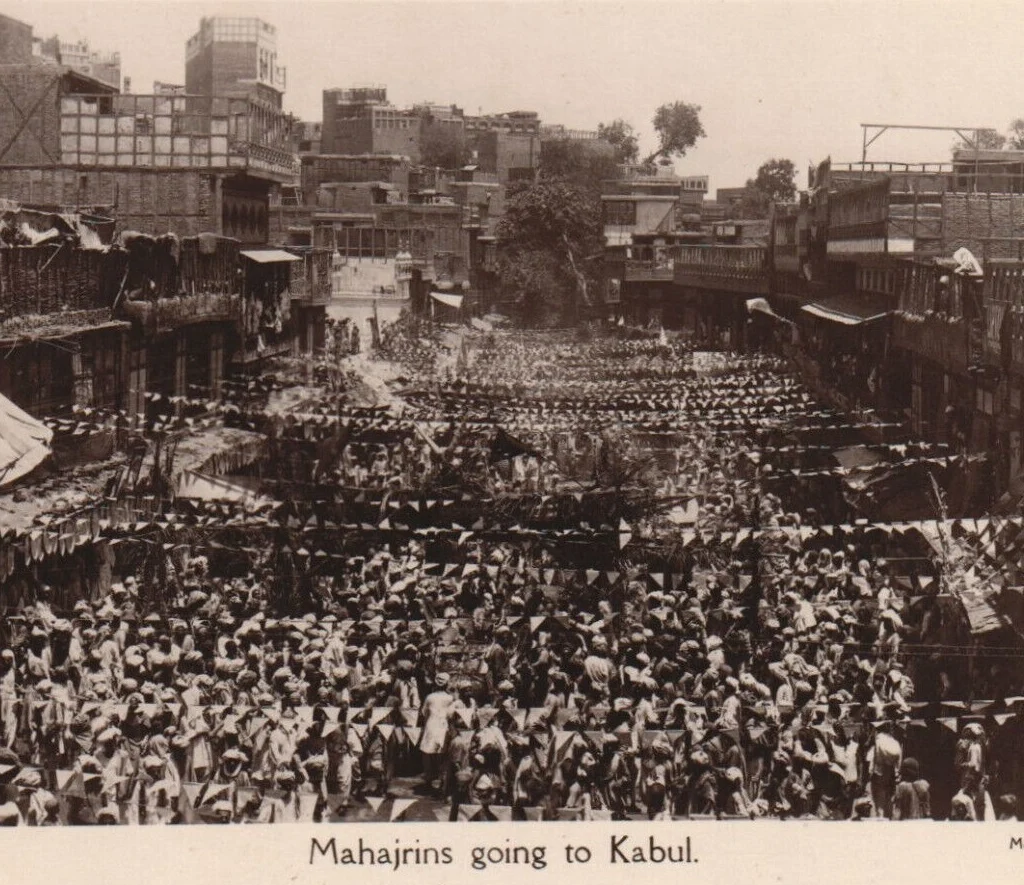
The Tehreek-e-Hijrat of 1920 saw thousands of Indian Muslims migrate to Afghanistan, only to be turned away when Kabul could no longer cope. A century later, Afghan officials criticise Pakistan’s refugee policies while ignoring their own historical refusal to host Muslim migrants. The parallel reveals not just irony, but the enduring challenge of compassion, capacity, and collective responsibility.
Playing the Victim: How the Taliban Endorse and Amplify Online Propaganda Against Pakistan
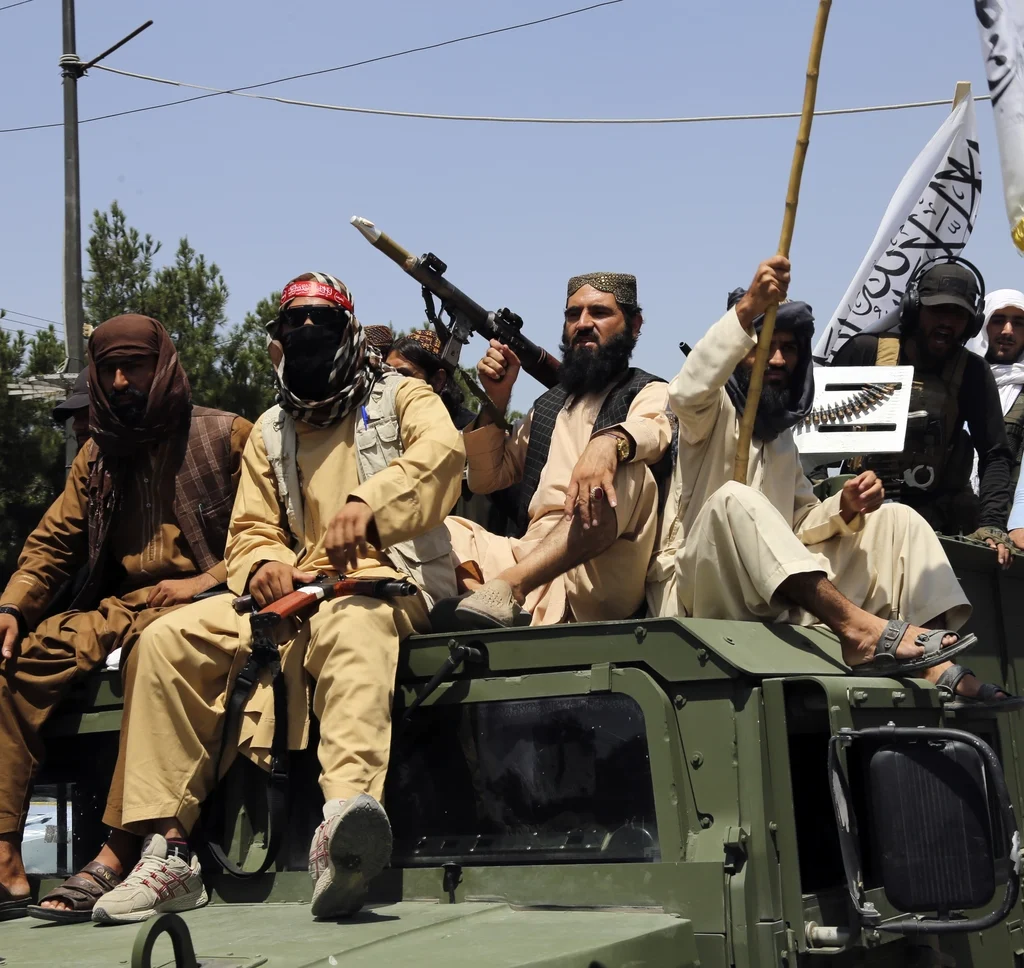
Following the October 2025 border clashes, the Taliban have shifted their battlefield online, using propaganda, selective history, and digital disinformation to paint Pakistan as the aggressor. Through controlled media releases, colonial-era references, and victimhood narratives, Kabul seeks to manipulate regional perception and deflect blame for its own failures.