
The Myth of the Disputed Line: Why Afghan Pragmatism is Finally Overturning Populist Rhetoric
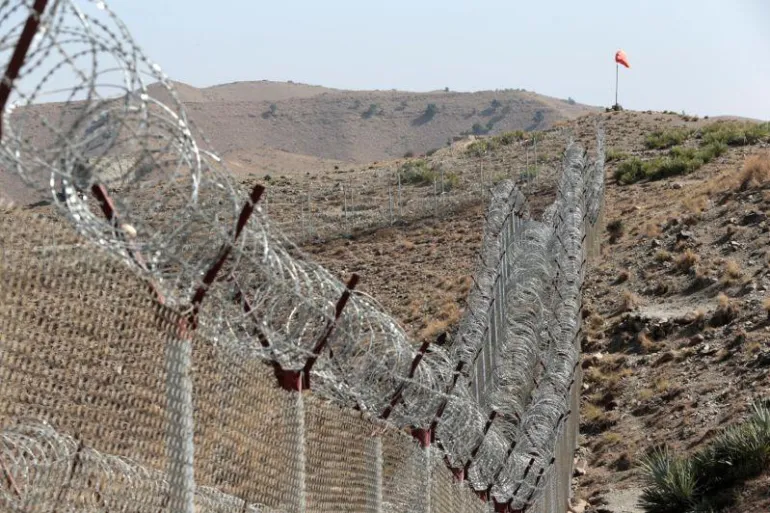
A transformative shift is emerging in Afghan political discourse as leaders like Mohammad Tahir Zuhair and the National Resistance Front (NRF) move toward formal recognition of the Durand Line. By prioritizing “historical realism” over populist rhetoric, these voices suggest that nearly 80% of Afghans seek peace and trade over territorial disputes. This shift offers a rare opportunity to transition Pak-Afghan relations from decades of suspicion to a strategic partnership rooted in internationally recognized boundaries. A transformative shift is emerging in Afghan political discourse as leaders like Mohammad Tahir Zuhair and the National Resistance Front (NRF) move toward formal recognition of the Durand Line. By prioritizing “historical realism” over populist rhetoric, these voices suggest that nearly 80% of Afghans seek peace and trade over territorial disputes. This shift offers a rare opportunity to transition Pak-Afghan relations from decades of suspicion to a strategic partnership rooted in internationally recognized boundaries.
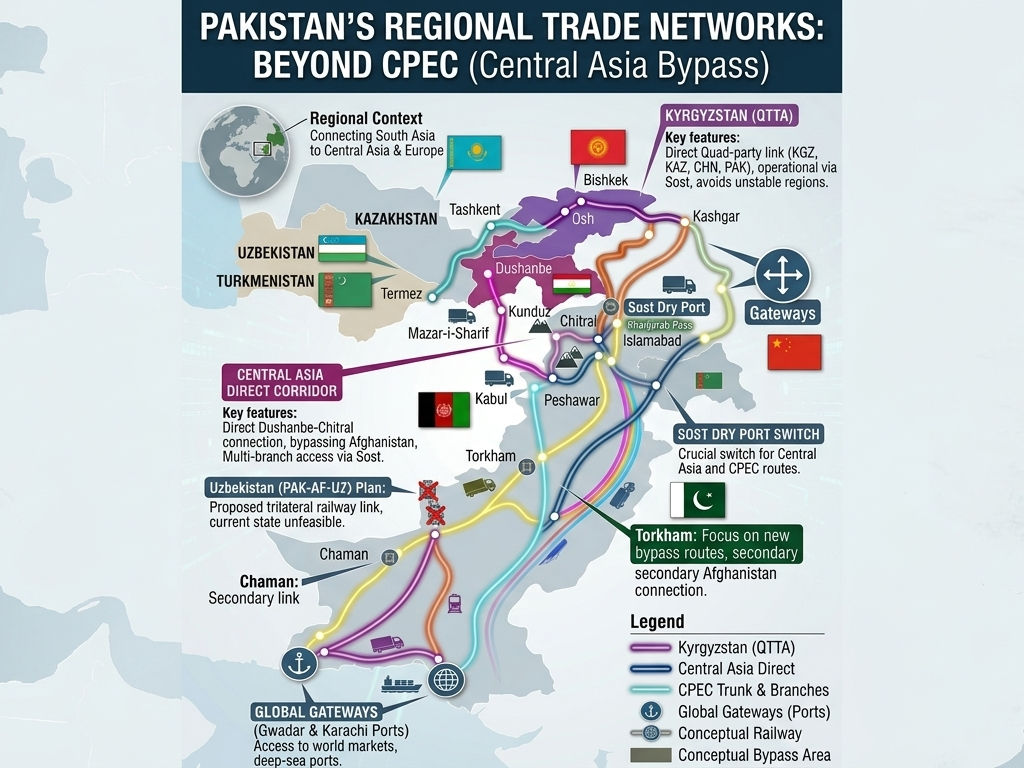
Pakistan’s New Regional Trade Corridors
How Pakistan’s Military Became the Country’s Diplomatic Corps
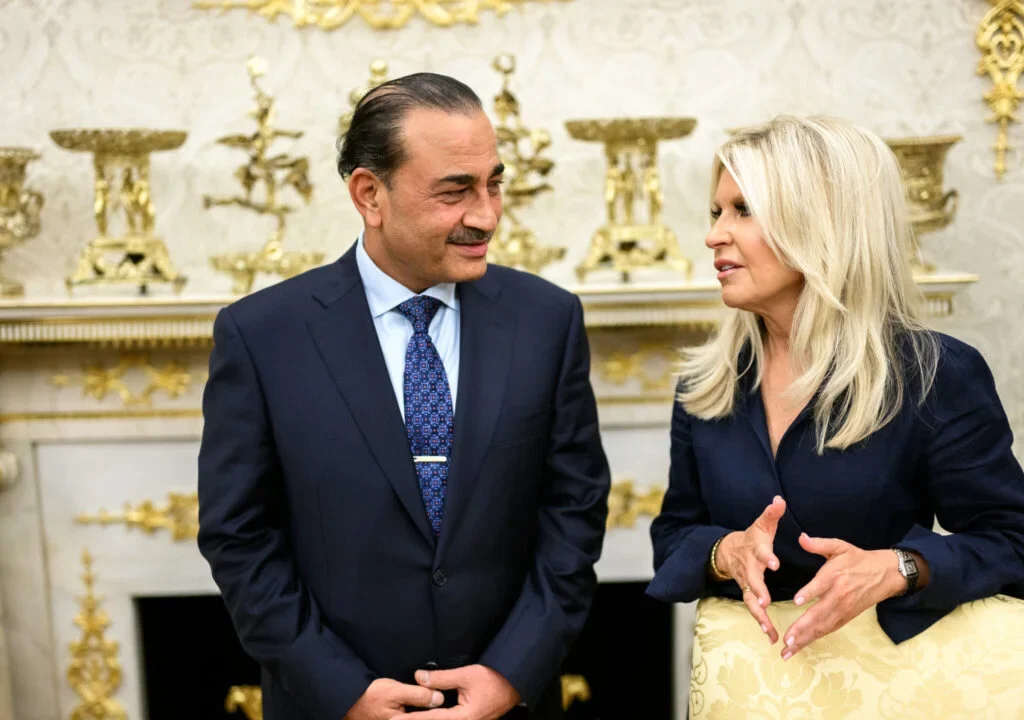
xplore how Pakistan’s military has emerged as a key diplomatic actor, mediating Iran-related tensions and reshaping geopolitics between South Asia and the Middle East.
The New Architect of Peace: Pakistan’s Strategic Rise in a Changing Middle East
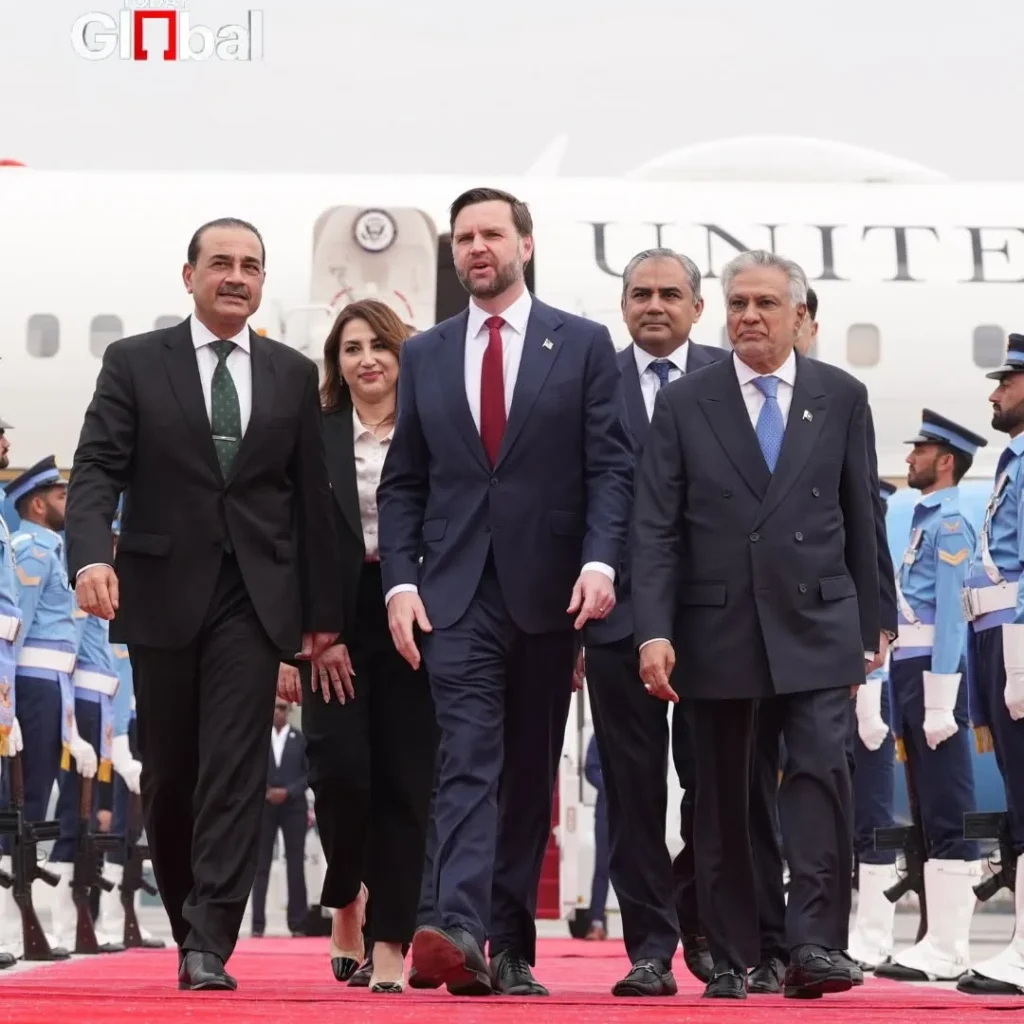
Pakistan has transitioned from a regional player to a central architect of Middle East peace and security. By facilitating the historic U.S.-Iran ceasefire talks in Islamabad, the nation has proven the efficacy of its “military diplomacy.” Leveraging strategic ties with key global and regional powers, Pakistan is now filling a critical diplomatic vacuum and asserting itself as a credible, indispensable mediator on the world stage.
Pakistan’s Mediation and the Remaking of U.S. Foreign Policy
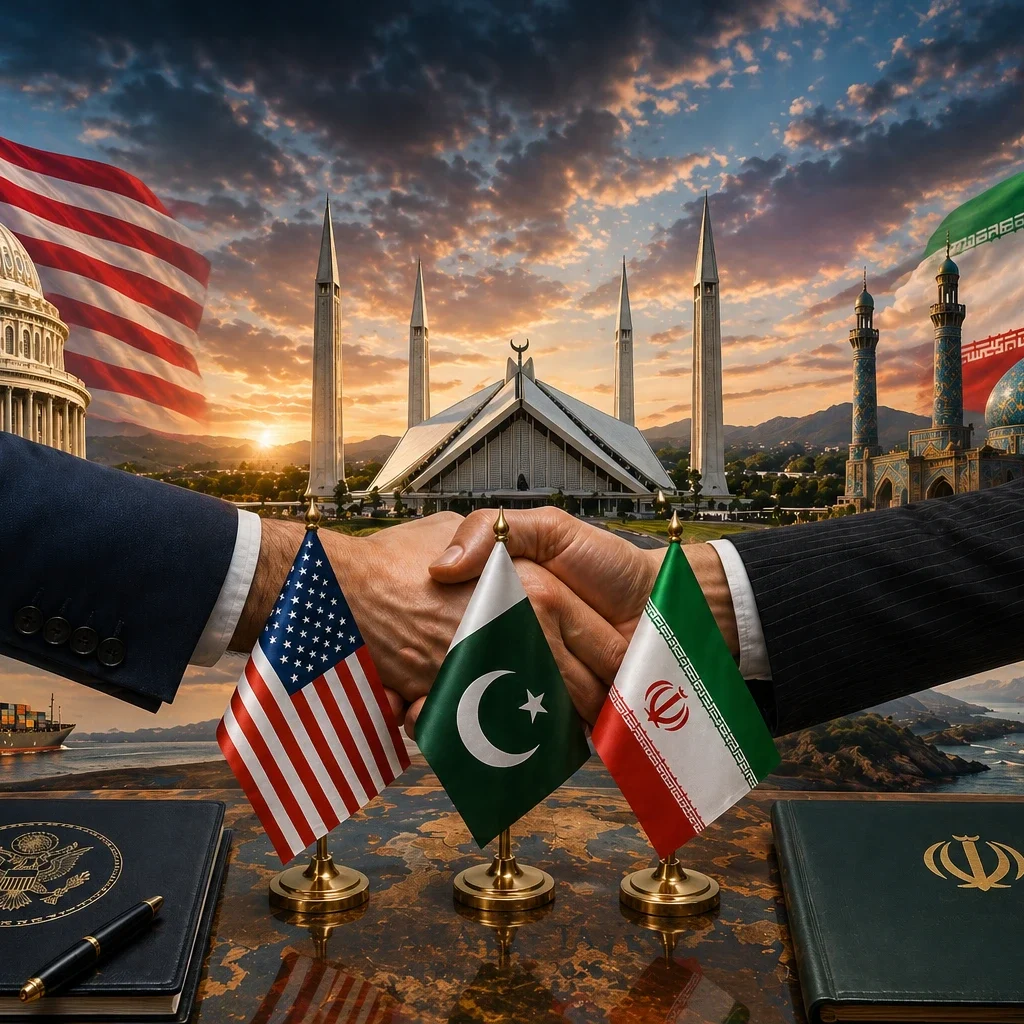
For decades, Washington designed its South Asia policy around India. April 2026 changed the calculus. The question now is whether the United States has the strategic intelligence to recognise what changed, and why.
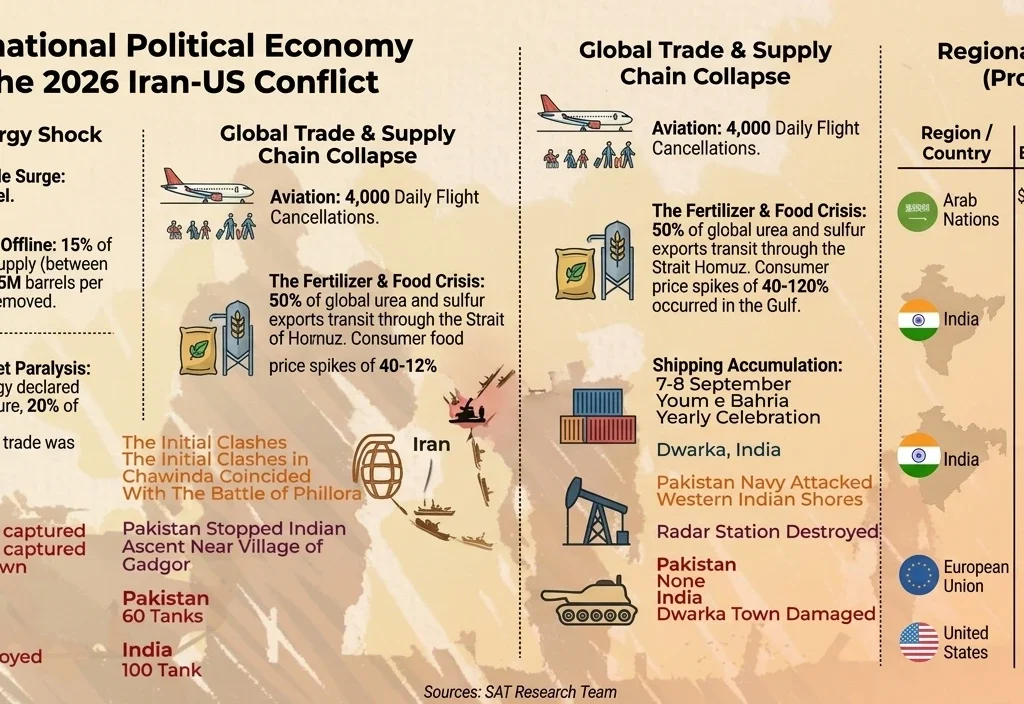
International Political Economy.
The Question of Pashtun Majority in Afghanistan: Demography, Power, and the Politics of Absence
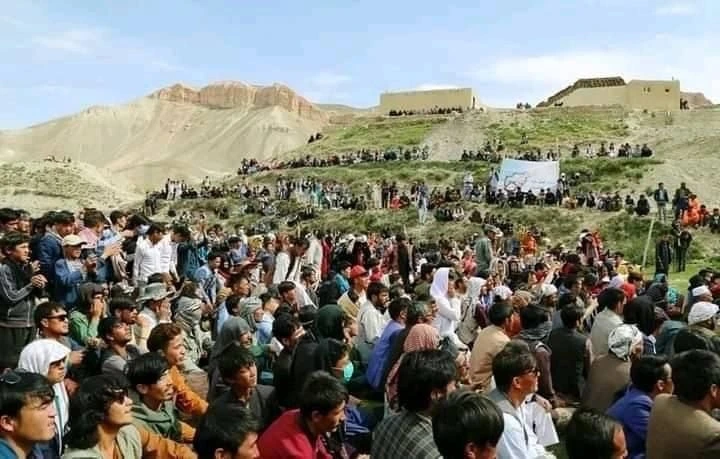
Is the Pashtun majority in Afghanistan real or a political myth? Explore how the absence of a census shapes power, governance, and ethnic tensions.
Unmasking Al-Mirsad: The Taliban’s Digital War on Pakistan
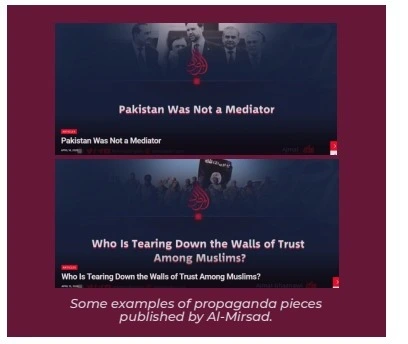
A detailed exposé on Al-Mirsad, a sophisticated propaganda arm of the Afghan Taliban’s intelligence apparatus weaponized to destabilize Pakistan through digital warfare.
The Islamabad Bridge: Navigating the Ruins of a Unipolar Order
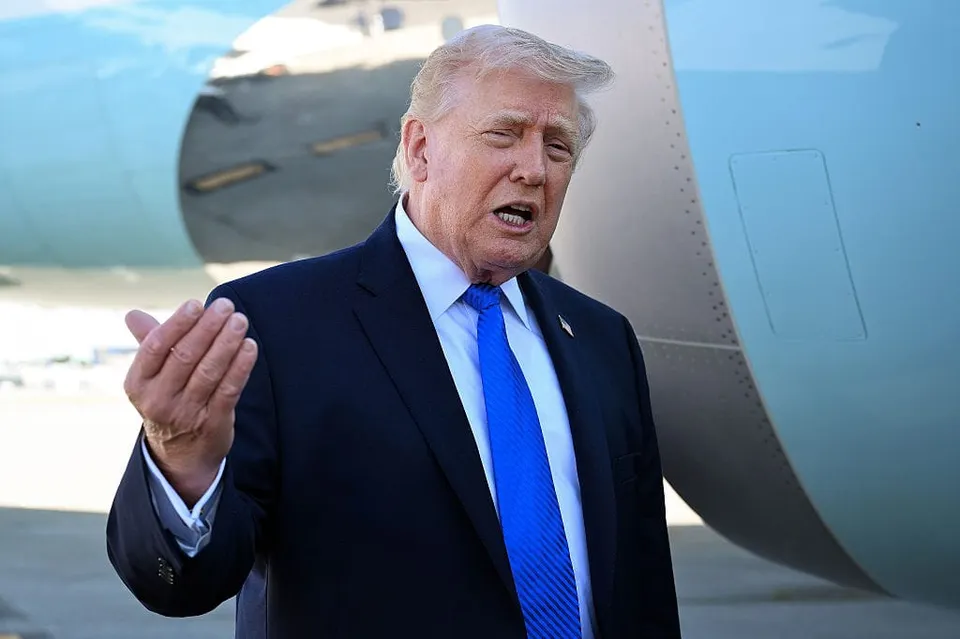
The 2026 US-Iran conflict serves as a “Suez Moment” for American hegemony, exposing the terminal decline of the post-1945 rules-based order. As US security guarantees fracture, global allies are shifting toward “major hedging” and regional autonomy to protect their own energy and economic interests. In this vacuum, Pakistan has transitioned from a frontline state to a pivotal mediator, leveraging the Islamabad Talks to define a new era of transactional multipolarity. This shift prioritizes terrestrial connectivity and local stabilization over the unilateral dictates of a distant hegemon.