
Between History and State Power: The Durand Line in a Fragmented Afghan Political Landscape”
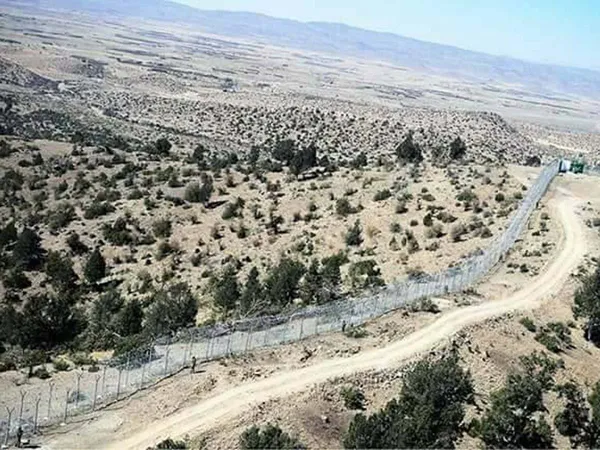
As internal Afghan factions shift toward territorial realism, the recognition of the Durand Line as a legal finality exposes the high cost of the Taliban’s extremist negligence and marks a watershed moment for regional stability.
The Return of Geography: The Significance of Maps in Contemporary Geopolitics

Geography is reclaiming its role in global politics. From CPEC to the Strait of Hormuz, strategic location now defines power, security, and economic influence.
The Mirage of “Nuclear Islamism”: Why the Pakistan-Iran Comparison Fails
This commentary critiques Brahma Chellaney’s “nuclear Islamism” narrative, arguing that grouping Pakistan and Iran ignores critical legal and strategic realities. It highlights the disparity in non-proliferation enforcement, specifically contrasting the treatment of NPT signatories with the strategic exceptions granted to India. By deconstructing ideological framing, the text advocates for a foreign policy analysis rooted in treaty architecture rather than religious identity.
Collateral Damage: The Global Poverty Toll of the 2026 Gulf Conflict
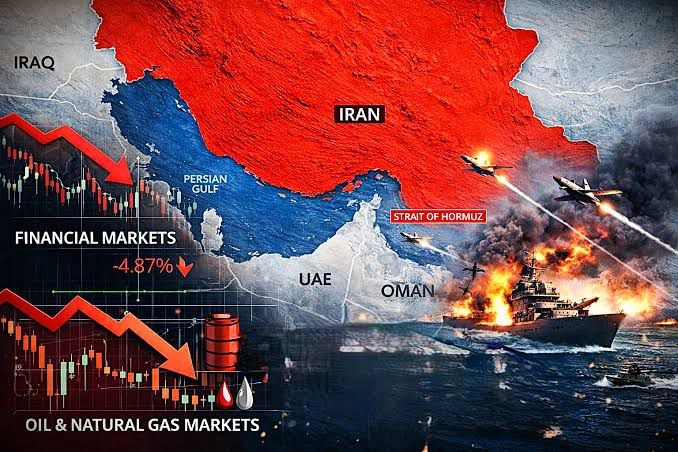
The missiles that streaked across the Iranian sky in early 2026 targeted military silos, but their impact landed squarely on the kitchen tables of the world’s poorest. This war has triggered a “triple shock” that is systematically dismantling global stability: first, an energy shock as oil prices skyrocket; second, a production shock as fertilizer supplies […]
500 Years of Shared Destiny: The Historic, Cultural, and Legal Case for Pakistan’s Integration into the Organisation of Turkic States (OTS)
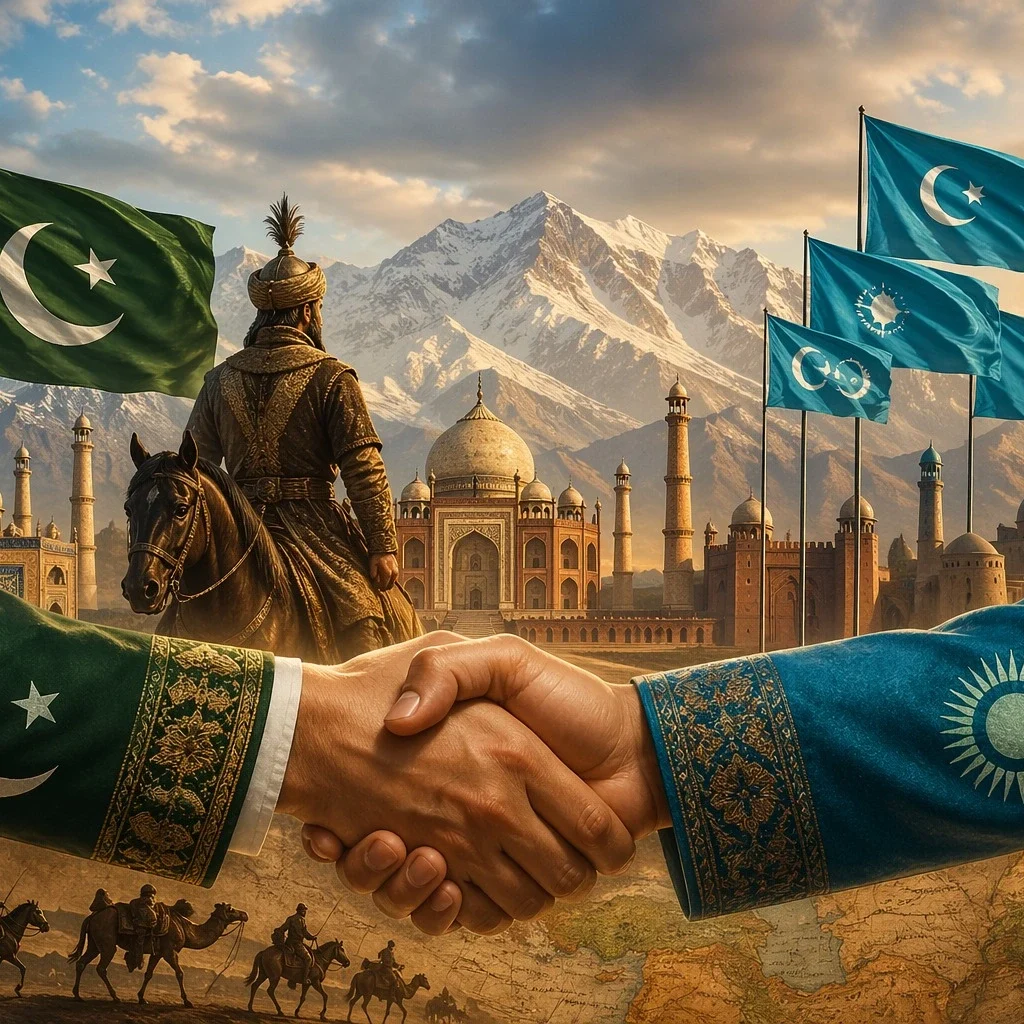
Pakistan’s integration into the Organisation of Turkic States (OTS) is rooted in centuries of shared history, Turkic heritage, and strategic cooperation. This feature explores the cultural, legal, and geopolitical case for Pakistan’s inclusion in the Turkic world order.
Is This the Pakistan Dreamt of by Allama Iqbal?
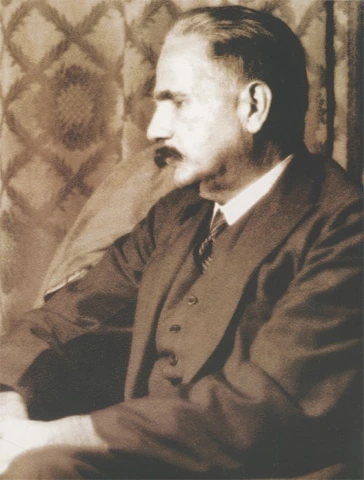
Allama Iqbal’s vision was never of a static territory but of a dynamic, evolving spirit. Often described as the Musawwir-e-Pakistan (The Painter of Pakistan), Iqbal provided the intellectual and spiritual blueprint for the nation long before it appeared on the map. In his 1930 Allahabad Address, he didn’t just demand a state; he demanded a […]
The Silent Architect—Pakistan’s Legacy of Peace
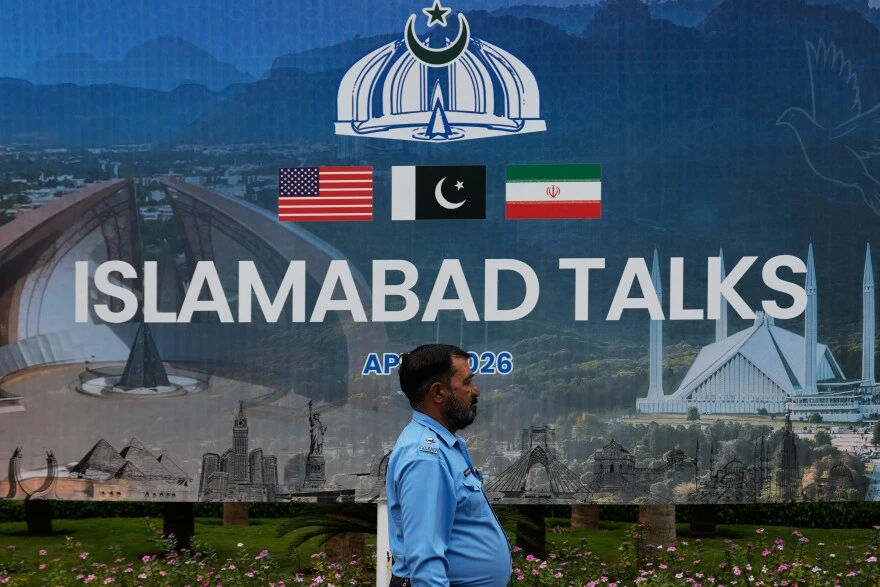
The evolution of Pakistan’s foreign policy from Cold War conduit to contemporary regional mediator, emphasizing its role in facilitating dialogue between antagonistic global powers.
Identity as a Provocation: What the Lenskart Incident Tells Us About Modern India
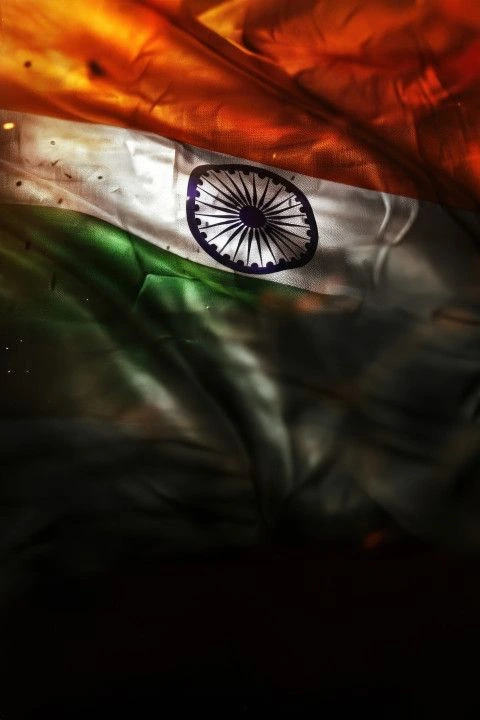
An analytical post-mortem on the weaponization of corporate identity and the validation of Jinnah’s Two-Nation Theory in the modern Indian retail landscape.
Islamabad Talks 2.0 on the Brink: US–Iran Deadlock Threatens Ceasefire, Global Economy, and Climate Stability
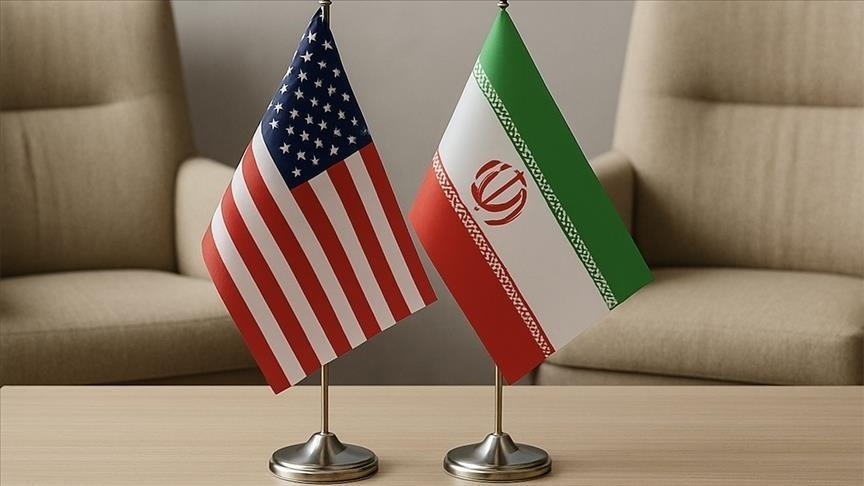
As US–Iran talks in Islamabad hits impasse, a fragile ceasefire nears expiry. Explore the global economic, energy, and climate risks if diplomacy fails.