
Bit by Bit, the Taliban is Losing Control of Afghanistan
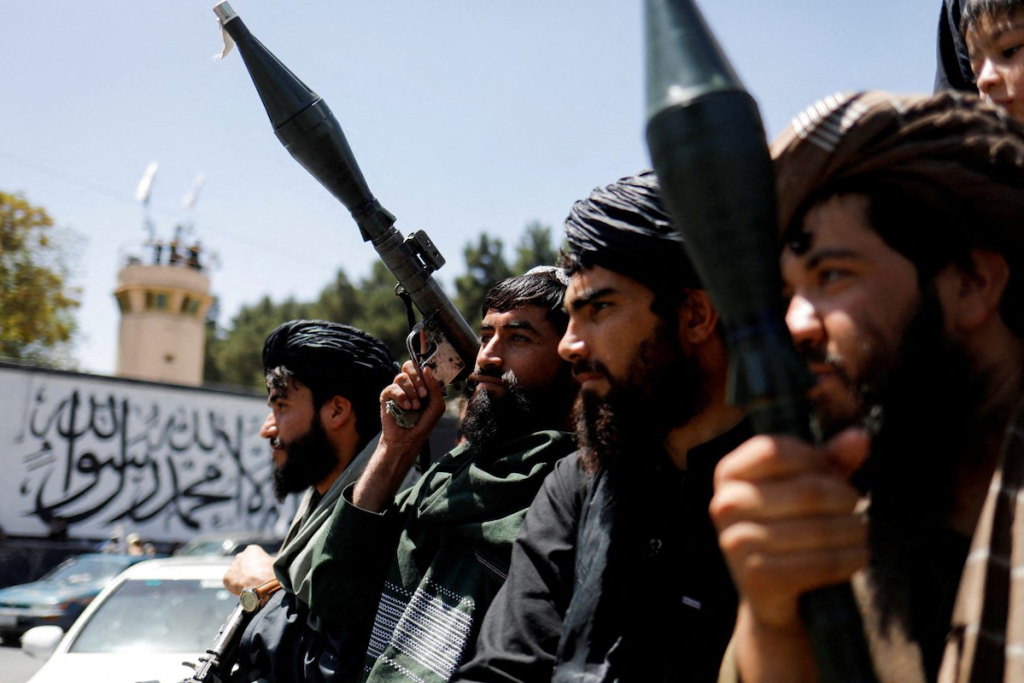
Five years after seizing Kabul, the Taliban’s strongest argument for international acceptance rests on control. The Taliban governs every provincial capital and faces no conventional army capable of marching on Kabul. It repeatedly cites improved security as proof that Afghanistan’s post-2021 order is settled. But armed resistance is becoming more geographically dispersed, more organizationally diverse […]
Why Pakistan’s Afghanistan Policy Reached a Breaking Point
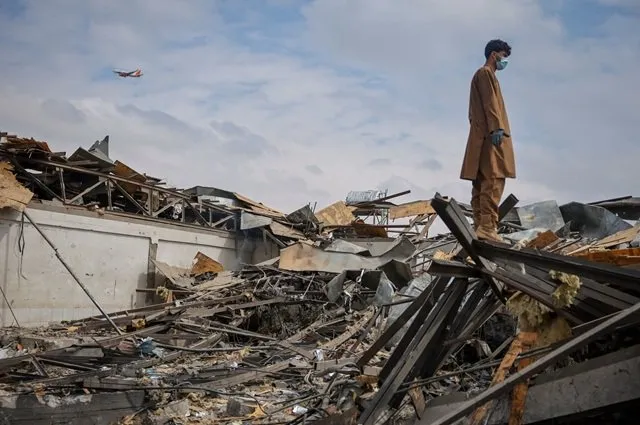
After years of religious mediation, tribal jirgas, diplomatic protests and third-party negotiations, Islamabad says repeated attacks from Afghan territory have left deterrence as its remaining option, raising the risk of a wider cycle of retaliation. Pakistan’s strikes inside Afghanistan are the latest stage of a conflict that diplomacy failed to contain. Before resorting to force, […]
Pakistan’s DC Moment
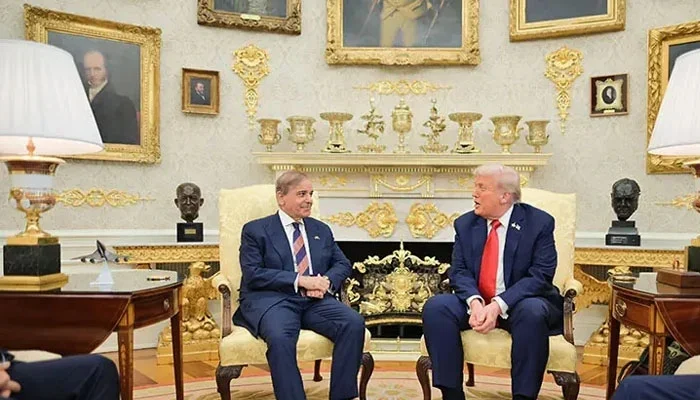
US President Donald Trump’s recent remarks about Prime Minister Shehbaz Sharif, calling him a terrific man” at the United Nations General Assembly, have once again brought Pakistan-US relations into the international spotlight. These remarks are part of a broader pattern of engagement in which the Pakistani leadership has received public recognition from President Trump, who […]
Moscow’s Selective Clean Chit to Kabul Endangers Regional Peace
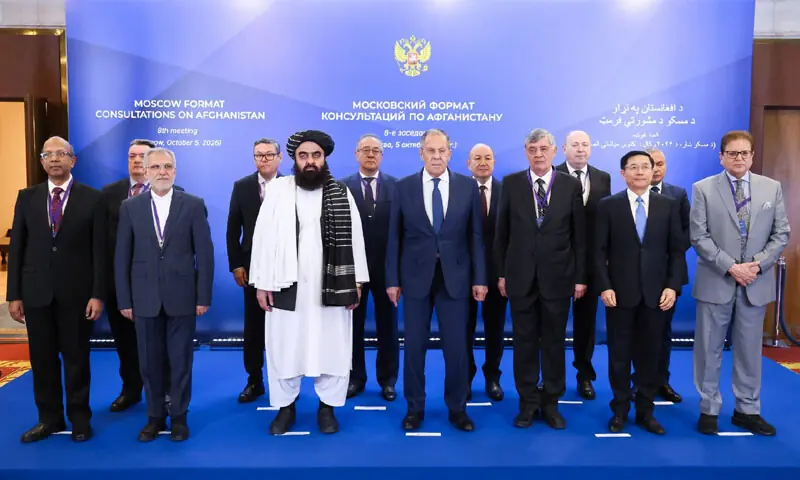
At the opening of the eighth Moscow Format consultations on Afghanistan on 5 October, Russian Foreign Minister Sergey Lavrov offered a positive assessment of the Taliban-led administration. He said it had brought the country’s territory under control and was governing it with considerable success, and he acknowledged its efforts against Daesh, other extremist groups and […]
Ignoring the TTP Leaves the Moscow Format’s Counterterrorism Hollow
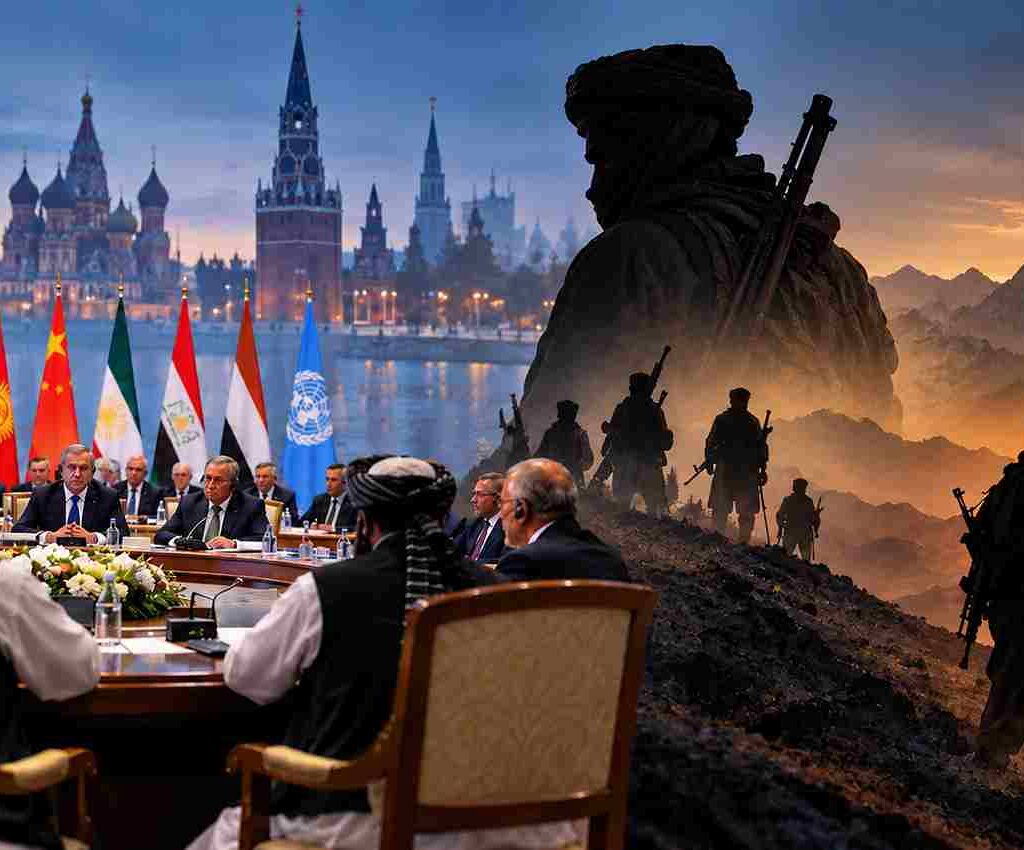
On 5 October, at the latest round of regional consultations on Afghanistan, the Taliban authorities in Kabul heard what they have long wanted to hear that they have brought their territory under control and are governing it with real success, terrorism included. For a government most of the world still declines to recognize, such praise […]
One Flag, Many Fronts: Mapping Afghanistan’s Multiplying Resistance
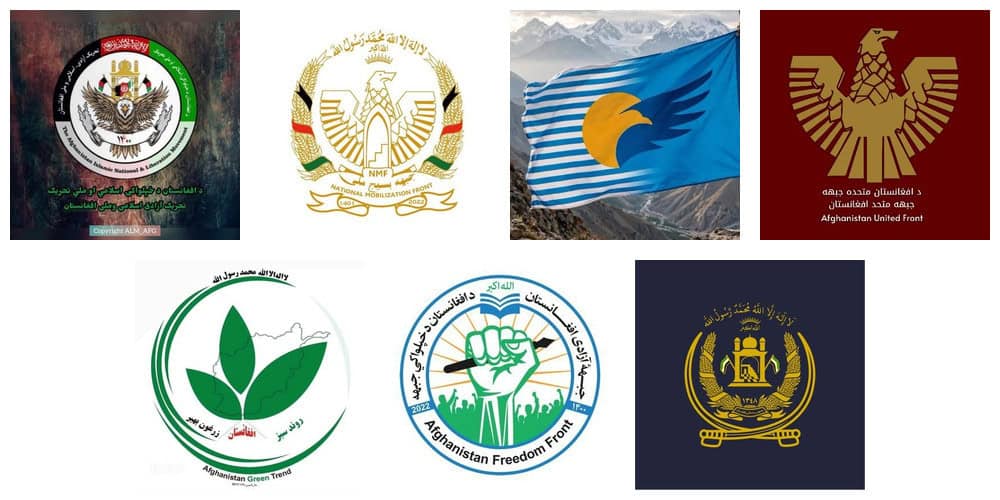
Four years after sweeping into Kabul, the Afghan Taliban is no longer confronting scattered, containable pockets of opposition. It is facing a resistance landscape that has grown more geographically dispersed, more organisationally diverse, and more operationally capable, and the regime’s own governance choices are the primary driver of that expansion. From Fragmentation to a Multi-Front […]
When Cheap Drones Challenge Expensive States
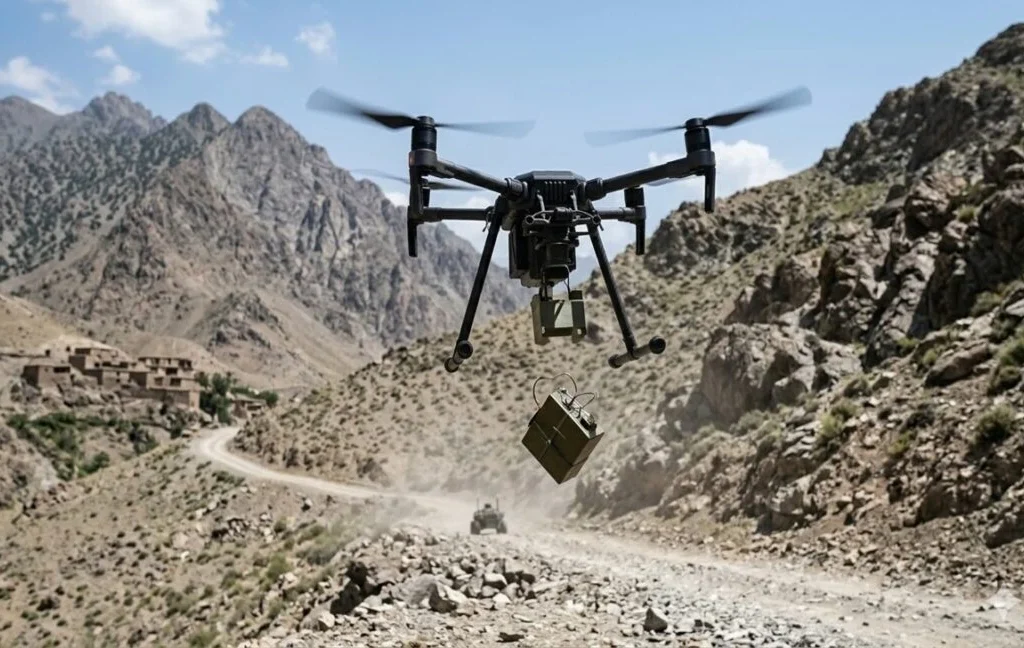
For decades, the dynamics of violence in Pakistan’s North-West rested on an obvious asymmetry. The state had aircraft, artillery, satellite surveillance and successive layers of intelligence networks, while the militants used concealment, ambush and the suicide vests. Over the hills of Khyber Pakhtunkhwa, this asymmetry has now delicately turned upside down, not through a new […]
Fighting Terror in the Court

Pakistan has spent more than two decades fighting terrorism, but arresting suspects has never been the only challenge. The real test is whether the state can investigate them, produce admissible evidence, protect those involved in the case and secure convictions through the courts. The cost of terrorism has been enormous. According to the National Counter […]
Fragmented Monopoly Shatters as Internal Resistance Envelops Afghanistan
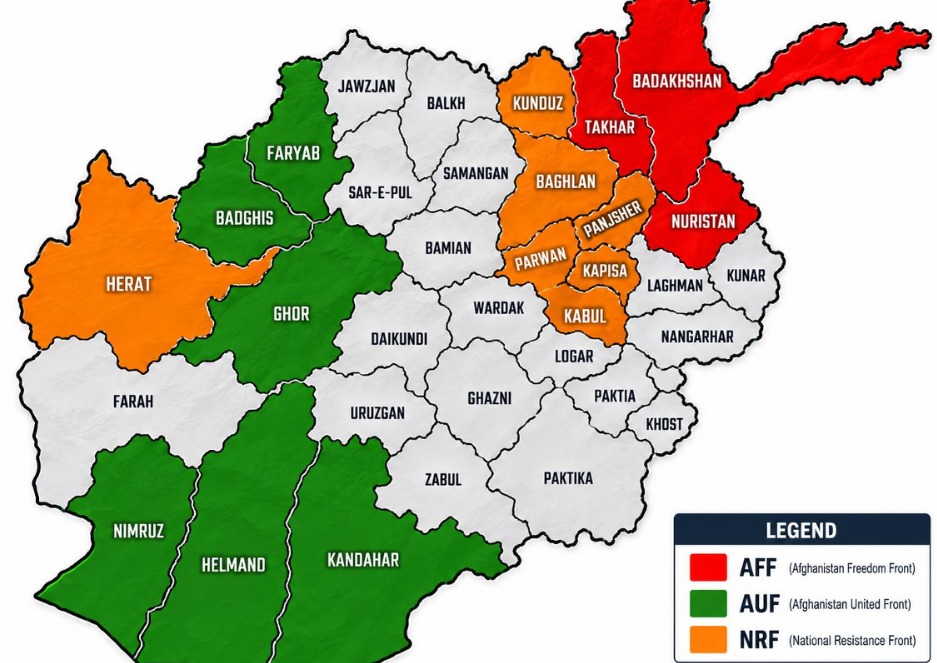
The rapid expansion and geographical diversification of armed resistance across Afghanistan mark a decisive collapse of the Taliban’s monopolistic governance model. During August and September 2026 alone, insurgent formations executed 119 attacks across 26 provinces, inflicting over 250 fatalities on regime forces. This widespread tactical surge demonstrates that domestic opposition has evolved from localized skirmishes […]