Hydro-Diplomacy Under Siege: The Legal Fragility of India’s Treaty Abeyance
Hydro-Diplomacy Under Siege: The Legal Fragility of India’s Treaty Abeyance The Indus Waters Treaty (IWT) has long been cited as one of the world’s most

Hydro-Diplomacy Under Siege: The Legal Fragility of India’s Treaty Abeyance The Indus Waters Treaty (IWT) has long been cited as one of the world’s most

Amjad Taha’s narrative on Indian tanker Sanmar Herald (April 18, 2026) aims to disrupt Pakistan-mediated peace efforts. While citing “piracy” to bolster a pro-Israel stance, Taha ignores the strategic success of Islamabad’s diplomacy, which has maintained safe passage for Pakistani vessels, contrasting with the targeted, restricted movement of vessels in the re-imposed exclusion zone.Â

Washington claims victory, Tehran warns of war, and the IRGC loses patience. Is this the dawn of a new peace, or just a mirage in the desert?

The “completely open” Strait of Hormuz is a major win for diplomacy, but at what cost? We dive into the hidden terms of the deal and the fragile future of the Middle East.

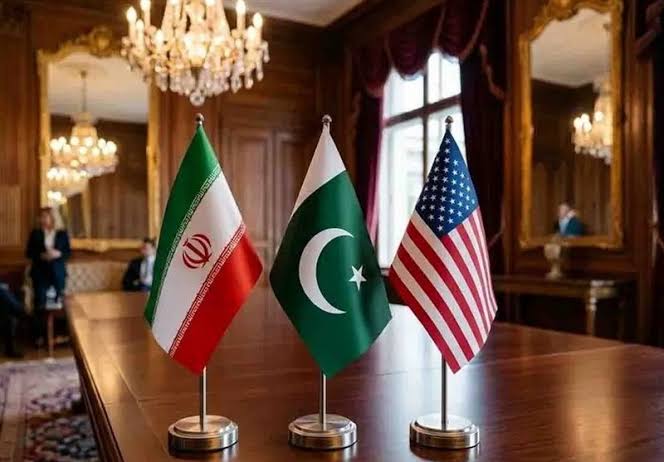
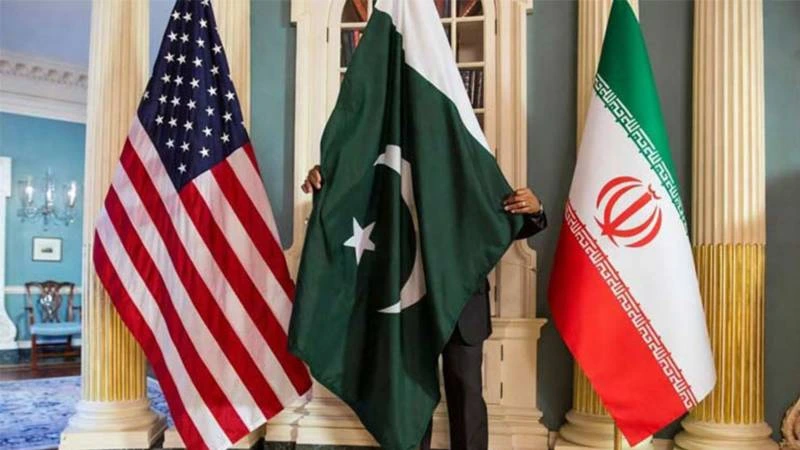
Dive into an analytical perspective of the 2026 Islamabad Talks between the US and Iran. Despite a deadlock, discover why Pakistan’s historic mediation is a major geopolitical victory that averted a global crisis.

Explore how Pakistan is reclaiming its historical role as a global peace broker by facilitating a pivotal ceasefire between the US and Iran.

The ceasefire efforts led by Pakistan face uncertainty as US rhetoric escalates tensions with Iran. Explore how the conflict risks disrupting Asia’s energy security, economic stability, and climate goals.

Explore why the US Director of National Intelligence’s claim of a Pakistani missile threat to the American homeland is a strategic mischaracterization. This analysis breaks down Pakistan’s regionally confined “credible minimum deterrence” and the double standards in Washington’s treatment of South Asian nuclear powers.

Pakistan’s neutrality in the US-Israel War against Iran highlights its rise as a middle power, leveraging diplomacy, mediation, and multi-vector foreign policy to shape regional stability in a changing global order.

Analyze how the perception of Iran as a regional menace is a strategically constructed narrative by the US and Israel. Explore the impact of the US security architecture in the Gulf, the collapse of the JCPOA nuclear framework, and how these policies foster enduring instability and militarization in the Middle East.