The American Dream May now Become Harder for Indians to Achieve

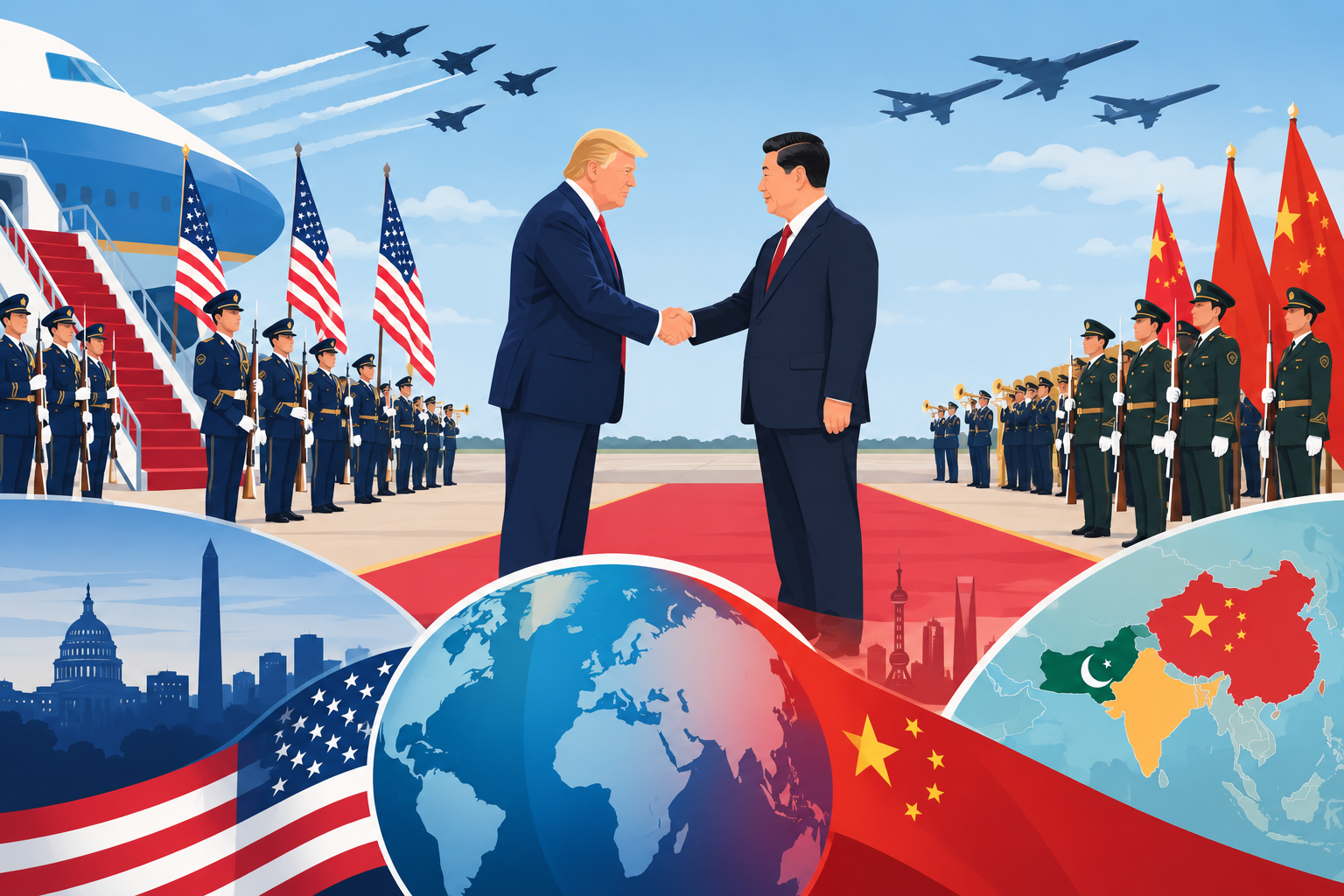
India’s tech labor market is under threat from President Trump passing an executive order to stop issuing visas to people working in these industries. The executive order comes in a time when the American job market is trying to recover from the ill effects caused by the coronavirus pandemic. One of how the American government is trying to help the economy recover is by hiring only American citizens rather than importing skilled labor from abroad. 


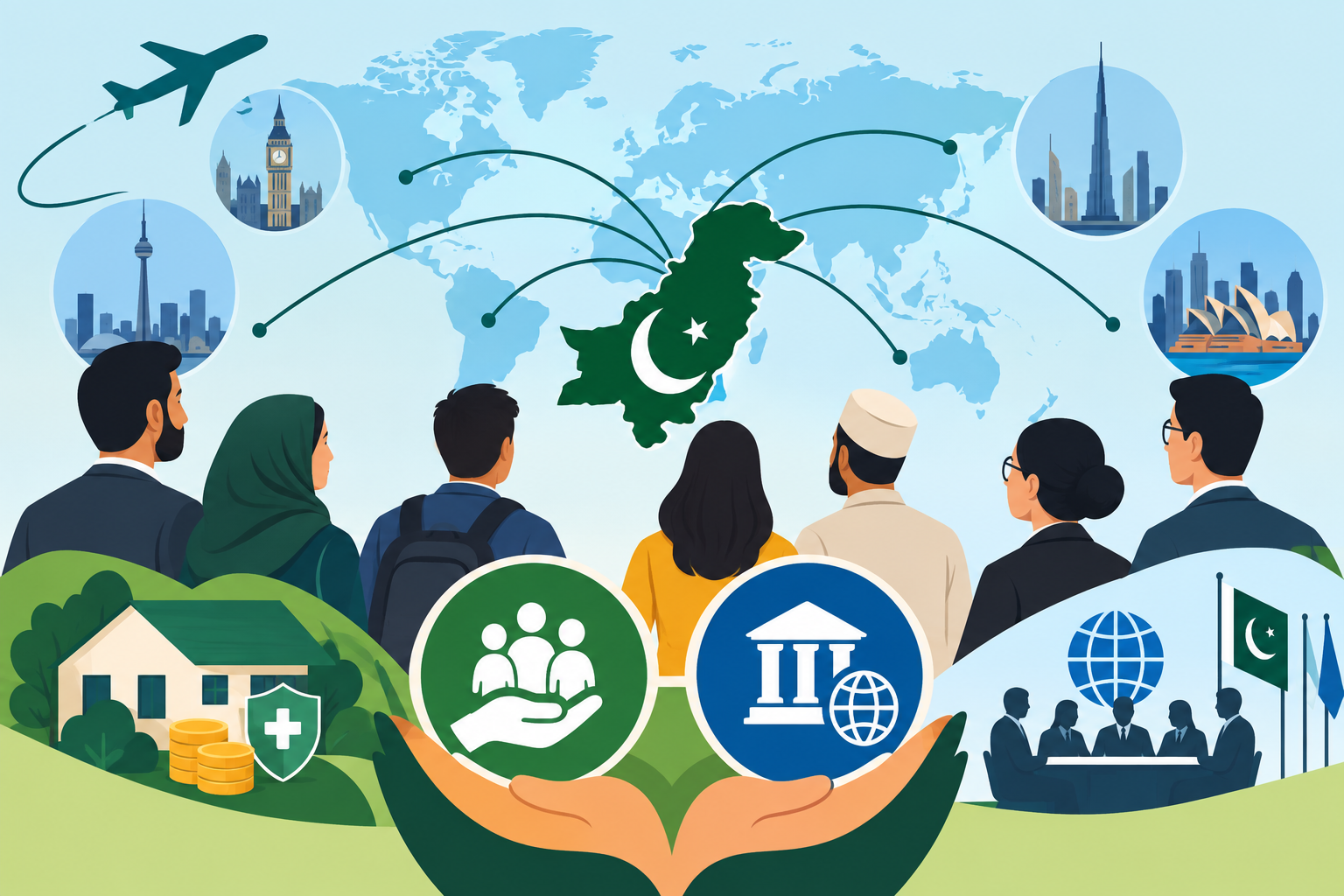
Due to travel restrictions and consulate closures all over the world, companies are already struggling with many employees working from home. India\’s technology trade group, Nasscom, called Trump\’s order is \”misguided and harmful to the US economy\” and warned it would exacerbate the country\’s economic pain. It also said that as an alternative to working in the US, companies would then start sending employees to places such as Canada or Mexico instead. \”These are highly-skilled workers who are in great demand and they will be mobile no matter what,\” said Shivendra Singh, president of global trade development at Nasscom.


India accounts for about 70 percent of the 85,000 H-1B visas issued annually, according to immigration data. The fact that Indian outsourcers collect a substantial share of the visas each year has made the program controversial, with critics arguing that companies abuse the system by replacing American workers with cheaper foreign labor. Trump’s administration may also be looking at overhauling the system, making it merit-based instead of the current lottery-based system in place. Giving talent a preference over luck, enabling better, high skilled people to earn more salaries in the United States. 


\”The temporary suspension of the H-1B visa program till December 2020 will hamper the execution of pipeline and new projects coupled with margin impact resulting from higher onshore hiring,\” credit rating company ICRA said in a note last week.


Among the other critics of the order were Alphabet Chief Executive Officer Sundar Pichai, Microsoft President Brad Smith, and Tesla founder Elon Musk. However, some companies like Tata, Infosys, and Wipro, among the largest outsourcing companies in Asia refused to comment on the ongoing events

Mishaal Mariam Moin

Mishaal Mariam Moin

Mishaal Mariam Moeen, an author and mixed media artist, expresses her creativity through written words and visual art forms.
Recent

Centralized Power and the Core–Periphery Divide in Afghanistan

Centralized Power and the Core–Periphery Divide in Afghanistan

The Islamic Emirate of Afghanistan’s return in 2021 brought rapid consolidation of power, but also the revival of a historical flaw. By concentrating authority in the hands of southern Pashtun elites, the Taliban have recreated the core–periphery divide that has destabilized every Afghan regime since the 19th century. This hyper-centralization, rooted in ethnic exclusivity and Kandahar dominance, risks a repeat of past collapses as non-Pashtun regions turn toward functional autonomy.

Read More »
Broken Promises: The Taliban’s Betrayal of Global Commitments

Broken Promises: The Taliban’s Betrayal of Global Commitments

Nearly three years after seizing power, the Taliban’s systematic violation of their international commitments under the 2020 Doha Accord has transformed Afghanistan into a sanctuary for terrorism, entrenched an autocratic regime, and institutionalized gender apartheid. Beyond moral failure, this deceit poses a grave threat to regional stability, international counterterrorism efforts, and the credibility of global diplomacy. Holding the regime accountable is now a strategic necessity, not a choice.

Read More »
Do You Remember 6/11/ 1947?: A Forgotten Jammu Genocide and the Continuing Erasure of Kashmiriyat

Do You Remember 6/11/ 1947?: A Forgotten Jammu Genocide and the Continuing Erasure of Kashmiriyat

On November 6, 1947, one of South Asia’s earliest genocides unfolded in Jammu, where hundreds of thousands of Muslims were massacred or forced to flee. Yet, unlike other global tragedies, this atrocity remains buried in silence. The Jammu Genocide not only reshaped the region’s demography but laid the foundation for India’s ongoing campaign of identity erasure in Kashmir. From demographic engineering to cultural censorship, the spirit of Kashmiriyat continues to face systematic annihilation.

Read More »
India’s Climate Policy after COP28: Net Zero 2070 — A Fair Promise or a Risky Postponement?

India’s Climate Policy after COP28: Net Zero 2070 — A Fair Promise or a Risky Postponement?

India’s Net Zero 2070 target reflects a delicate balance between development equity and climate urgency. While progress in renewables, green finance, and adaptation is visible, the absence of clear interim milestones risks turning ambition into delay. The real challenge lies in translating a distant horizon into measurable, near-term climate action before 2030.

Read More »
The Tehreek-e-Hijrat of 1920 and Its Parallels with Contemporary Refugee Politics

The Tehreek-e-Hijrat of 1920 and Its Parallels with Contemporary Refugee Politics

The Tehreek-e-Hijrat of 1920 saw thousands of Indian Muslims migrate to Afghanistan, only to be turned away when Kabul could no longer cope. A century later, Afghan officials criticise Pakistan’s refugee policies while ignoring their own historical refusal to host Muslim migrants. The parallel reveals not just irony, but the enduring challenge of compassion, capacity, and collective responsibility.

Read More »