
Rethinking Pakistan’s Constitutional Changes
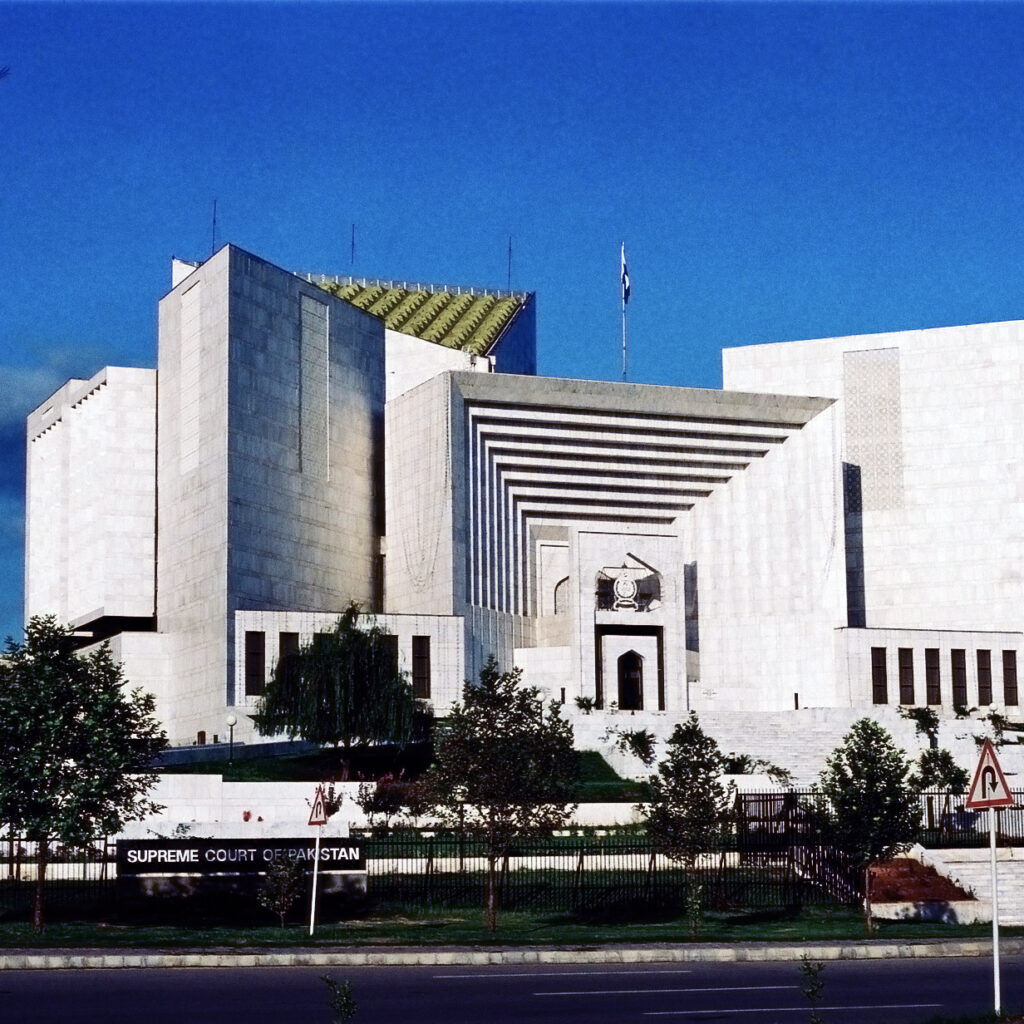
The 27th Amendment reforms Pakistan’s judiciary with specialized courts and accountable appointments, reflecting global democratic practices.
The Structural Costs of Hindutva Governance

India’s shift toward Hindutva governance has transformed identity into policy. As citizenship, culture, and power merge, over 28 crore minorities are pushed to the margins—fracturing institutions, normalising exclusion, and leaving long-term scars on the republic’s social fabric.
The End of Venezuela’s Bolivarian Era
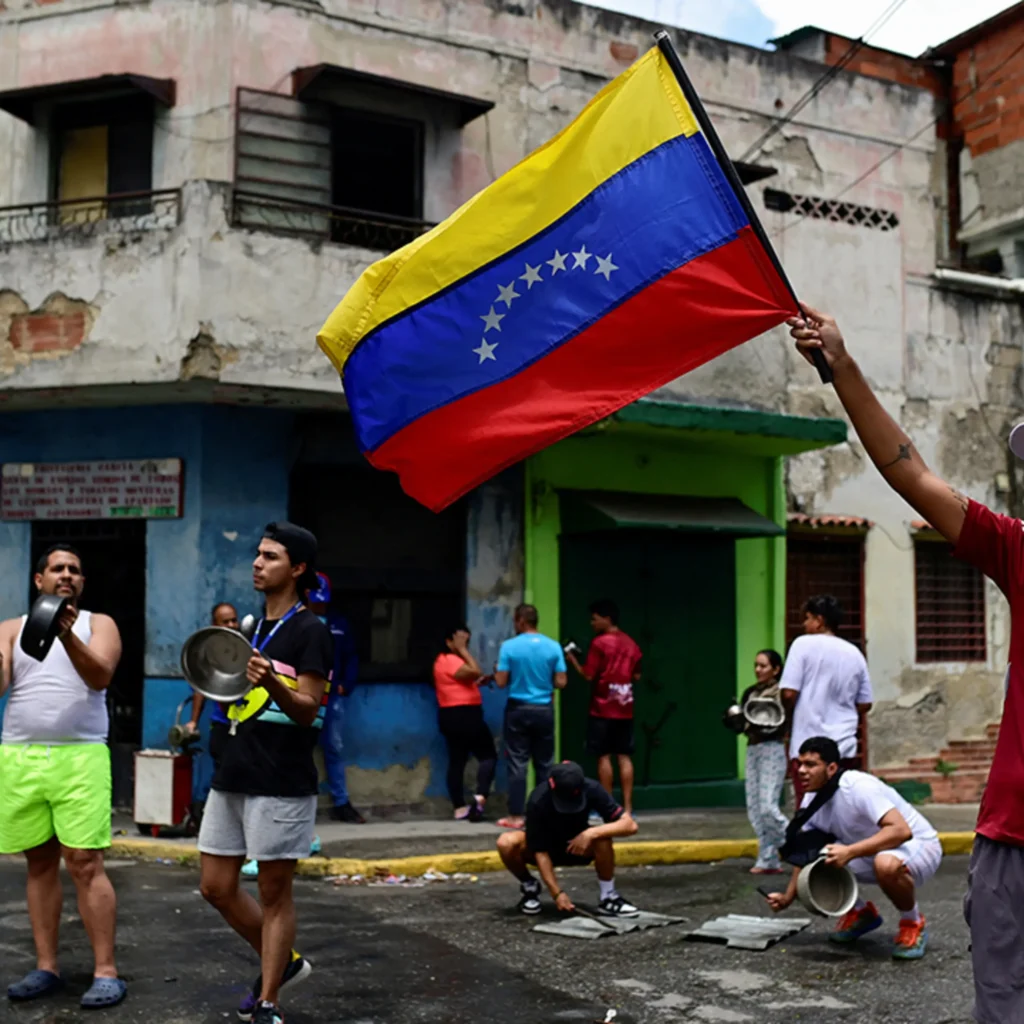
On January 3, 2026, the capture of Nicolás Maduro by US Special Forces brought a thunderous end to twenty-five years of Bolivarian rule. As Washington moves to oversee the reconstruction of Venezuela’s energy infrastructure, the world is left to grapple with the return of naked unilateralism and the uncertain future of a nation sitting atop 300 billion barrels of oil.
Khamenei, the Bazaar, and Protests

Ayatollah Ali Khamenei’s January 3, 2026 address reflects an Islamic Republic under acute economic and social strain. By validating bazaar grievances while condemning protest tactics, the leadership seeks to divide dissent and preserve regime authority amid a collapsing Rial.
Khalilzad on ISKP, TTP, and Pakistan
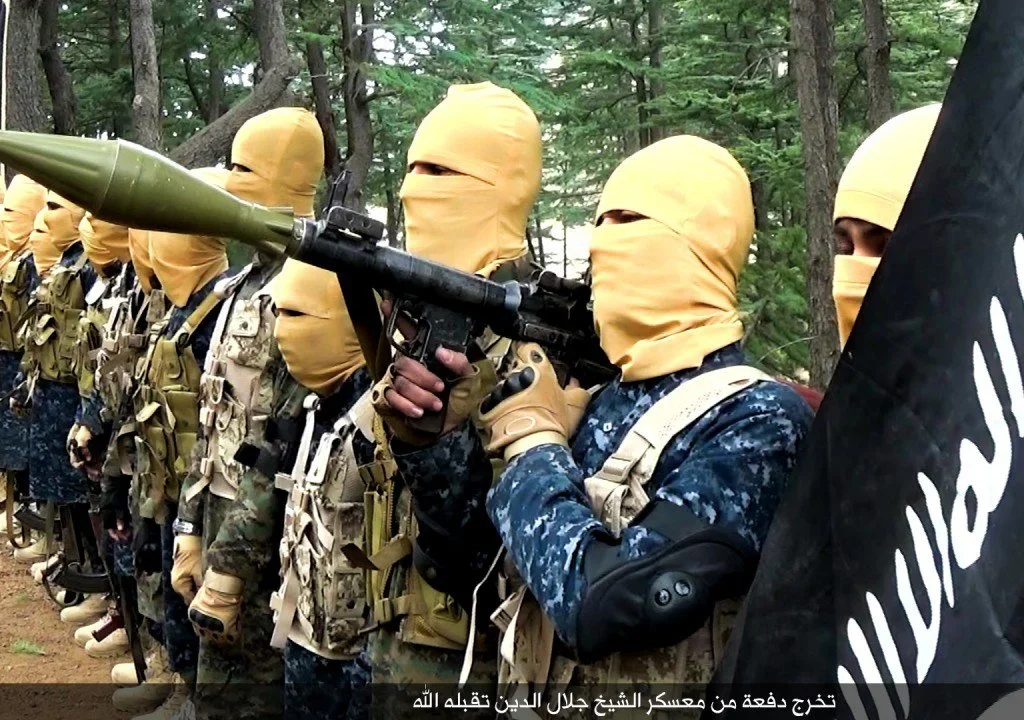
Zalmay Khalilzad’s Tolo News interview exposes ambiguities in US policy toward Taliban-ruled Afghanistan. His remarks on ISKP, the TTP, and Pakistan reflect an effort to normalize the Taliban while shifting responsibility for regional instability, drawing false equivalences between alleged ISKP cells in Pakistan and the openly operating TTP in Afghanistan.
Yemen’s War Within a War
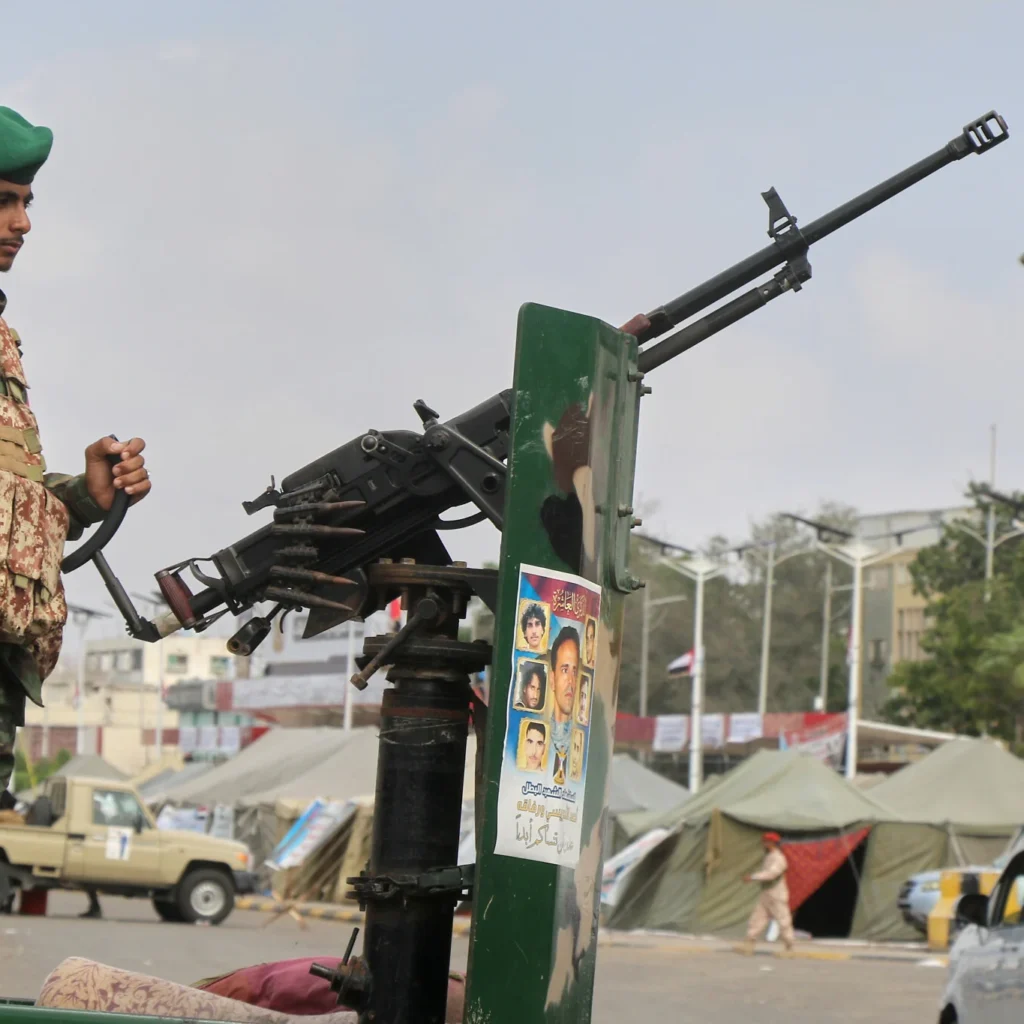
Renewed hostilities in Yemen’s eastern Hadramout governorate signal more than a local power struggle—they reveal a deep structural fracture within the anti-Houthi camp. As UAE-backed Southern Transitional Council forces push into areas held by Saudi-supported government units, the collapse of the Riyadh Agreement risks reviving extremist sanctuaries, destabilizing Red Sea security, and accelerating Yemen’s slide toward permanent partition.
Taliban:Three Decades of Faith, Fear, and Erasure

For nearly three decades, the Taliban have pursued a singular vision of faith enforced through violence and law. From massacres and forced identification under the first Emirate, to insurgent-era sectarian terror, and now a legal architecture of exclusion, their rule has steadily erased Afghanistan’s religious pluralism, pushing minorities toward extinction.
Pakistan’s Digital Escape Route

Pakistan’s reliance on import-heavy exports has repeatedly triggered balance-of-payments crises. The Digital Nation Pakistan Act 2025 positions IT as a zero-raw-material export capable of delivering scalable growth, fiscal stability, and long-term economic resilience.
The Weaponization of the Rivers

The Indus Waters Treaty is facing its gravest test as India’s unilateral actions on the Chenab transform water from a shared resource into a tool of coercion. In a climate-stressed region, disrupted river flows and suspended data sharing threaten Pakistan’s agrarian economy, food security, and regional stability.