
The New Architecture of US–Pakistan Relations

Andy Halus’s interview signals a strategic shift in US–Pakistan relations from security-centric ties to a multidimensional partnership centered on minerals, education, and soft power. Projects like Reko Diq now stand as the key test of this new architecture.
ISKP, the Taliban, and TTP: Leadership, Recruitment, and Regional Security Dynamics in South Asia
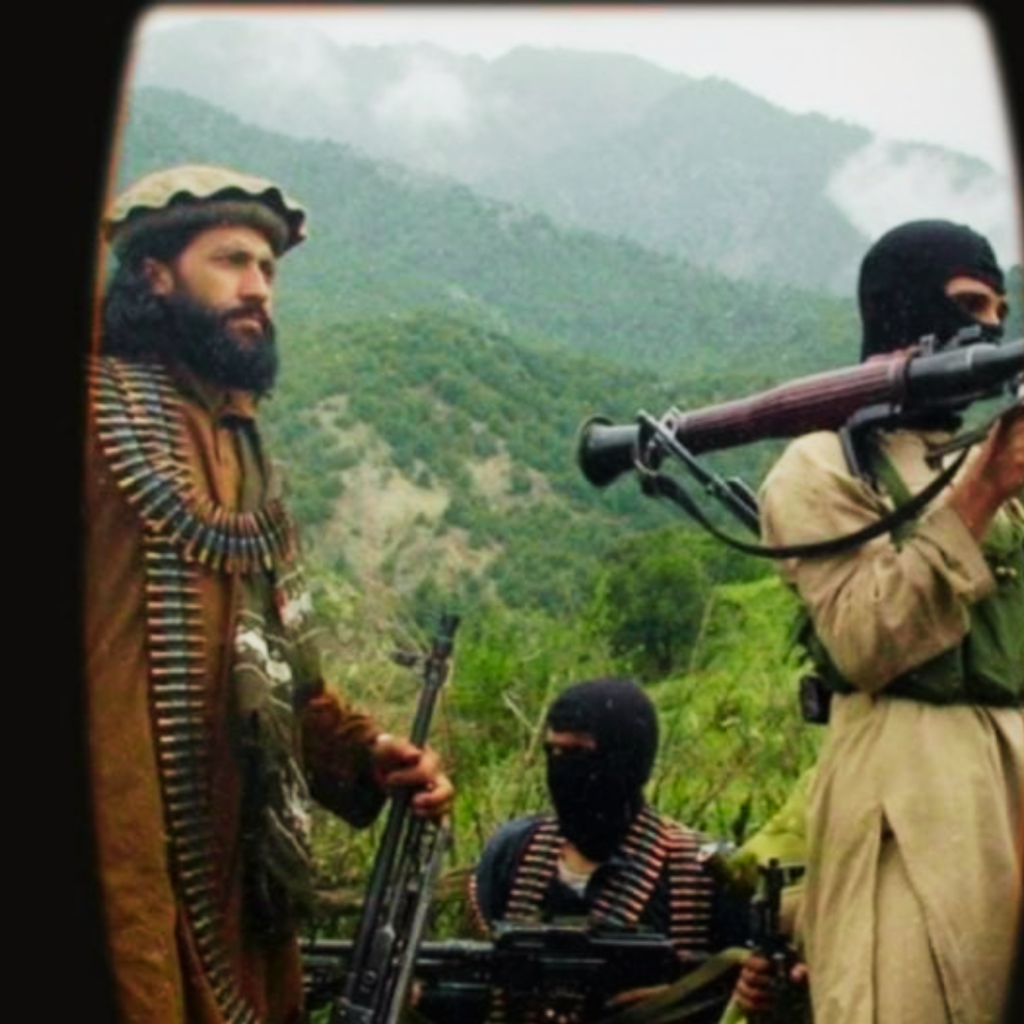
ISKP–Taliban–TTP dynamics explain post-2021 militancy, leadership rivalries, recruitment shifts, and regional security risks in South Asia.
When Insurgents Become Governments: From Rebellion to Rule
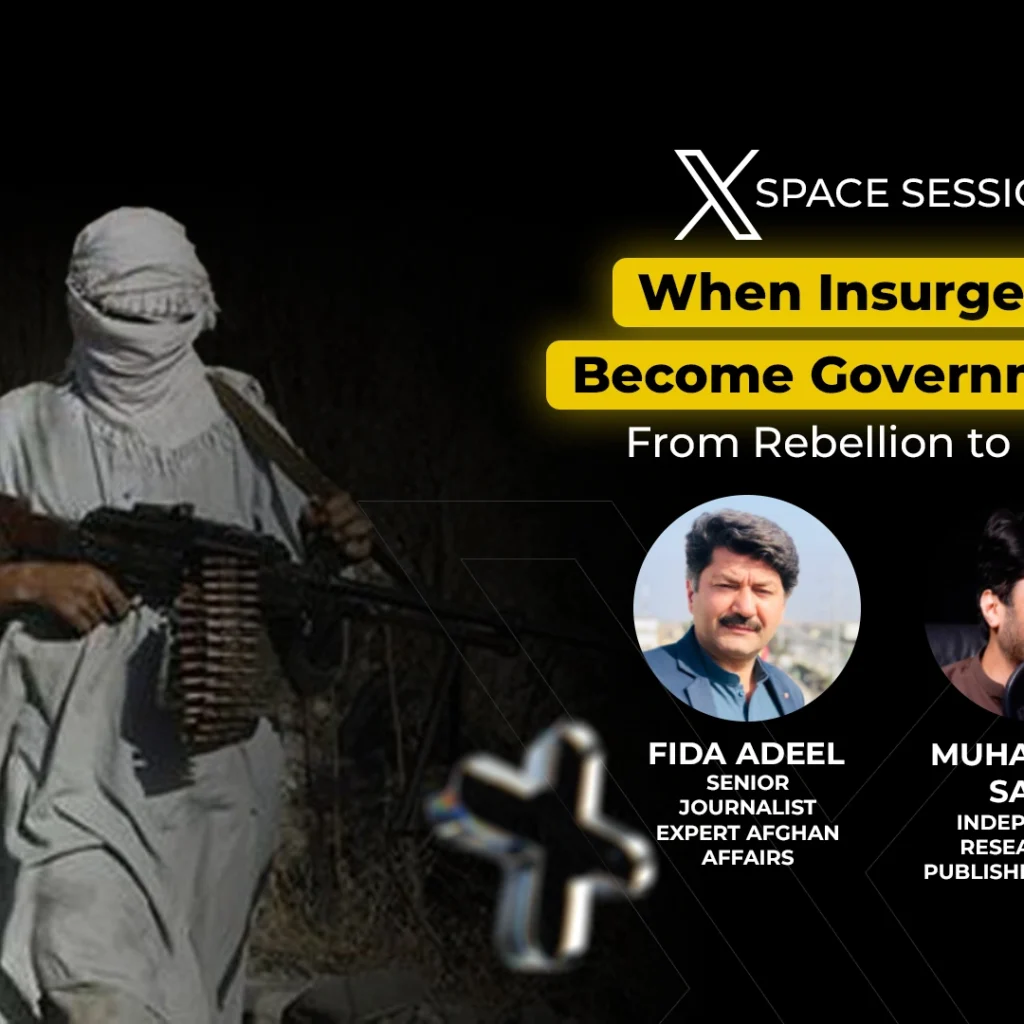
This SAT X Space explored how insurgent groups shift from rebellion to rule, comparing the Taliban’s rigid governance in Afghanistan with Syria’s fragmented but evolving post-insurgent landscape, and assessing regional security implications.
The New Dutch Disease

The Dutch Disease has evolved. In today’s Global South, it is no longer driven only by oil and gas but by aid, remittances, and strategic rents that create fragile, consumption-led economies while eroding state capacity, productivity, and social trust.
Extractive Rule and Ethnic Fault Lines in Afghanistan
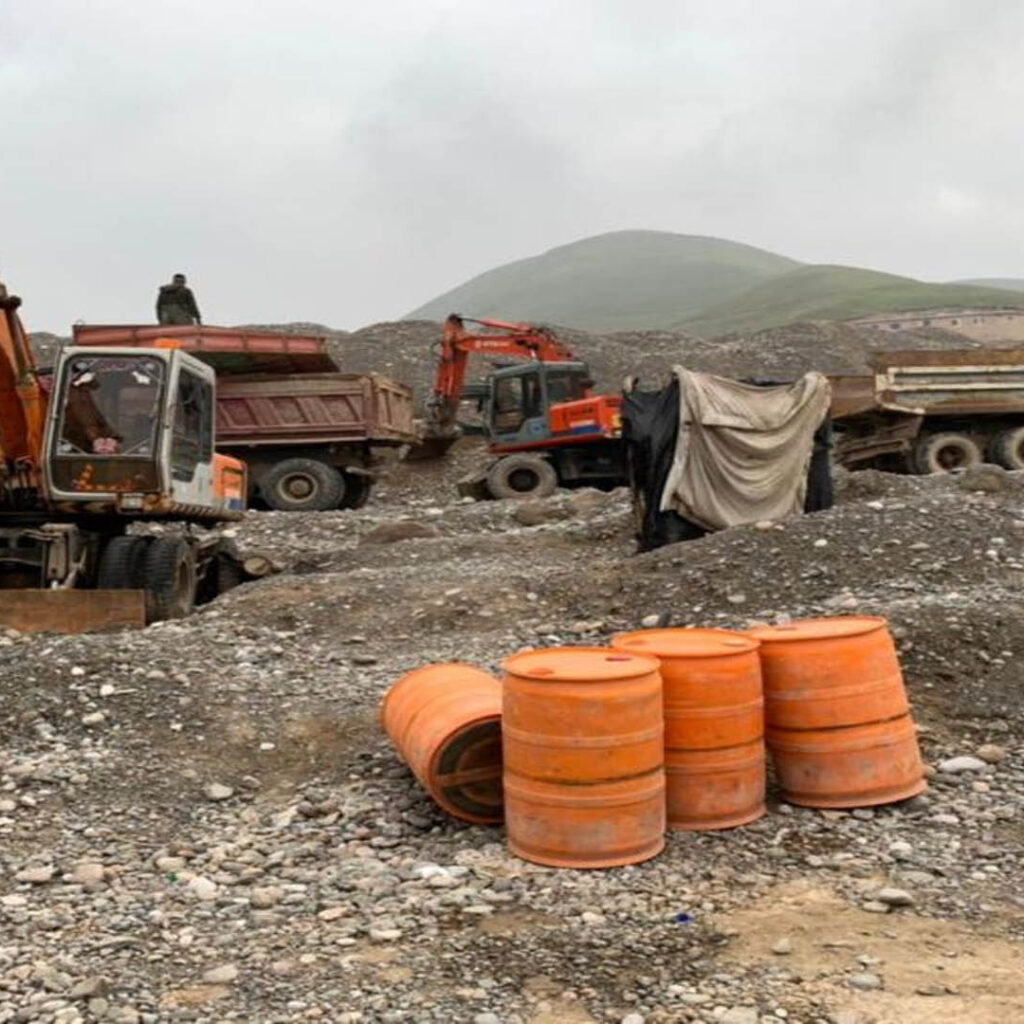
The halt of gold mining in Badakhshan reveals deeper fault lines in Taliban rule, where centralized extractive ambitions collide with ethnic grievances, local resistance, and fragile investor confidence, particularly involving China.
The Revival of Ethnic Engineering in Northern Afghanistan

The reported TTP attack in Takhar is not an isolated security incident but part of a deeper historical pattern of ethnic engineering in northern Afghanistan. Tracing its roots to 19th-century state-building policies, the article examines how militant proxies, demographic displacement, and settler strategies are once again reshaping Tajik-majority regions under Taliban rule.
US-China Rivalry in the Indo-Pacific: Shaping Security and Power Dynamics

US–China rivalry in the Indo-Pacific is reshaping security, economics, and diplomacy, forcing nations to balance power and alliances.
The Illusion of Control in the Age of Disinformation
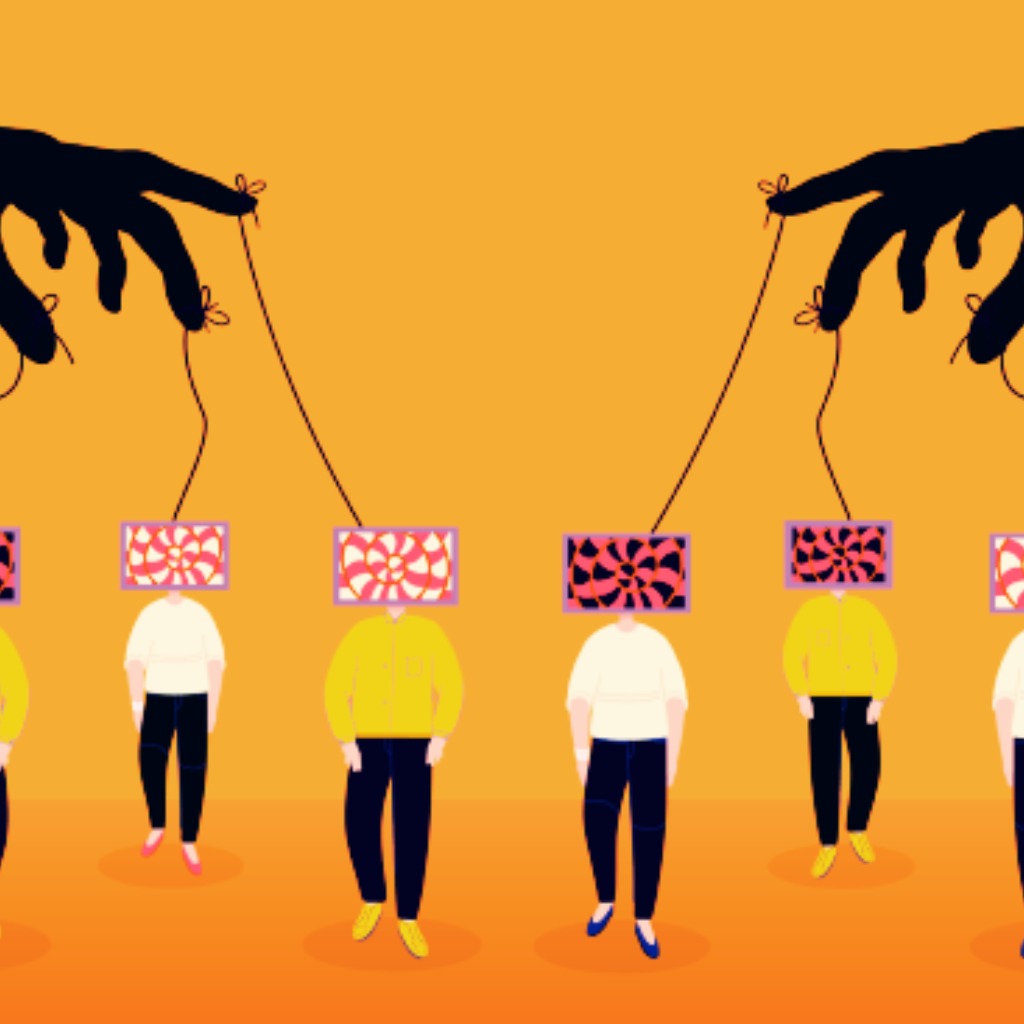
Censoring information creates the illusion of control, but transparency, access, and critical thinking are key to combating disinformation.
Rethinking Pakistan’s Constitutional Changes
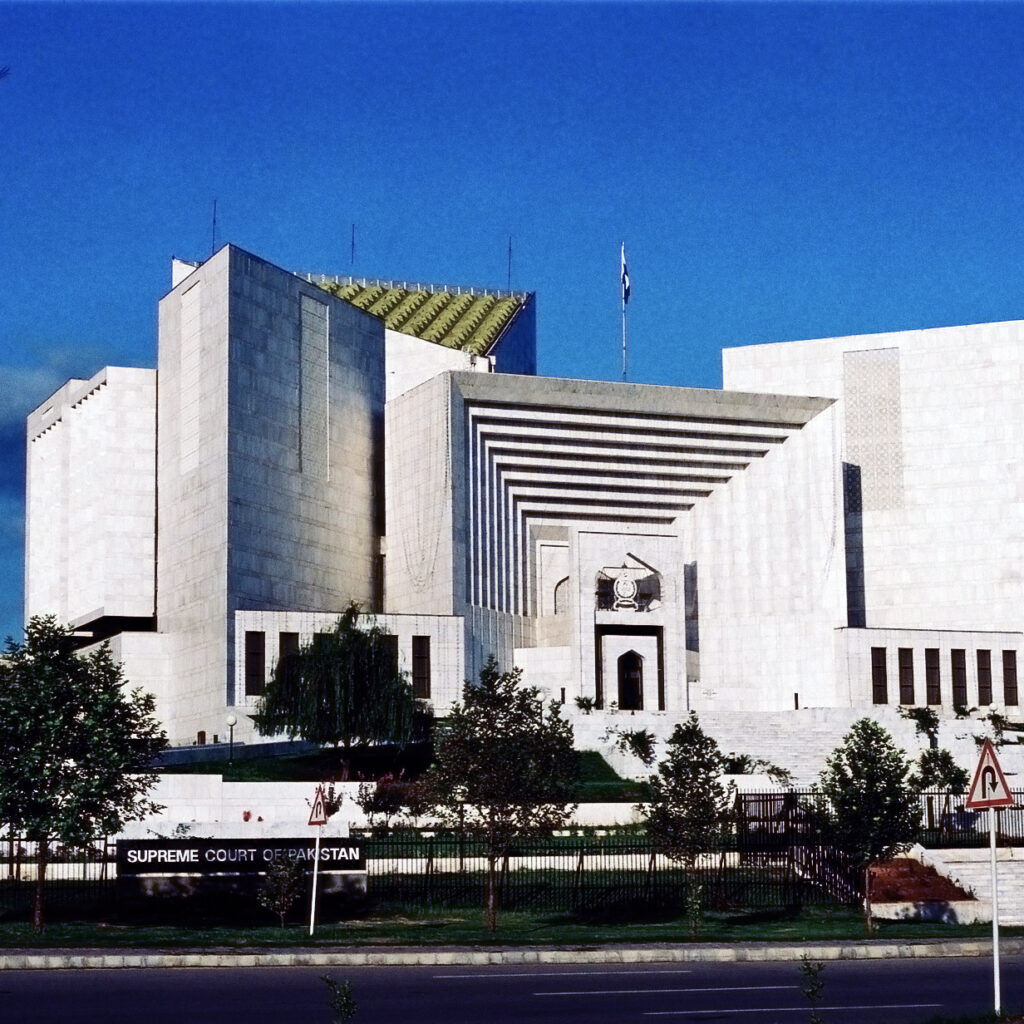
The 27th Amendment reforms Pakistan’s judiciary with specialized courts and accountable appointments, reflecting global democratic practices.