
A Fugitive Insurgency
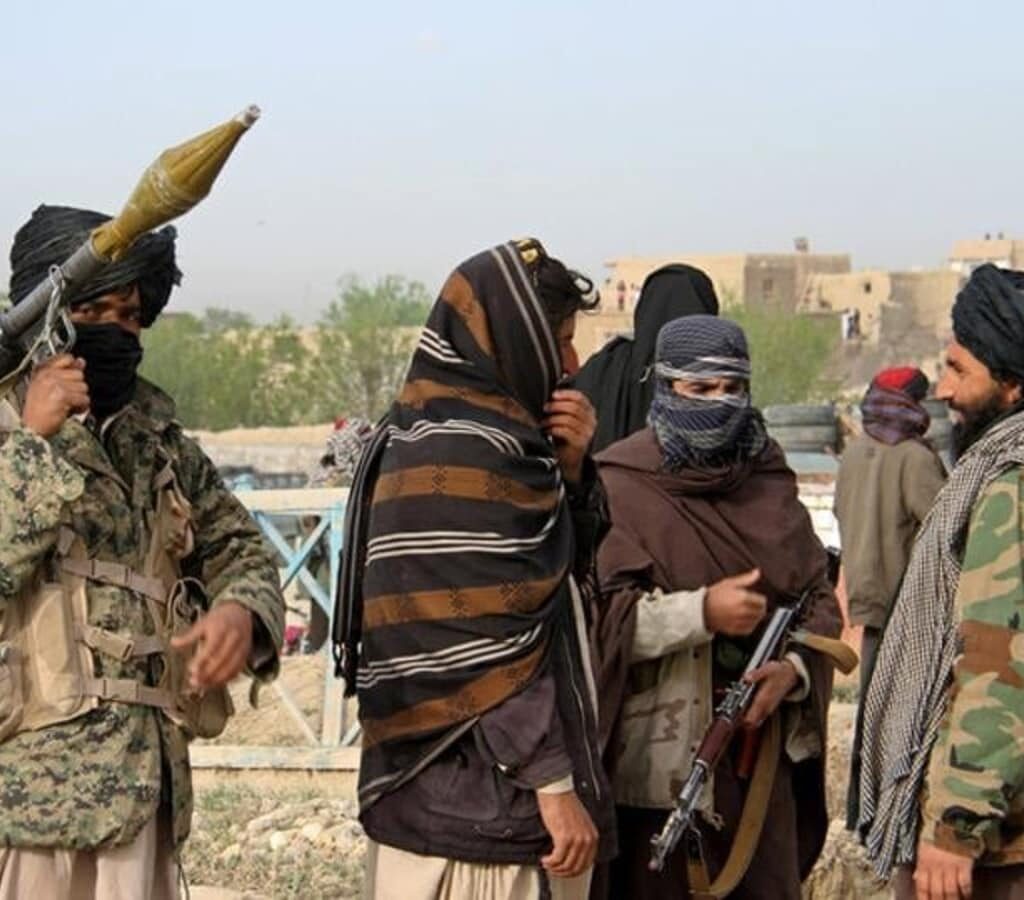
The TTP’s 2025 report projects an image of renewed strength and nationwide reach. In reality, it reflects a border-bound, fugitive insurgency using inflated statistics and psychological warfare to mask sustained pressure from Pakistan’s intelligence-led counter-terrorism campaign and the regional impact of instability in Afghanistan.
The Long Arm of the Taliban and the Fate of Exiles

The killing of General Ikramuddin Saree in Tehran was not an isolated act but part of a broader Taliban strategy to hunt opponents beyond Afghanistan, exposing the fragility of exile as protection.
The Taliban’s Purge of Former Afghan Officials
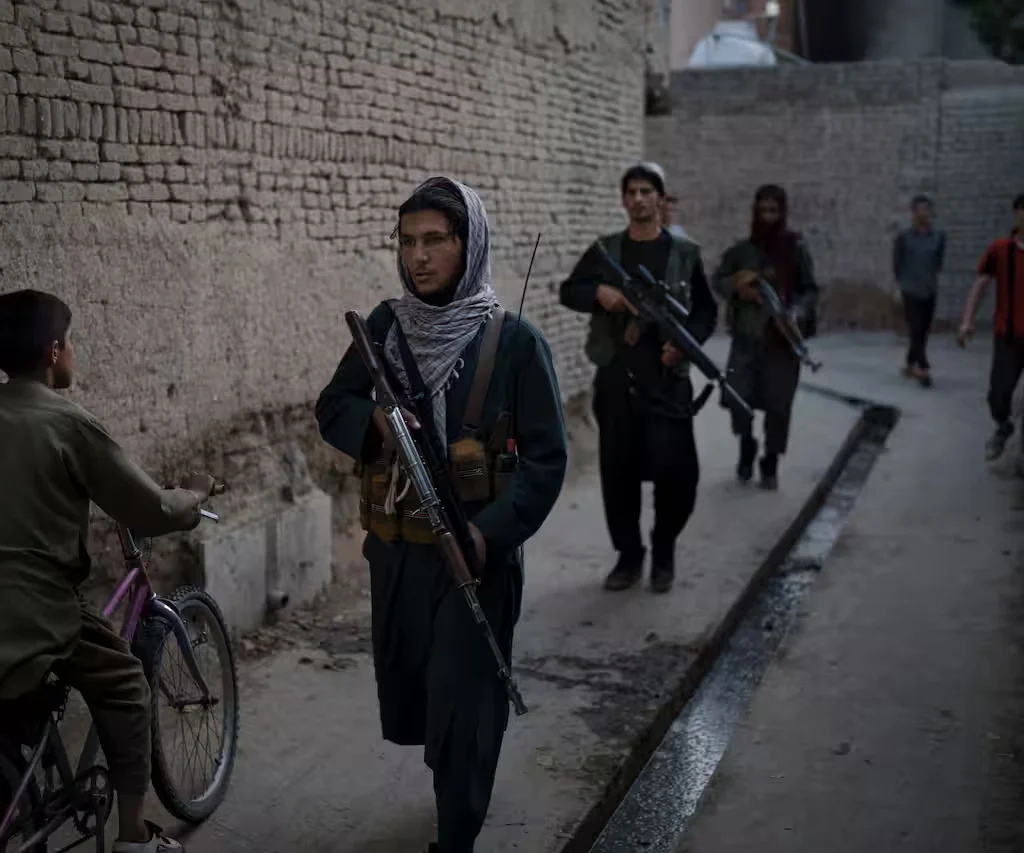
The killing of General Akramuddin Saree in Tehran signals that the Taliban’s campaign against former Afghan officials has gone transnational. It reveals a dark convergence of Taliban intelligence operations and regional transactional politics that sacrifice political exiles for short-term stability.
US-Pakistan Cooperation in Trade, Technology, and Minerals
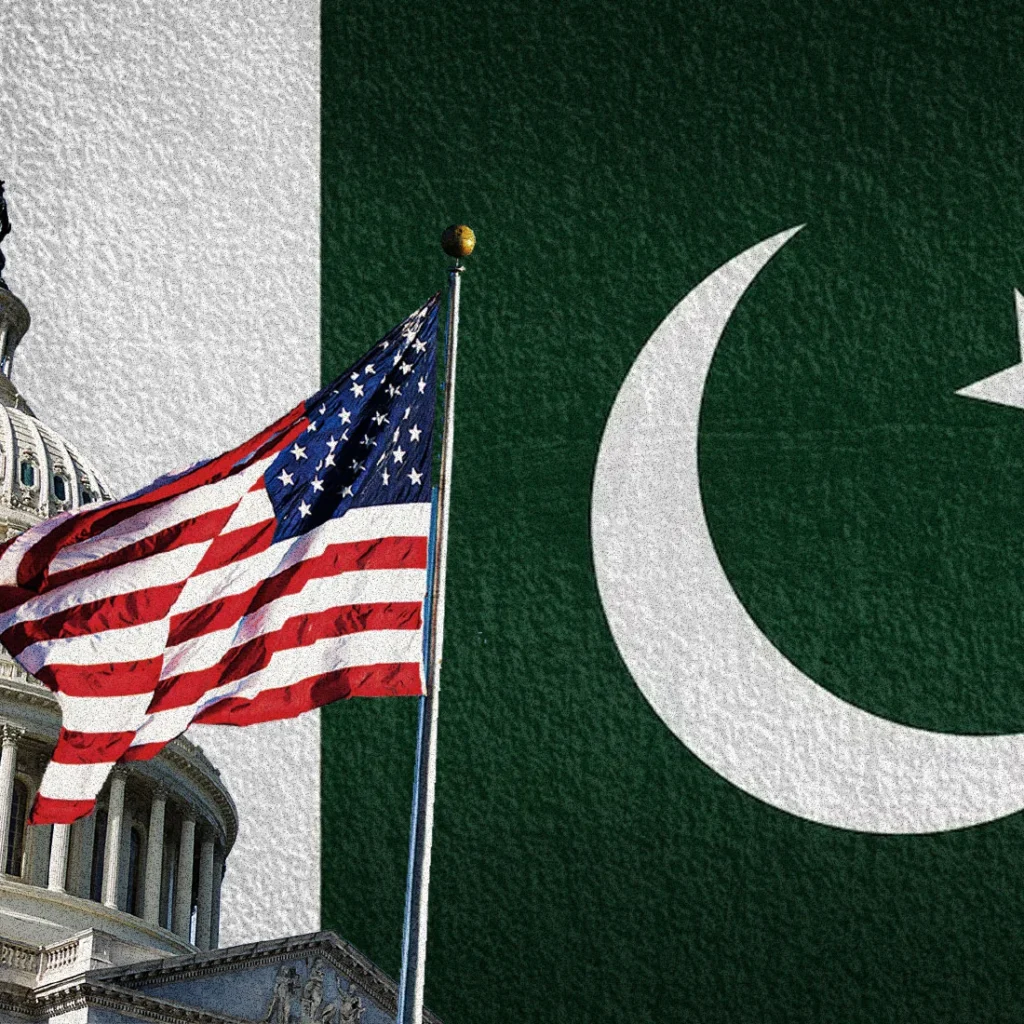
Natalie Baker signals a historic shift in the US-Pakistan ties, focusing on Reko Diq, agriculture, Fulbright programs, and a Green Alliance to strengthen trade, technology, and climate resilience.
India’s Offensive Defence Doctrines and Its Strategic Consequences
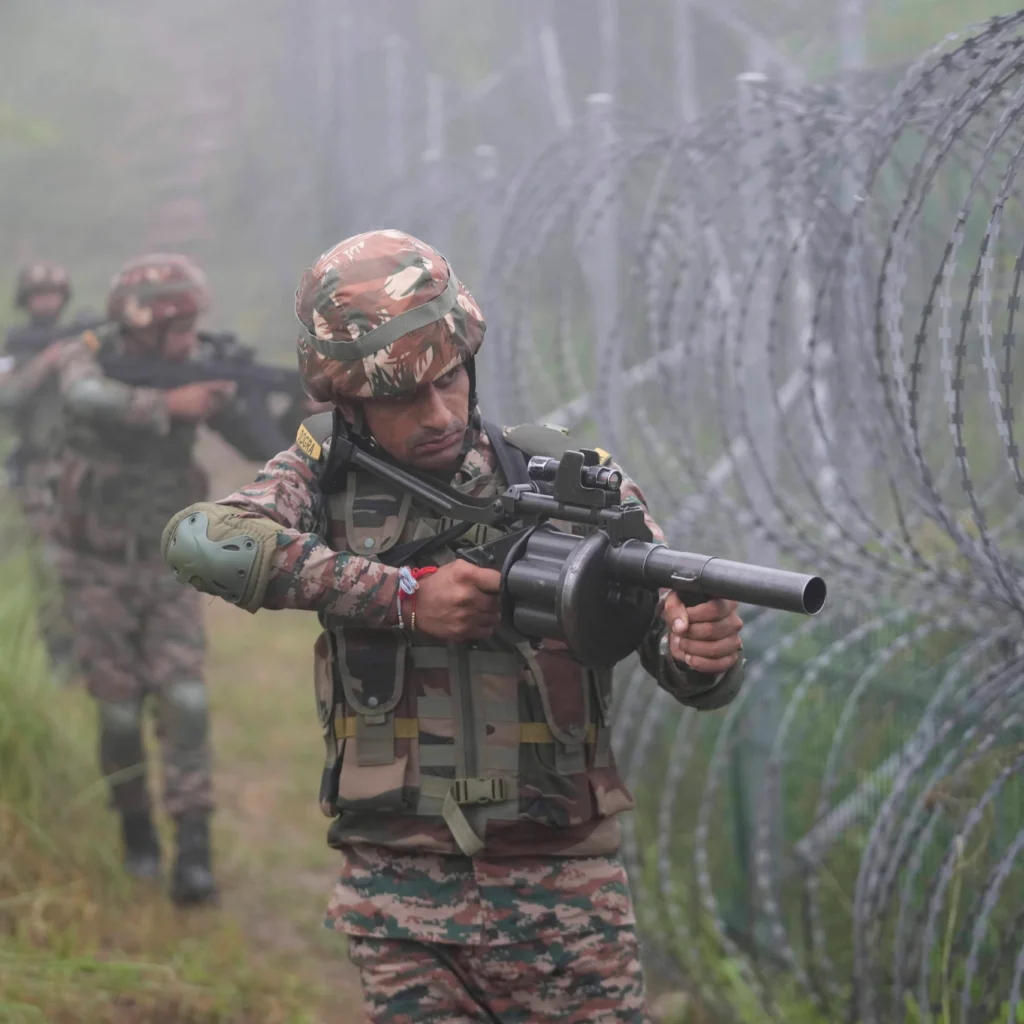
From the Sundarji Doctrine to Cold Start and 2025’s Operation Sindoor, India’s offensive doctrines aimed at rapid strikes against Pakistan repeatedly backfired, exposing operational gaps and narrowing its strategic options in multi-domain warfare.
Dancing on the Heads of Snakes
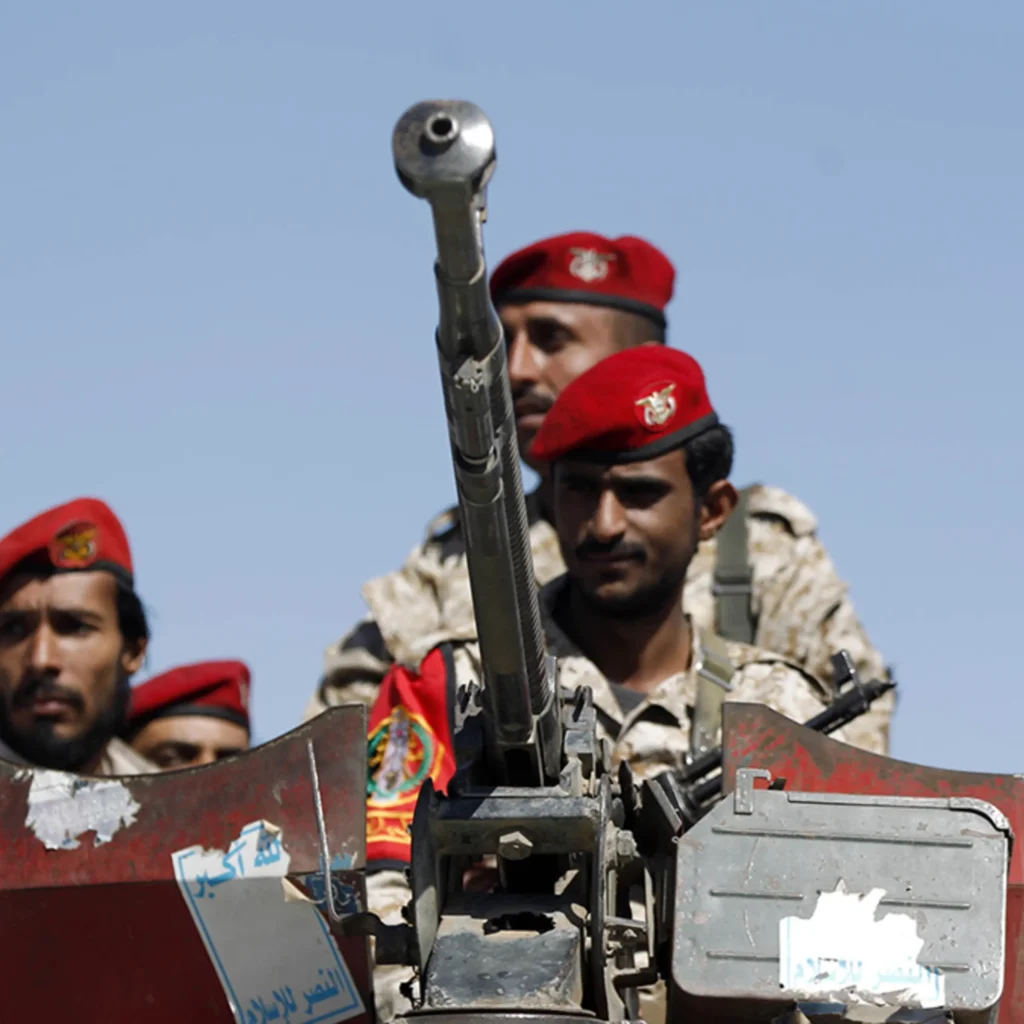
As 2025 ends, Yemen’s anti-Houthi coalition collapses. The Saudi-UAE split leaves rival militias and foreign powers vying for control, deepening the humanitarian crisis.
Weaponizing Civilian Infrastructure
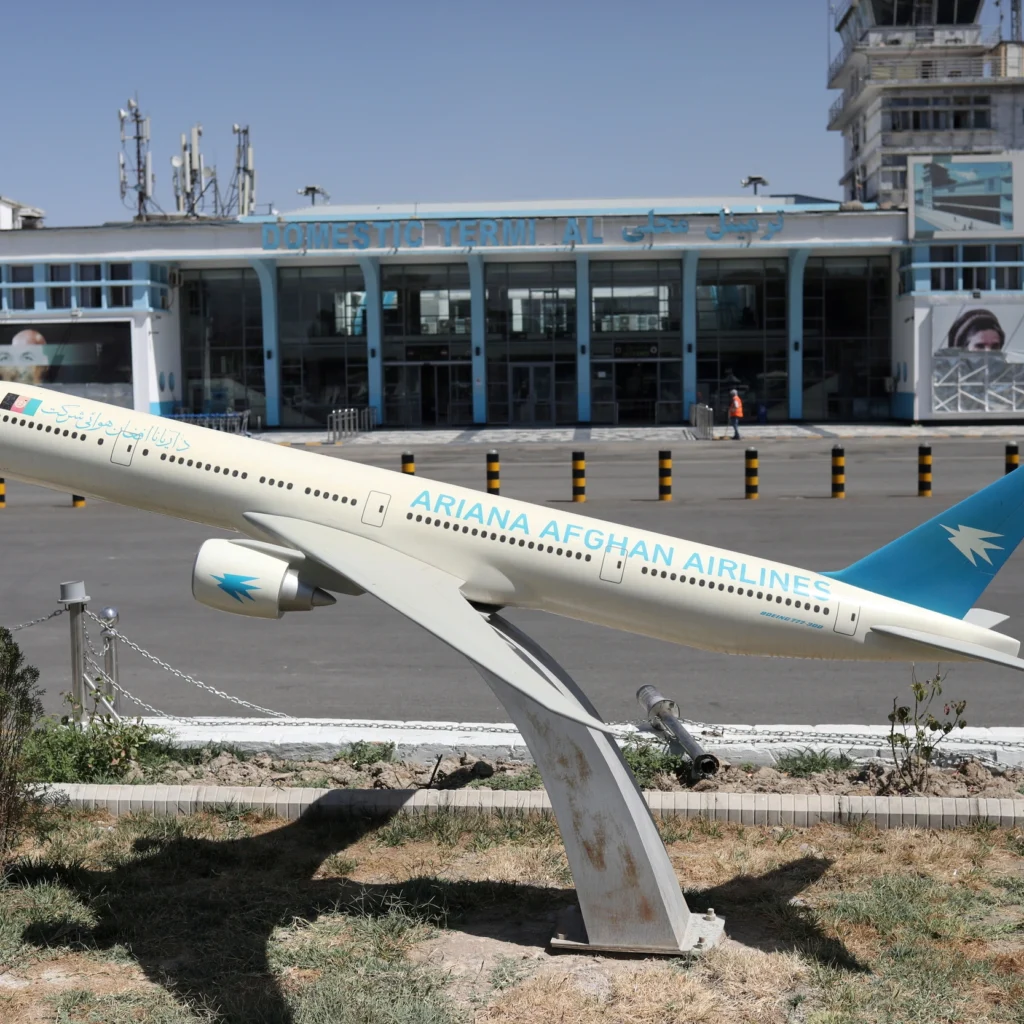
Emerging security reports allege that civilian aviation and major transport hubs may be quietly repurposed as logistical conduits for the TTP. While unverified, these claims reinforce Pakistan’s long-standing warnings about external facilitation, plausible deniability, and the use of civilian infrastructure in grey-zone conflict along the western border.
How Taliban’s Performative Governance Masks Gender Apartheid
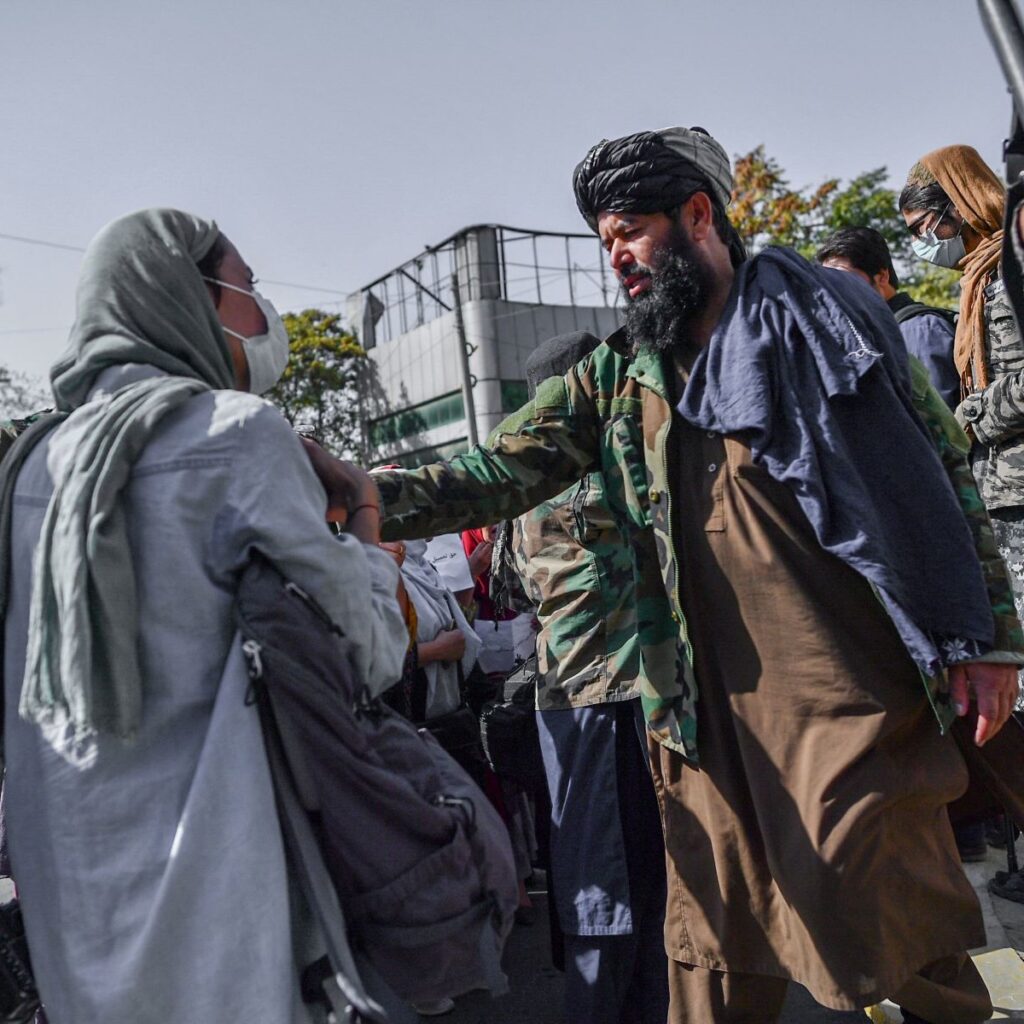
Behind Taliban social media showcases of female factory work lies a Potemkin model of governance. Selective visibility and performative economics obscure a system of gender apartheid, educational exclusion, and long-term economic decline. Drawing on UN and rights-group data, this analysis exposes how propaganda-driven inclusion narratives collapse under empirical scrutiny.
No United Front: How Regional Failure Blocks Climate Action in South Asia
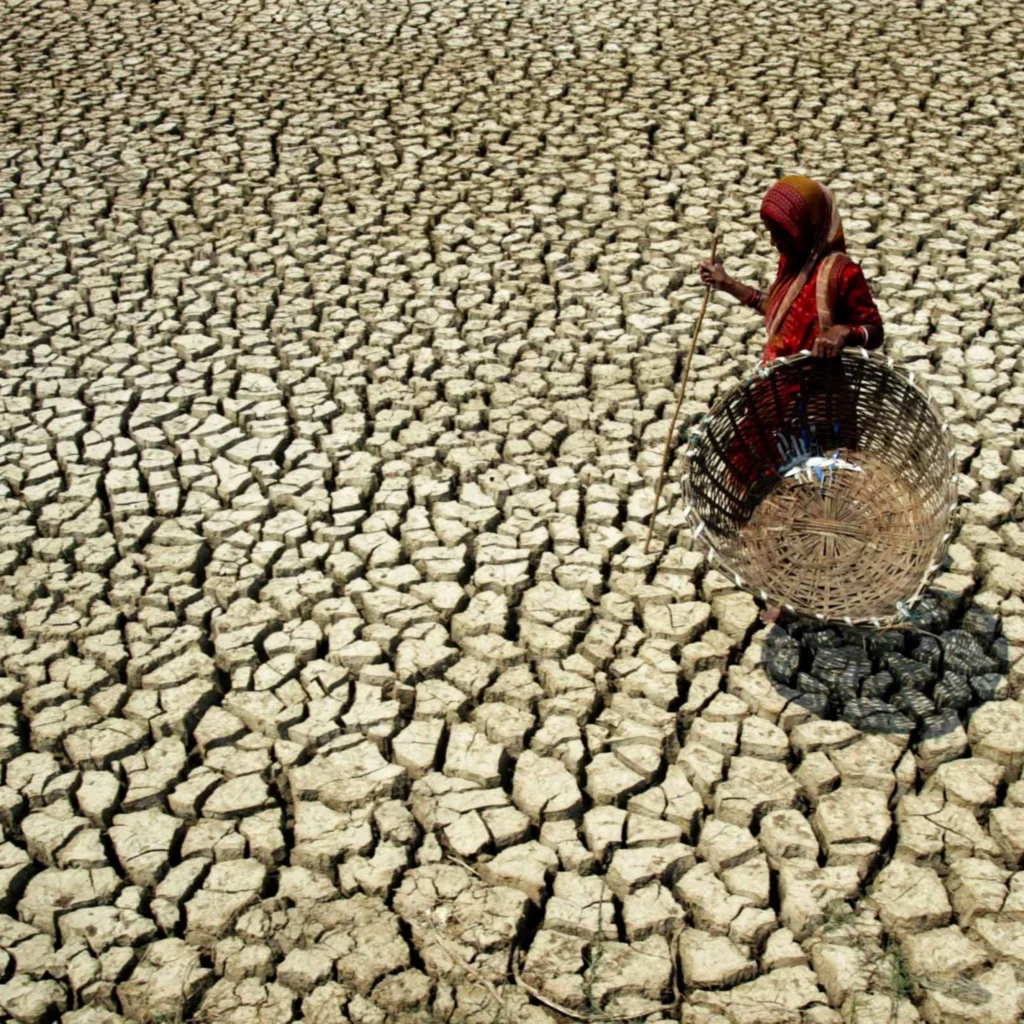
Despite being one of the world’s most climate-vulnerable regions, South Asia remains deeply fragmented. From failed COP coordination to weak regional institutions, political rivalries and elite interests undermine collective climate action, leaving millions exposed to escalating environmental risks