
Operation Shaban and the Weight of Seven Decades
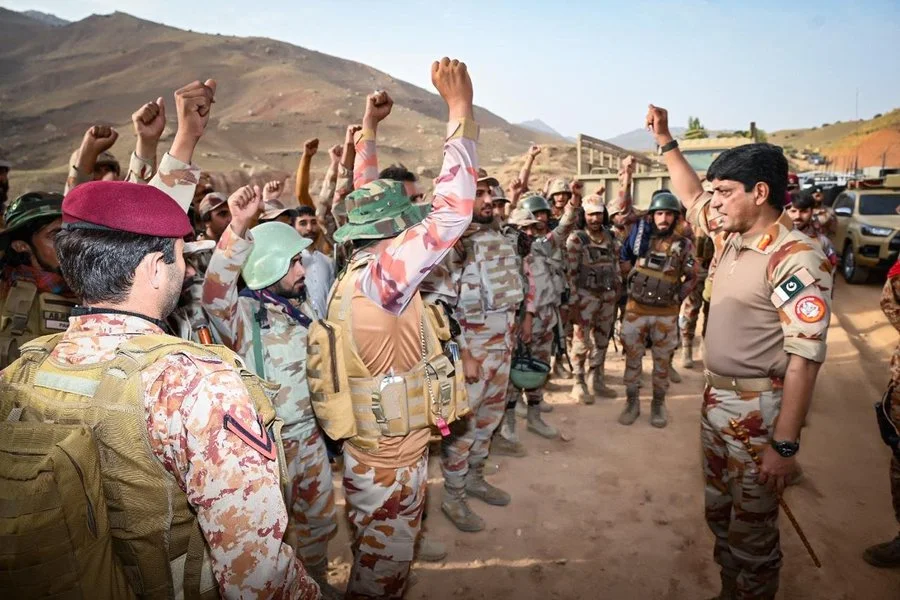
On 5 July 2026, after nine police personnel were martyred and eighteen others abducted and executed at the Mangi Dam police post in Ziarat, the Pakistan Army, the Frontier Corps and the Balochistan Police launched Operation Shaban. This is a joint, province-wide counter-terrorism campaign fought simultaneously on two fronts: against Tehreek-i-Taliban Pakistan (TTP) networks operating […]
Britain’s Aid Cheques to the Taliban Sideline Principles
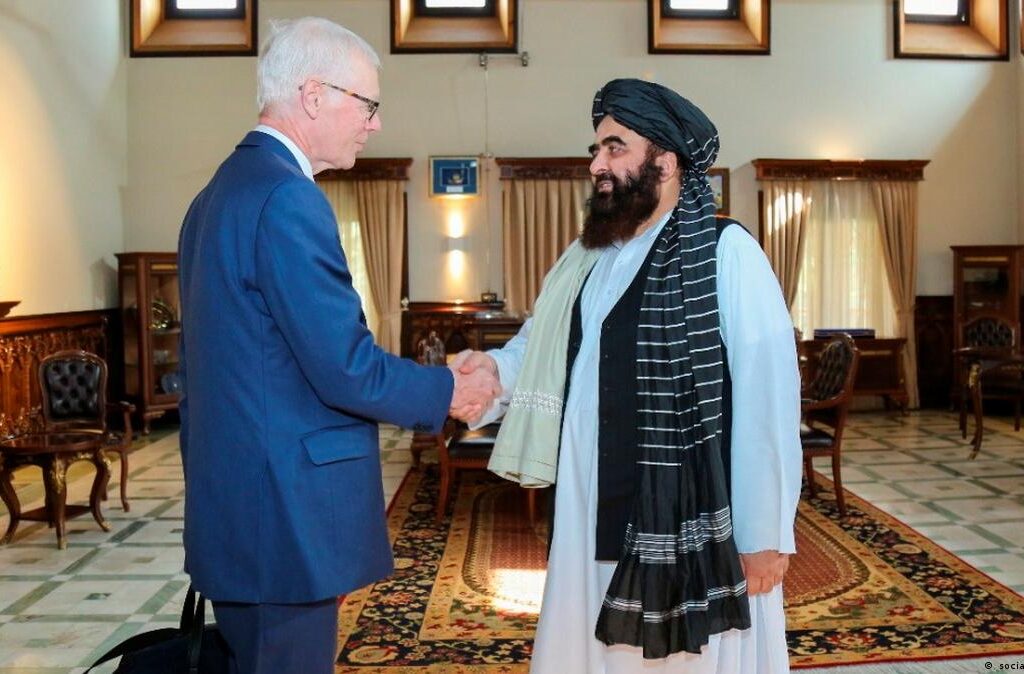
Recently, the UK government has decided to commit £105 million annually to Afghanistan between 2026 and 2029. Why? And why now? The British government presents it as an act of humanitarian responsibility. However, it is another example of the West lowering its standards and rewarding a regime that has systematically dismantled the rights of its own […]
Taliban’s Internal Loyalty Wars Are Spilling Into Public Statements

The Taliban has long projected an image of rigid unity, presenting itself as a movement bound together by ideological discipline and unquestioned loyalty to its supreme leader, Hibatullah Akhundzada. Recent remarks by Taliban Justice Minister Abdul Hakim Sharaei, however, suggest that this carefully cultivated image is becoming increasingly difficult to sustain. Speaking at a military […]
Pakistan Continues to Deliver its GSP+ Promises
The debate surrounding Pakistan’s participation in the European Union’s GSP+ framework often begins with a simple question: has the country done enough? The latest assessment offers a more useful one. Is Pakistan continuing to move in the right direction despite the economic, political and security challenges it has faced over recent years? Viewed through that […]
SIPRI Yearbook 2026 and the Future of Strategic Stability in South Asia
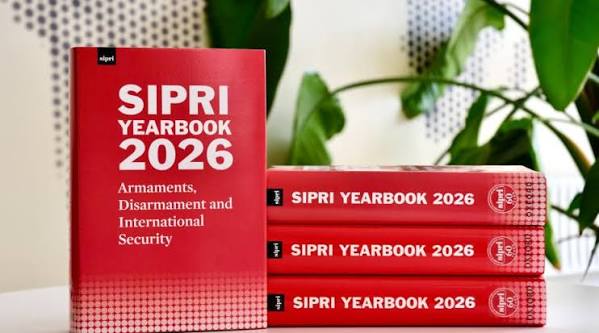
The Stockholm International Peace Research Institute (SIPRI) released its annual report on international security, disarmament, and weaponry. The main findings of the SIPRI Yearbook 2026 are that, despite growing risks of miscalculation and escalation, nuclear-armed states are increasingly relying on nuclear weapons as a tool of national security and strategic competition, reversing decades of reductions […]
Pakistan Welcomes EU, UN Women, UNDP & TDEA Mentorship Programme Launch
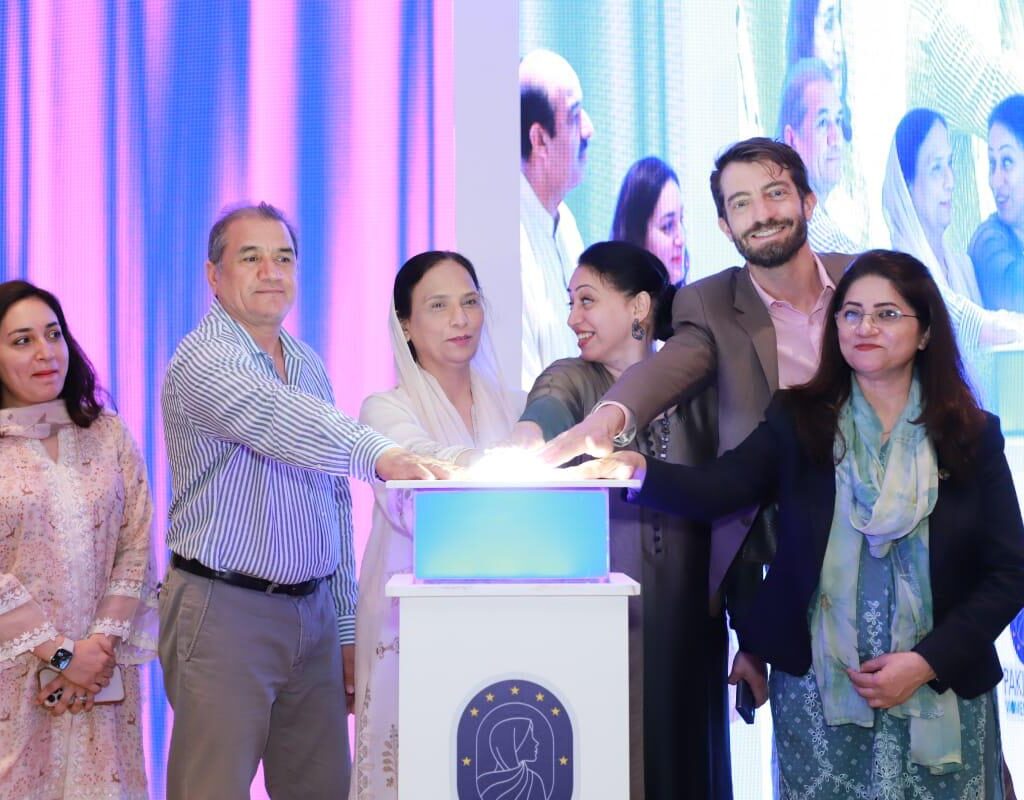
The Pakistan Women Leaders (PWL) project, funded by the European Union and jointly implemented by UN Women and UNDP in partnership with the Trust for Democratic Education and Accountability (TDEA), launched its flagship Mentorship Programme in Islamabad on July 14, 2026, Leading the Future: Empowering Women Through Mentorship in Political Leadership. The launch is a […]
Pakistan’s OIC Moment on Women Runs Into an Empty Afghan Seat
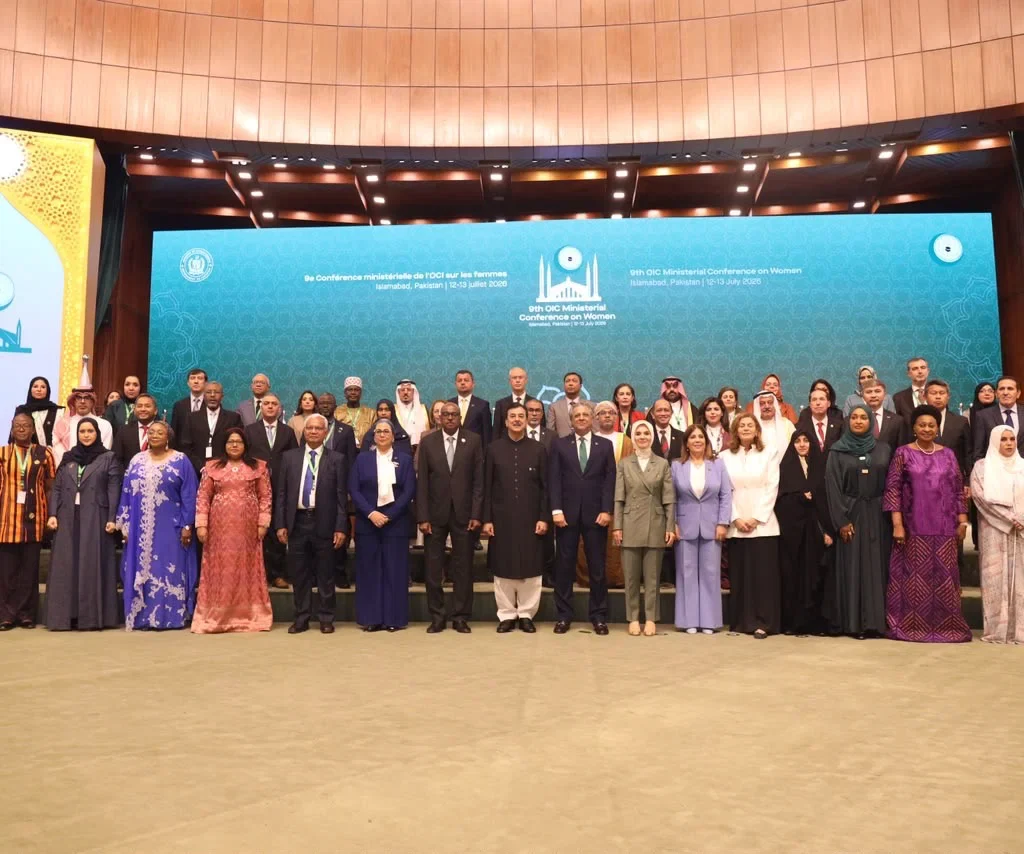
In the days before the 9th OIC Ministerial Conference on Women opened at Islamabad’s Jinnah Convention Centre, the Ministry of Human Rights released a photograph of the flags lining the entrance, 57 of them, Afghanistan’s tricolor among them. What the photograph could not show was who, if anyone, would stand beneath it. The Taliban never […]
Jammu and Kashmir: The Forgotten Narrative from Distorted Origins to Denied Freedom
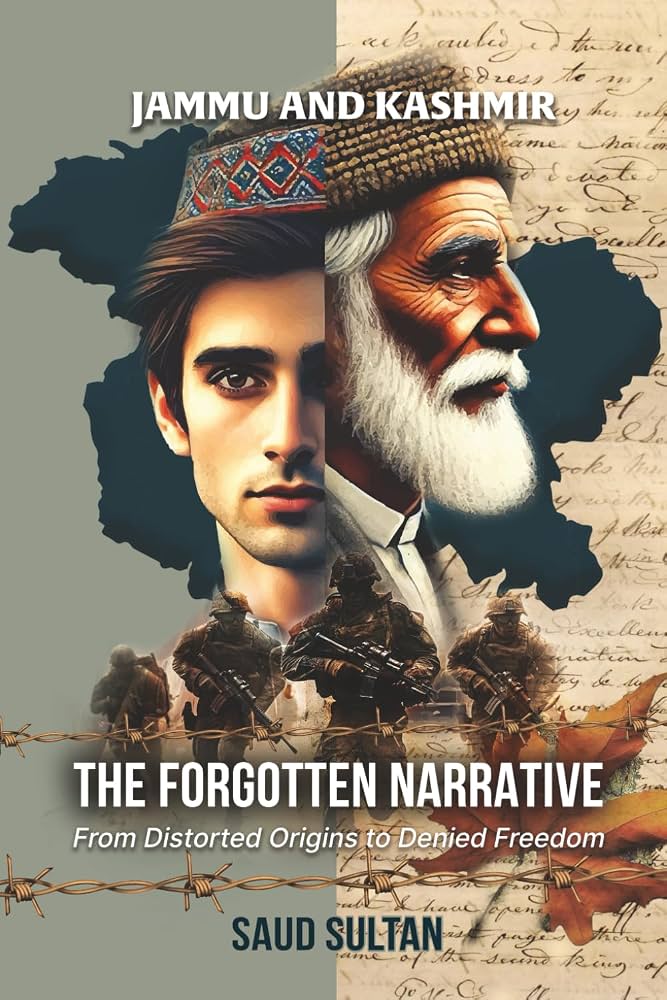
Jammu and Kashmir: The Forgotten Narrative from Distorted Origins to Denied Freedom, written by Saud Sultan, provides a comprehensive analysis of the partition of the sub-continent and its consequences, and the Jammu and Kashmir conflict. The book places a dispute within a historical framework by presenting the facts and perspectives that have received little to […]
Taliban Resort to Historical Revisionism to Appease India
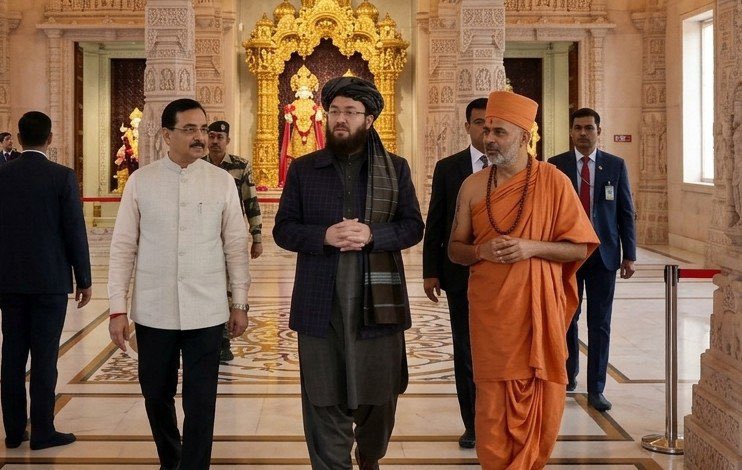
In a striking departure from conventional historical discourse, Taliban Minister of Agriculture Ata Umar recently declared that Sultan Mahmud Ghaznavi “made a mistake” by destroying idols, calling instead for equal respect for all religions. While respect for all faiths is a widely accepted principle today, reducing one of the most consequential figures of medieval Islamic […]