As the crescent moon heralds Eid ul Fitr, millions of Muslims prepare to celebrate—a festival meant for joy, reflection, and togetherness. Yet, for vast swathes of the Muslim world, Eid arrives not with festivity but with grief, hunger, and the echoes of war. From the rubble of Gaza to the barbed wires of Kashmir, from the lynching fields of India to the refugee camps of Syria’s displaced, and from the unrest in Balochistan to the resurgence of terrorism in Pakistan, this Eid is a cruel reminder of an ummah under siege.
A World Indifferent to Muslim Blood
The war on Gaza has become one of the deadliest campaigns in modern history. Over 50,000 Palestinians have perished since October 7, 2023, as Israel continues its relentless bombing of an already besieged strip. The hope for a ceasefire has been shattered, and even the most fundamental humanitarian aid is being blocked. Children die of malnutrition, hospitals have become mass graves, and an entire people face annihilation—all while the world watches in silence, or worse, justifies it.
Across the West Bank, Israeli settlers and occupation forces have intensified their crackdowns, making Palestinian existence a daily battle for survival. Yet, the collective response from the Muslim world remains tepid at best. While nations like South Africa, Colombia, and Brazil take diplomatic and legal measures to challenge Israel’s actions, the powerful capitals of the Muslim world remain hesitant, tethered to economic dependencies and political calculations.
The Kashmir Conundrum and India’s Islamophobia
In the occupied valley of Kashmir, Eid arrives as another reminder of stolen sovereignty. The Indian state’s crackdown has turned this paradise into an open-air prison, where voices of dissent are met with bullets and jail cells. Yet, it is not just Kashmir that bears the brunt of Hindutva-fueled hostility—200 million Muslims across India now live under systemic persecution. From lynchings over beef consumption to draconian laws criminalizing their faith, Modi’s India has institutionalized anti-Muslim violence. The coming elections will likely see an escalation of this bigotry, as majoritarian politics continues to erase secularism from the world’s largest democracy.
Balochistan: The Forgotten Crisis in Pakistan
Closer to home, Balochistan’s concerns—economic disparity, political representation, and resource distribution—are real and require urgent attention. The province has long struggled with underdevelopment, and its people have every right to demand better governance, greater opportunities, and a fair share of national progress. However, these grievances must be resolved through meaningful reforms, not through agendas that serve external interests rather than the Baloch people.
There is a pattern to how local struggles are hijacked: a genuine issue is amplified beyond proportion, presented as an international crisis, and then leveraged by geopolitical players who have no real stake in resolving it. Balochistan is no exception. While some voices claim to champion its cause, their proposed solutions rarely involve economic growth, infrastructure development, or political inclusion. Instead, they push narratives of division, external reliance, and perpetual instability—strategies that have played out disastrously in other regions of the world.
Yet, Balochistan’s trajectory is not one of stagnation. The 18th Amendment granted provinces greater control over their affairs, ensuring more say in governance. Baloch politicians are now part of the national decision-making process, and federal projects—from infrastructure to energy—aim to bridge development gaps. The Gwadar port, road networks, and economic investments under CPEC signal efforts toward regional upliftment. However, progress must be felt by the people, not just measured in policy documents. Governance must be more inclusive, security measures must not alienate local communities, and economic benefits must be equally distributed.
Pakistan cannot afford to ignore Balochistan’s issues—but neither can it allow them to be hijacked by forces seeking fragmentation rather than development. The world has seen this playbook before: legitimate local grievances are magnified, turned into geopolitical tools, and then used as pretexts for intervention. In the end, the very communities that these external voices claim to defend are left in deeper suffering and chaos.
The way forward is neither through conflict nor coercion, but through stronger governance, trust-building, and real economic empowerment. Balochistan’s future lies within Pakistan, not outside of it—and it is the responsibility of both the state and the people to ensure that its development is not just promised, but delivered.
The Shadow of Resurging Terrorism
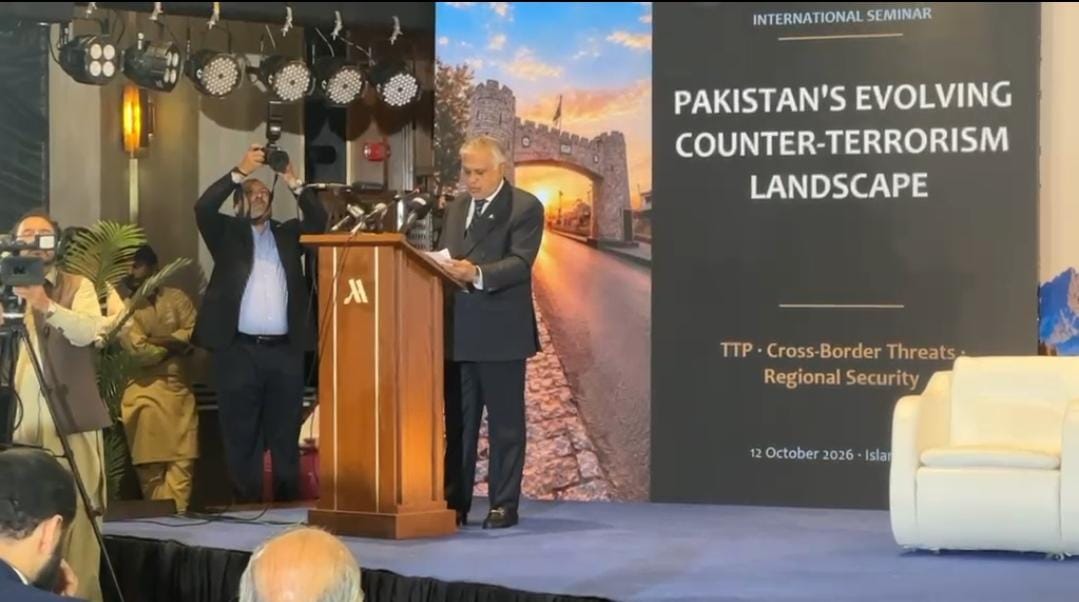
Pakistan faces another growing threat: the resurgence of terrorism. The past year has seen a sharp increase in attacks targeting civilians and security forces, particularly in Khyber Pakhtunkhwa and Balochistan. The return of militant violence, after years of hard-won counterterrorism efforts, signals a dangerous reversal—one that could further destabilize an already fragile region.
The lessons of the past must not be ignored. Counterterrorism cannot succeed solely through military means; it requires strong governance, economic opportunities, and the dismantling of the ideological networks that fuel extremism. If left unchecked, the resurgence of terrorism threatens not just Pakistan, but regional security as well.
Beyond Borders: The Muslim World’s Collective Struggle
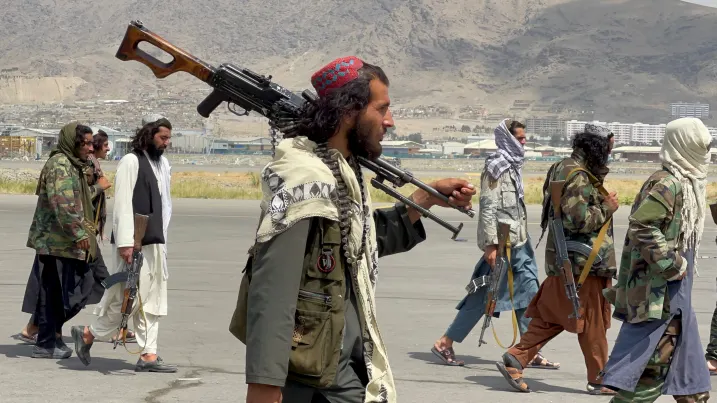
The war in Gaza, the plight of Indian Muslims, the unrest in Balochistan, and the resurgence of terrorism in Pakistan are not isolated tragedies; they are symptoms of a larger geopolitical reality where Muslim lives are expendable. In Syria, Yemen, Sudan, and Afghanistan, conflicts rage on, fueled by external interventions and internal betrayals. The Organisation of Islamic Cooperation (OIC), theoretically the Muslim world’s diplomatic arm, has once again proven itself irrelevant—issuing statements while realpolitik dictates inaction.
Meanwhile, the economic giants of the Muslim world continue to prioritize trade deals with aggressors over standing up for their own. Some, rather than severing ties with Israel, have opted for strategic silence, allowing genocide to unfold without consequence. The stark contrast between the reactions of Global South nations and the supposed Muslim ‘brotherhood’ exposes an ugly truth: solidarity is a luxury, sacrificed at the altar of diplomacy.
The True Spirit of Eid
Eid is not merely about festivity; it is about justice. It is about zakat—not just the redistribution of wealth, but also the redistribution of responsibility. The global Muslim community must shift from passive outrage to meaningful action—boycotts, lobbying, financial support for besieged communities, and a reinvigoration of Muslim-led diplomacy.
This Eid, let every handshake, every prayer, and every meal shared come with a promise: that we will not be complicit in forgetting those who cannot celebrate. That we will redefine unity not as symbolic resolutions, but as actionable resistance against oppression. The world may have accepted a hierarchy of human lives, but we, as Muslims, cannot.
Eid Mubarak—to those who can celebrate, and to those who continue to fight for the right to do so.

Your go-to editorial hub for policy perspectives and informed analysis on pressing regional and global issues.