UAP: Rails of a New Silk Road
The UAP railway project marks a bold step toward regional integration, offering hope for stronger ties and shared prosperity across Asia.

The UAP railway project marks a bold step toward regional integration, offering hope for stronger ties and shared prosperity across Asia.

Bajaur jirga issues a 70-day ultimatum, mixing genuine demands with controversial calls that risk disrupting legal and constitutional norms.

The Balochistan Liberation Army’s campaign of ethnic violence is a calculated strategy to divide society, hinder the development, and derail peace in the region.

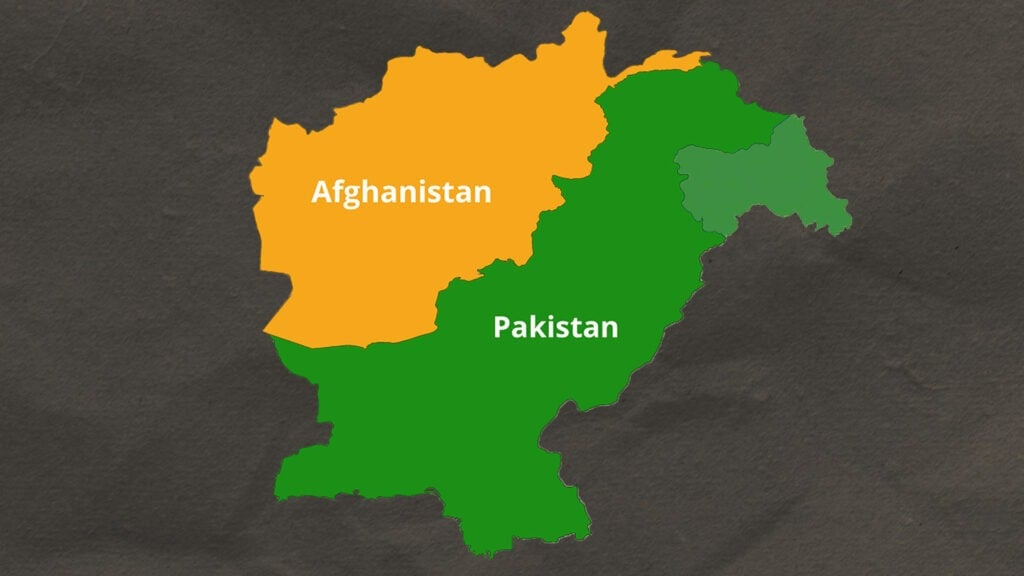
A tribal jirga in Mirali demands an end to Pakistan’s military actions against the TTP, yet fails to condemn terrorism, exposing a complex security dilemma. The state’s strategic restraint, tribal politics, and cross-border tensions with Afghanistan all converge in this growing crisis.

In an era defined by nuclear anxieties, great power recalibrations, and regional arms races, the global discourse on nonproliferation must be rooted in nuance, history,

Punjab’s push for solar-powered tube wells, though intended to boost agriculture, is accelerating groundwater depletion and posing serious risks to food security and public health.

At a time when the global order is increasingly defined by unpredictability and polarization, the meeting between Pakistan’s Chief of Army Staff, Field Marshal Syed

With Israel’s “Operation Rising Lion” pushing Iran towards regime change, Pakistan faces an immediate and severe threat. Its long border could become a battlefield, nuclear security questioned, diplomatic ties strained between Saudi Arabia and Iran, and the economy crippled by oil price spikes and internal unrest.

CPEC, the flagship of China’s Belt and Road Initiative, is transforming Pakistan through enhanced connectivity, infrastructure, industrial growth, and regional integration, positioning the country as a future geo-economic hub.

The recent Pakistan-India crisis redefined modern warfare, highlighting different “Rules of Engagement.” Pakistan showed strategic restraint and used advanced technology to deter full-scale war, while India escalated quickly under nuclear risks. The conflict expanded into cyber and civilian targets, broadening the battleground. Pakistan’s effective use of C4I2 command systems limited Indian advances and maintained balance. India’s aggressive policies and diplomatic isolation were exposed during the crisis.