Pakistan

Pakistan’s Heritage and Rights Ethos: Unlocking Cultural Diplomacy

Pakistan’s Heritage and Rights Ethos: Unlocking Cultural Diplomacy

Pakistan’s diverse cultural heritage, from the hospitality of Pashtunwali and Sufi music in Sindh to folk traditions in Punjab, Balochistan, and Gilgit–Baltistan, reflects an enduring rights-based ethos. These living practices promote dignity, justice, and social inclusion. By integrating these traditions into cultural diplomacy, Pakistan can showcase its soft power while supporting custodians of heritage, artisans, and local communities.

Read More »
Since Istanbul

Since Istanbul

The failure of the Istanbul talks marked a turning point. Within days, Pakistan faced coordinated suicide attacks and intensified TTP infiltration, revealing a dangerous shift in Kabul’s posture and the deepening crisis along the Durand Line.

Read More »
The Influencer Insurgent and Bots on the Ground

The Influencer Insurgent and Bots on the Ground

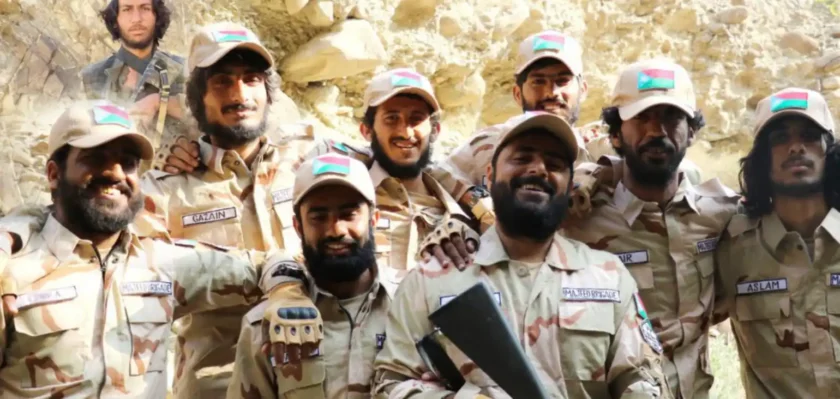
The rise of Mir Yar Baloch shows how hybrid warfare has created the influencer insurgent, a digital figurehead who manufactures the perception of rebellion through coordinated propaganda, state backing, and information manipulation.

Read More »
The US Report on Pakistan’s May Win

The US Report on Pakistan’s May Win

The USCC’s 2025 report delivered a rare moment of clarity in South Asian geopolitics. By openly describing Pakistan’s military success over India, the Commission broke with years of cautious Western language and confirmed a shift many analysts had only hinted at. The report’s wording, and the global reactions that followed, mark a turning point in how the 2025 clash is being understood.

Read More »
Narrative by Design: Al Jazeera’s Editorial Tilt on the Pakistan–TTP Conflict

Narrative by Design: Al Jazeera’s Editorial Tilt on the Pakistan–TTP Conflict

Al Jazeera’s reputation for alternative journalism contrasts sharply with its recent reporting on Pakistan’s conflict with the TTP and tensions with the Afghan Taliban. A close review shows consistent editorial choices that soften the Taliban’s image, reframe terrorist violence as resistance, and cast Pakistan’s counter-terrorism actions as aggression—ultimately reshaping the narrative in Kabul’s favour.

Read More »
How Pakistan can benefit from the World Bank’s New Nuclear Policy

How Pakistan can Benefit from the World Bank’s New Nuclear Policy

The World Bank’s decision to lift its decades-old ban on nuclear energy financing marks a turning point for developing nations. For Pakistan, this policy shift offers a rare opportunity to tackle its chronic energy crisis through clean, affordable, and reliable nuclear power. By aligning with the IAEA’s safety standards, engaging with World Bank institutions like IFC and MIGA, and integrating nuclear expansion into its national climate goals, Pakistan can position itself at the forefront of sustainable energy transformation.

Read More »
Pakistan’s Doctrine of Verifiable Peace: Realism in the Face of Proxy Politics

Pakistan’s Doctrine of Verifiable Peace: Realism in the Face of Proxy Politics

Pakistan’s Doctrine of Verifiable Peace represents a major shift from fraternal idealism to strategic realism in South Asia’s volatile security landscape. Rooted in classical realist thought, the doctrine emphasizes verification over trust, deterrence over sentiment, and conditional diplomacy over blind faith. Confronting the twin challenges of cross-border militancy and Indian-backed proxy networks in Afghanistan, Islamabad now seeks peace that is enforceable, monitored, and verifiable, anchoring regional stability on responsibility, not rhetoric.

Read More »