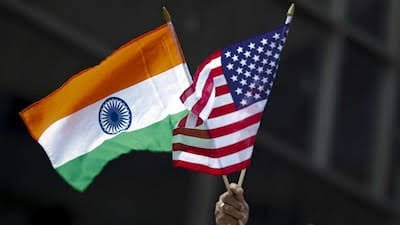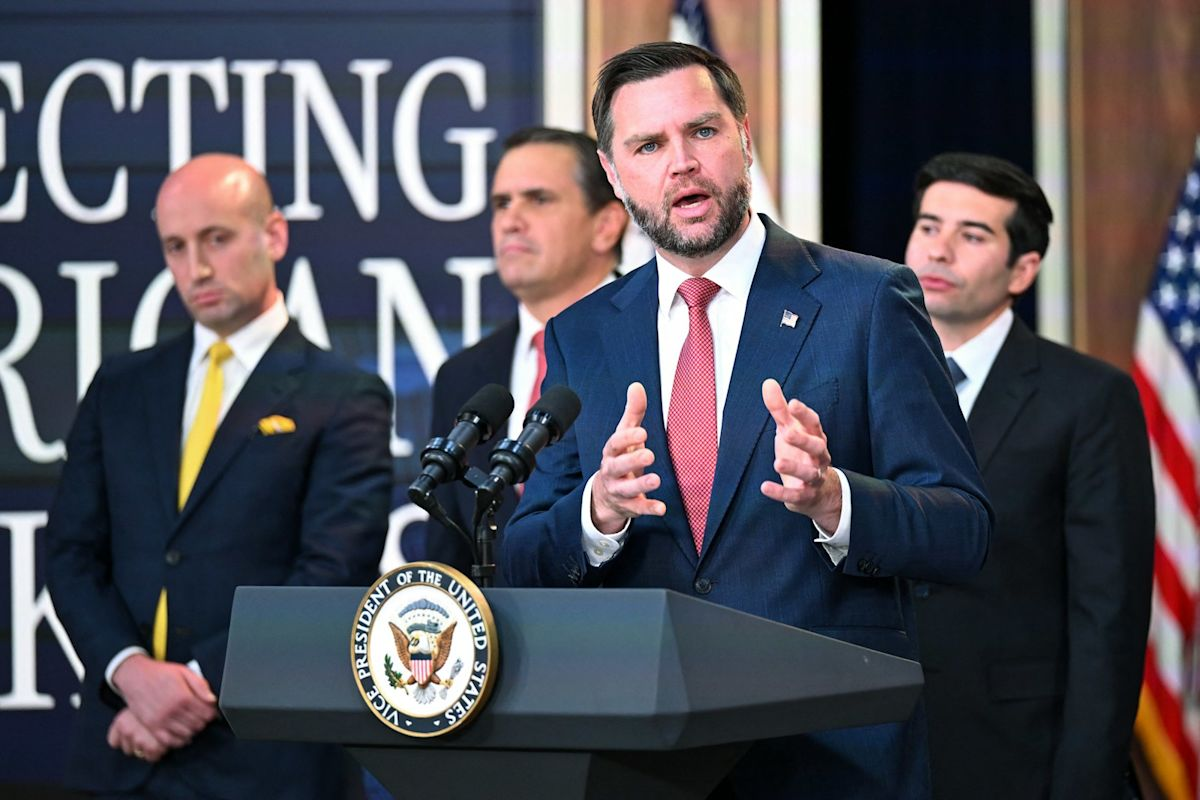
On Wednesday, a U.S. State Department spokesperson announced that U.S. and Indian officials had a productive meeting. During this meeting, they discussed the probe into a foiled plot to murder a Sikh separatist leader on American soil. Furthermore, the spokesperson expressed satisfaction with India’s cooperation.
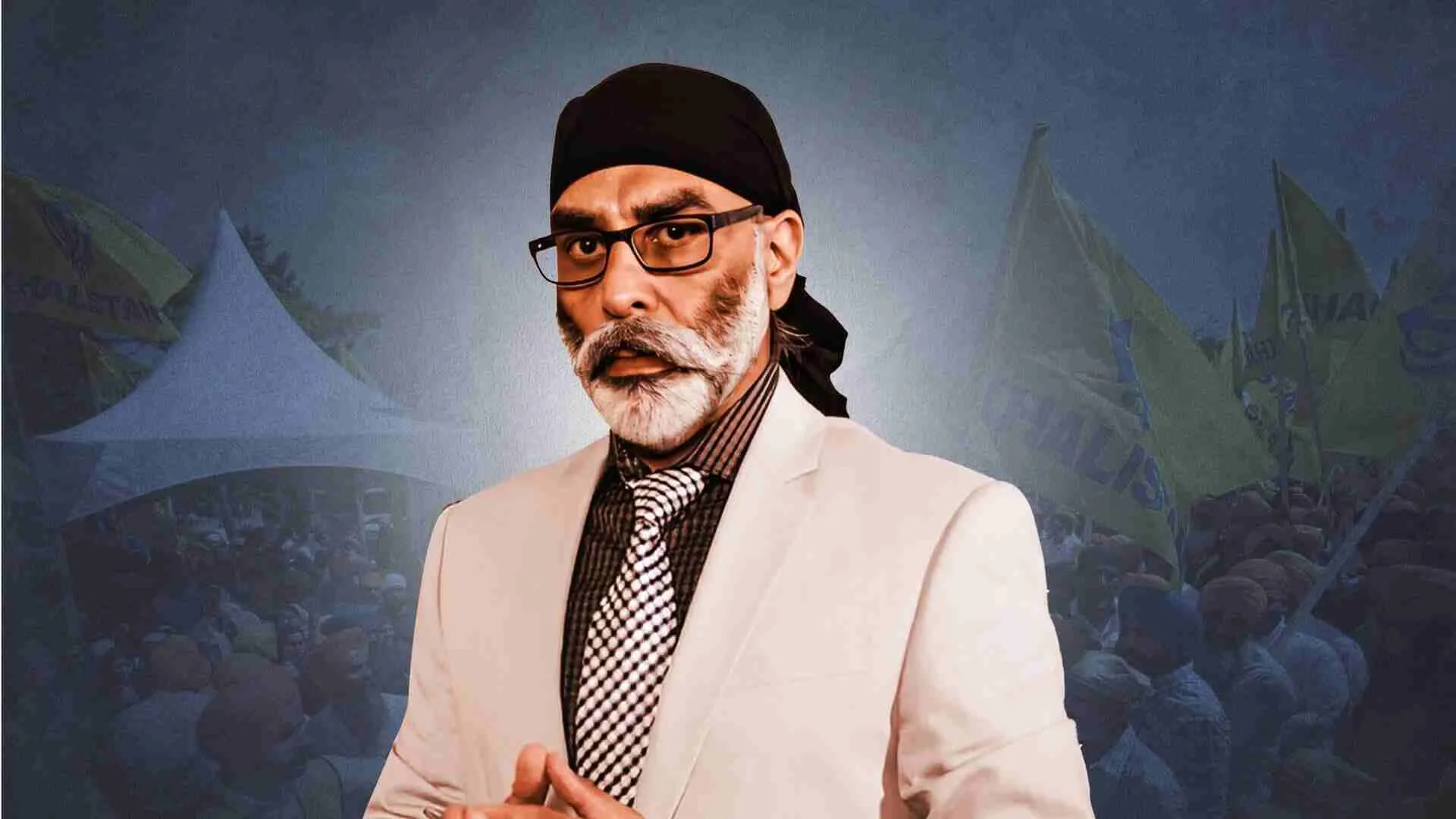
Washington alleged that Indian agents attempted to assassinate Sikh separatist leader Gurpatwant Singh Pannun in New York last year. They indicted an Indian national who worked under the direction of an unnamed Indian government official.
An Indian government committee investigating Indian involvement in the foiled murder plot met with U.S. officials in Washington on Tuesday, the State Department spokesperson said.
The United States has been pushing India to look into the U.S. Justice Department’s claim that an unnamed Indian intelligence official directed plans to assassinate Pannun, a dual U.S.-Canada citizen.
The State Department spokesperson told reporters in a press briefing that the individual named in the Justice Department indictment is no longer an employee of the Indian government, without providing further details. He described the meeting as “productive.”
“We are satisfied with (their) cooperation. It continues to be an ongoing process,” the State Department spokesperson said.
“The U.S. government broadly updated members of the (Indian) committee of inquiry about the investigation that the United States has been conducting. We’ve received an update from them on the investigation that they have been conducting,” he added.
Also See: US Urges India to Seriously Address Canada Allegations Amid Enquiry Committee Formation
Assassination of Hardeep Singh Nijjar
The U.S. case is not the only instance in which India has allegedly targeted Sikh separatists on foreign soil.
Canada on Monday expelled Indian diplomats, linking them to the murder of Sikh separatist leader Hardeep Singh Nijjar on Canadian soil. India also ordered the expulsion of Canadian diplomats and denies Canada’s allegations. Washington has said that India was not cooperating with Canada.
The accusations have tested Washington and Ottawa’s relations with India, often viewed by the West as a counterbalance to China.
This news is sourced from Reuters and is intended for informational purposes only.

Your trusted source for insightful journalism. Stay informed with our compelling coverage of global affairs, business, technology, and more.