
India Facilitates Medical Treatment for Taliban Fighter Wounded in Border Clashes With Pakistan, Revealing the Depth of Emerging India-Taliban Security Linkages
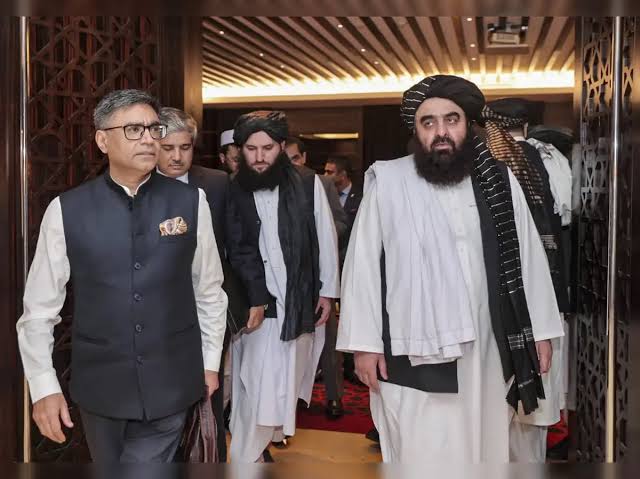
The details of this story are specific enough to be taken seriously and significant enough to demand careful analysis. A Taliban member wounded during border clashes in Spin Boldak fighting, that is, against Pakistani forces, has been transferred to New Delhi for medical treatment. He is currently staying in the Lajpat Nagar area of the […]
When Water Becomes a Weapon: Pakistan Takes the Indus Battle to the UN Security Council
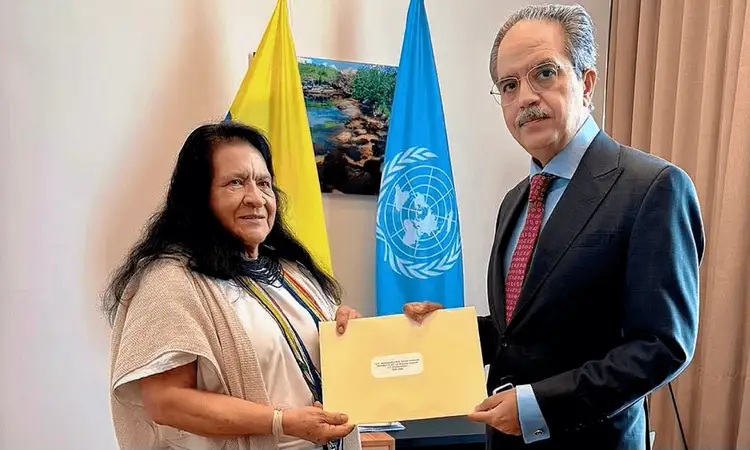
On 18 June 2026, Pakistan’s Ambassador to the United Nations, Asim Iftikhar Ahmad, walked into the Security Council and handed a letter to Ambassador Leonor Zalabata Torres of Colombia, the Council’s president for the month. The letter, signed by the Deputy Prime Minister and Foreign Minister Senator Mohammad Ishaq Dar, did not use the language […]
Marka-e-Haq and the Cognitive Dimension of Modern Warfare
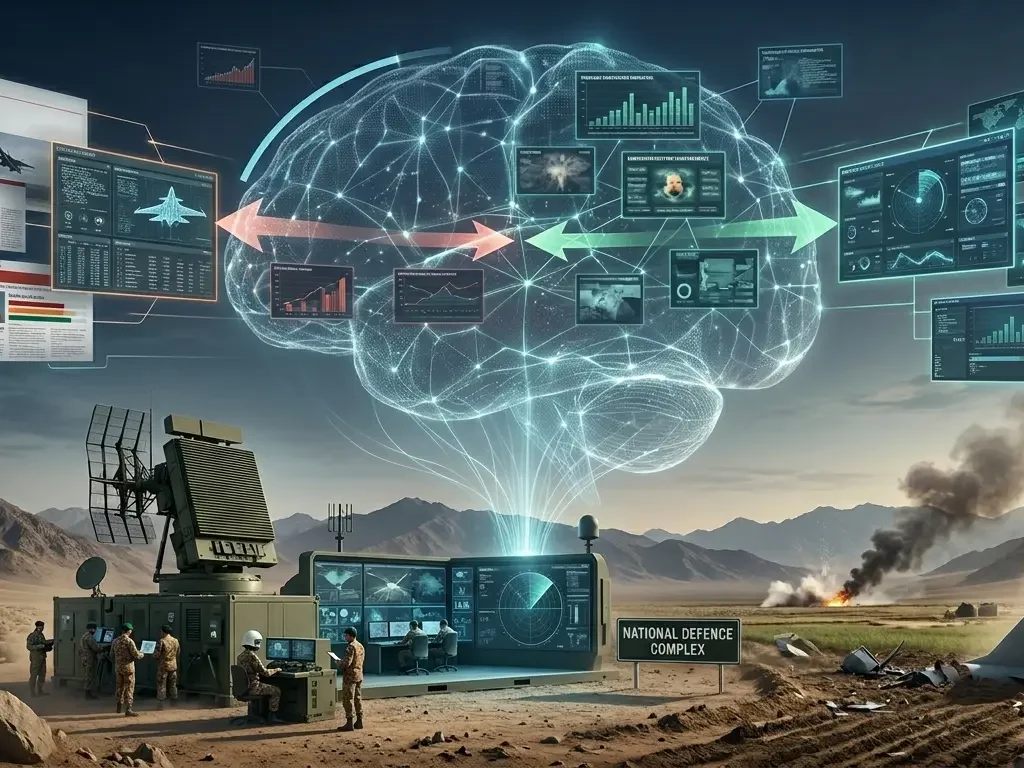
How did Marka-e-Haq expose the growing role of cognitive warfare? From strategic communication to digital disinformation, the conflict showed that modern wars are fought as much in minds as on battlefields.
The Mirage of “Nuclear Islamism”: Why the Pakistan-Iran Comparison Fails
This commentary critiques Brahma Chellaney’s “nuclear Islamism” narrative, arguing that grouping Pakistan and Iran ignores critical legal and strategic realities. It highlights the disparity in non-proliferation enforcement, specifically contrasting the treatment of NPT signatories with the strategic exceptions granted to India. By deconstructing ideological framing, the text advocates for a foreign policy analysis rooted in treaty architecture rather than religious identity.
Nipah Virus and the Dynamics of Regional Biosecurity
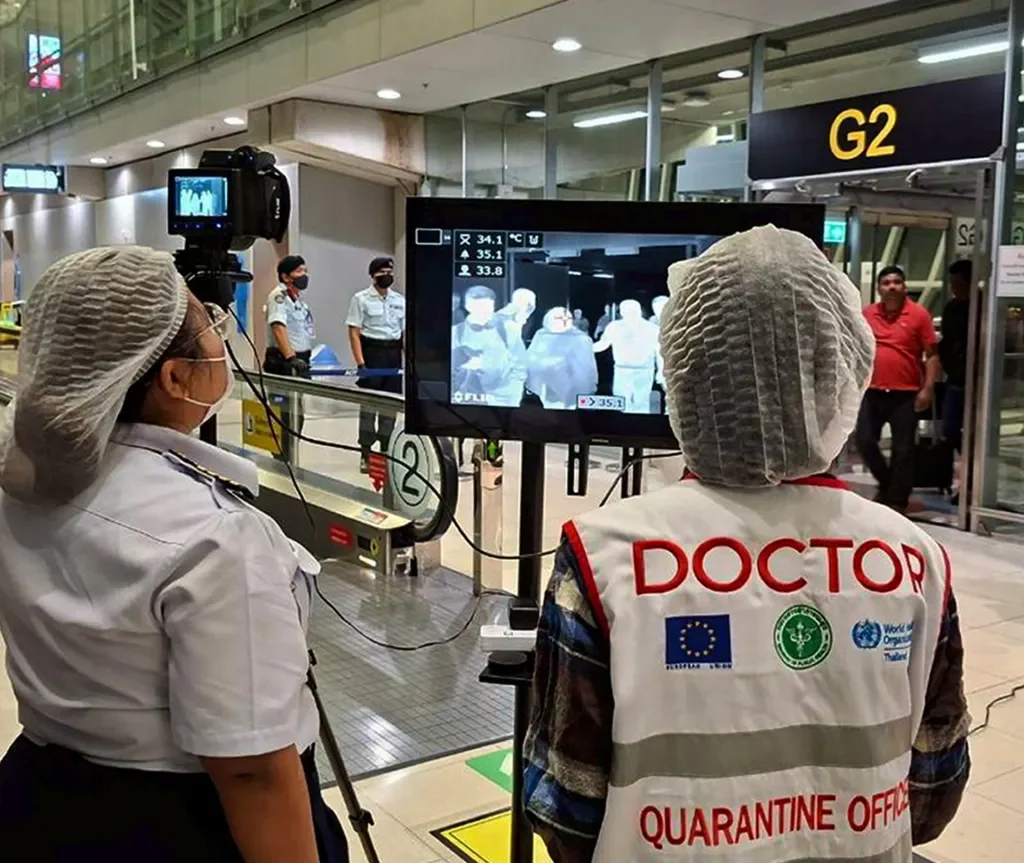
The 2025–2026 Nipah virus cases in India illustrate that high-risk pathogens are not confined by national borders. Through selective disclosure, delayed reporting, and episodic containment, outbreaks compel neighbouring states to implement proactive biosecurity measures, highlighting the strategic significance of regional health governance.
The Structural Costs of Hindutva Governance

India’s shift toward Hindutva governance has transformed identity into policy. As citizenship, culture, and power merge, over 28 crore minorities are pushed to the margins—fracturing institutions, normalising exclusion, and leaving long-term scars on the republic’s social fabric.
The Weaponization of the Rivers
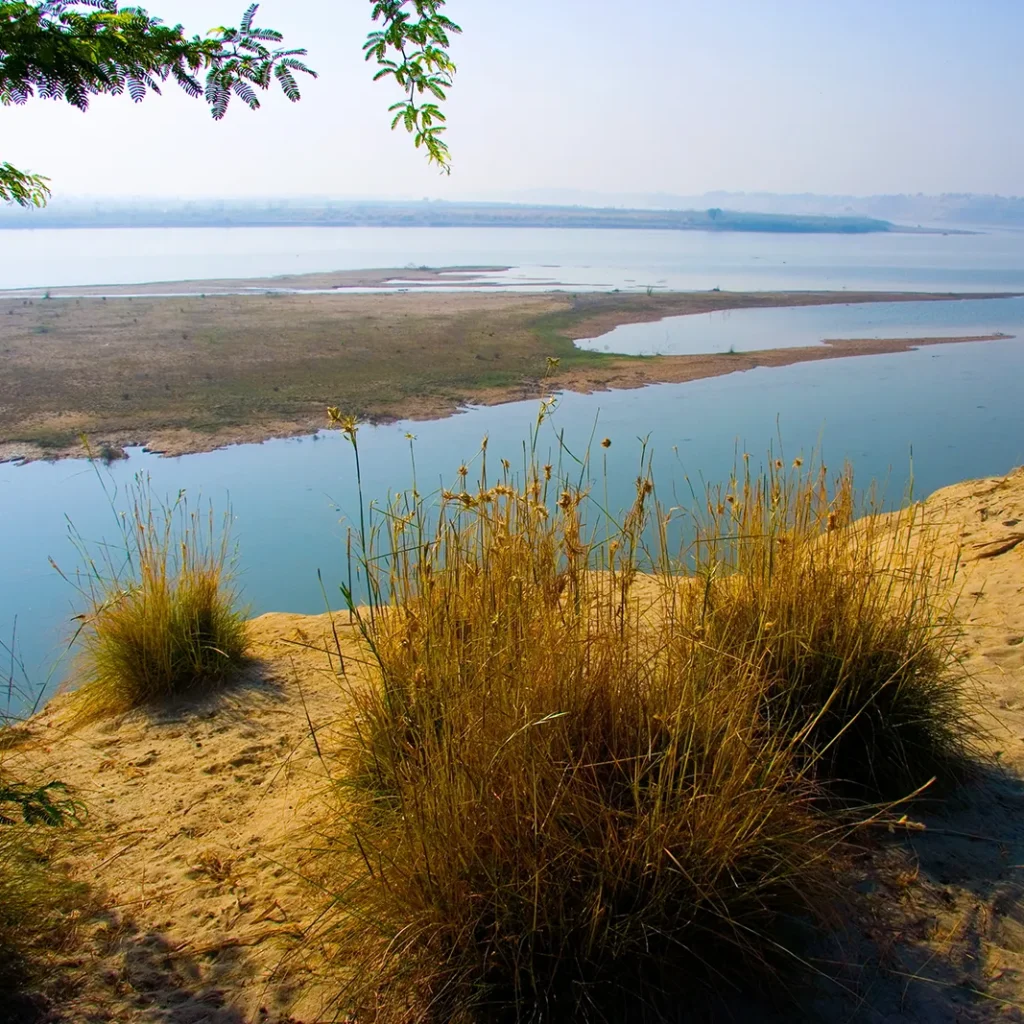
The Indus Waters Treaty is facing its gravest test as India’s unilateral actions on the Chenab transform water from a shared resource into a tool of coercion. In a climate-stressed region, disrupted river flows and suspended data sharing threaten Pakistan’s agrarian economy, food security, and regional stability.
India’s Offensive Defence Doctrines and Its Strategic Consequences
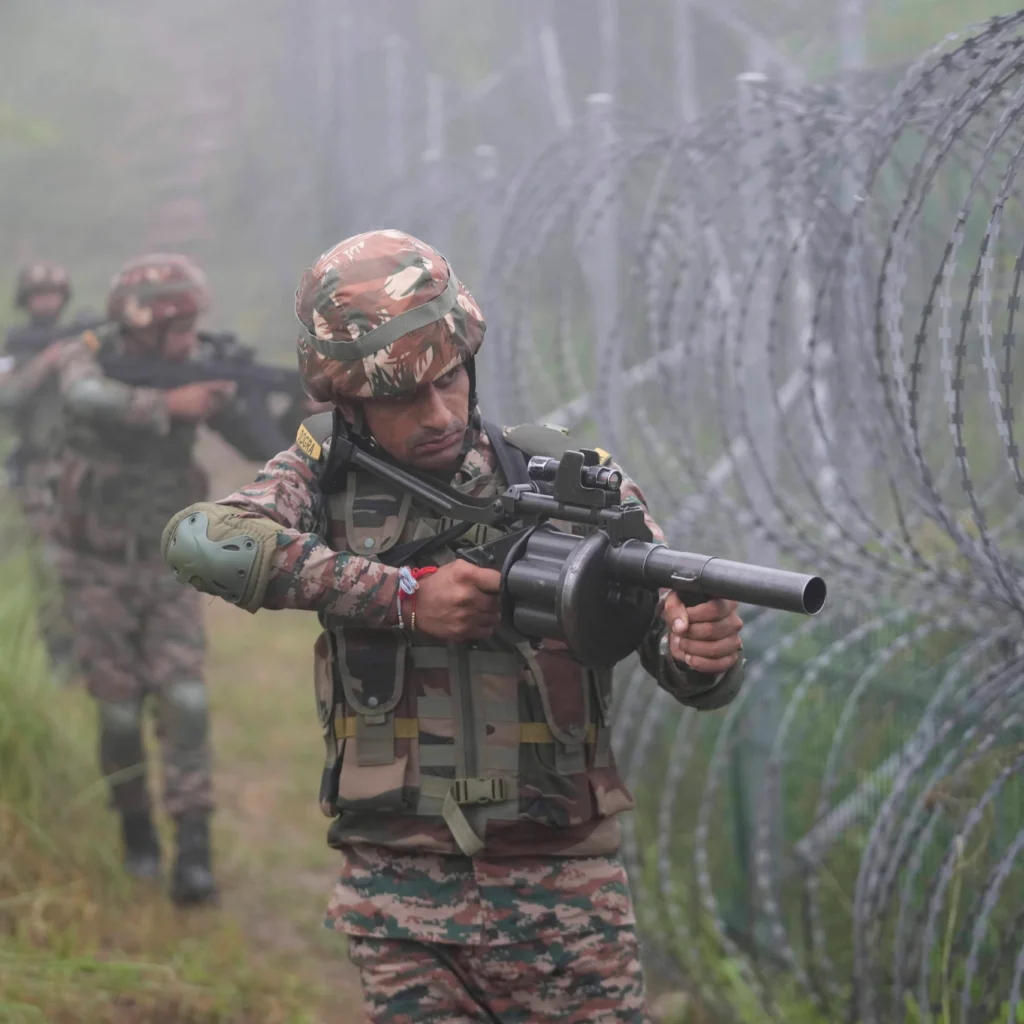
From the Sundarji Doctrine to Cold Start and 2025’s Operation Sindoor, India’s offensive doctrines aimed at rapid strikes against Pakistan repeatedly backfired, exposing operational gaps and narrowing its strategic options in multi-domain warfare.
Dancing on the Heads of Snakes
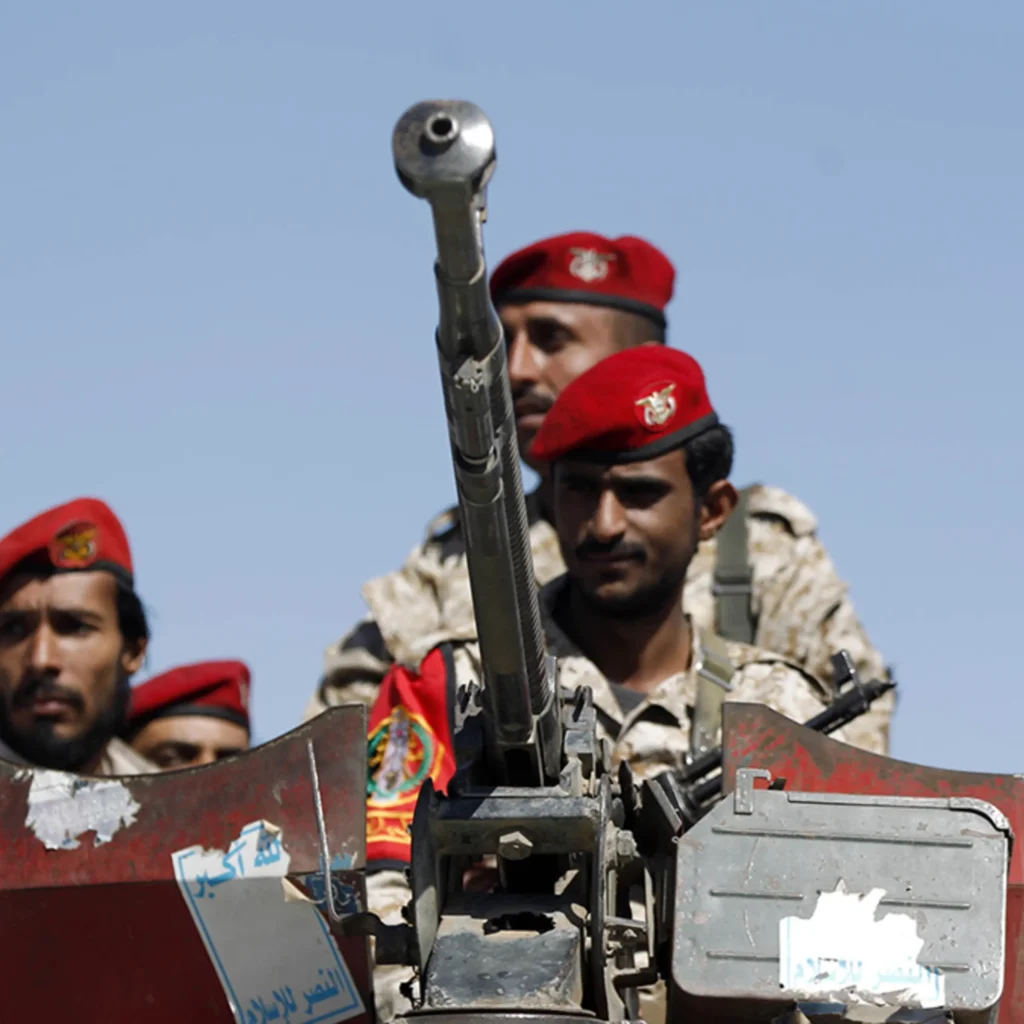
As 2025 ends, Yemen’s anti-Houthi coalition collapses. The Saudi-UAE split leaves rival militias and foreign powers vying for control, deepening the humanitarian crisis.