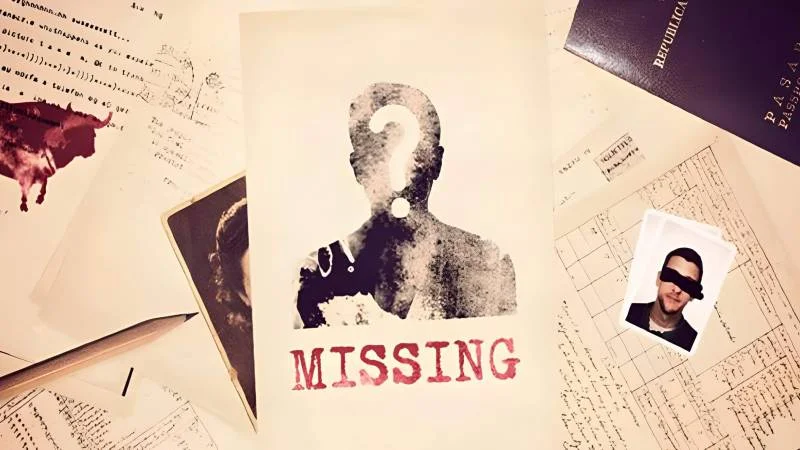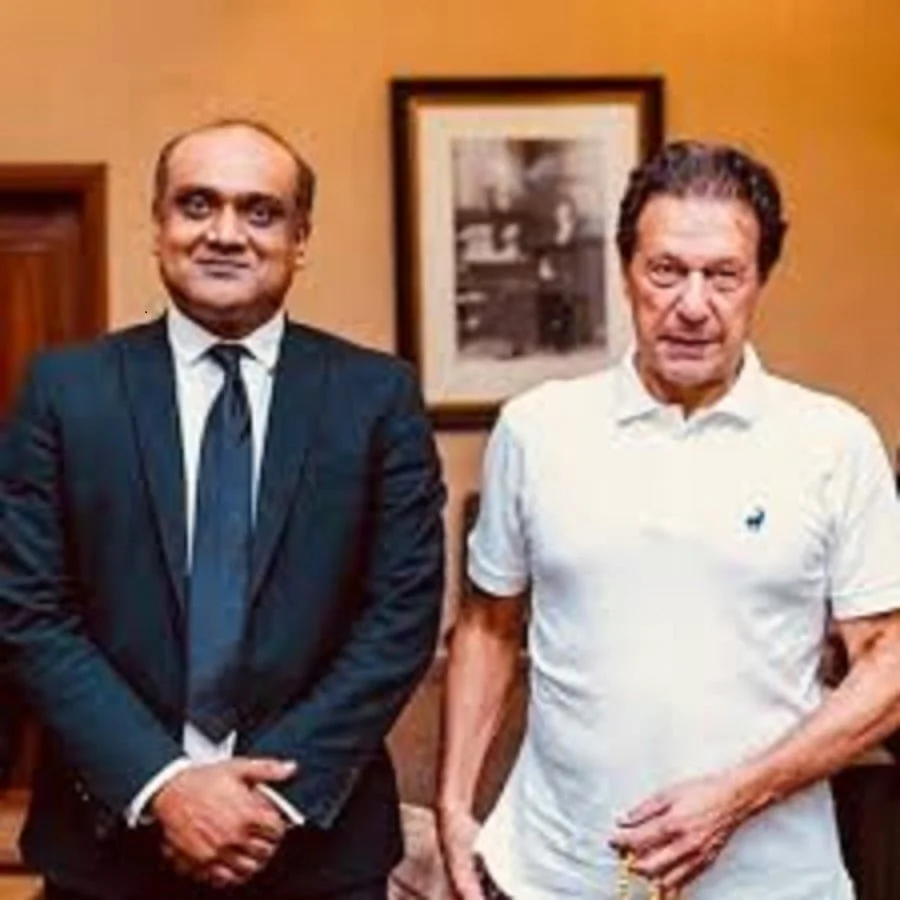
Intazar Ahmad Panjutha, a leading lawyer for Pakistan’s imprisoned former Prime Minister Imran Khan has resurfaced under mysterious circumstances nearly a month after his alleged “enforced disappearance.”
Police officials and Khan’s Pakistan Tehreek-e-Insaf (PTI) party confirmed the overnight recovery of Intazar Ahmad Panjutha. He went missing on October 8 while returning home to Islamabad. This recovery occurred amid allegations of involvement by government security agencies.
A day after Pakistan’s attorney general assured a federal high court on Friday that authorities would recover the lawyer “within 24 hours,” Punjutha’s recovery occurred, but he did not provide further details.
Late Saturday, police reported that they intercepted a suspicious vehicle in the city of Hassan Abdul, northwest of the Pakistani capital, and recovered the lawyer. They asserted that armed individuals with Intazar Ahmad Panjutha opened fire at police from within the vehicle and fled.
A video later surfaced showing a visibly shaken and weak Panjutha sitting in a vehicle with his hands and feet tied. In a separate video, the lawyer breaks down in tears while telling police officers that his captors demanded ransom and subjected him to severe custodial torture.
PTI Rejects Police Claims
Khan’s party rejected the police claims and Panjutha’s video remarks, stating that authorities forced him to make the statement and alleging again that security forces abducted the lawyer.
Salman Akram Raja, the secretary general of PTI, identified Intazar Ahmad Panjutha as one of Khan’s key lawyers in his ongoing legal battles.
Raja said in a video statement he released Sunday, “They filmed his condition, which spoke of the horror he endured, and spread it to cause fear. This is shameful.”
A police department spokesperson dismissed allegations of staging a fake encounter, asserting that officers rescued Panjutha from kidnappers demanding ransom.
Absa Komal, a prime-time news anchor at Pakistan’s Dawn TV channel, commented on Panjutha’s video appearance and sympathized with him.
Komal wrote on her social media platform X, formerly known as Twitter, “He is unrecognizable — a changed man. The attorney general told the high court that they would produce him in 24 hours, and this is how they have presented him. Shame on the decision-makers.”
Also See: Amidst Imran Khan’s Imprisonment, Supporters Rally for Release
Government Crackdown on PTI
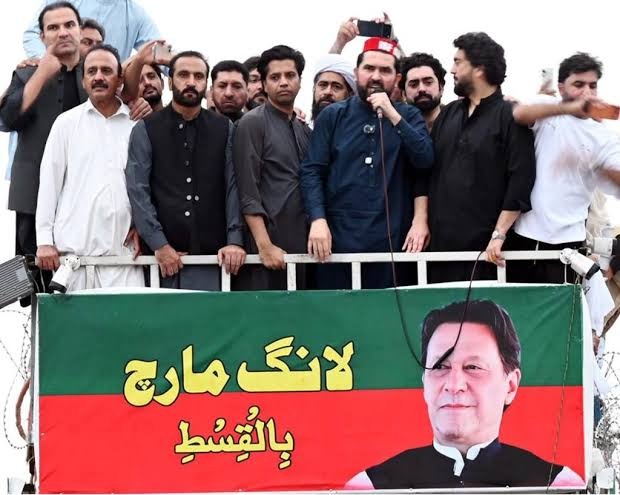
Since Khan’s removal from power through a parliamentary vote of no confidence in 2022, the government has cracked down on his party members and supporters. A year later, they jailed him over controversial allegations of corruption and inciting violence against the Pakistani military, among dozens of other charges.
The 72-year-old deposed leader rejects the lawsuits as fabricated by the military after allegedly orchestrating his ouster from power, charges government and army officials reject.
Domestic and international human rights groups have intensified their criticism of Pakistan’s military and intelligence agencies. They accuse these agencies of engaging in a campaign to suppress PTI and dissent at large.
Khan, cricket star-turned-prime minister, has led a campaign of defiance against the military since his ouster from power. Army generals have staged three coups and ruled Pakistan for over three decades since it gained independence in 1947.
Critics frequently accuse Pakistan’s military and its intelligence agencies of influencing the rise or fall of elected governments. They allege that this influence occurs through election rigging and pro-army political parties. However, army officials deny these charges.
U.S. Lawmakers Urge Biden to Secure Release of Imran Khan
Last month, more than 60 Democratic lawmakers from the U.S. House of Representatives sent a letter to President Joe Biden. They urged him to secure the release of Khan and all other political prisoners in Pakistan.
The American lawmakers expressed concern about the situation in Pakistan. They denounced what they described as the “ongoing widespread human rights violations” in the South Asian nation. They did not name Prime Minister Shehbaz Sharif’s coalition government in their letter. Instead, they stated that “Pakistan’s current system amounts to ‘military rule with civilian facade.’”
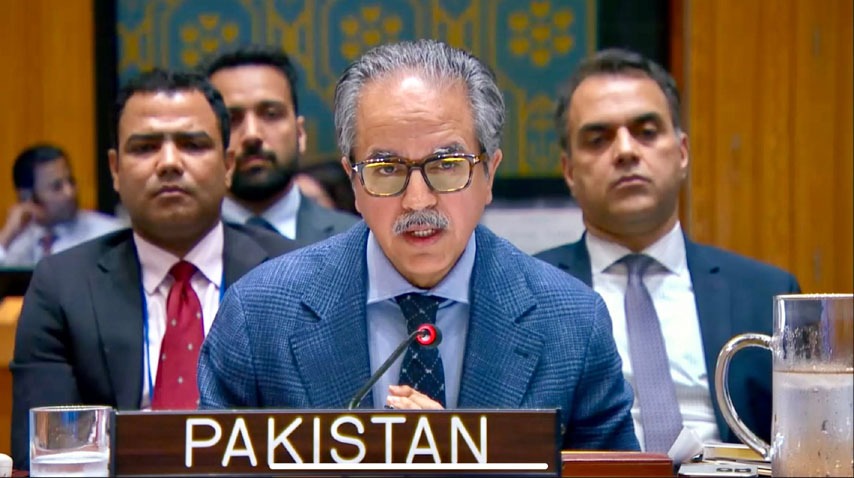
Islamabad hit back at the letter, saying it is based on “an incorrect understanding of the political situation in Pakistan.”
This news is sourced from VoA News and is intended for informational purposes only.

Your trusted source for insightful journalism. Stay informed with our compelling coverage of global affairs, business, technology, and more.