![Pakistan urges action as US weapons left in Afghanistan are used by terrorists, amid reports of US demands for their return. [File photo via Reuters]](https://southasiatimes.org/wp-content/uploads/2025/01/29215030b7d4b1f.webp)
The Foreign Office on Wednesday reiterated its “profound concern” at the presence of advanced weapons left behind in Afghanistan being used for terrorist activities against Pakistan amid reports of the United States (US) demanding the return of such military equipment.
As the US troops departed Afghanistan in August 2021, they destroyed more than 70 aircraft, dozens of armoured vehicles and disabled air defences before flying out of Kabul’s Hamid Karzai International Airport following a chaotic evacuation operation. However, a large stock of weapons and equipment was still left behind that was coopted by the Afghan Taliban.
The arms also fell into the hands of the banned militant Tehreek-i-Taliban Pakistan group and other terrorist outfits, as pointed out by Pakistan and others. Islamabad has repeatedly raised concerns over the use of Afghan soil by militants for cross-border terrorism and called on the United Nations for a “concerted campaign” to recover all weapons from terrorist groups such as the TTP.
Meanwhile, the previous Joe Biden administration maintained that American forces left behind no equipment during the Afghanistan withdrawal that could be utilised by terrorists to target Pakistan.
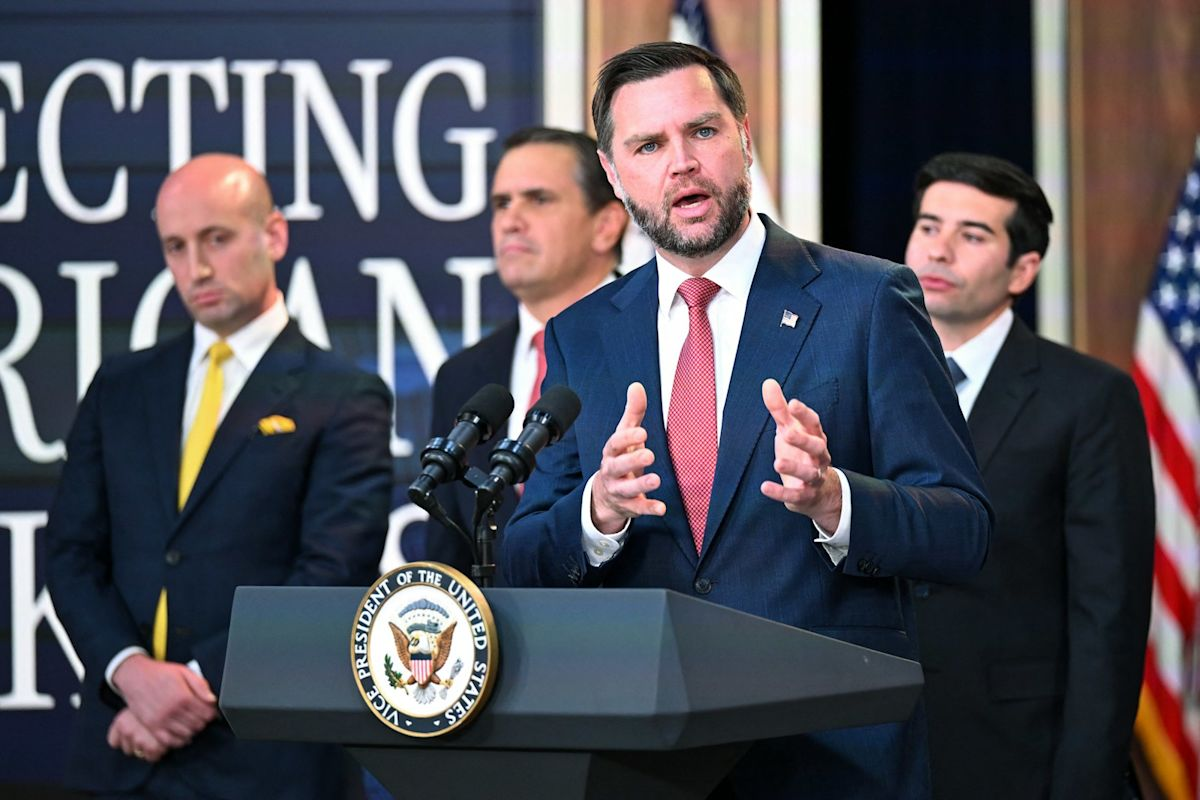
However, in a rally in Washington on the day of his January 20 inauguration, President Donald Trump had said while referring to the Biden administration: “They gave our military equipment, a big chunk of it, to the enemy.”
Also See: TTP Resurgence: A Deadly Sequel with No End in Sight — Is Pakistan’s Patience Running Out?
Trump had conditioned aid for Afghanistan to the return of military equipment. “Tell them we’re not going to give them the money unless they give back our military equipment. … So, we will give them a couple of bucks; we want the military equipment back,” he had said.
In a Jan 21 report, Bloomberg had quoted a person familiar with the matter as saying that the Afghan Taliban would not return any of the military equipment.
In a statement issued today on queries regarding the above development, FO Spokesperson Shafqat Ali Khan said: “The presence of US advance weapons in Afghanistan, left behind in the aftermath of the withdrawal of its troops in August 2021, has been an issue of profound concern for the safety and security of Pakistan and its citizens.”
He added that the weapons had been used by terrorist organisations, including the TTP, to carry out terrorist attacks in Pakistan. “We have been repeatedly calling upon the de facto authorities in Kabul to take all necessary measures to ensure that these weapons do not fall into the wrong hands,” he further said.
Pakistan, particularly Balochistan and Khyber Pakhtunkhwa, saw a sharp uptick in terrorism-related incidents in 2024 and overall since August 2021. Terror attacks have increased since the TTP broke a fragile ceasefire agreement with the government in 2022, vowing to target security forces and other law enforcement agencies.
Nine terrorists were killed in a clearance operation after they infiltrated the Mianwali Training Air Base of the Pakistan Air Force (PAF) in November 2023. According to reports, terrorists scaled the eight-foot-high boundary wall of the PAF base after cutting the barbed wire and attacked some grounded aircraft besides damaging an oil bowser. There were also reports of American weapons allegedly used in the air base attack.
This news is sourced from Dawn and is intended for informational purposes only.

Your trusted source for insightful journalism. Stay informed with our compelling coverage of global affairs, business, technology, and more.