Pakistan cut its benchmark interest rates to the lowest in two years as policymakers look to support the nation’s crisis-ridden economy.
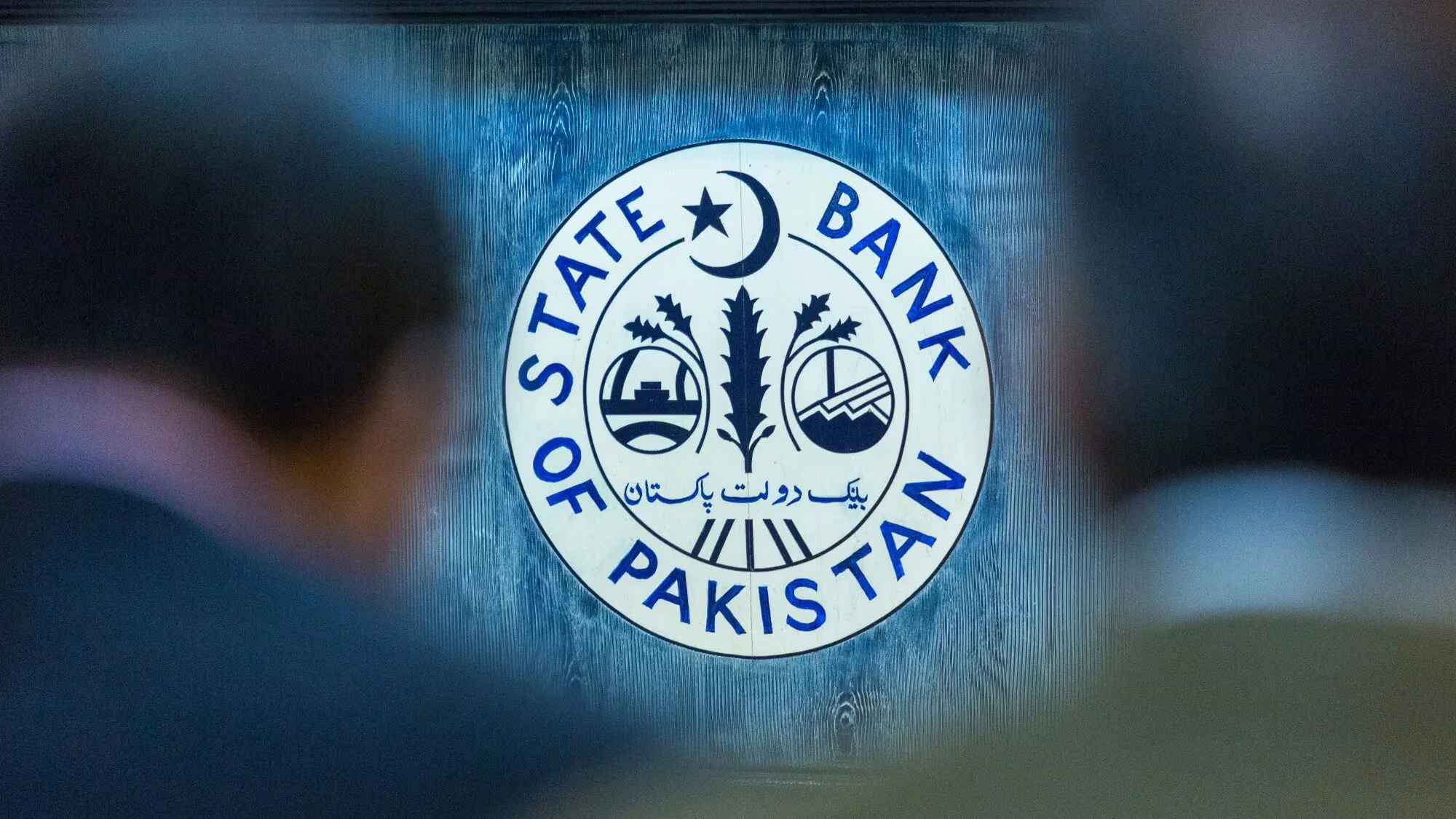
The State Bank of Pakistan lowered the target rate by 250 basis points to 15%, the central bank said in a statement on Monday. All the 38 economists surveyed by Bloomberg predicted a rate cut, with eight forecasting the exact measure.
The current monetary policy stance is “appropriate to achieve the objective of price stability on a durable basis by maintaining inflation within the 5%-7% target range,” the central bank said. “This will also support macroeconomic stability and help achieve economic growth on a sustainable basis.” While consumer prices climbed slightly
in October, inflation is well below its peak of almost 40% last year, giving the central bank room to cut rates. The bank has cumulatively reduced its benchmark rate by 700 basis points since June. Economists in a separate Bloomberg survey forecast the target rate at 13.5% by the end of the current fiscal year ending June 2025.
Inflation may decline further in next few months due to contained demand, improved food supplies, benign global oil prices and favorable base effect, the central bank said. It expects average inflation for the current fiscal year to fall below its forecast range of 11.5%–13.5%.
Also See: Beyond Numbers: Pakistan Economic Recovery Challenges
What Bloomberg Economics Says
The State Bank of Pakistan’s rate cut on Nov. 4 should help boost demand which has been weakened by high real interest rates of Pakistan and a contractionary fiscal policy. We expect the SBP to keep easing through June 2025 to support growth as real rates stay high.
— Ankur Shukla, economist
Pakistan’s economy has stabilized in the last few months as the International Monetary Fund’s $7 billion loan trickles in. Import and currency restrictions that hurt industrial activity have eased. Foreign exchange reserves now cover nearly two months of imports, up from the critically-low levels of just a few weeks in early 2023.
Authorities are also closing in on additional external financing to manage future debt obligations. Pakistan faces about $26 billion in loan repayments in the fiscal year ending June 2025. The nation needs to repay $6.3 billion of foreign debt till June, central bank governor Jameel Ahmad told analysts at a briefing.
Cooling inflation and monetary easing will spur growth, Finance Minister Muhammad Aurangzeb said last month. The government forecasts expansion of 3.6% in the year through June 2025, compared to 2.5% last year.
This news is sourced from Bloomberg and is intended for informational purposes only.

Your trusted source for insightful journalism. Stay informed with our compelling coverage of global affairs, business, technology, and more.