
Why Pakistan Still Matters to Its Diaspora
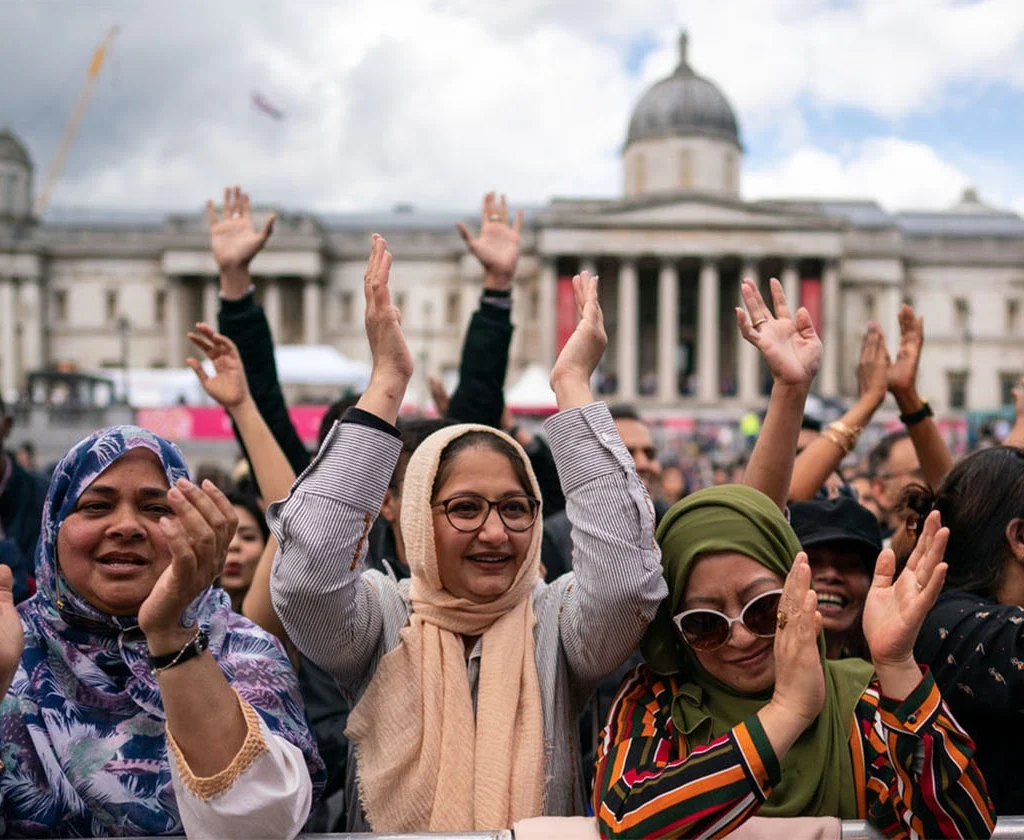
For generations of the Pakistani diaspora, belonging in the West has felt conditional, while Pakistan remains both a sanctuary and a source of frustration. Their lived experiences, shaped by partition memories, racial hostility abroad, and continued engagement with Pakistan, reveal a paradox of love, responsibility, and disillusionment.
Rahul Gandhi Booked by Bihar Police: A Case of Political Victimization under Modi
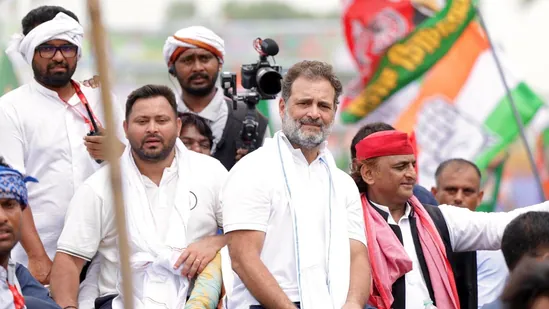
The recent case against Rahul Gandhi in Bihar is part of a larger, systemic pattern of legal harassment. Critics argue this is a deliberate strategy to stifle dissent, weaken India’s opposition, and prevent one of the government’s most vocal critics from connecting with voters. This continuous legal pressure highlights a troubling erosion of democratic norms in India.
UNGA 80: Pakistan’s Case Against Terrorism, Proxies, and Global Neglect
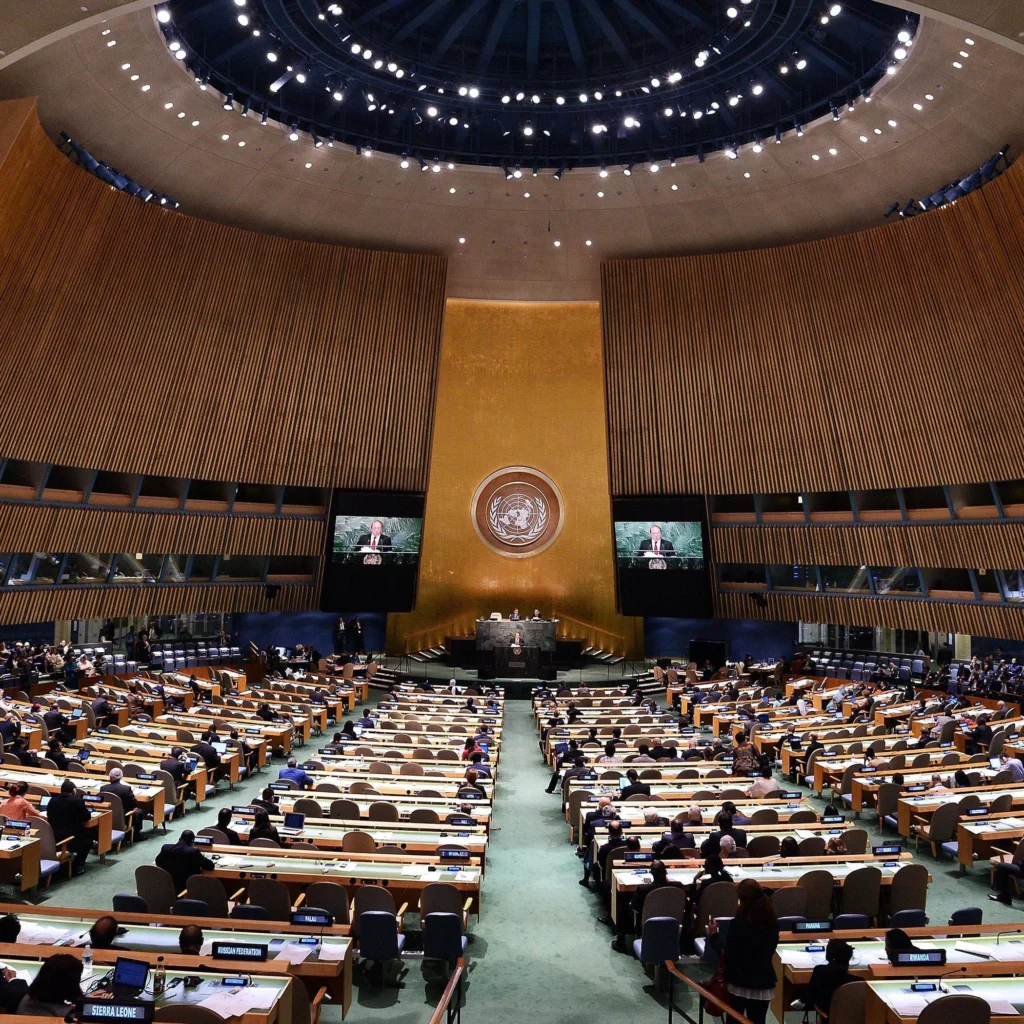
As the UN General Assembly meets under the theme of peace and cooperation, Pakistan highlights its struggle against cross-border terrorism, proxy wars, and external agendas undermining its stability.
Pakistan’s Counter-Terrorism Dilemma: Balancing Civilian Protection and Security
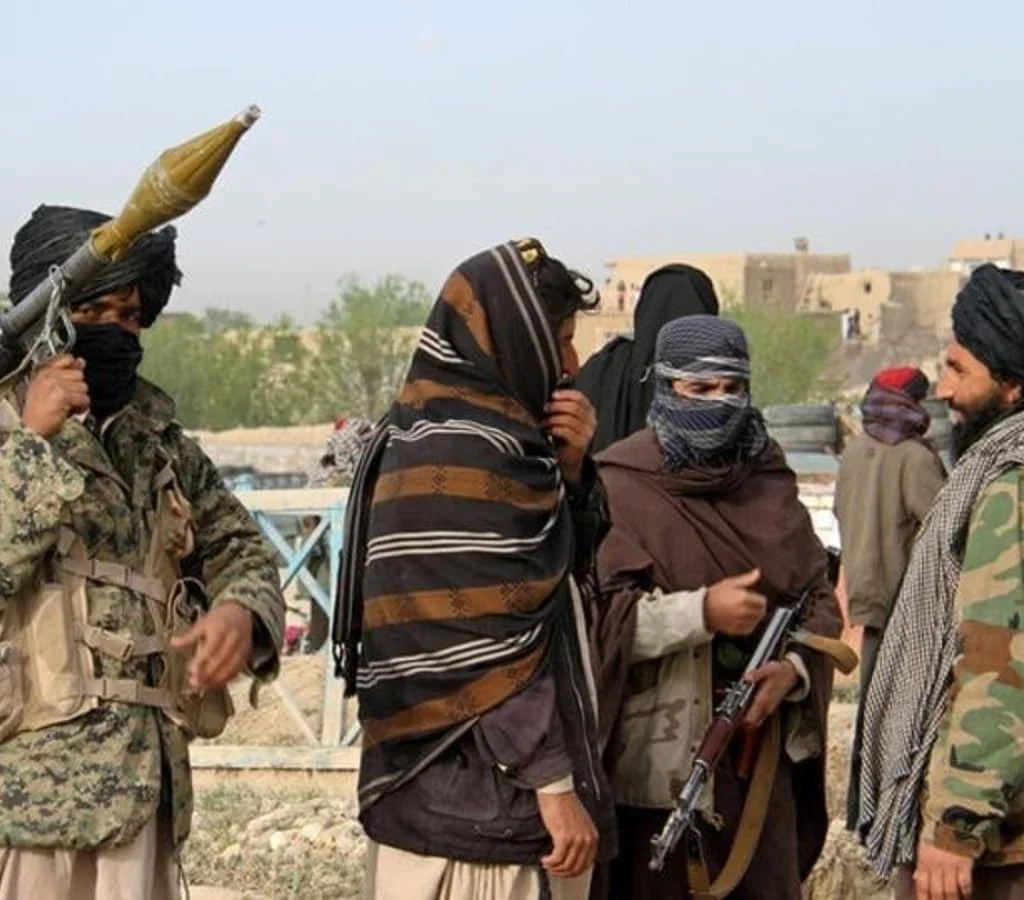
Unlike its peak years of 2007–2009, the TTP no longer commands territory but operates through small decentralized cells that blend into civilian populations. This shift poses an unprecedented challenge for Pakistan’s security forces, where every strike risks civilian casualties and fuels propaganda. The dilemma is not unique, echoing ISIS in Iraq and Boko Haram in Nigeria, but it demands a collective civil-military response to deny militants both sanctuary and narrative advantage.
From 1965 Battlefields to Hybrid Frontlines: Pakistan’s Enduring Test
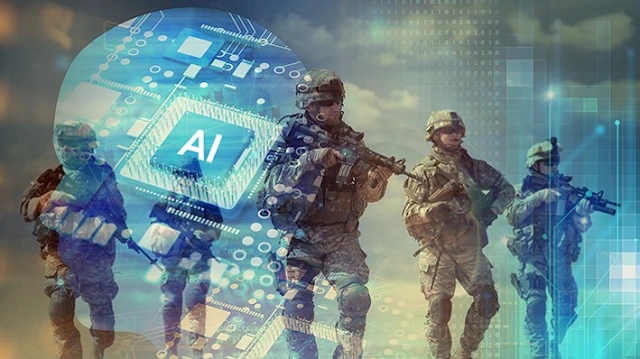
Explore how Pakistan’s 1965 war legacy connects to today’s hybrid warfare—disinformation, proxies, and economic pressure reshaping national defense.
Syed Ali Shah Gillani: The Ideologue Who Defined Kashmir’s Defiance
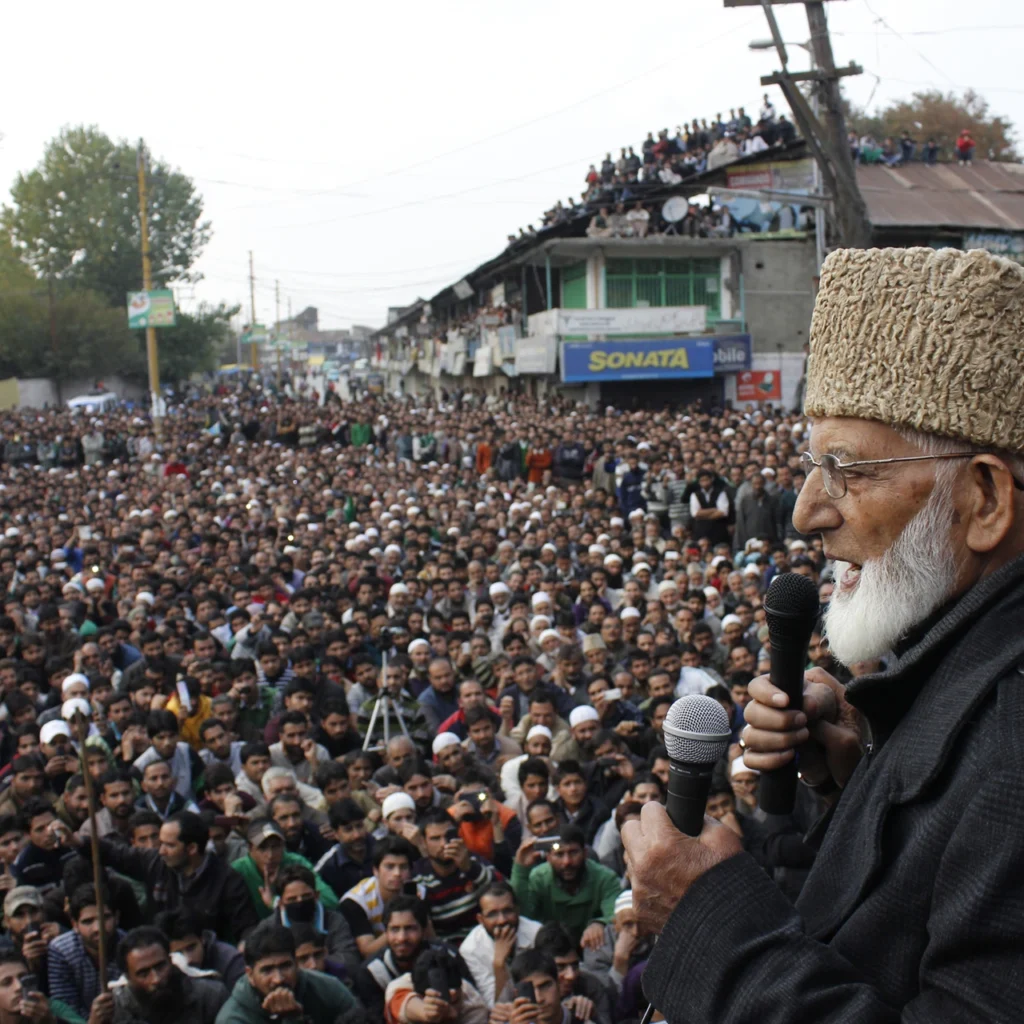
Syed Ali Shah Gillani was more than a political leader—he was the unwavering voice of Kashmiri resistance. From electoral politics to decades of confinement, his life embodied an uncompromising devotion to self-determination and a rejection of political compromise. His passing in 2021 marked not an end, but the continuation of a struggle defined by defiance and sacrifice.
Extremist Rhetoric and Constitutional Reality: The Case of Pakistan’s Islamic Identity
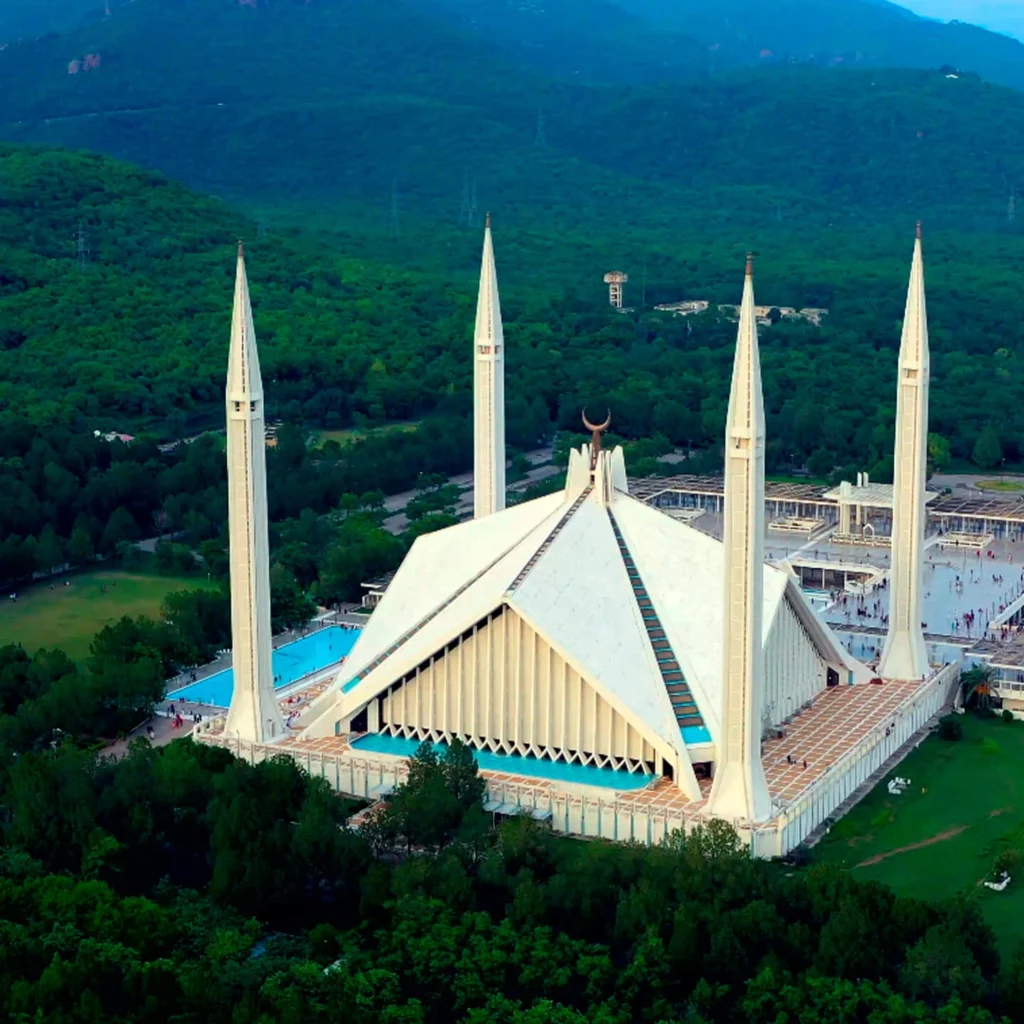
The glorification of militants as martyrs by Mufti Kifayatullah reveals a dangerous narrative that mirrors extremist propaganda. From constitutional consensus to historic fatwas by leading scholars, Pakistan’s religious and political mainstream has repeatedly rejected armed rebellion as un-Islamic. By platforming extremist sympathizers, certain nationalist movements risk legitimizing violence, undermining national sacrifices, and enabling the TTP’s attempt to co-opt Pashtun identity. The path forward lies in constitutionalism, peace, and dialogue—not violence.
Afghan Propaganda Targets Pakistan Amidst Escalating Terror Nexus
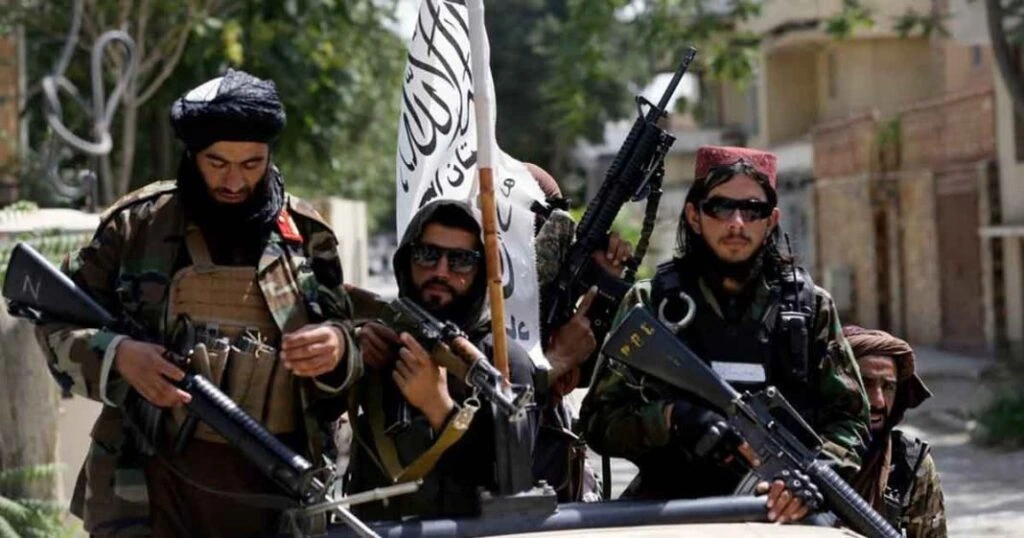
On August 27, Afghan officials once again accused Pakistan of strikes in Khost and Nangarhar, without evidence. This fits a growing pattern where Kabul uses propaganda to deflect attention from its role in harboring groups like TTP, Al-Qaeda, and ISKP, leaving ordinary Pakistanis to bear the human cost of cross-border terrorism.
Pakistan’s Counter-Terrorism Strategy: Why Comparisons to the US War on Terror Are Misleading
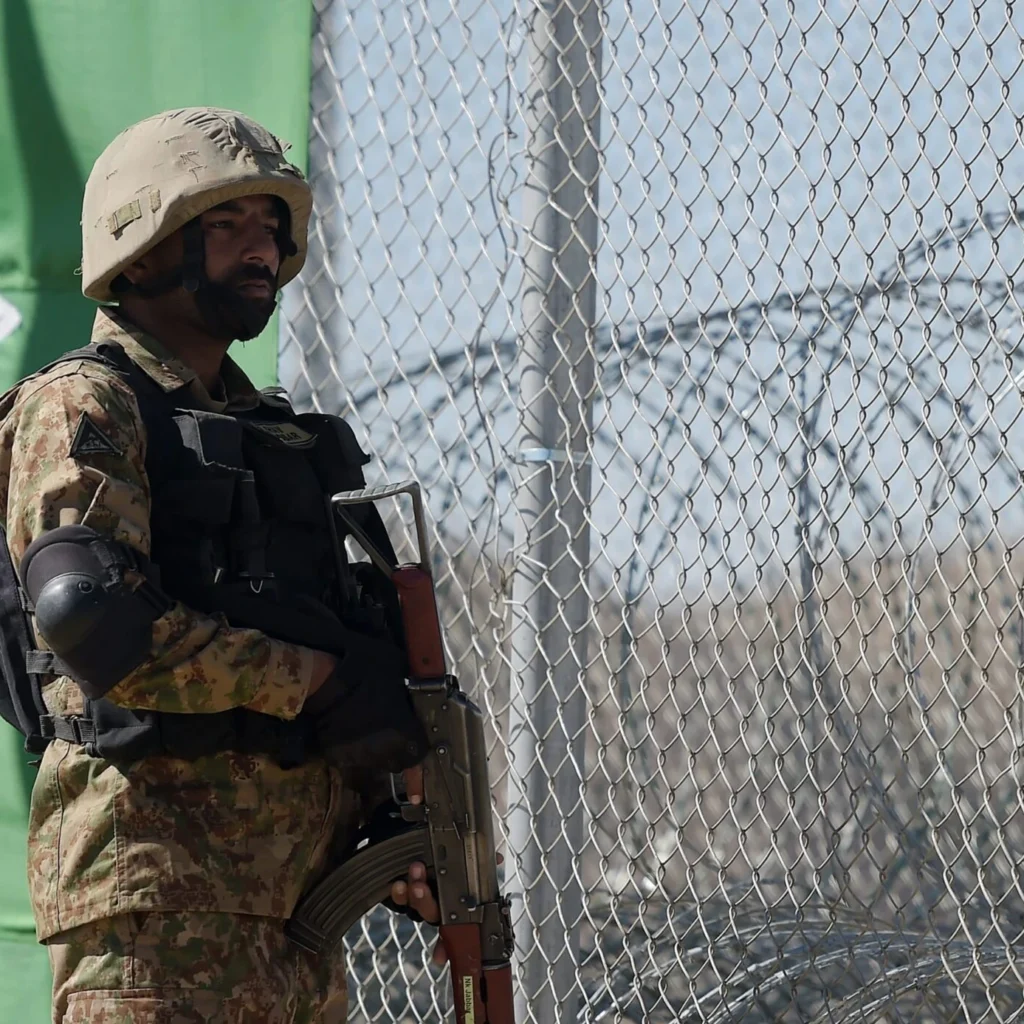
Obaidullah Baheer’s critique misrepresents Pakistan’s counter-terrorism fight by equating it with America’s wars abroad. Unlike the US, Pakistan faces an existential threat from groups like the TTP and BLA, requiring a nuanced mix of military, legal, and development responses.