
Pakistan’s Role in UN Peacekeeping: A Legacy of Sacrifice and Global Service
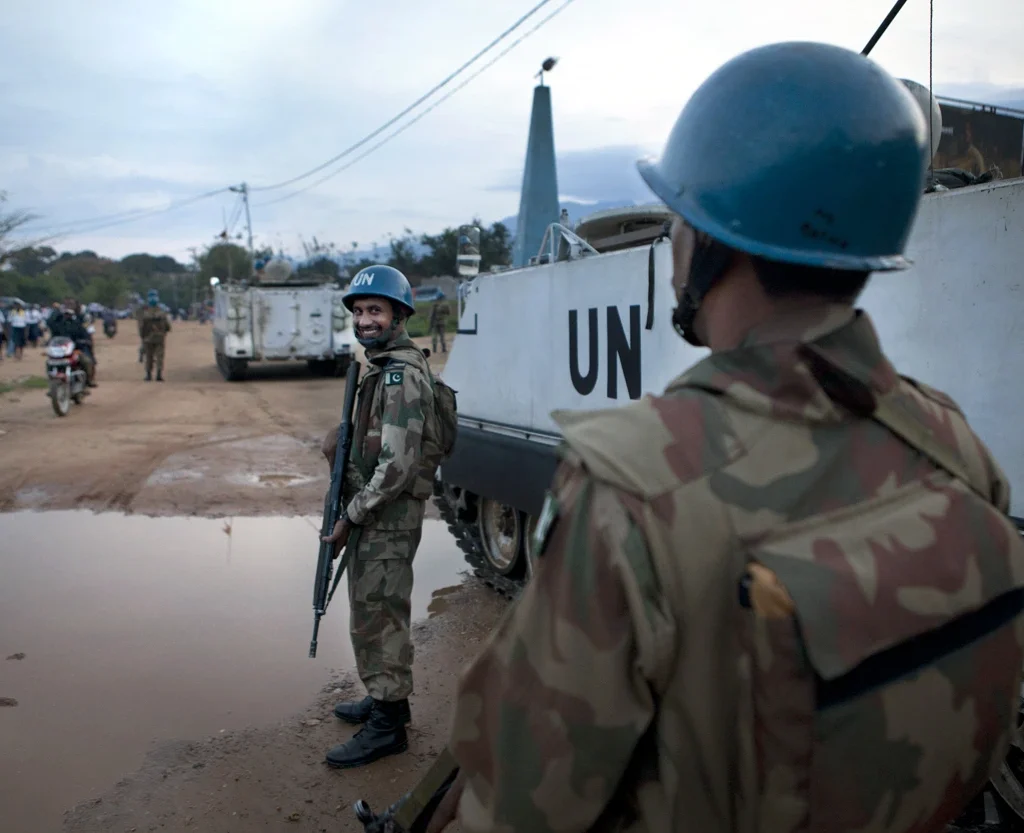
For over seven decades, Pakistan’s role in UN peacekeeping has defined its international standing. From the Congo in 1960 to modern missions in South Sudan and the DRC, Pakistani peacekeepers have shown courage, adaptability, and sacrifice. Their legacy is one of humanitarian commitment and global service.
The Weaponization of Human Rights: Subversion in the Modern Age and the Case of Pakistan
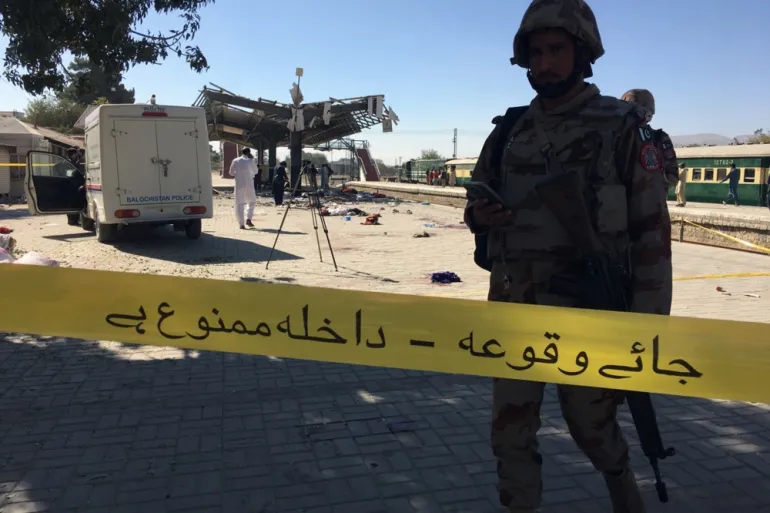
The op-ed explores how human rights are weaponized in Pakistan, enabling separatism and disinformation, and argues for reclaiming genuine rights discourse.
CPEC 2.0: A Lifeline for Pakistan’s Economic Revival and Regional Integration
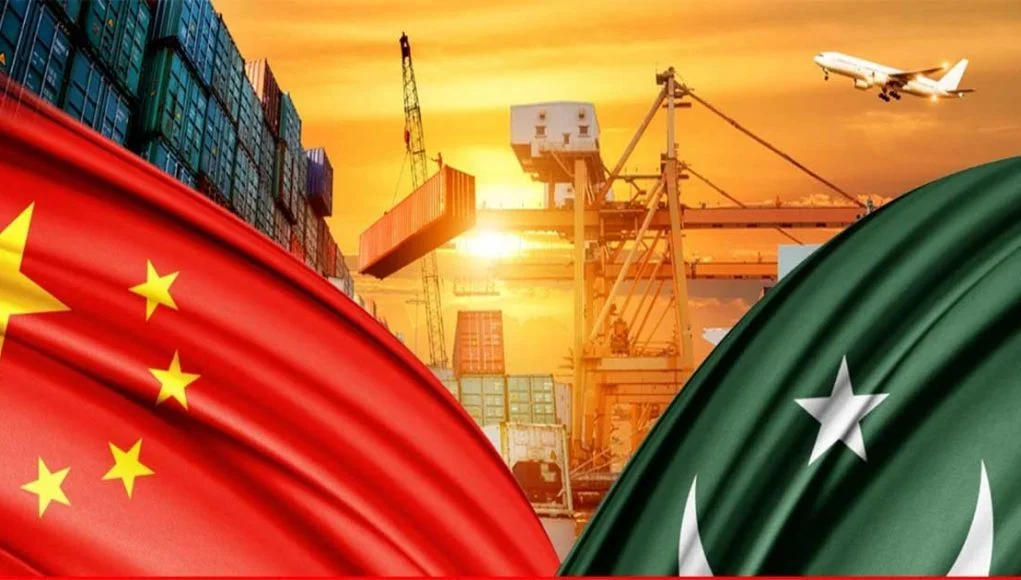
Pakistan and China have launched CPEC 2.0, shifting from roads and energy to industries, technology, and trade. With $64 billion in projects and Gwadar Port at its heart, the initiative promises jobs, growth, and regional integration at a critical time.
A Principled Legacy: Pakistan at the UNGA
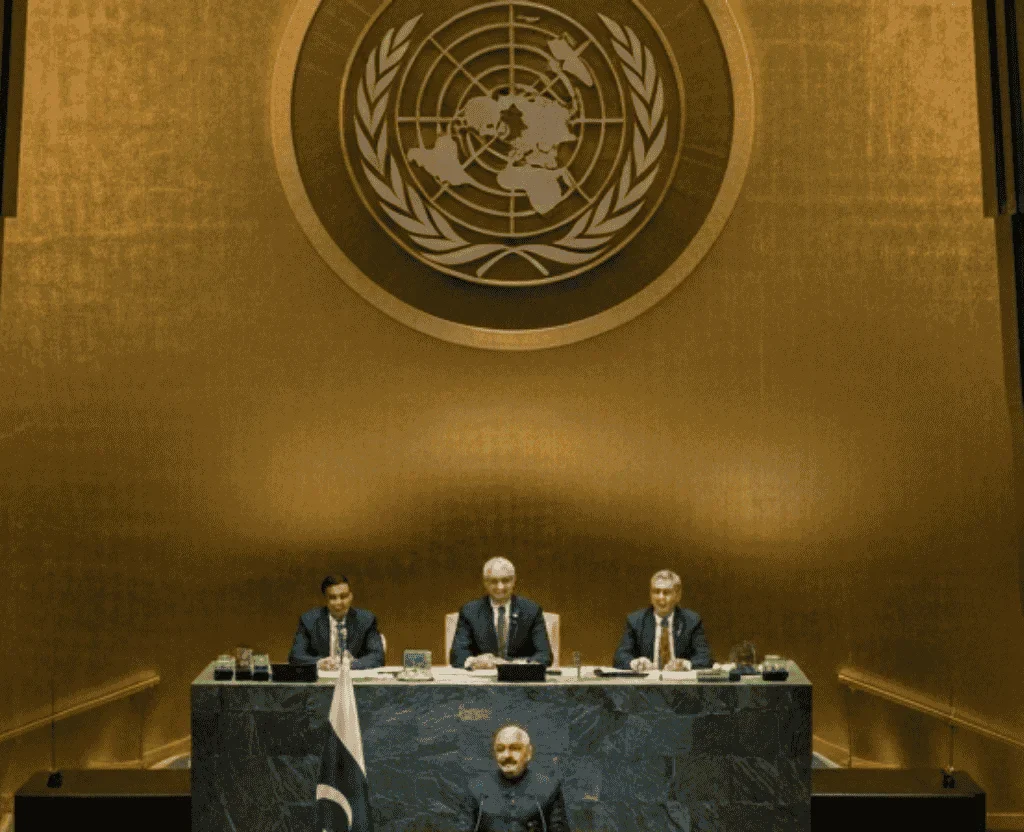
Since 1947, Pakistan has used the UN General Assembly to advance causes of self-determination, decolonization, and justice. From supporting Algeria and Afghanistan to championing Palestine and combating Islamophobia, Pakistan’s consistent diplomatic efforts underscore its role as a defender of global equity and multilateralism.
Neglected Languages & Overlooked Identities in Sindh
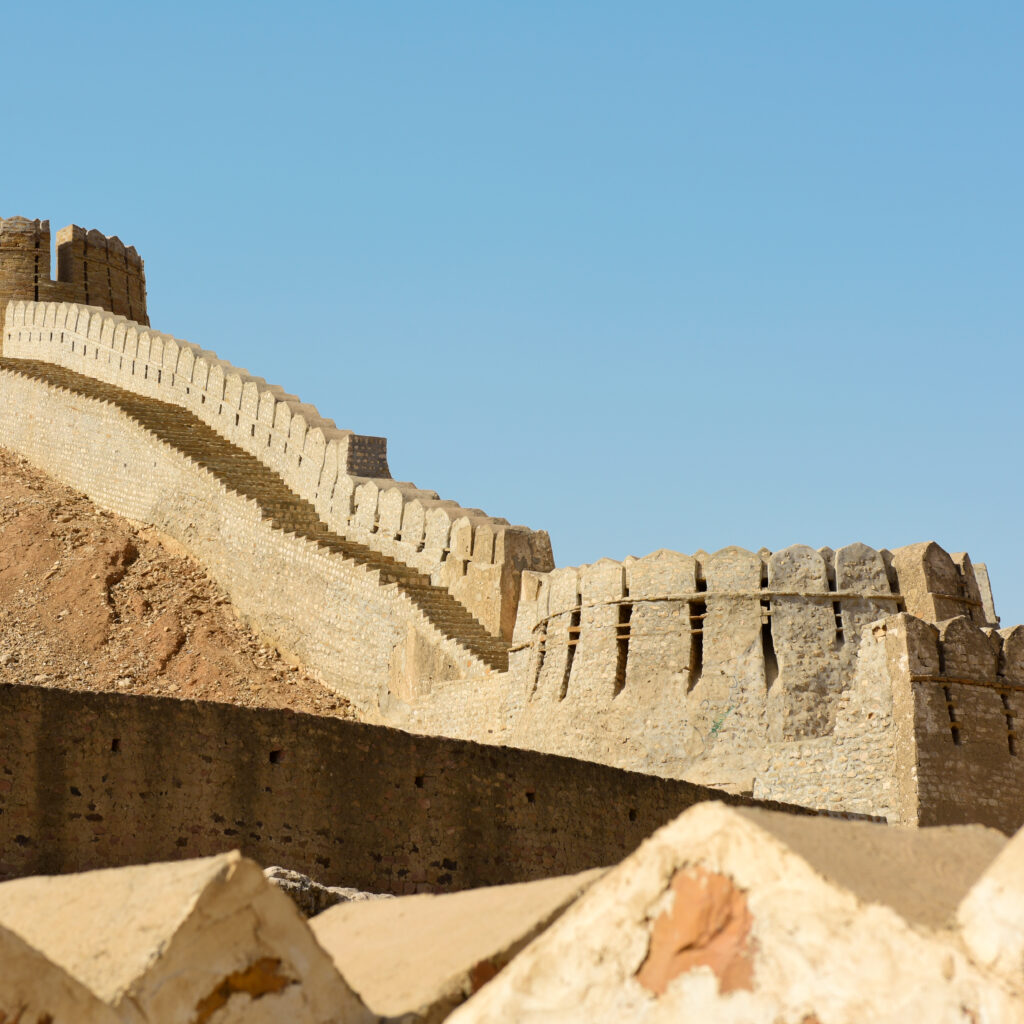
Sindh is home to at least 16 distinct languages, yet official recognition remains limited to Vicholi Sindhi. This marginalization threatens cultural heritage, deepens social inequalities, and obscures the province’s rich linguistic mosaic. Reforming policies to include all regional tongues is essential for inclusivity and unity.
Pakistan at the SCO Summit: Strategic Messaging and Diplomatic Wins
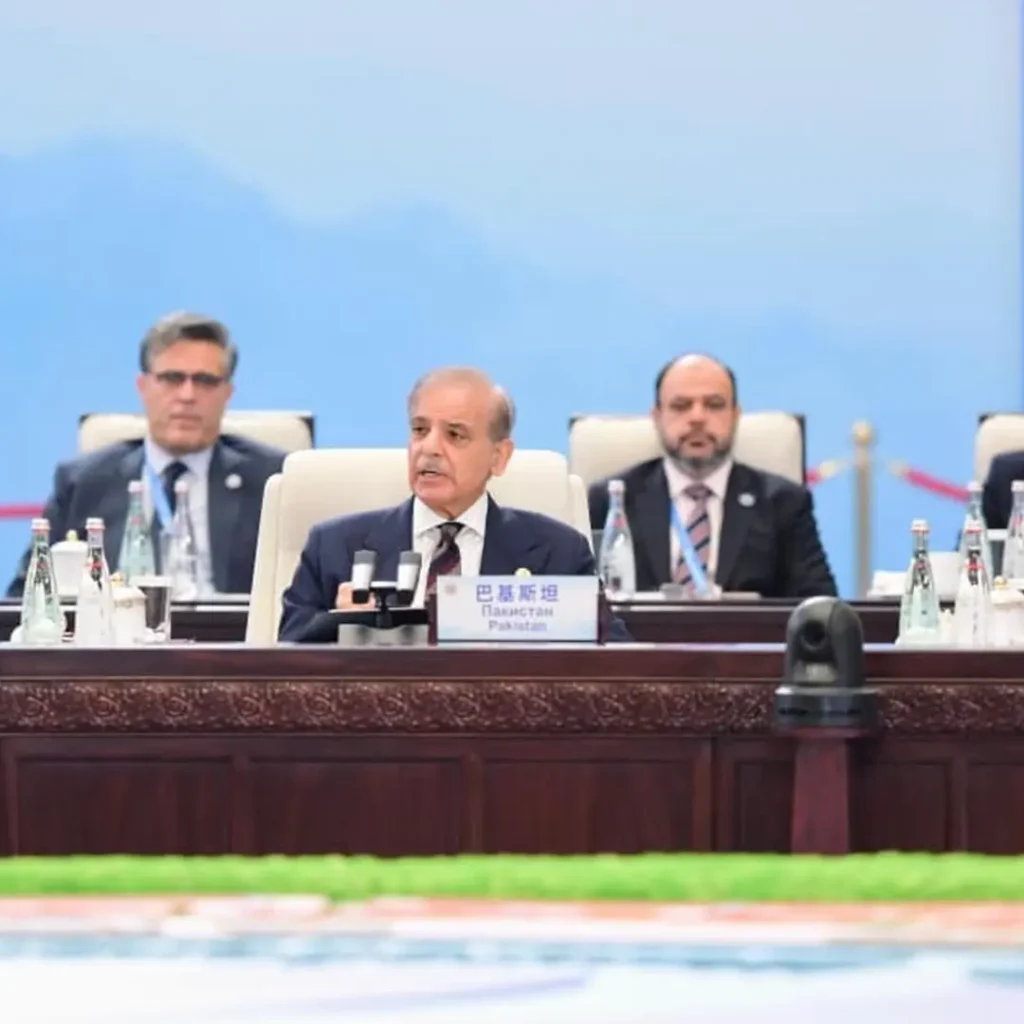
Pakistan’s active engagement at the Shanghai Cooperation Organisation summit reflected a strategic balancing act between security concerns, economic connectivity, and regional diplomacy. Prime Minister Shahbaz Sharif not only internationalized India’s Indus Waters Treaty move but also secured explicit SCO condemnation of terrorist attacks inside Pakistan. Coupled with key bilateral meetings with China, Russia, Turkiye, Iran, and Azerbaijan, Islamabad emerged from the summit with both narrative and diplomatic gains, reinforcing its role as a pivotal regional actor.
Water, War, and the UN: The Indus Basin Dilemma
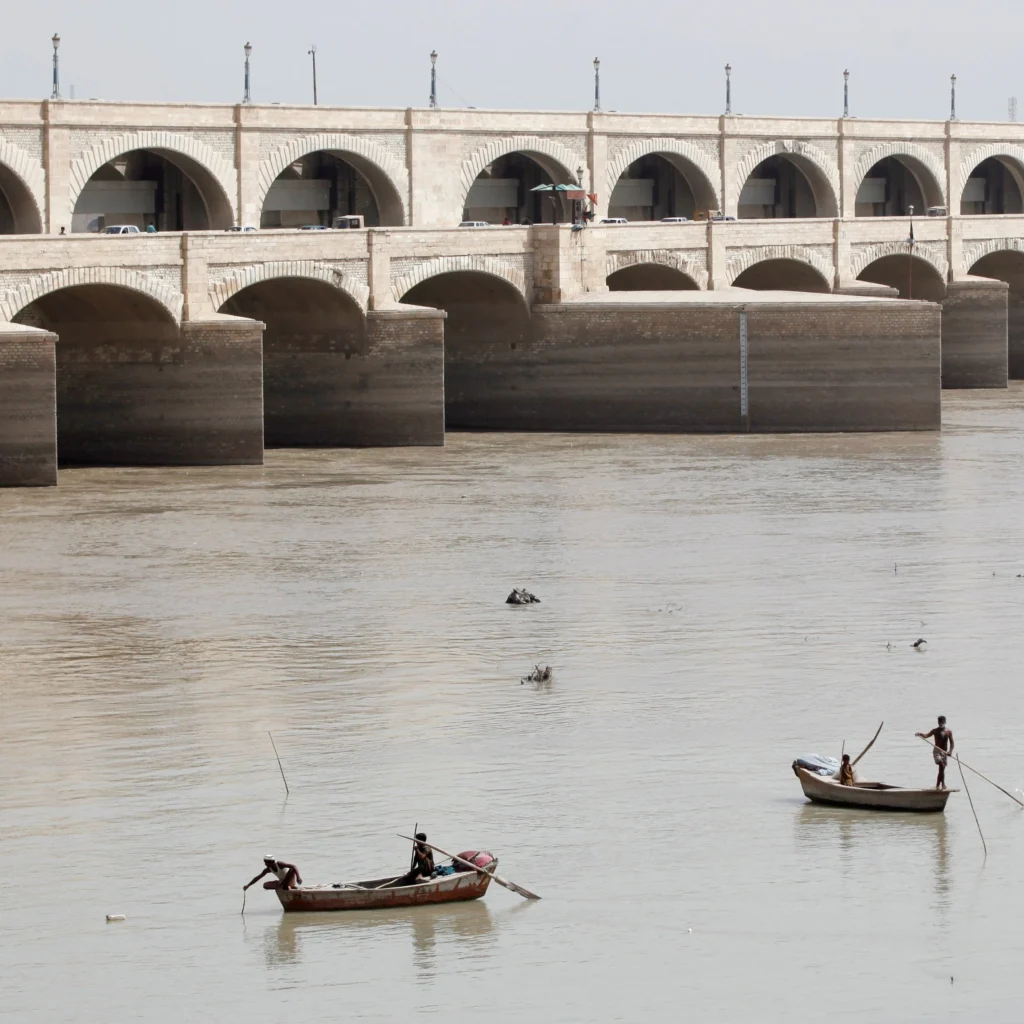
The Indus Waters Treaty, once hailed as a model of cooperation, faces its gravest challenge after India’s unilateral suspension in 2025. For Pakistan, water security is a matter of survival, with millions dependent on the Indus Basin for food and livelihoods. As tensions mount, the fear of “water terrorism” looms large, raising the stakes for regional stability. The UN must move beyond silence, leveraging law and diplomacy to ensure the Indus remains a source of life rather than a trigger for war.
The Indian Muslim:The Unmaking of Secular India
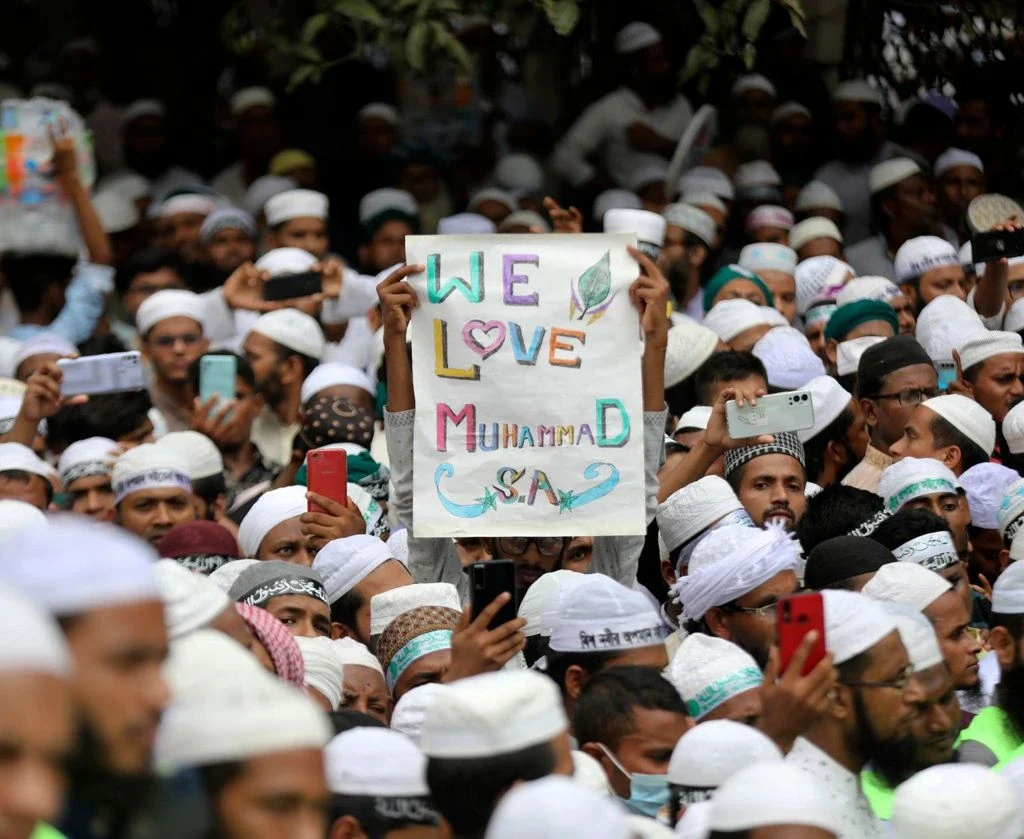
The last few weeks exposed the depth of state-enabled tyranny against India’s Muslims. From the lynching of Suleman Pathan and the desecration of historic Muslim sites to bulldozer demolitions, deportations, and criminalization of dissent, violence has become systemic. With political rhetoric normalizing hate and laws codifying discrimination, India risks eroding its secular fabric and legitimizing religious persecution as governance.
Afghanistan conundrum
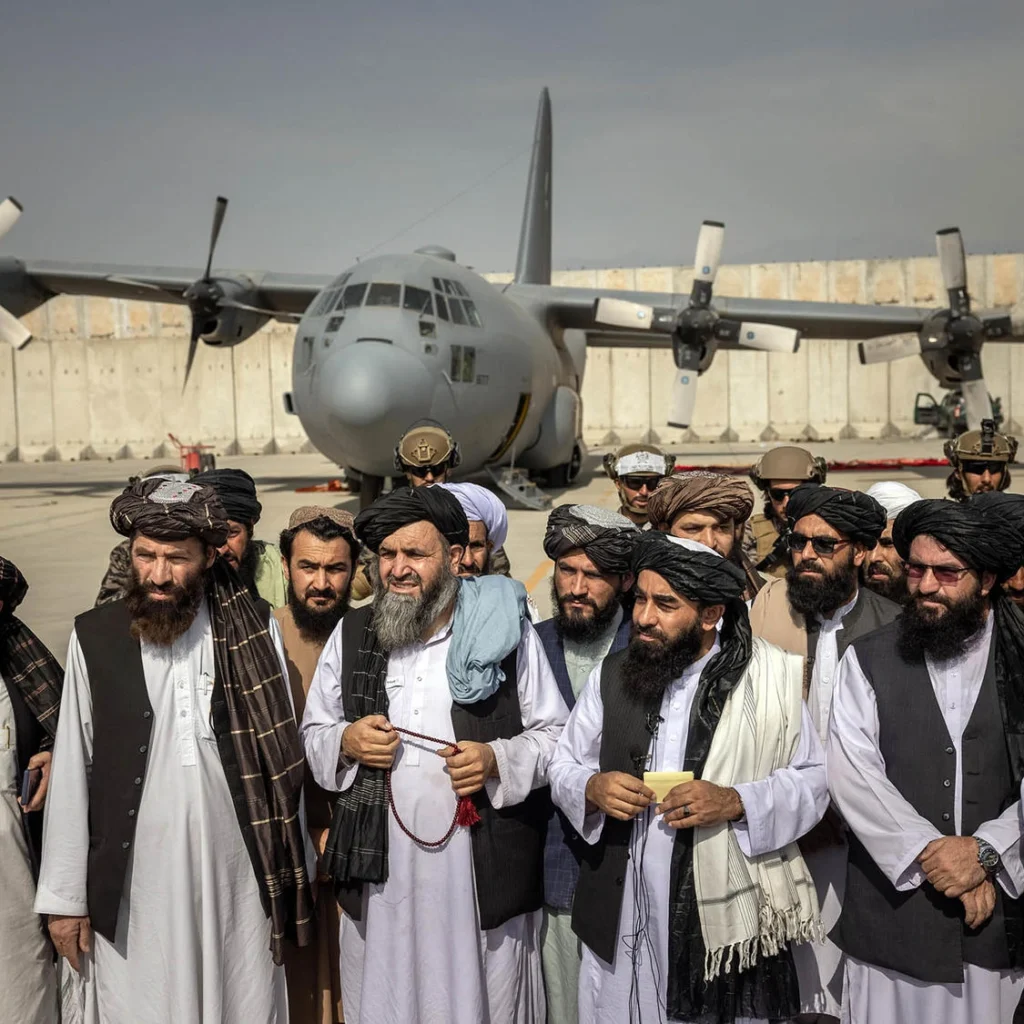
When the Taliban returned to power in 2021, Pakistan saw hope. Four years later, TTP and BLA attacks have surged, Kabul’s ties with India are deepening, and Islamabad faces a worsening security crisis along its western border.