
UN Extends Taliban Sanctions Monitoring Amid Rising Terror Threats
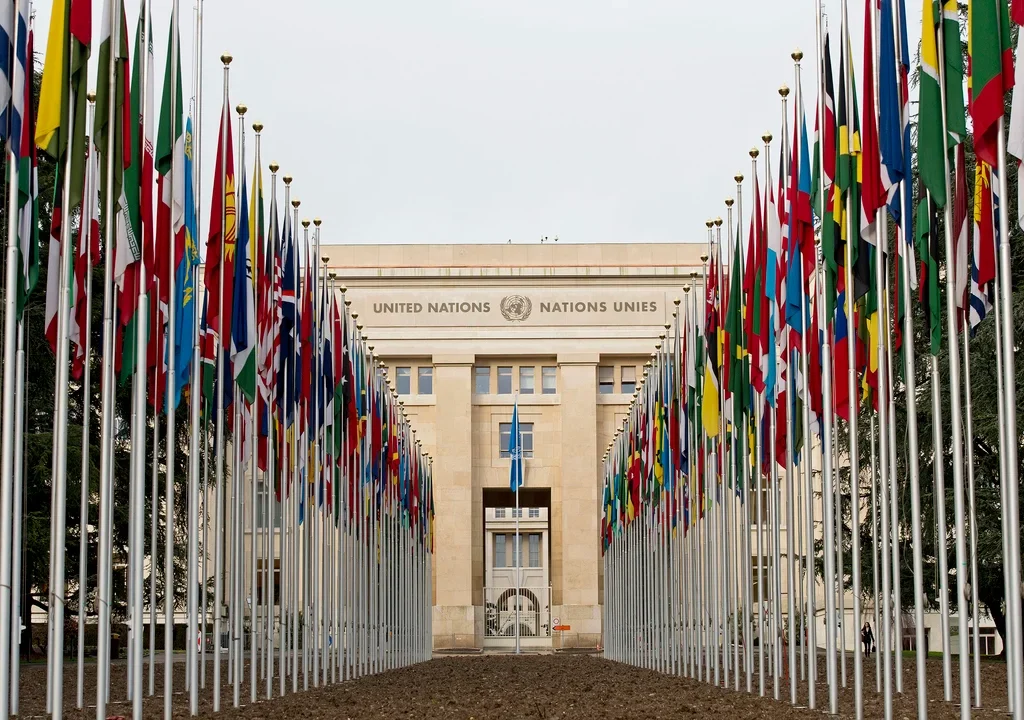
UN Security Council renews Taliban sanctions monitoring as Afghanistan remains a hub for international terrorist networks.
Regional Stability at Stake: Examining the Taliban’s Counterclaims
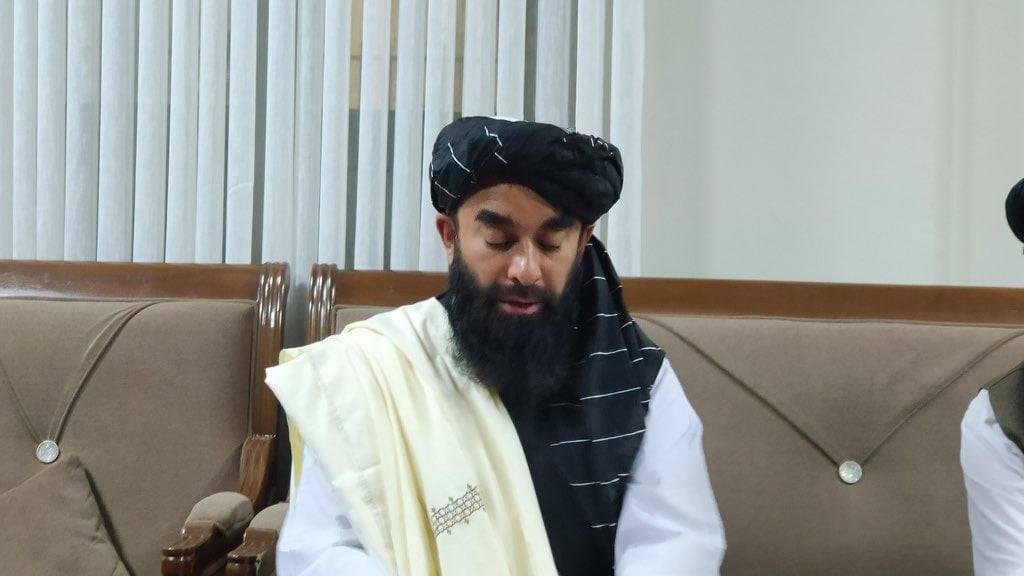
Analysis of Taliban claims versus UN findings, examining sanctions, militant presence, and Afghanistan’s regional security impact.
Afghanistan’s Ethnic Landscape and Taliban Rule
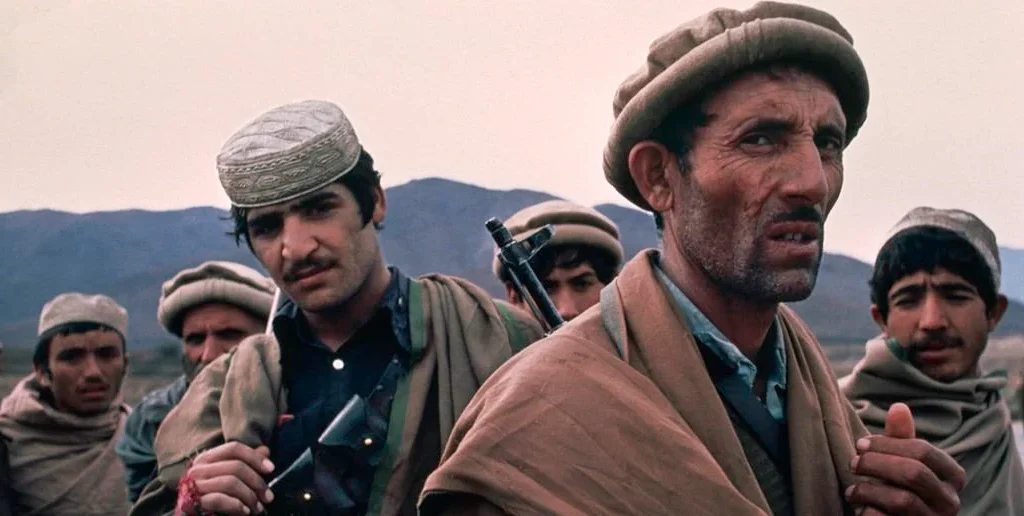
Afghanistan has historically been a mosaic of ethnic identities rather than a homogenous nation-state. Pashtuns constitute roughly 40–45% of the population, followed by Tajiks (25–30%), Hazaras (9–15%), and Uzbeks/Turkmen (10–13%). Yet, since the return of the Taliban in 2021, political authority has become heavily concentrated within one ethnic framework. The Taliban’s Rahbari Shura, its central […]
Balochistan’s Challenge: Development, Dissent, and the Danger of Militant Exploitation

Analysis of Balochistan’s security landscape, where militancy exploits socio-economic grievances even as CPEC-driven investments seek stability through infrastructure, education, and connectivity.
Afghanistan’s Northern Frontier: From Peripheral Instability to Eurasian Security Concern
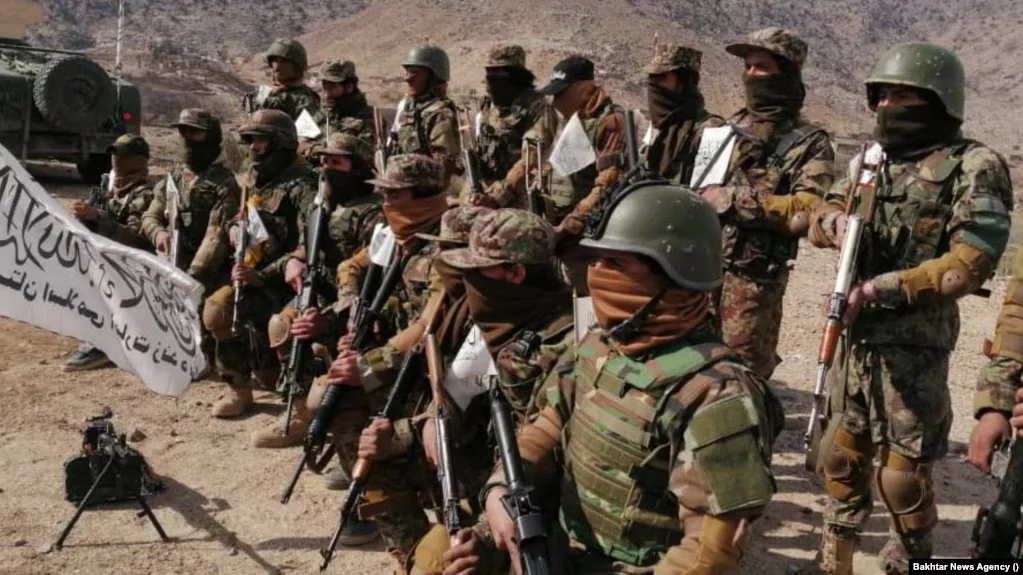
Afghanistan’s north fuels cross-border militancy, drone attacks, and drug trafficking, prompting CSTO, CIS & SCO security action.
World Cancer Day: Atoms Save Lives

For more than five decades the Pakistan Atomic Energy Commission has developed a nationwide network of twenty Atomic Energy Cancer Hospitals, the recent one constructed in Muzaffarabad, Azad Jammu and Kashmir. These hospitals treat over 40,000 new cancer patients every year where around one million cancer-related procedures performed annually. Together, they treat approximately 80 percent of the country’s cancer burden.
Pakistan, India and the Indus Waters Treaty: Compliance, Silence and Accountability
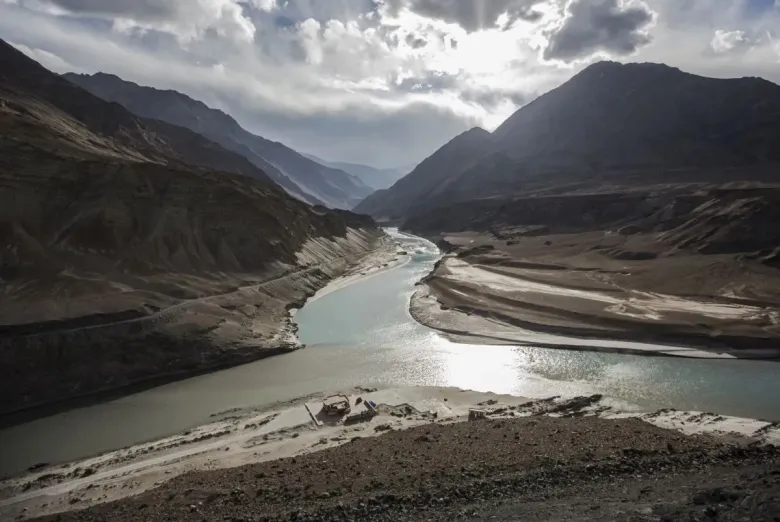
India’s failure to provide operational data for Baglihar and Kishanganga hydro projects underscores a persistent pattern of ignoring international obligations. Pakistan’s adherence to PCA directives reinforces its position as a compliance-focused treaty partner, while India’s silence carries both legal and reputational consequences.
Afghanistan as a Regional Terrorism Hub: Cross-Border Infiltration, Spillover, and Rising Threats
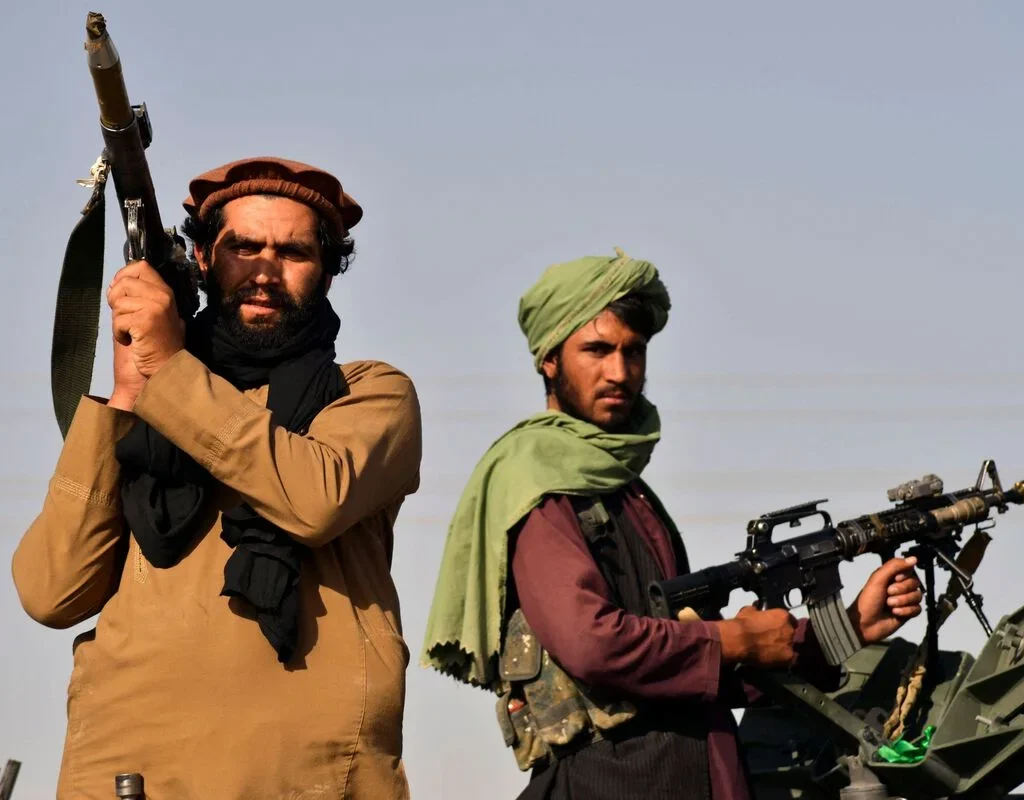
Repeated cross-border attacks, systematic militant infiltration, organized criminal networks and ideological export from Afghanistan underscore how Taliban rule has transformed the country into a regional epicenter of terrorism, destabilizing neighboring states, threatening regional connectivity, endangering foreign nationals, and posing broader risks to global security.
A Context-Deficient Assessment: Structural Gaps in UNAMA’s Civilian Casualty Reporting
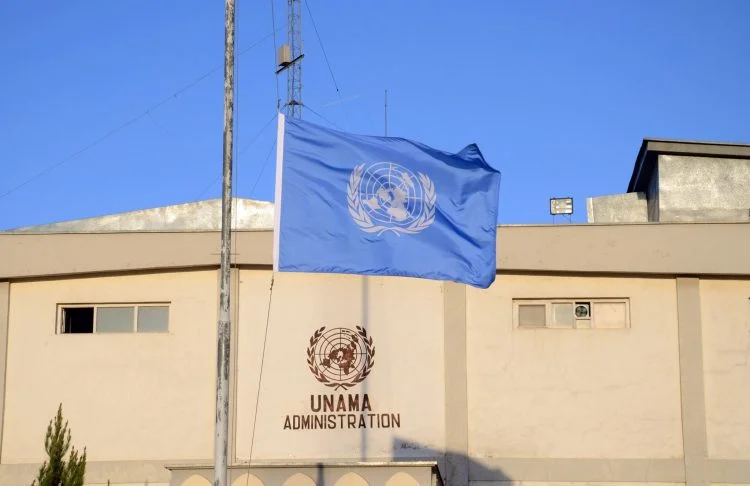
UNAMA’s October–December 2025 report on cross-border civilian casualties presents a narrowly framed humanitarian narrative that isolates consequences from causes, overlooking the entrenched terrorist infrastructure operating from Afghanistan and its direct role in destabilizing Pakistan.