
Afghanistan’s Terror Economy Enters Its Fifth Year
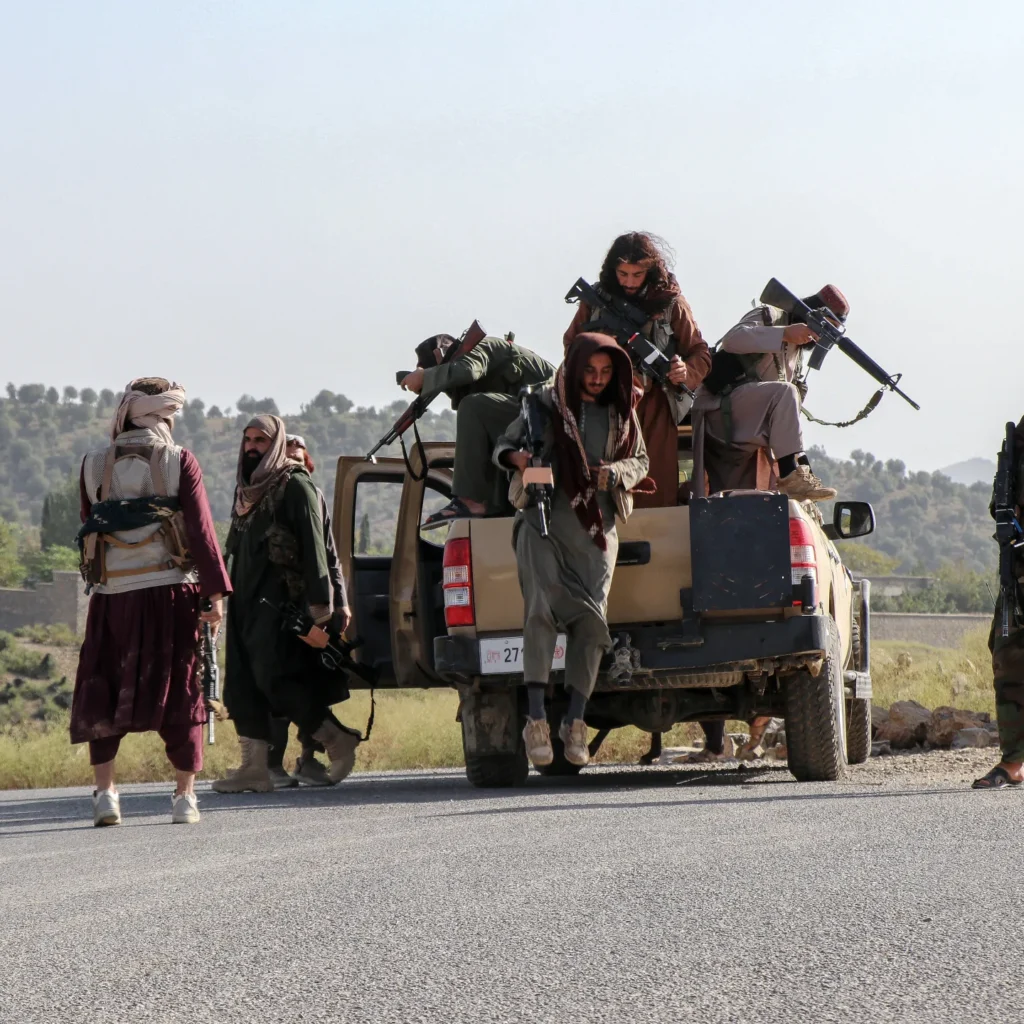
The United Nations Security Council’s 38th Monitoring Team report, released on 10 August 2026, offers the most detailed accounting to date of what five years of Taliban rule have produced along Pakistan’s western border: not stability, but an increasingly diversified terrorism marketplace operating with the regime’s tacit and, in several cases, active support. The report’s […]
The Emirate’s Five Years Between Control and Collapse
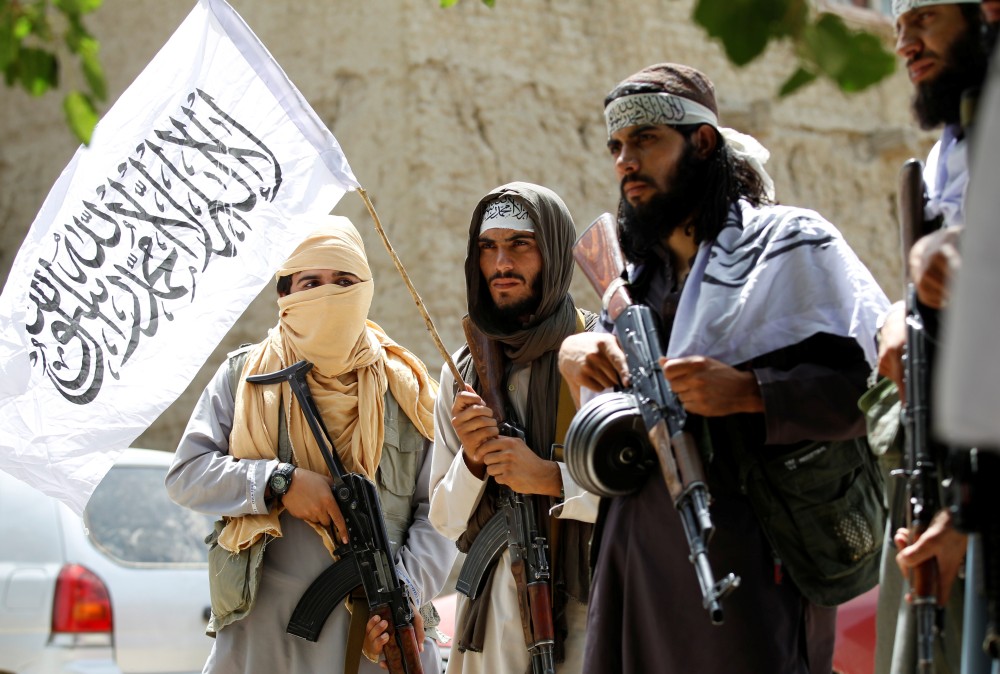
On August 15, 2021, the Taliban marched into Kabul and declared the restoration of their self-styled Islamic Emirate. Five years later, the movement often described as “Taliban 2.0” has changed remarkably little beneath the surface. What has shifted is administrative machinery, not ideological substance. The core worldview that shaped the group during its first stint […]
Made in India: The Supply of Weapons and Ammunition to Israel
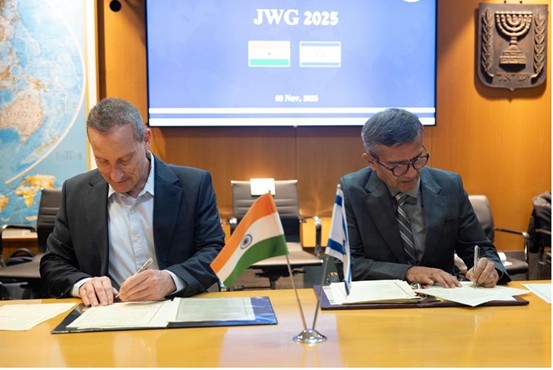
India’s expanding defence-industrial relationship with Israel has acquired a new dimension amid the war in Gaza. A July 2026 investigation by Amnesty International, based on commercially available shipment-level trade data, identifies 2,596 shipments of small arms, ammunition, military vehicles and related components from India to Israel between 7 October 2023 and 30 November 2025. Importantly, […]
Born Into the Emirate: A Generation That Has Never Known Anything Else
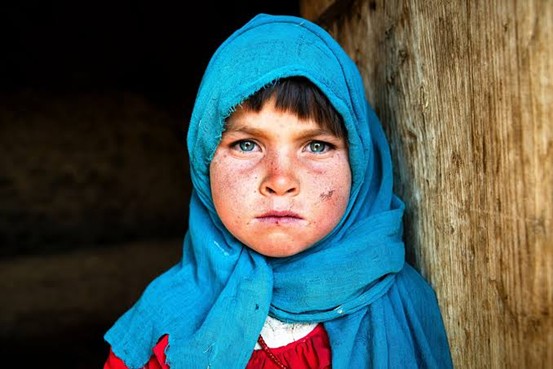
As the Taliban returned to power, one of the most consequential changes in Afghanistan is also one of the least visible: time is producing a generation for whom Taliban rule is not a political rupture but a childhood reality. Consider the distance between August 2021 and August 2026. An Afghan child who was ten when […]
Five Years of Taliban Rule: Governance Without Legitimacy and Resistance Expanding
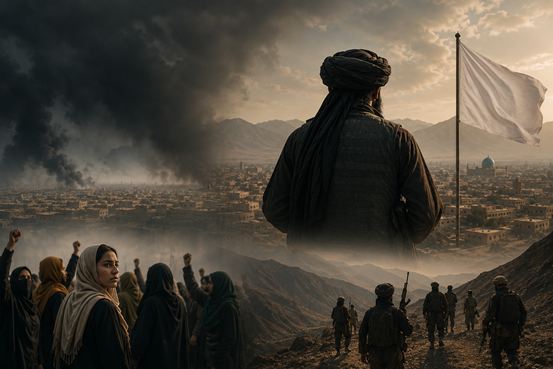
Five years after the Taliban returned to Kabul, the Islamic Emirate has achieved what it sought militarily but not politically: control without broad-based consent. The regime has consolidated its authority across most of Afghanistan and reduced the scale of the nationwide war that preceded its takeover. Yet territorial control has not translated into legitimacy. Instead, […]
Accountability Without Transparency in Afghanistan: UNAMA’s Assessment of the Taliban Security Sector
A new UNAMA report, published in August 2026, examines whether Afghanistan’s Taliban administration has established meaningful accountability mechanisms for its security forces nearly five years after taking power. The report’s central finding is not that oversight structures are absent, several genuinely exist, but that their near-total lack of public transparency makes it impossible to assess […]
Pakistan’s Religious Right
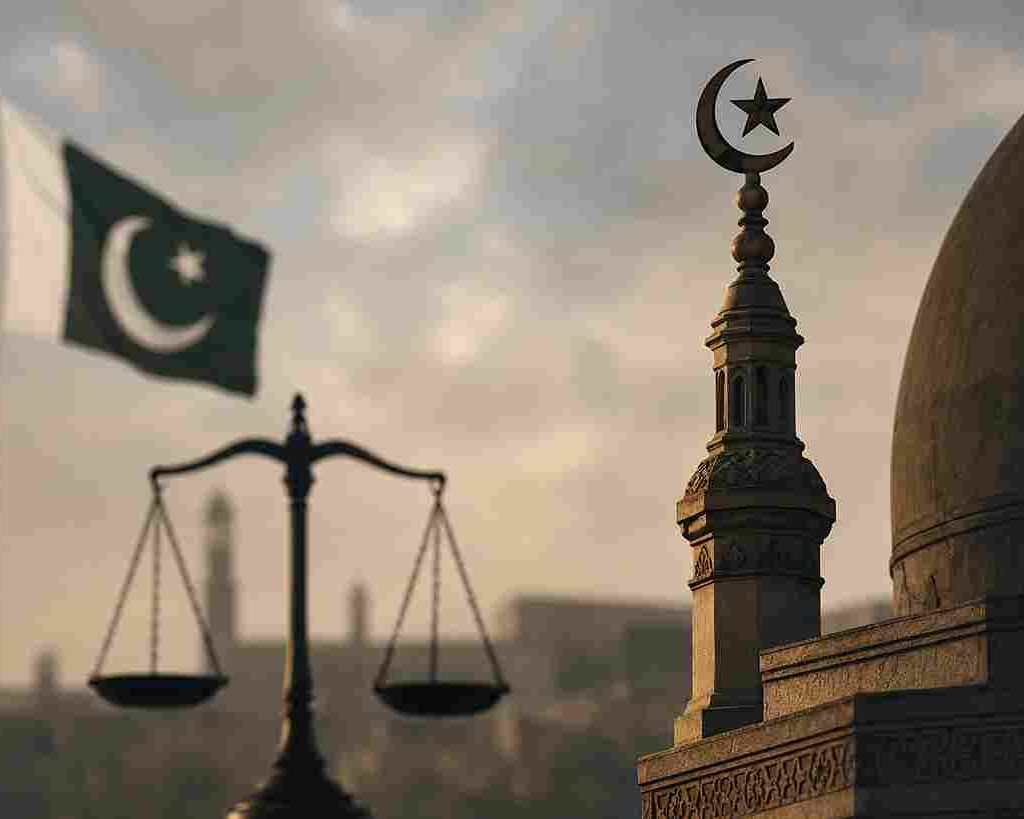
Pakistan has a legacy of religious, political and societal influences from the greater Middle East, Central and South Asia and the British raj. These are reinforced by the challenges of state and nation-building in 21st Century; further accentuated by the onslaught of social media and an ever-agitating street. It was the religion and nationalism ‘combine’ […]
The Unfinished Work of Independence
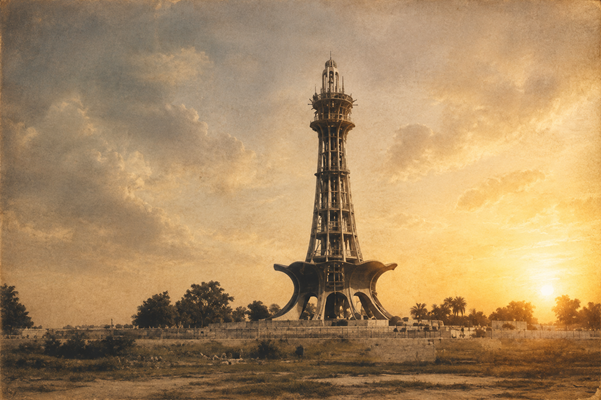
Tomorrow, Pakistan will mark seventy-nine years of independence.The green and white flag will rise over homes, schools, government buildings and public squares. Patriotic songs will fill the air. Streets will wear the colors of celebration, and a new generation, born decades after Partition, will celebrate a country they have always known. But before the ceremonies […]
Five Years On, Afghanistan Is Still in Survival Mode
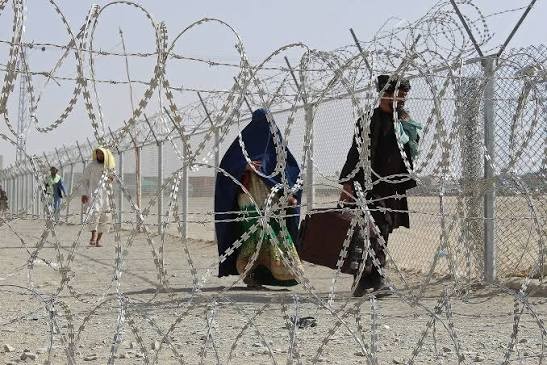
Five years after the Taliban returned to Kabul, Afghanistan is no longer facing the same nationwide war that defined much of the previous two decades. Yet for millions of Afghans, the end of large-scale conflict has not translated into a life of security or dignity. Hunger, poverty, weak healthcare and restrictions on women continue to […]