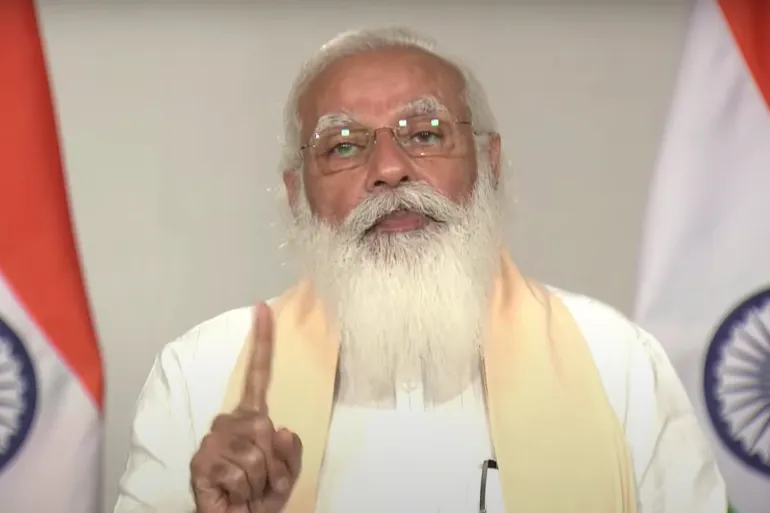
Modi had an approval rate of 64%, but it seems like COVID-19 will be an endgame for his regime. The approval rate has dropped down to 40%, according to Forbes. All of this is coming at the price of hundreds of thousands of dead bodies due to COVID.
The recent Vidhan Sabha election determined the upcoming downfall of the BJP. The BJP government lost in West Bengal to its rival, AITC, led by ‘Didi’ Mamata Banerjee. Banerjee’s party won over a two-thirds majority. Consequently, this makes Banerjee the Chief Minister of West Bengal for the third time in a row.
West Bengal isn’t the only state where the BJP found itself defeated. The BJP also lost in two southern states of India; Kerala and Tamil Nadu. Analysts consider that political failures is the reason for such a loss. However, it is evident that BJP’s failure in tackling COVID-19 is the main reason.
Merely a week ago, India entered the ‘predicted’ devastating third wave of COVID. It has reached record-breaking COVID cases per day. On Monday, India recorded around 368,000 cases with over 3,000 dead. This adds to 18.5million COVID cases and 205,000 deaths in India till now.
The whole health system of India has collapsed. The country is currently facing an oxygen crisis as patients fail to find them. Several hundred patients have died just because of an inadequate supply of oxygen. New Delhi High Court has issued a strict decision the regarding oxygen crisis. The court has ordered the punishment of government officials if oxygen supply is not provided to hospitals.
Also See: Indian Oppression Continues; Kashmiri Leaders Jailed During COVID
Deteriorating Situation in India
The situation is indeed very grave in India. The international community has offered help. This includes Pakistan. Pakistan has offered to provide India with humanitarian aid. However, New Delhi is yet to reply. Other than Pakistan, even China has entered the field to help India by providing 8,000 oxygen concentrators with 10,000 more to be delivered this week.
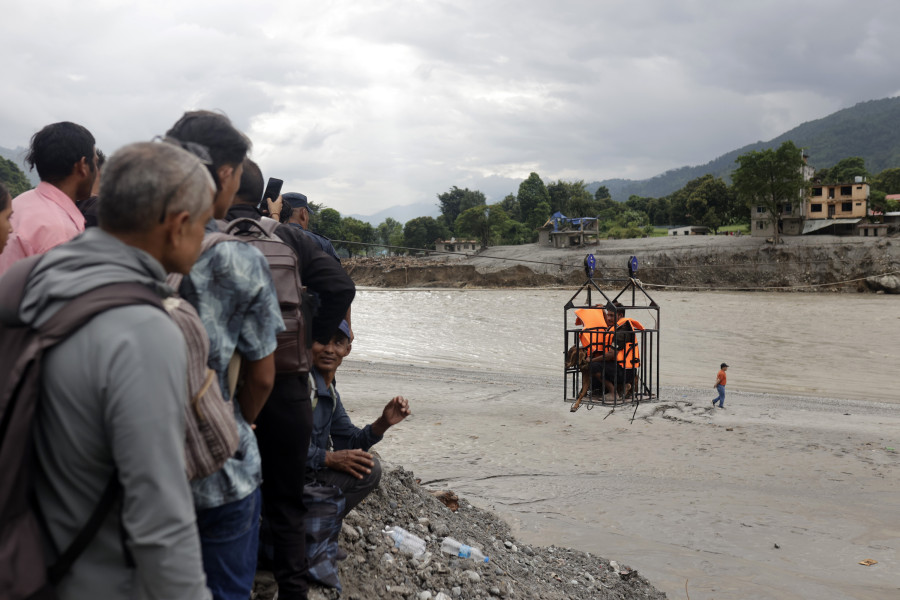
Despite such a devastating situation, BJP went on to conduct large rallies for Vidhan Sabha elections, negating and ignoring the threats and danger of COVID fast-spreading. The government even allowed large gathering for religious occasions to take place. The BJP government ignored all warning about the coming wave. This negligence has led to the new variant spreading across the border. It was recently observed in Nepal.
Previously, only a month ago, India was providing assistance to other countries. India was providing vaccines to countries and was also exporting oxygen concentrators.
It is about time that India starts following the SOPs. It must take measurement to fulfil its national needs and demands before this variant spills into the regional countries. The question is whether Modi will do it for the sake of his politics or for his people?

Your trusted source for insightful journalism. Stay informed with our compelling coverage of global affairs, business, technology, and more.

![An illustration depicting a smartphone with a display reading VPN. [Courtesy: Reuters/File].](https://southasiatimes.org/wp-content/uploads/2026/09/1438445_6414833_VPN_akhbar.webp)