As COVID affects the world at large, it specifically spiked in India last week. India reported cases of over 300,000 on daily basis. This has led to India being in a health crisis spotlight. Many countries have offered to help India, even its archrival, Pakistan.
Indian Atrocities Intensify
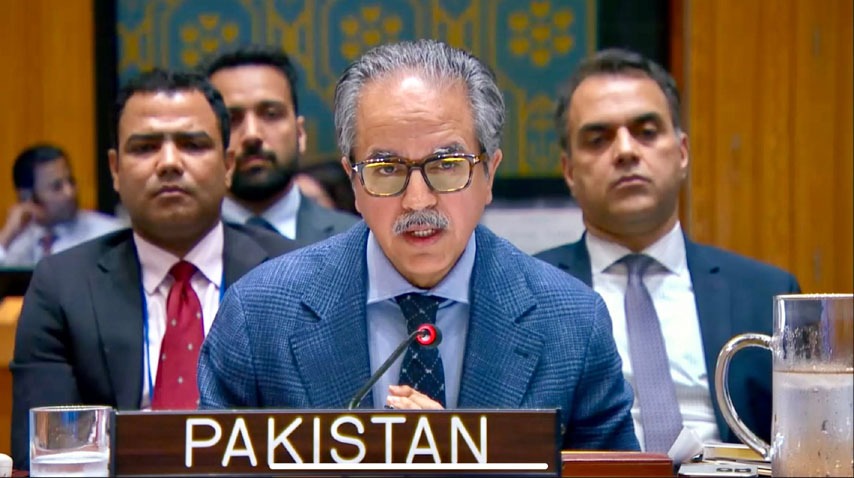
Despite offering help, Pakistan didn’t step back from its promise made by Premier Imran Khan. Imran Khan under all circumstances will raise Pakistan\’s voice for Kashmir. On Thursday, the foreign office of Pakistan made two statements on India. One concerning the situation in India, the second was on the dire situation in Kashmir due to curfews and COVID.
It wasn’t much until India prisoned several Kashmiri leaders in crowded prisons, thus, raising the chances of COVID infection. Zahid Chaudhry, spokesperson to the Foreign Office shared Pakistans stance on this. He stated that Pakistan expresses great and serious concern over such heinous actions of Indian occupation in Kashmir.
The currently imprisoned leaders include; Amiya Andrabi, Muhammad Yasin Malik, Shabir Ahmed Shah, Ashraf Sehrai, Advocate Shahid-ul-Islam, Altaf Ahmed Shah, Nayeem Ahmed Khan, Ayaz Akbar, Peer Saifullah, Raja Merajuddin Kalwal, Syed Shahid Yousuf, Shakeel Ahmed, Farooq Ahmed Dar, Fehmeeda Sofi, Nahida Nasreen, Zahoor Ahmed, and others.
Reportedly, Zahid said that Pakistan demands the release of these leaders and other innocent Kashmiris. The Kashmiris are not only jailed on baseless charges but also not provided adequate medical assistance to battle COVID.
Pakistan Offers Help
Pakistan and its government have already expressed concern and solidarity over the serious COVID crisis in India. Prime Minister Imran Khan personally wrote a letter to Modi. The PM sending his solidarity and condolences to the victims but also offered help in terms of providing different medical equipment such as ventilators, Bi-PAP, digital X-ray machines and PPEs.
Alongside the government, the Pakistani public is also reaching out to India with support and help. The world largest ambulance service and renowned philanthropic foundation of Eidhi wrote a letter to the government of India offering 50 ambulances alongside humanitarian aid. Other than this, the public of Pakistan has sent prayers and good wishes via social media to the other side of the border.
However, ironically, India is indifferent to the assistance and help offered. New Delhi has yet to answer these offers as Modi hasn’t done it yet. It comes as surprise when India is reportedly having over 17 million cases, with an oxygen crisis and hospitals filling up in large amount. Even the archrival china came to help when it sends over 8,000 oxygen

Your trusted source for insightful journalism. Stay informed with our compelling coverage of global affairs, business, technology, and more.