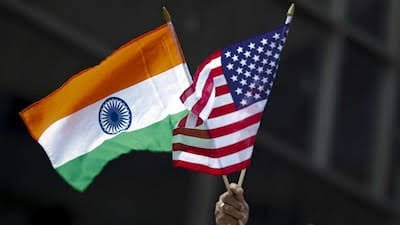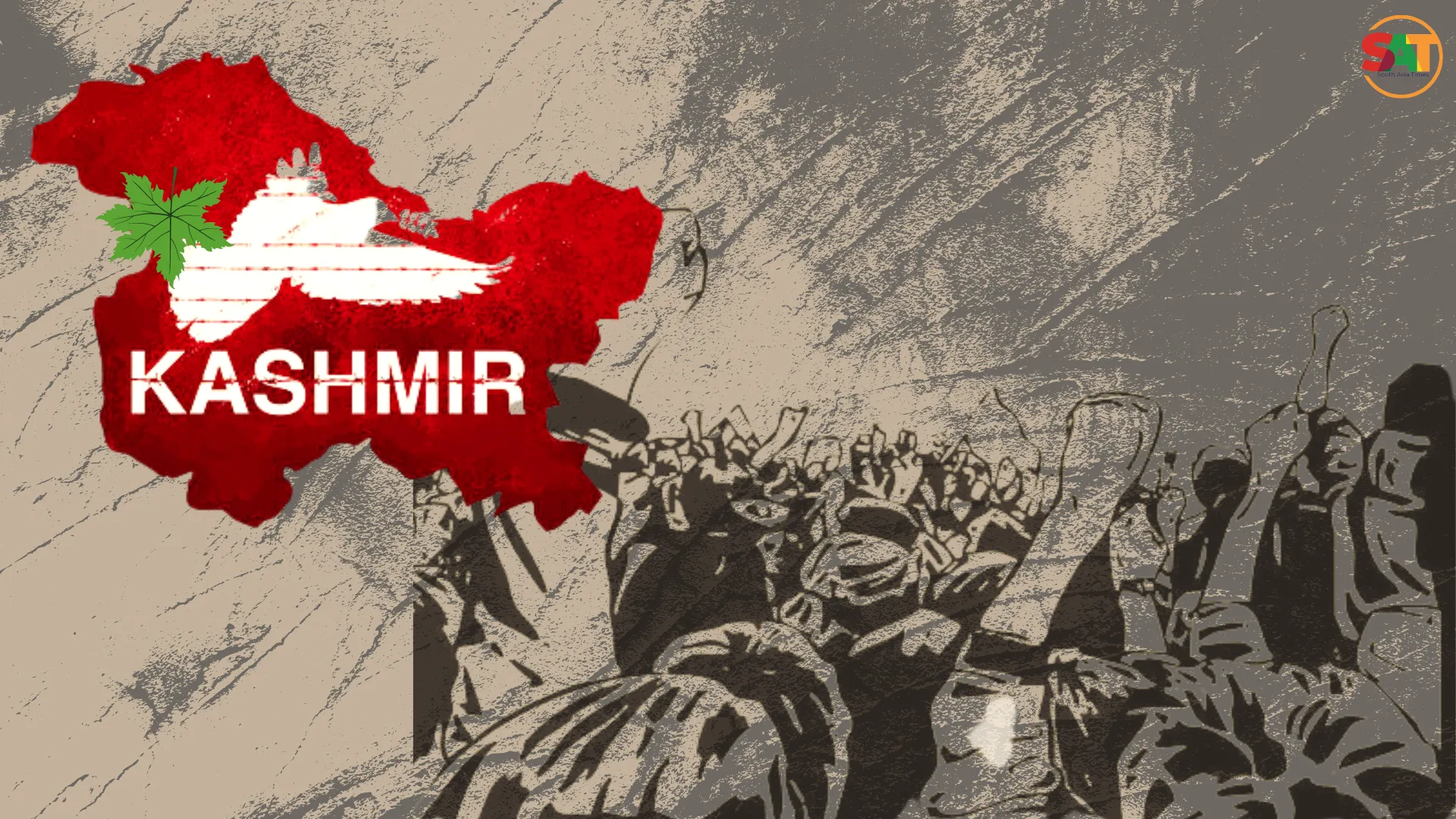
“We failed Kashmir again” was the sentiment four years ago when Narendra Modi-led Bharatiya Janata Party (BJP) government in India stripped Jammu and Kashmir of its special status. They did this by illegally nullifying Article 370 of the Indian constitution. The move was illegal and unilateral because the constitution (Article 354) requires the state government of Jammu & Kashmir to agree before revoking Article 370. However, when the government scrapped Article 370 on August 5, 2019, there was no state government in Kashmir—only federal rule. This fact puts the abrogation of Article 370 at odds with the spirit of the Indian constitution. It was a move that amounted to a constitutional assault.
Constitutional Quandary: Kashmir, Article 370 Abrogation
Indian Government’s unilateral and unconstitutional exercise of power is the very premise on which the Supreme Court has started hearing a number of petitions on Wednesday, 2nd August 2023.
Advocate Kapil Sibal is representing the petitioners; the five-member bench also includes the Chief Justice of India. The court is hearing the petitions on a day-to-day basis, starting August 2. But is there something to be hopeful for? Likely not, because the hearings hold no bearing on what ensued after August 5, 2019, in Kashmir.
The central government now directly runs Indian Illegally Occupied Jammu & Kashmir (IIOJK) and has divided it into two parts. But not as a democratic and constitutional state, like any other Indian state. Instead, bureaucrats manage its administrative affairs, and no state legislature exists. The existence of such an arrangement is an anomaly in itself. But it is this very arrangement that has allowed the Indian central government to escape and avoid any accountability. The seven months long internet blackout after the abrogation goes unaccounted for. And so does the irreversible restrictions imposed on independent media in the territory.
Silent Struggles and Shattered Normalcy
The normal in Kashmir; the resistance, the protests and cries, the slogans loud and clear as day, have been replaced by a shiny image of normalcy that the Indian government is trying very hard to portray.
The discourse has been supported by a rigorous media campaign over these four years. Crafted terminology like Naya Kashmir (new Kashmir) and Meri Matti Mera Desh (my land, my country) goes sideways with news headlines informing of the soaring tourism in the valley. But behind the eye-catching processions of Indian flag-raising ceremonies at Dal Lake are the grave abuses of fundamental human rights and unjust killings of hundreds and thousands of native Kashmiris.
Not long ago the draconian use of pellet guns on the unarmed Kashmiris could garner enough attention of the world’s rights bodies. But now, veiled behind the slogan of Naya Kashmir the illegal detainees find themselves behind prison bars; with little hope to claim back the cause they dedicated their lives to. The detainees are award-winning journalists on one hand and the bold political figures leading the Kashmiri resistance, on the other. After four years, and after hosting the tourism meet of the G20, the world might overlook the struggle that generations of native Kashmiris have given their life and blood to, but the Dal Lake remembers and so will the honest recounts of history.
There is a long list of what the Kashmiris have lost to a unilateral decision; primarily motivated by a strong show of politics. But there is one thing that all the marginalized people of the world have lost. August 5 has set a bad example for all the people across the world striving for self-determination. It has set an even worse precedence for honoring international commitments. The world has failed Kashmir indefinitely.

Your go-to editorial hub for policy perspectives and informed analysis on pressing regional and global issues.