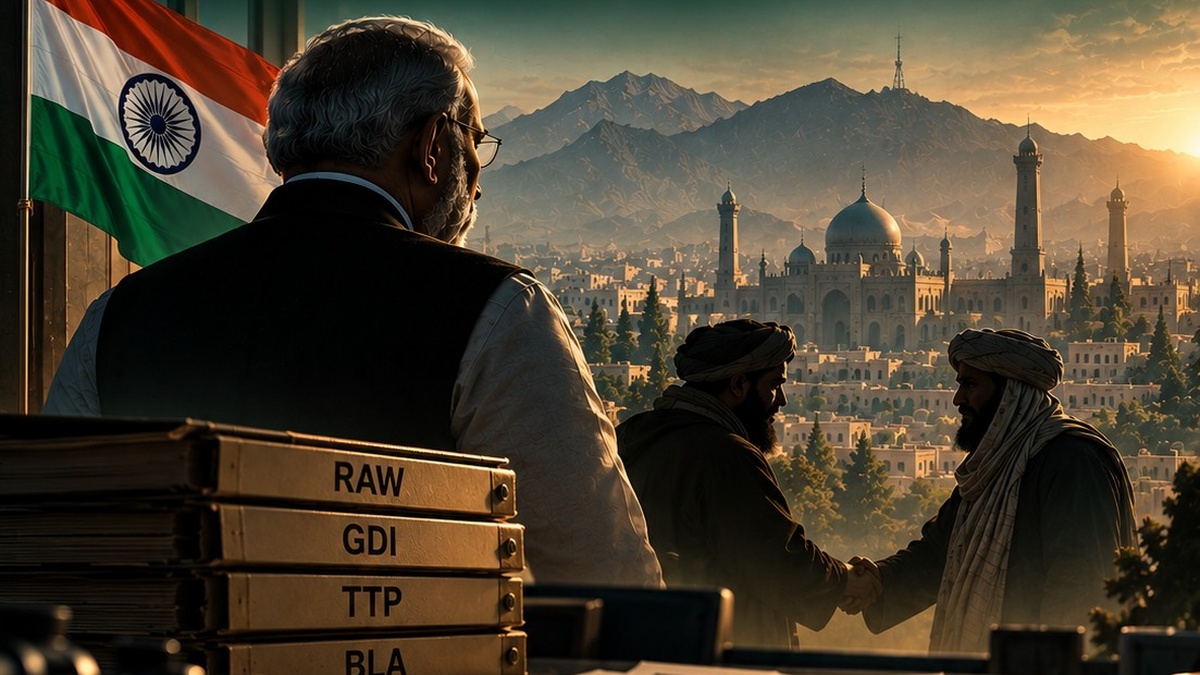
The security setup along the Pak-Afghan border has been further splintered after a series of precision night raids by Pakistan against the alleged infrastructure of militants in Afghanistan’s Kunar and Helmand provinces.
Islamabad said the operations had neutralised several combatants and high value logistical nodes while the Taliban leadership said that there were civilian casualties, including women and children.
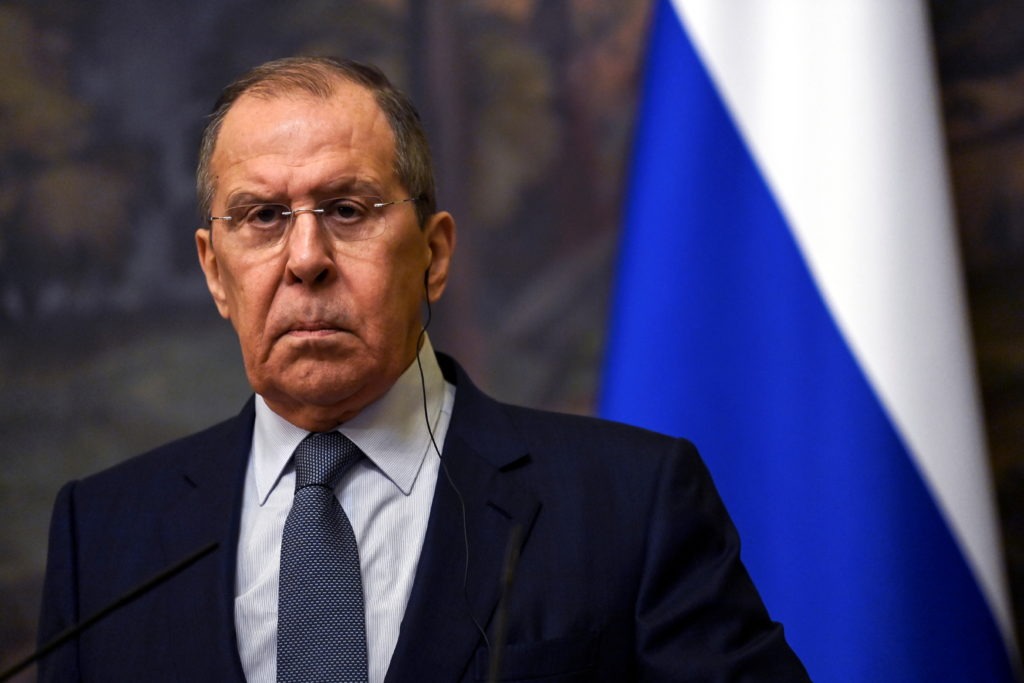
In the midst of the growing diplomatic tensions, one remarkable gesture was made by the Russian Embassy in Kabul.
The embassy was “seriously concerned” about the military standoff in general, particularly in Helmand and Kunar provinces, and noted the civilian casualties in the conflict. Notably, the statement refrained from calling Pakistan an aggressor, opting instead to strike a balance between humanitarianism and diplomatic deftness.
The calculated posturing is a reflection of a larger geopolitical reality: that Russia is not “supporting” the Taliban for ideological reasons. Instead, Moscow is safeguarding a strategic and security bet it has already placed, and managing its relationship to not lose out on Pakistan.
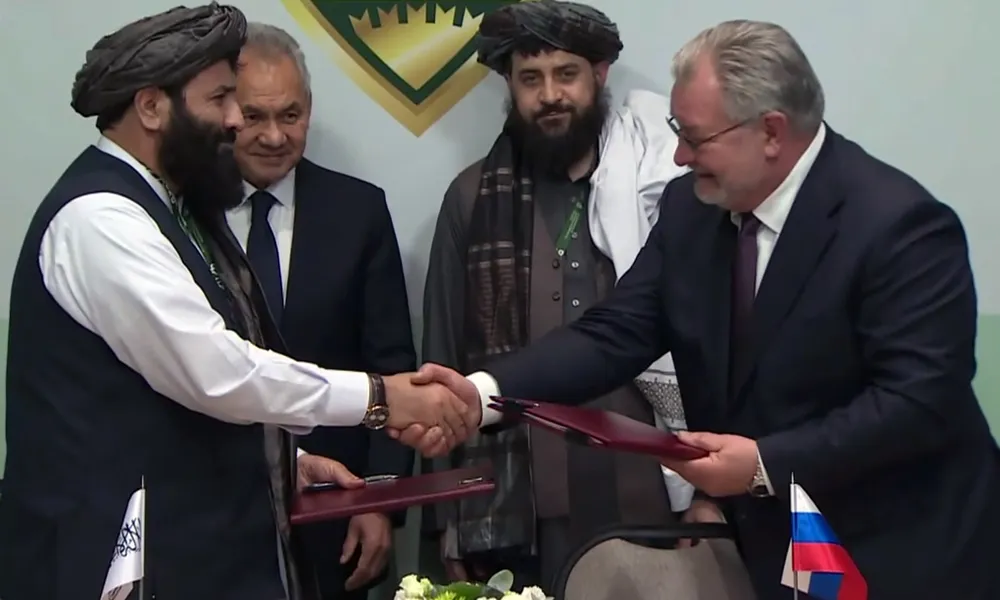
Moscow’s bottom line is that it has a lot of diplomatic capital to play with. Moscow has formally designated the Taliban as a terrorist group in April 2025, and was the first state to formally recognize the Taliban government in Kabul in July 2025, making the Kabul administration a sunk investment for Moscow. A long and bloody war between Islamabad and Kabul threatens the stability of the ally the Kremlin has selected to support.
The basic premise of Moscow’s involvement is a cold calculation of security. The Taliban are the only frontline force in Russia that can be more reliable in combating the Islamic State Khorasan Province (ISKP) than any other.
The security of the Tajik and Uzbek borders is considered by Moscow as its sovereign backyard, following the devastating attack on Crocus City Hall in 2024, which was connected with ISKP, and with Central Asian jihadist networks remaining a constant threat. The security of this perimeter is at stake in Afghanistan and containment is a primary concern.
Another aspect of Moscow’s long game is geopolitical positioning. Through the regional platforms such as the Moscow Format, Russia and its partners have publicly voiced their opposition to the restoration of any foreign military presence in Afghanistan, which has become more pronounced after strategic talks on Bagram.
A divided or depleted Kabul could provide an entry point for the West to return to the country, something Moscow is keen to prevent.
Economic pragmatism is a major factor in the Russian calculations, in addition to security. Moscow sees Afghanistan as an essential overland route to South Asia, in addition to key regional exports of fuel and wheat, in the face of a growing list of Western sanctions. An expanding conflict that shuts down border crossings and hampers transportation efforts is actively undermining those economic initiatives.
The Russian Embassy’s statements are a textbook case of balance in that they complain of a “military confrontation between Pakistan and Afghanistan,” but focus on the Helmand and Kunar airstrikes without mentioning Pakistan as the aggressor. It enables Moscow to express moral and humanitarian sympathy towards Kabul without compromising its all-important and multifaceted ties with Islamabad.
At the geopolitical level, Russia, China and Iran all want to be the main external player in Afghanistan, using regional mediation as a means to challenge the influence of the West. But reality sets in and imposes restrictions on this partnership. Russian involvement is still primarily in the form of diplomatic and economic support.
But Moscow’s own security fears, including the spillover risk of the Tehrik-i-Taliban Pakistan (TTP) and regional jihadist groups, impose a hard limit on its willingness to go so far as to be an unconditional patron, meaning it will probably be a mediator rather than a patron.
In the end, Moscow’s approach to Afghanistan is as much about containment as it is about limitless ambition. Russia sees its diplomatic efforts as a sunk cost, is protecting its southern front and is playing it carefully between Islamabad and Kabul, hoping to exert influence without going too far.
The conflict over the Durand Line is a test for the region, and Moscow will remain steadfast in its pursuit of one goal: keeping the instability in Afghanistan in check, the West out and the Russians in.

Abdul Musawir Bapar
Abdul Musawir Bapar is a geopolitical research analyst and OSINT security researcher holding an M.S. in International Relations from Bahria University. He publishes independent analytical commentary on Substack, specializing in cross-border security dynamics, non-state armed groups, and great-power competition across South and Central Asia.