Skip to content
Submission
About Us
Contact
South Asia Times
Facebook
X-twitter
Youtube
Instagram
Tiktok
Linkedin
Search
Themes
Defence & Strategy
Diplomacy & Geopolitics
Governance & Public Policy
Social Issues
Economy & Trade
Environment & Climate Change
Security & Counter Terrorism
Culture & History
Regions
World
Middle East and North Africa (MENA)
Asia-Pacific
Central Asia
Americas
Europe
South Asia
Afghanistan
Bangladesh
Bhutan
India
Maldives
Nepal
Pakistan
Sri Lanka
Research
SAT Studies
Briefs
The Indian Muslim
Backgrounders
Media
Podcasts
Events
SAT X Space
Webinars
Roundtables
Live Updates
Afghanistan Updates
US- Iran War
Themes
Defence & Strategy
Diplomacy & Geopolitics
Governance & Public Policy
Social Issues
Economy & Trade
Environment & Climate Change
Security & Counter Terrorism
Culture & History
Regions
World
Middle East and North Africa (MENA)
Asia-Pacific
Central Asia
Americas
Europe
South Asia
Afghanistan
Bangladesh
Bhutan
India
Maldives
Nepal
Pakistan
Sri Lanka
Research
SAT Studies
Briefs
The Indian Muslim
Backgrounders
Media
Podcasts
Events
SAT X Space
Webinars
Roundtables
Live Updates
Afghanistan Updates
US- Iran War
Themes
Defence & Strategy
Diplomacy & Geopolitics
Governance & Public Policy
Social Issues
Economy & Trade
Environment & Climate Change
Security & Counter Terrorism
Culture & History
Regions
World
Middle East and North Africa (MENA)
Asia-Pacific
Central Asia
Americas
Europe
South Asia
Afghanistan
Bangladesh
Bhutan
India
Maldives
Nepal
Pakistan
Sri Lanka
Research
SAT Studies
Briefs
The Indian Muslim
Backgrounders
Media
Podcasts
Events
SAT X Space
Webinars
Roundtables
Live Updates
Afghanistan Updates
US- Iran War
Themes
Defence & Strategy
Diplomacy & Geopolitics
Governance & Public Policy
Social Issues
Economy & Trade
Environment & Climate Change
Security & Counter Terrorism
Culture & History
Regions
World
Middle East and North Africa (MENA)
Asia-Pacific
Central Asia
Americas
Europe
South Asia
Afghanistan
Bangladesh
Bhutan
India
Maldives
Nepal
Pakistan
Sri Lanka
Research
SAT Studies
Briefs
The Indian Muslim
Backgrounders
Media
Podcasts
Events
SAT X Space
Webinars
Roundtables
Live Updates
Afghanistan Updates
US- Iran War
Search
Search
Themes
The Pakistan the World Keeps Missing
Kamran Arshad
September 19, 2026
Navigating Kabul’s Escalatory Rhetoric with Calibrated Deterrence
SAT Commentary
September 18, 2026
Five Years of Misrule Under Security Scrutiny
SAT Commentary
September 18, 2026
A Meal or Medicine: The Impossible Choices of Poor Families
Muhammad Usman Nawaz
September 18, 2026
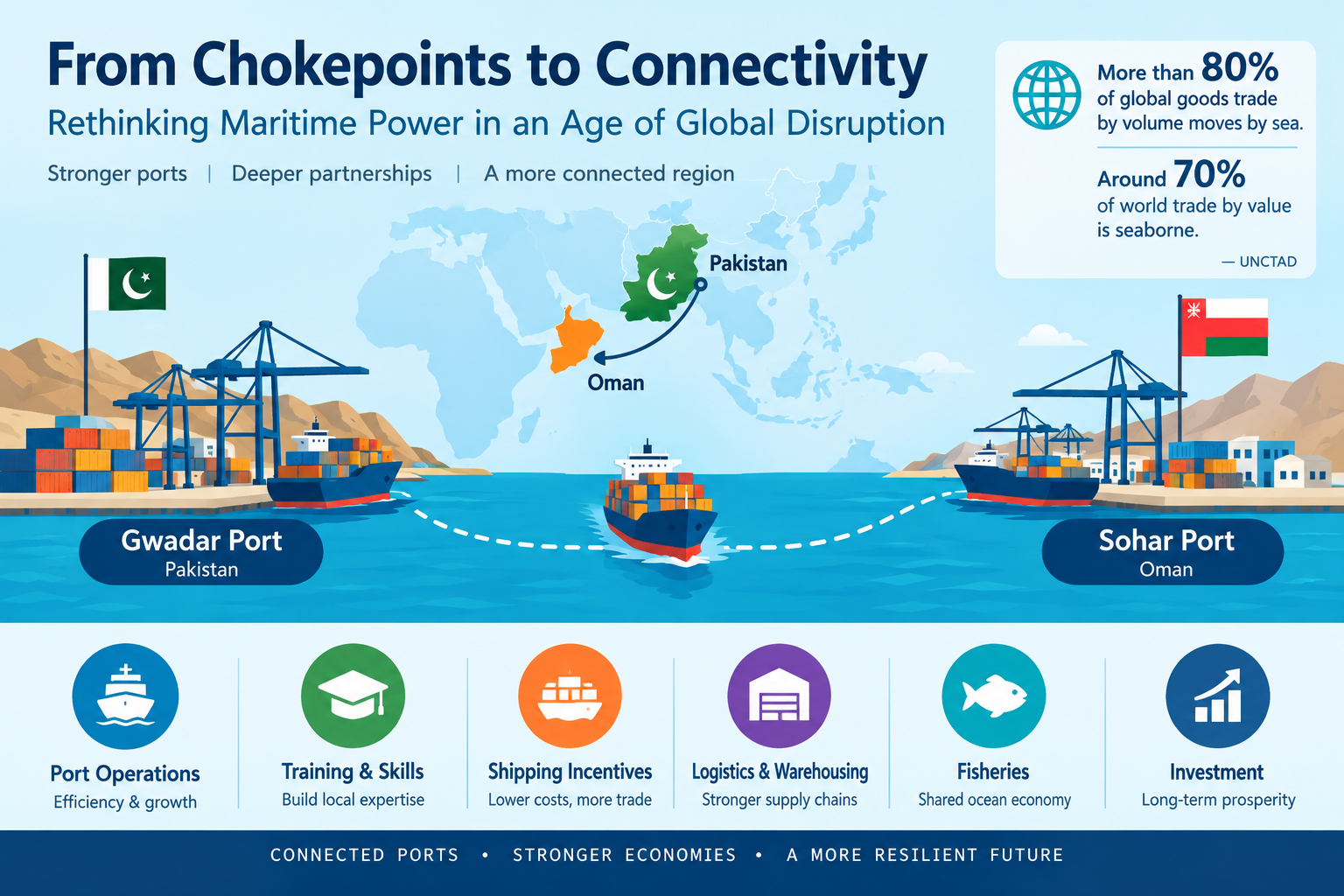
Rethinking Maritime Power in an Age of Global Disruption
Ayesha Rafiq
September 18, 2026
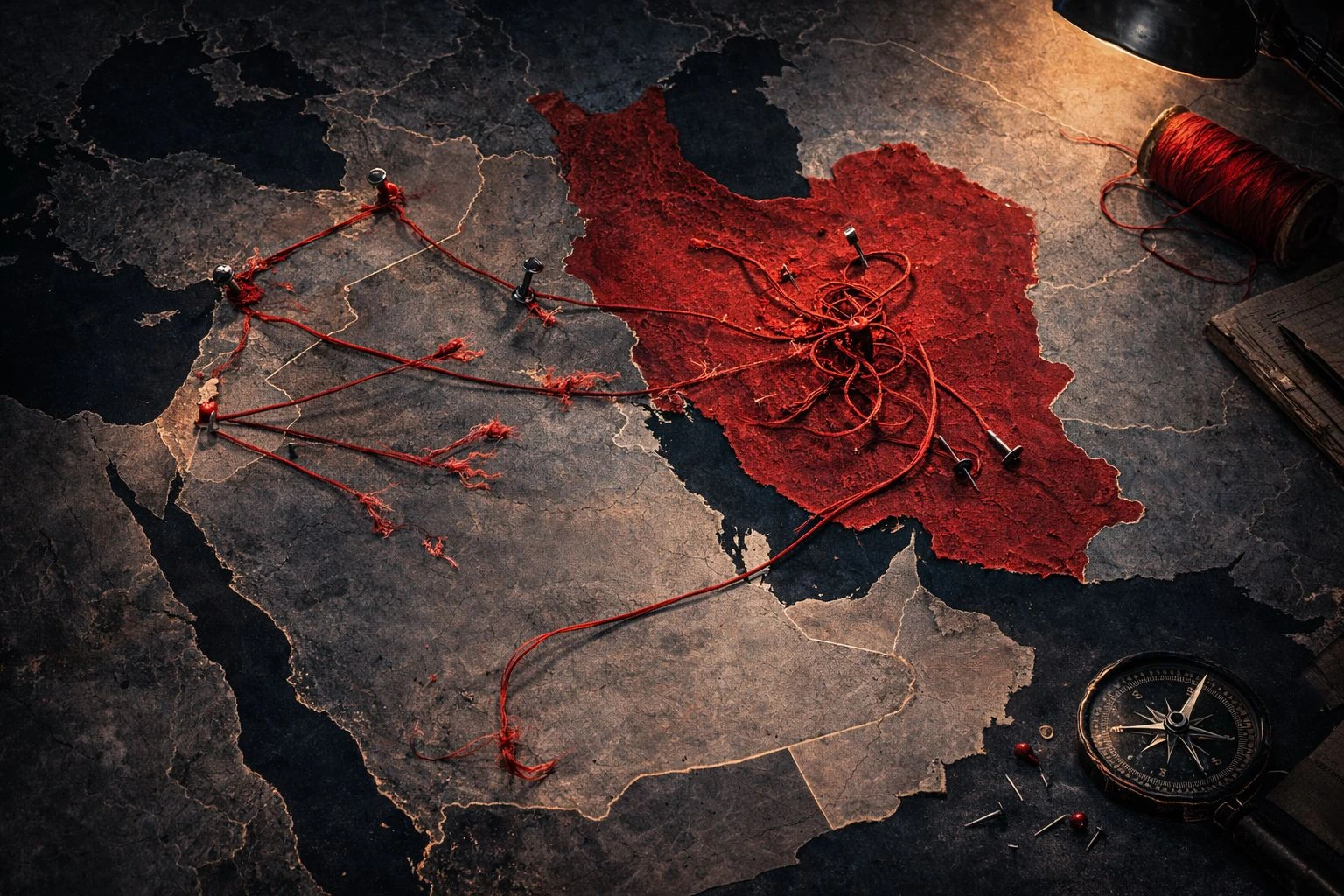
Strategic Collusion and Kabul Transregional Gambit in the Gulf
SAT Commentary
September 18, 2026
The Middle East Landscape
Reema Shaukat
September 18, 2026
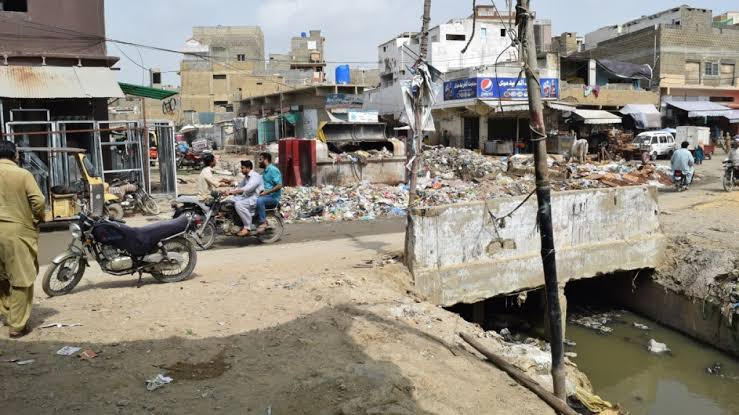
The Real Face of Development in Sindh
Sohail Javed
September 18, 2026
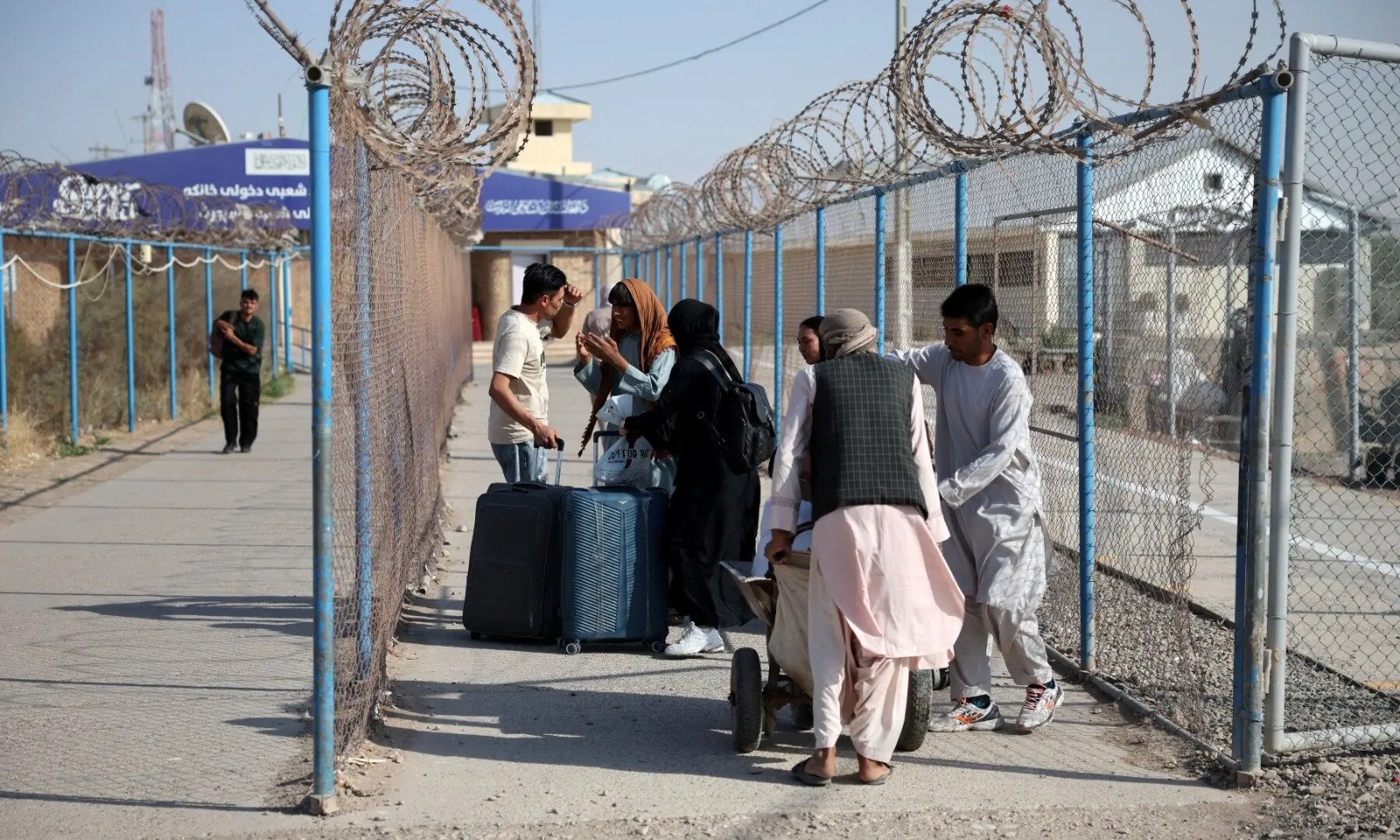
Economic Collapse in Iran Accelerates Afghan Refugee Crisis
SAT Commentary
September 17, 2026
« Previous
Page
1
Page
2
Page
3
Page
4
Page
5
Next »
Search
Search