Themes

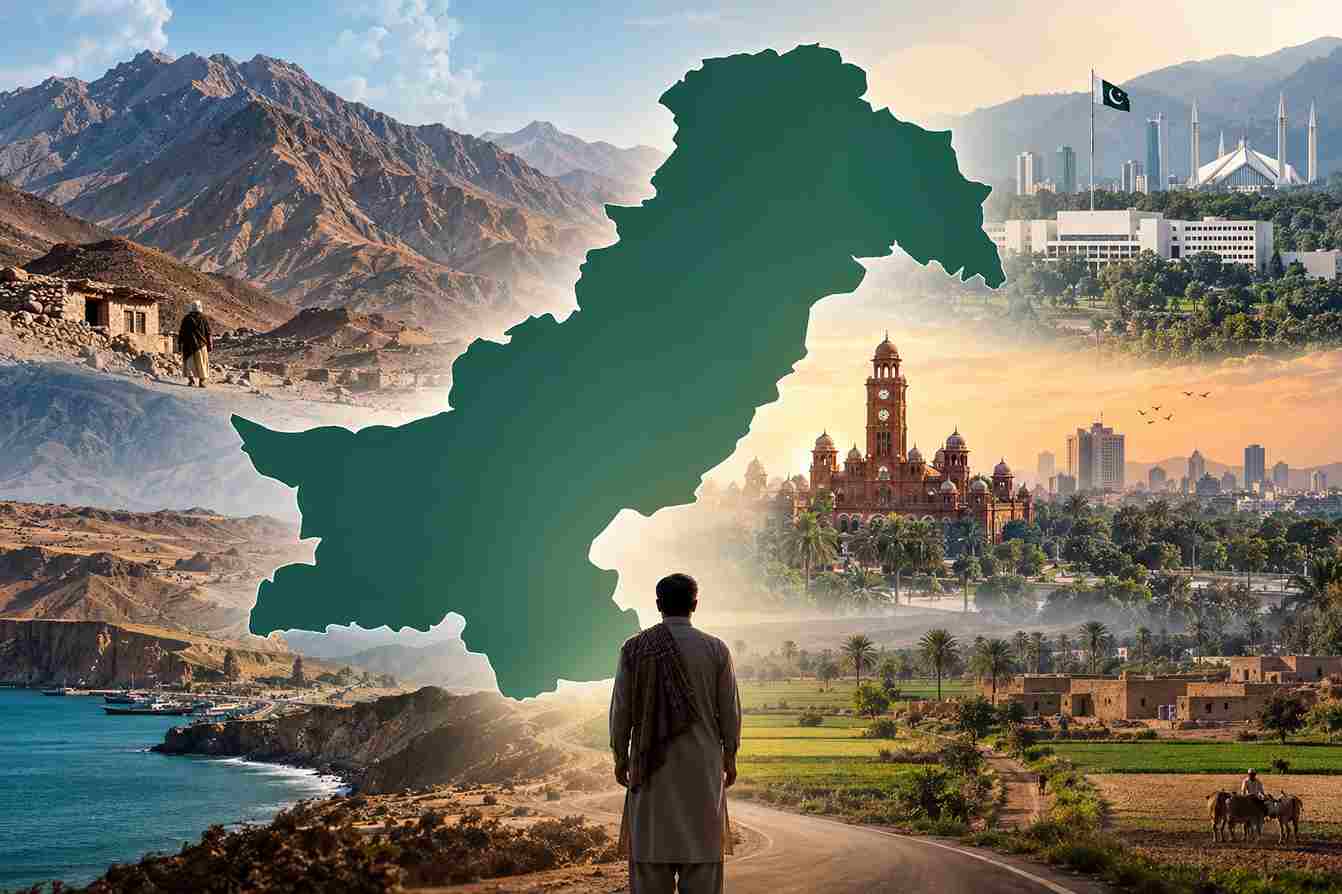
US diplomat Zalmay Khalilzad’s recent critique of Pakistan’s counterterrorism operations in Balochistan misrepresents ground realities, conflating state action with terrorism and ignoring the legacy of his own diplomatic failures.

Zalmay Khalilzad’s Distortion of Pakistan’s Security Realities

Zalmay Khalilzad’s recent tweets portray Pakistan as collapsing, criticizing counterterrorism operations while ignoring the real drivers of instability in Balochistan: foreign-backed terrorism, criminal networks, and the civilian and security force toll. By conflating state action with militancy, he misrepresents ground realities and obscures the failures of his own Afghan diplomacy. This commentary exposes the gap between his rhetoric and Pakistan’s efforts to maintain law, order, and development under complex security challenges.

Read More »
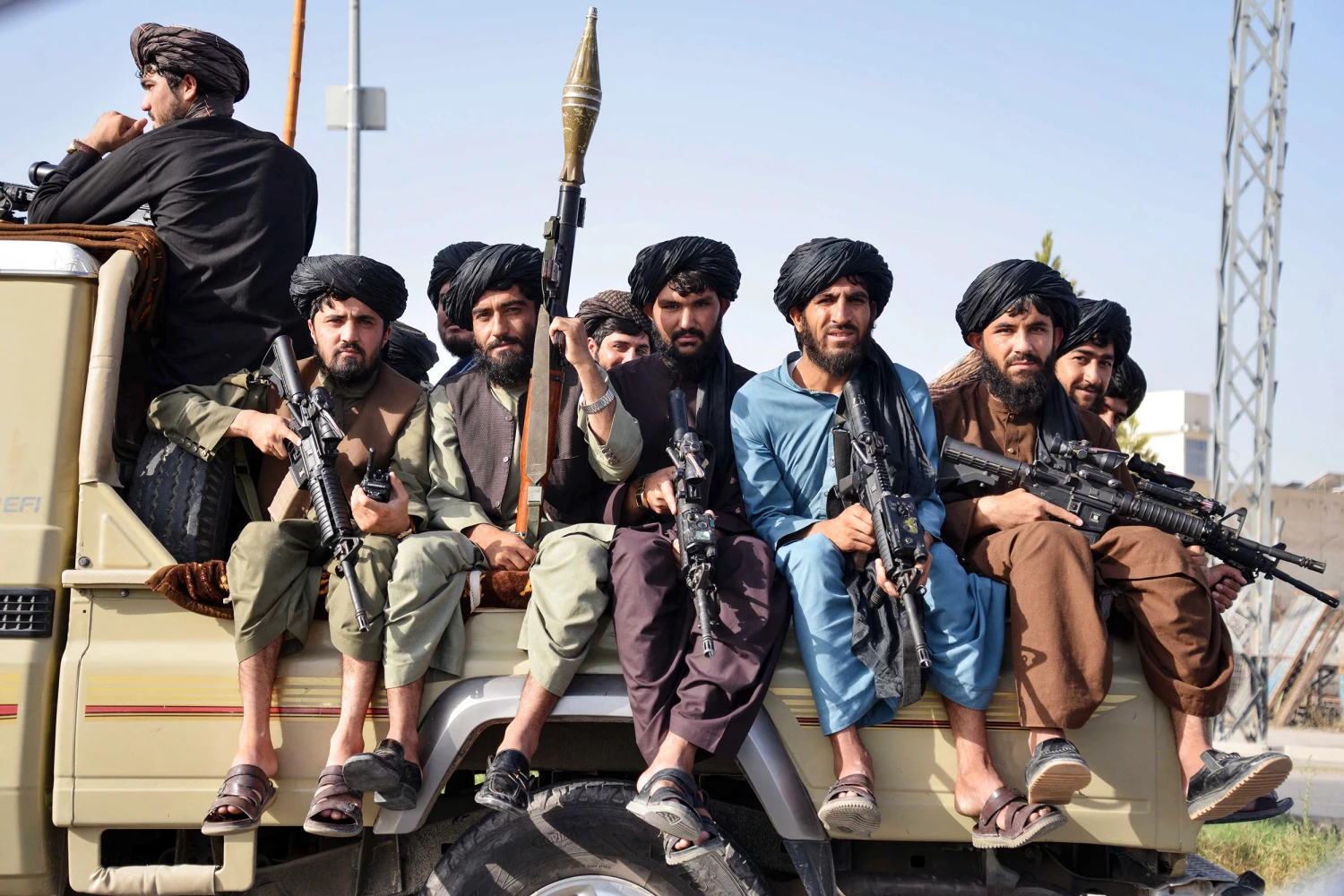
Examining the renewed wave of BLA

Operation Herof II and the Reality of Terrorism in Balochistan

The Balochistan Liberation Army (BLA) has launched Operation Herof II, attempting to destabilize Pakistan’s southwestern region. Despite heavy militant losses and civilian targeting, Pakistan’s security forces maintain operational control, demonstrating preparedness and resilience.

Read More »
An analysis of how India’s recurring Nipah virus cases expose transparency gaps, cross-border risks, and the mechanisms through which neighbouring states like Pakistan adopt preventive surveillance measures.

Nipah Virus and the Dynamics of Regional Biosecurity

The 2025–2026 Nipah virus cases in India illustrate that high-risk pathogens are not confined by national borders. Through selective disclosure, delayed reporting, and episodic containment, outbreaks compel neighbouring states to implement proactive biosecurity measures, highlighting the strategic significance of regional health governance.

Read More »