What Was Different This Time? Pakistan-Afghanistan Skirmishes on the Pak-Afghan border
What changed in the Feb 26 Pak-Afghan clashes? From restraint to calibrated force, Pakistan signaled a tougher, proactive border doctrine.

What changed in the Feb 26 Pak-Afghan clashes? From restraint to calibrated force, Pakistan signaled a tougher, proactive border doctrine.

UN and Russian assessments highlight persistent militant networks in Afghanistan, raising regional security concerns despite Taliban control.

UN report warns of rising TTP attacks from Afghanistan and growing regional terror threats, rejecting Taliban claims of eliminating militants.

UN Security Council renews Taliban sanctions monitoring as Afghanistan remains a hub for international terrorist networks.

Analysis of Taliban claims versus UN findings, examining sanctions, militant presence, and Afghanistan’s regional security impact.

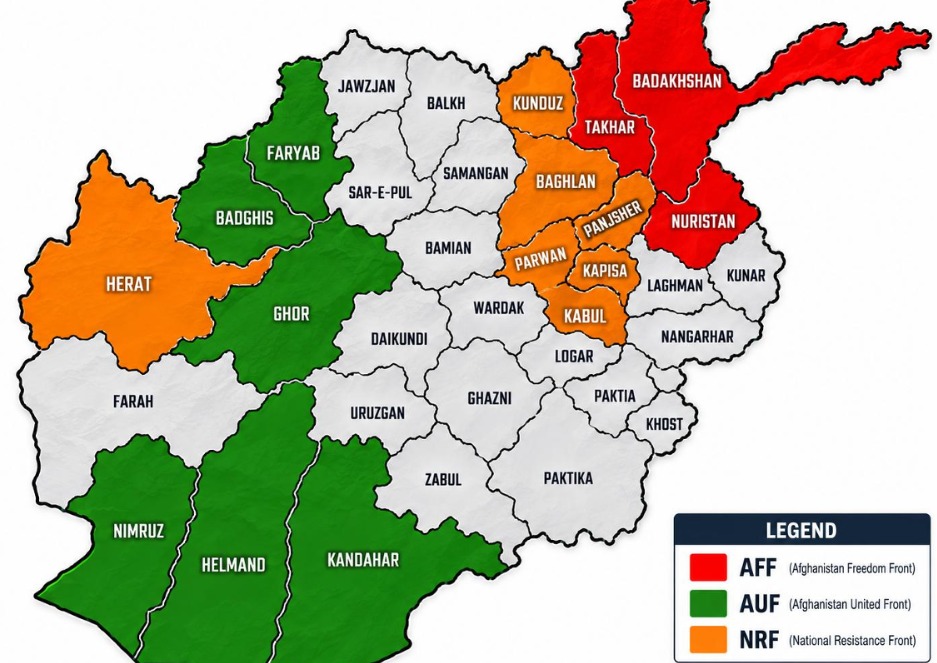
Afghanistan has historically been a mosaic of ethnic identities rather than a homogenous nation-state. Pashtuns constitute roughly 40–45% of the population, followed by Tajiks (25–30%),

Afghanistan’s north fuels cross-border militancy, drone attacks, and drug trafficking, prompting CSTO, CIS & SCO security action.

The Taliban’s criminal procedure code institutionalizes gender and ethnic discrimination, suppresses dissent, and replaces accountability with status-based authority, marking a profound regression from Afghanistan’s legal and social norms.

The Taliban’s new Criminal Procedure Code formalizes a four-tiered justice system that shields clerics and elites while subjecting ordinary Afghans to imprisonment and public flogging. By codifying social hierarchy into law, the regime violates international human rights norms and subverts Islam’s foundational promise of equality before the law, turning justice into an instrument of control rather than accountability.

The 2025 Turkish Drug Report reveals that Afghanistan has not exited the global narcotics economy under Taliban rule but has instead transformed it. Through controlled poppy cultivation, exploitation of stockpiles, and rapid expansion into synthetic drugs, Afghanistan continues to shape global drug supply chains, prices, and security outcomes.