Afghanistan’s Post-2021 Economic Model
Afghanistan’s post-2021 economic model reflects a sharp break from the aid-backed past, defined by informality, fiscal fragility, and regional economic isolation under Taliban rule.

Afghanistan’s post-2021 economic model reflects a sharp break from the aid-backed past, defined by informality, fiscal fragility, and regional economic isolation under Taliban rule.

Sources suggest the Taliban has offered immediate access to Bagram Airbase for potential strikes against Iran in exchange for continued U.S. aid. Beyond military leverage, the offer underscores Afghanistan’s acute humanitarian crisis and the Taliban’s reliance on external support, highlighting the complex interplay between strategy, politics, and survival in a fragile state.

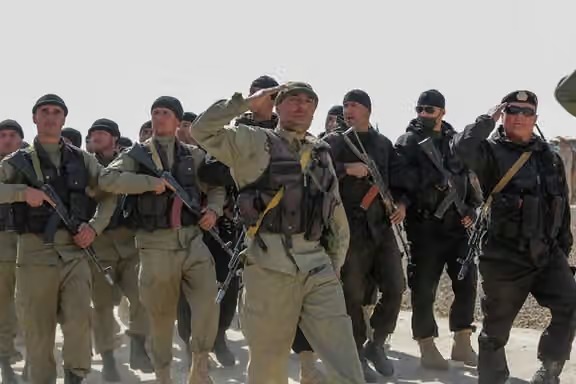
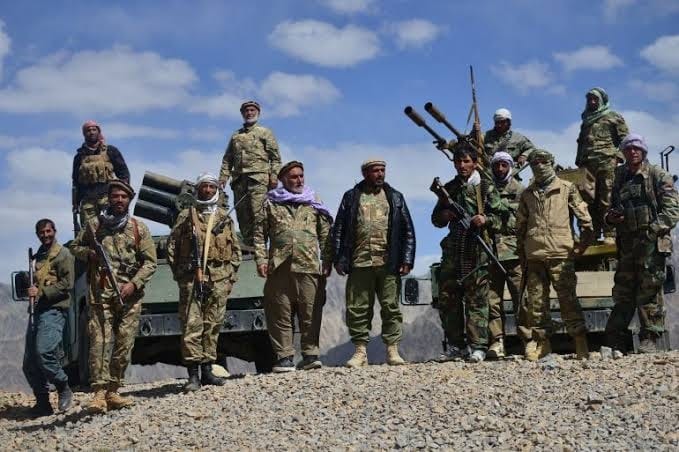
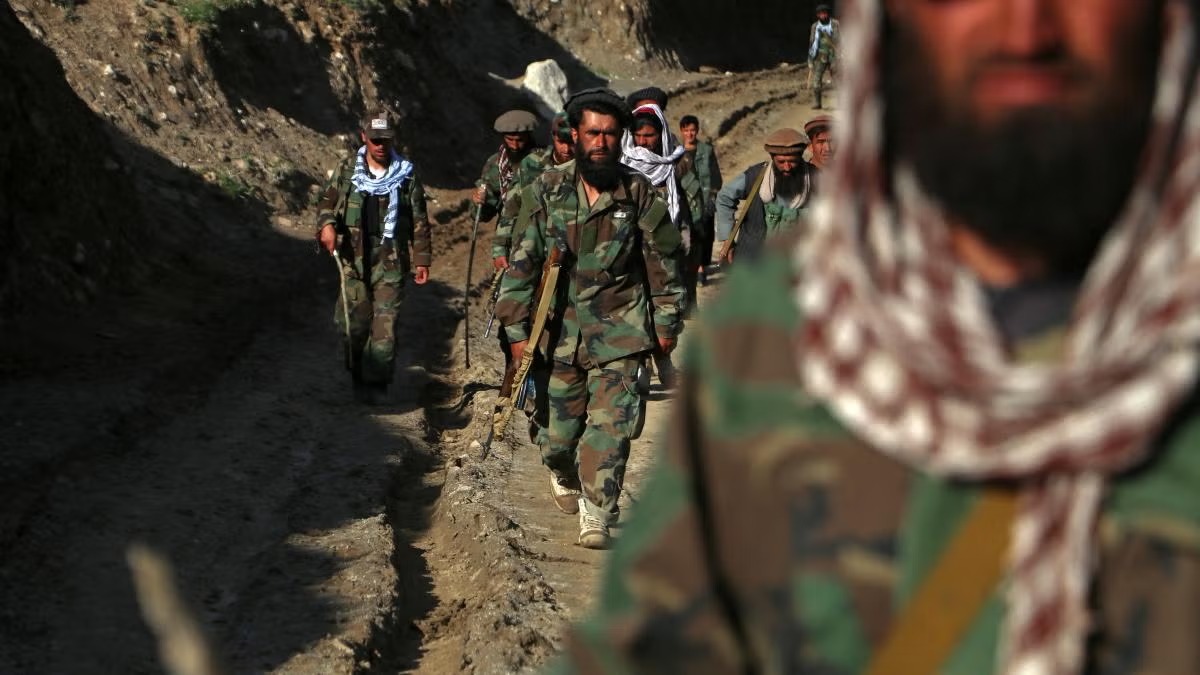
Recent operations by NRF and AFF target Taliban bases and urban centers, signaling a growing insurgency and weakening regime control.

The assassination of Maulana Sultan reveals how ISKP and TTP deploy narrative coordination, delayed claims, and interchangeable branding to obscure accountability and sustain regional instability from Afghan soil.

The halt of gold mining in Badakhshan reveals deeper fault lines in Taliban rule, where centralized extractive ambitions collide with ethnic grievances, local resistance, and fragile investor confidence, particularly involving China.

The reported TTP attack in Takhar is not an isolated security incident but part of a deeper historical pattern of ethnic engineering in northern Afghanistan. Tracing its roots to 19th-century state-building policies, the article examines how militant proxies, demographic displacement, and settler strategies are once again reshaping Tajik-majority regions under Taliban rule.

Zalmay Khalilzad’s Tolo News interview exposes ambiguities in US policy toward Taliban-ruled Afghanistan. His remarks on ISKP, the TTP, and Pakistan reflect an effort to normalize the Taliban while shifting responsibility for regional instability, drawing false equivalences between alleged ISKP cells in Pakistan and the openly operating TTP in Afghanistan.

For nearly three decades, the Taliban have pursued a singular vision of faith enforced through violence and law. From massacres and forced identification under the first Emirate, to insurgent-era sectarian terror, and now a legal architecture of exclusion, their rule has steadily erased Afghanistan’s religious pluralism, pushing minorities toward extinction.

The killing of General Ikramuddin Saree in Tehran was not an isolated act but part of a broader Taliban strategy to hunt opponents beyond Afghanistan, exposing the fragility of exile as protection.

The killing of General Akramuddin Saree in Tehran signals that the Taliban’s campaign against former Afghan officials has gone transnational. It reveals a dark convergence of Taliban intelligence operations and regional transactional politics that sacrifice political exiles for short-term stability.