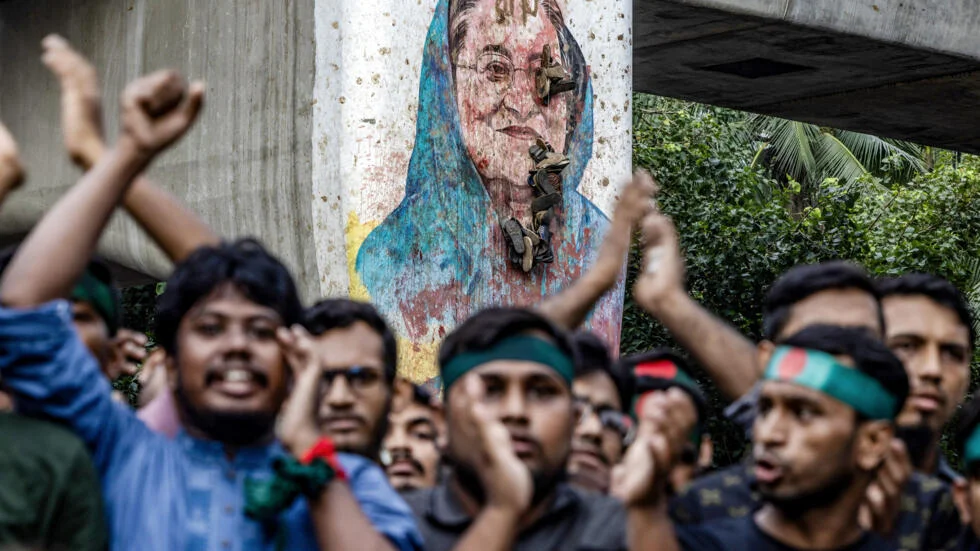
Bangladesh‘s interim government revoked the diplomatic passport of ousted premier Sheikh Hasina on Thursday. She had fled a student-led uprising by helicopter to India earlier this month.
The decision to cancel Hasina’s diplomatic passport leaves the former autocratic leader in potential limbo. This move occurred on the same day that a United Nations team arrived in Dhaka. The team is there to assess whether to investigate alleged human rights violations.
During the weeks leading up to Hasina’s ouster, police fired on crowds that stormed her official residence in Dhaka. This violence killed more than 450 people and ended her iron-fisted 15-year rule.
The interior ministry stated that it must revoke Hasina’s passport. It also must revoke the passports of former government ministers and ex-lawmakers no longer in their posts.
It also poses a diplomatic dilemma for Hasina’s current host, regional powerhouse India.
‘Disproportionate force’
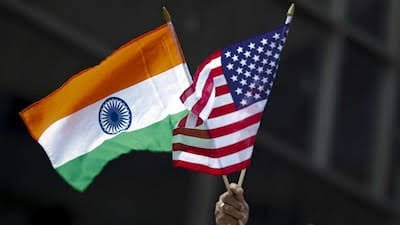
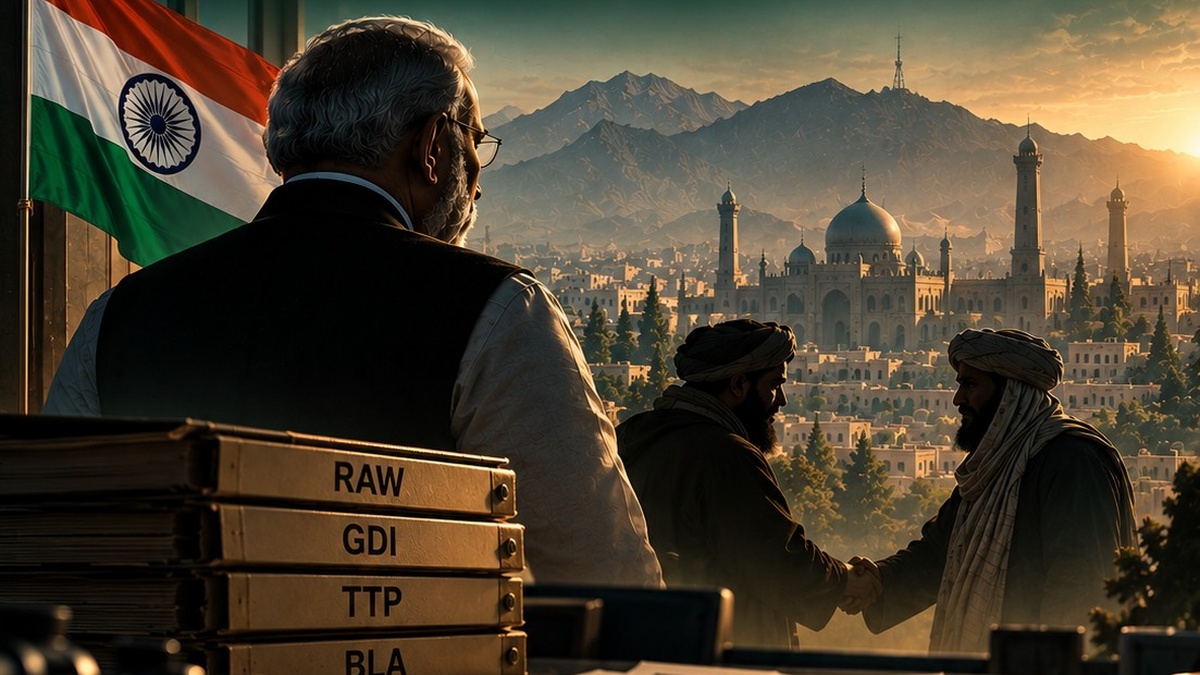
Hasina fled to an airbase near India’s capital, New Delhi. She was a close ally of Prime Minister Narendra Modi. Modi’s Hindu-nationalist government preferred Hasina over her rivals from the Bangladesh Nationalist Party. The government viewed the Bangladesh Nationalist Party as closer to conservative Islamist groups.
While India is hosting Hasina, Modi has also offered his support to the new Bangladeshi leader, Nobel laureate Muhammad Yunus, who is heading the caretaker administration.
“The former prime minister, her advisers, the former cabinet and all members of the dissolved national assembly were eligible for diplomatic passports by virtue of the positions they held,” Dhaka’s home ministry said in a statement.
“If they have been removed or retired from their posts, their and their spouses’ diplomatic passports have to be revoked.”
Dhaka’s new authorities said that Hasina, and other former top officials during her tenure, could apply for a standard passport, but that those documents were contingent on approval.
“When the aforementioned people apply afresh for ordinary passports, two security agencies have to clear their application for their passports to be issued,” the ministry added.
Critics accused Hasina’s government of committing widespread abuses, including mass detention and extrajudicial killings of political opponents.
The UN rights office assessing the protest response had said in a preliminary report last week that there were “strong indications, warranting further independent investigation, that the security forces used unnecessary and disproportionate force”.
Yunus has said his administration would “provide whatever support” UN investigators need.
Separately, a Bangladeshi war crimes tribunal set up by Hasina has launched three “mass murder” probes into its founder over the recent unrest.
This news is sourced from France 24 and is intended for informational purposes only.

Your trusted source for insightful journalism. Stay informed with our compelling coverage of global affairs, business, technology, and more.