
Ansarallah’s Naval Blockade Raises Stakes Across Regional Energy Corridors
The Iran-backed non-state armed group, the Houthis, declared a naval blockade against Saudi Arabia in retaliation for what they called an unjust siege against Yemen.

The Iran-backed non-state armed group, the Houthis, declared a naval blockade against Saudi Arabia in retaliation for what they called an unjust siege against Yemen.

A landmark study by MISHAL Pakistan finds citizens feel free to choose careers and run businesses, but only 11% believe their freedom of speech is protected, and 2.25 million court cases gather dust in a clogged justice system.

Pakistan’s role as a vital US-Iran mediator is being unfairly maligned by sensationalist media narratives that prioritize performative outrage over successful, quiet diplomacy.

Pakistan rejects sensationalized claims surrounding Nur Khan Airbase, reaffirming its neutral mediatory role in the Islamabad Talks aimed at regional peace and de-escalation.
Theme: Diplomacy and Geopolitics

Prominent leaders gather in Islamabad for the launch of “Marka-e-Haq: Deterrence, Provocation and Strategic Maturity in South Asia,” a book analyzing Pakistan’s victory and strategic resolve.

As ordinary citizens struggle to survive soaring costs and shrinking incomes, global energy crisis deepens with no end in sight.

India’s defiance of the Permanent Court of Arbitration and its failure to meet the February 2026 data disclosure deadline signals a dangerous erosion of the Indus Waters Treaty.

On May 2, 2026, an X Space session was held under the title “One Year Later: Military Gains, Diplomatic Wins and Pakistan’s Position.” The discussion assessed Pakistan’s evolving strategic posture in the aftermath of developments following May 2025, with a focus on shifts in military credibility, diplomatic positioning, and international perception.

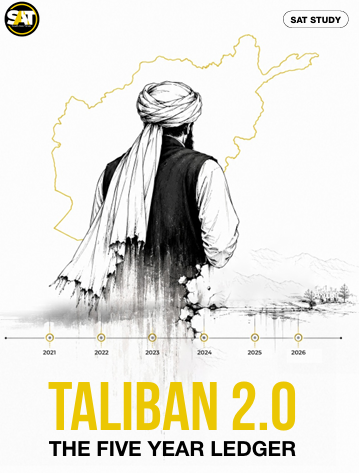
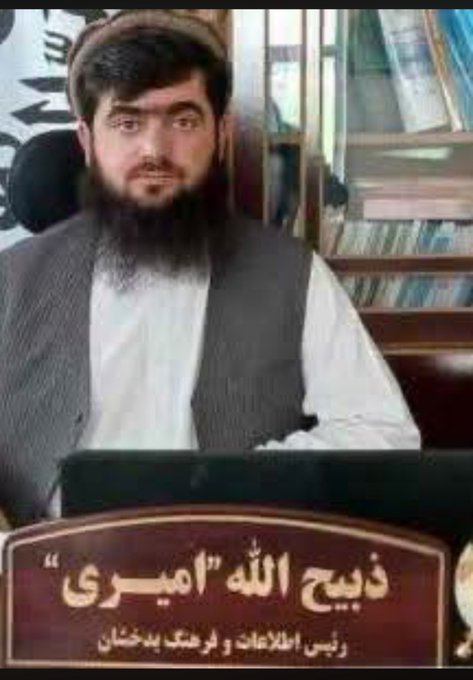
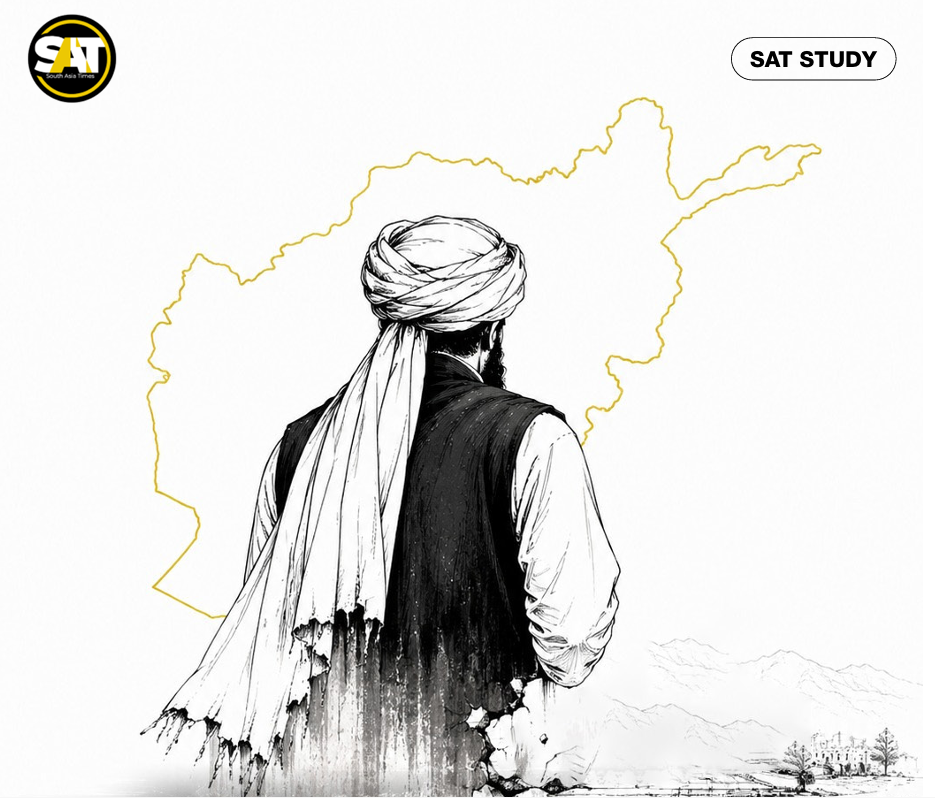
Taliban’s radical remaking of Afghanistan. Replacing “National” with “General” in state institutions to enforce a strict Islamic Emirate, driving education bans, women’s oppression, poverty, ethnic divisions and serious regional threats.

blurb: Sheikh Hibatullah’s new 17-point law enforces a state-controlled religious monopoly, banning diversity and turning Afghan scholars into scripted agents of the Taliban regime.