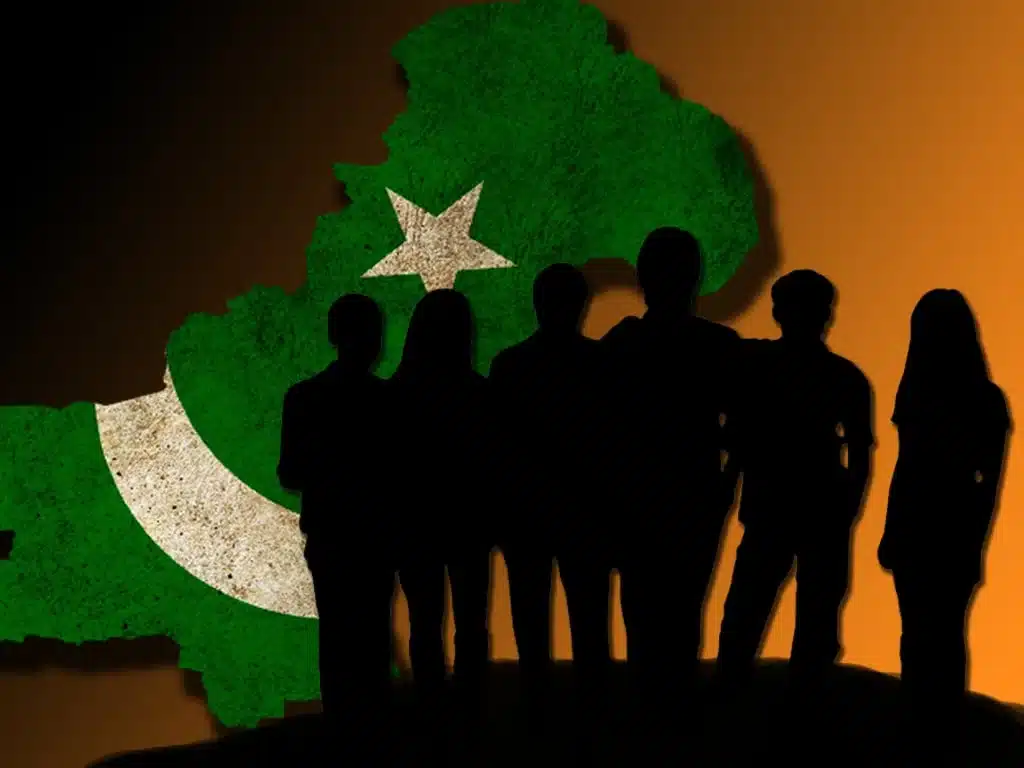
The youth of any nation portray a dynamic force that holds immense power to shape its future trajectory. In the context of Pakistan, ‘youth’ comprises of more than 60% of its population. This vibrant demographic segment can drive the country’s progress, especially the Baloch youth. This raises the question of how we can prepare our youth to take the reins of the country in the future.
A number of reasons make the youth of Pakistan an asset for the country and the nation. Pakistan has a large proportion of its citizens under the age of 30. With the right investments, educational reforms, skill development, and employment opportunities, the youthful force can guarantee positive outcomes. Young people tend to bring in fresh perspectives, energy, innovation and creativity. They can be instrumental in driving positive change, embracing new technologies and finding sophisticated solutions to complex challenges. Engaging the youth in social and political spheres can lead to the development of inclusive policies. It can also increase civic participation and drive social progress. Their voices can bring attention to important issues, promote equality, break stereotypes, and drive positive societal transformations. The fact that they are abreast of modern trends in technology, ideas, and thinking makes it essential to invest in them. Sometimes, this investment may even be irrational.
Addressing Youth Challenges and Balochistan’s Potential
However, without adequate endowments, the youth can also pose several challenges. If adequate jobs and economic prospects are not available, it can lead to frustration, disillusionment, and potentially social unrest. Pakistan faces the challenge of providing sufficient employment opportunities for its growing youth population, especially in the untapped Baloch youth. Inadequate investment in education and skill-building initiatives can limit their opportunities and hinder their ability to contribute effectively to the country’s development. Also, in the absence of positive outlets and opportunities, some youth may become susceptible to radical ideologies or involvement in illegal activities. This can pose security threats and undermine social stability.
Pakistan’s Balochistan province is a region of geopolitical, economic, and cultural importance. Its strategic location connects South Asia, West Asia and Central Asia, making it a significant crossroads for trade routes and security considerations. The land is rich in natural resources such as natural gas, coal, and minerals, offering economic potential for Pakistan and the countries around it. Additionally, Balochistan’s cultural heritage contributes to the region’s diversity and social cohesion. Recognizing and harnessing the province’s significance can lead to regional cooperation, economic growth and cultural preservation.
Including Balochistan’s youth in the national mainstream represents a significant breakthrough for Pakistan. Besides ensuring national unity and integration, it will be a step towards social cohesion and tolerance, increased diversity, educational and employment opportunities for the locals, and political representation and empowerment. Given Balochistan’s strategic geopolitical location and resourcefulness, investing in the Baloch people is of paramount importance for regional stability, improved governance, efficient utilization of resources and providing solutions to the complex regional challenges.
Empowering Balochistan Through Sports, Education, and Health
Such alignments can be achieved through several means and mediums. The recent campaign Manzil-e-Balochistan, under the overall ambit of Paigham-e-Pakistan, focused on fostering unity and collaboration among the youth through sports, educational activities, and community engagement. This will not only help the Baloch youth to promote interprovincial harmony but also provide a platform for the youth to showcase their talents and contribute to the nation’s progress.
Sports have long been recognized to foster unity. Paigham-e-Pakistan has organized 39 cricket matches and a number of football matches in cities of Kech, Chaghai, Barkham, Musakhel, Sibi, Harnai, Nushki, Panjgur, and more. In addition to sports, organizers arranged a range of educational engagements to promote mutual understanding and dialogue throughout Balochistan. They held speech competitions in the cities of Lasbela, Kech, Hub, Nushki, Ziarat, and Chaghai. Such platforms encourage intellectual programs, critical thinking, empathy and promoting a more inclusive society. Additionally, organizers conducted seminars on the topic “My Constitution is My Freedom’s Guarantee” in Kharan, Nushki, Harnai, and Sibi. These seminars educate the youth about their constitutional rights, and instilled a sense of ownership and empowerment.
Equally health is a primary concern in the province. Therefore, organizers established a number of medical camps in Lasbela to offer healthcare services to underserved communities. These camps, in addition to the services, also provided healthcare awareness and the importance of preventive measures. To promote patriotism and “Pakistaniat” among the youth, organizers conducted rallies to remember their heroes and the sacrifices they made for the country. Similarly, they set up an art exhibition to showcase the talents and diverse expressions of the youth in Balochistan.
Investing in Balochistan’s Youth for Pakistan’s Future
Taking everything into account, a very massive effort is being undertaken to uplift the Baloch youth and afford them opportunities they deserve. However still lot is required to be done in this regard. A whole of the government approach is therefore, mandatory to achieve this task. Investing in the young population, which holds the majority label of the Pakistani population, especially the youth of Balochistan, should be the primary concern for the policymakers and ruling authorities: for it is the youth of today that is the Pakistan of tomorrow. The better the investment; the brighter the future of the nation.
Also See: Balochistan Shines in International App Development challenge
The article is originally published by dailytimes. The views expressed in this article are the author’s own and do not necessarily reflect the editorial policy of the South Asia Times.