Middle East once considered one of the safest regions is under constant turmoil since 2023 when Hamas carried out attacks on Israeli occupied territory in Gaza. Israel responded with disproportionate retaliation not only against Hamas but primarily against the innocent Palestinians.
It opened fronts against Hezbollah, Houthis, Iran and Lebanon. Prior to that attack there were news of various countries chiefly Saudi Arabia joining Abraham Accords to accept Israel, which was shelved as soon as the Israeli aggression against Gaza was commenced. While Israel’s campaign was still on, there came war between Iran and Israel which was later joined by the US in June 2025.
After a brief period of low-level conflict in the region, Iran-US-Israel war again erupted on 28th of February 2026, while Iran was still in talks with the US over its nuclear issue. It has been around seven months that this war is still going on which is spreading both horizontally and vertically.
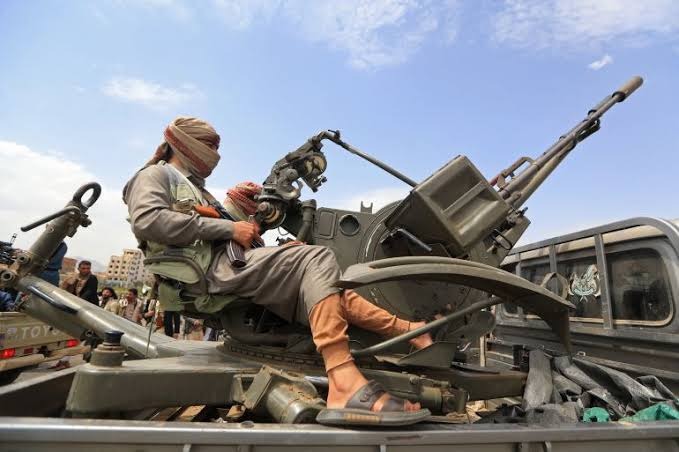
Somewhat linked to all what is happening, there is a growing situation in Yemen that has the potential to aggravate adverse economic effects on the world further. Commenced in July this year, Houthis accelerated their campaign against Yemeni government and Saudi Arabia in which they have occupied strategic chokepoint of Bab Al Mandab, which carries around fifteen percent of world’s energy transportation.
They have assured that their control of the strait is only against Saudi ships but who can ensure it is not directed against others too. Houthis’ attacks on mainland Saudi Arabia are increasing in frequency, range and intensity which is worrisome. Pakistan being member of Makkah Defence Agreement expects outfall on it. Pakistan has also conveyed to Iran to control Houthis who has denied its influence over them, somewhat inconsistent with the historical evidences.
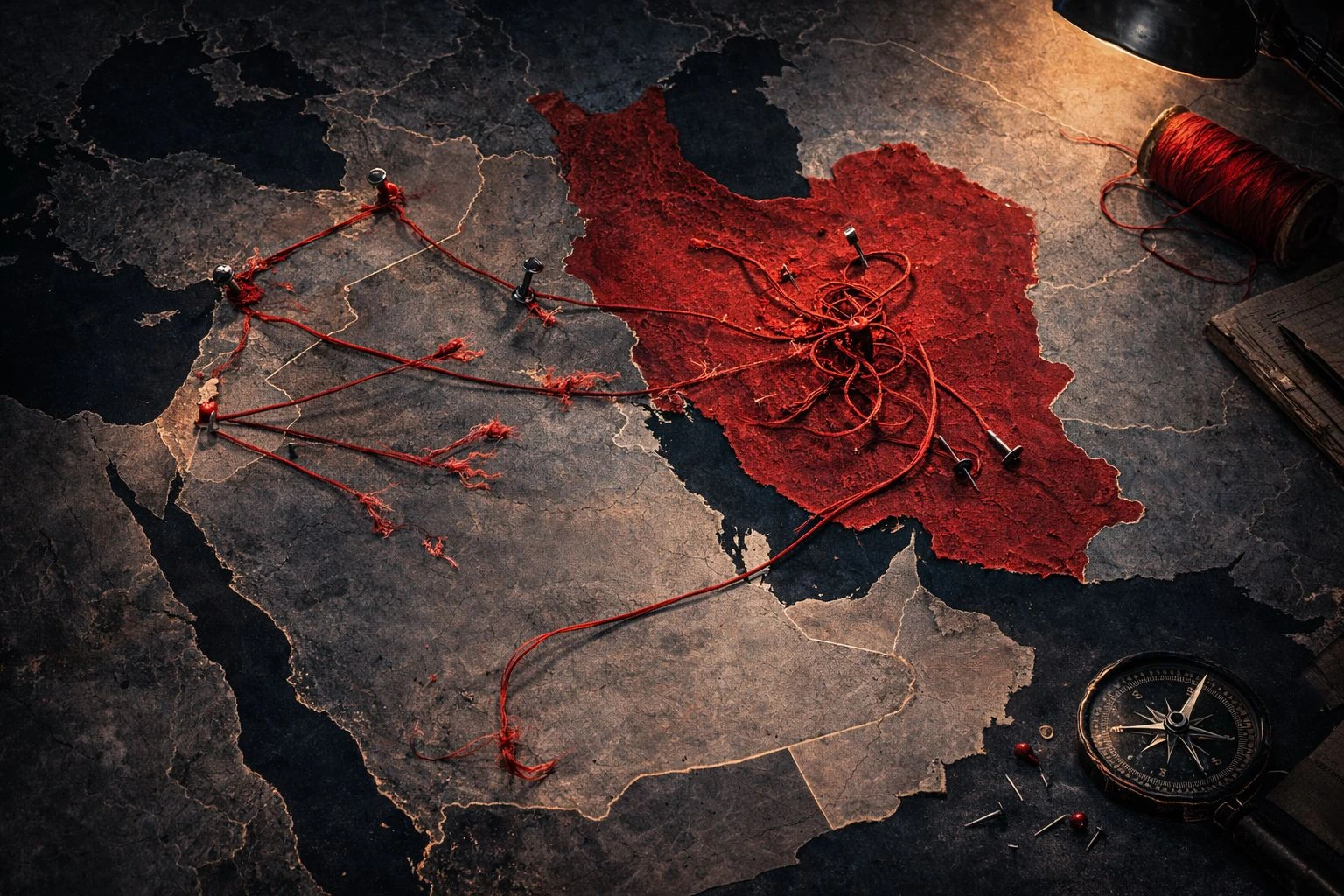
There are numerous views on this growing situation. Some argue Iran is behind it and wants to pressure US to accede to Iranian demands for opening Strait of Hormuz, which is facing a deadlock. Although from politico-economic point of view this hypothesis stands in favor of Iran, yet it also has the tendency of isolating Iran from politico-security lens especially at regional level which serves the purpose of the US, Israel and other adversaries of Iran in the region.
If Iran is doing so, it is in fact taking a big risk because after an agreement with the US, Iran will most likely be confronted by the regional countries which is neither in line with its own argument of sending outside powers out of region nor for the regional safety, security and peace.
Saudi Arabia’s Crown Prince MBS approached President Trump twice to seek his help in attacking Houthis which was declined but agreed to provide intelligence support against them. There are also reports that Israel extended an offer of intelligence sharing with Saudi Arabia and a meeting between Saudi and Israeli officials also took place under the patronage of US.
In July 2026, the US and Saudi Arabia signed a civil nuclear deal (123 Agreement), whose final implementation has been explicitly conditioned by President Donald Trump on Saudi Arabia joining the Abraham Accords. It is understood by the US and Israel that if Saudi Arabia joins Abraham Accords, it will pave the way for many others to flock to legitimizing Israel’s existence on occupied territories. Saudi Arabia has been resisting to join it especially after what Israel did in Gaza post October 2023.
Just imagine, why Houthis aggravated scheme of things, US declining Saudi Crown Prince’s request to support against them and Israel’s offer to extend intelligence support may not oblige Saudi Arabia to consider accepting Abraham Accords? It is certainly a golden opportunity. Also, if the situation further scales up, will Saudi Arab not like to invoke Makkah Defence Agreement fully asking Pakistan and Türkiye to fulfill their commitments, and that will have the chance to make things worse for Iran also.
From the start of war against Iran in February this year, Israel has been aspiring for a situation where regional countries start participating in war against Iran which besides damaging Iran will also weaken them automatically giving rise to Israel as a dominant power in the region.
The situation developed as a result of Houthis’ actions has thus created a desirable situation for Israel which it may like to capitalize upon. This can be a motivating factor for Israel to press on helping Saudi Arabia in whatever way it can against Houthis. The aggravated situation by Houthis therefore does not suit Iran in whatever way it advances.
Regardless of what suits whom, there is an urgent need for extensive diplomatic efforts especially by Pakistan whose political stature has had substantial gain after May 2025 conflict with India and leading mediation role between Iran and the US. It is in the sheer interest of Pakistan to take another leading role and using its good relations with Saudi Arabia as well as with Iran to create a stopper for escalating situation.

Reema Shaukat, an independent analyst specializing in the Maritime domain, serves as a Communication Strategist at the Institute of Regional Studies Islamabad. She can be reached at reema.asim81@gmail.com.