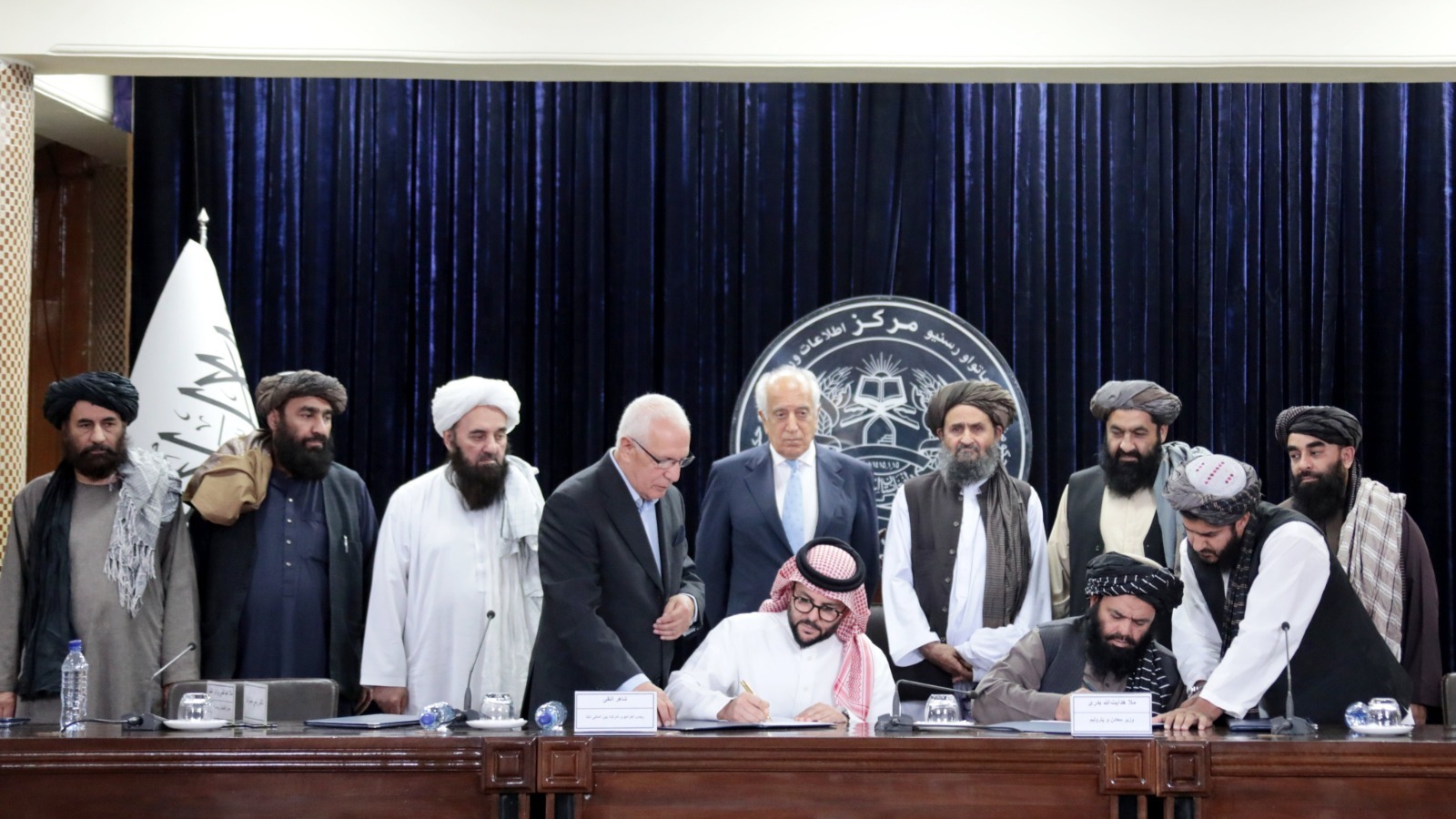
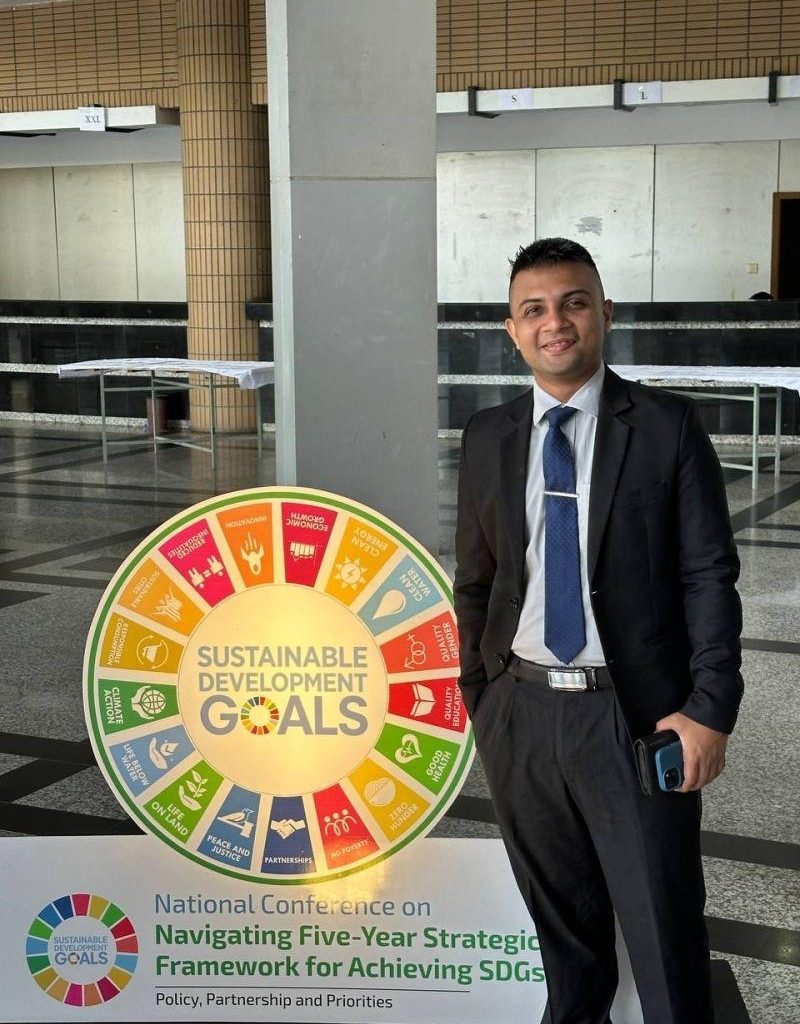
On the 10th and 12th of August 2026, senior government officials shared their vision for the country’s future and development plans.
Among those present were Prime Minister Tarique Rahman; Mirza Fakhrul Islam Alamgir, Former Minister for Local Government, Rural Development and Cooperatives; Amir Khasru Mahmud Chowdhury, Minister of Finance and Planning; and Professor Dr. A.Z.M. Zahid Hossain, Minister of Social Welfare, among several others.
These are people who understand, in granular detail, how the country actually runs. Most Bangladeshis have studied the Sustainable Development Goals (SDGs) to some extent, but whether the substance of these goals has ever been truly internalized remains an open question.
Poverty eradication, hunger, and equality are familiar academic subjects — yet how deeply they are felt is another matter entirely. Living in the capital while overlooking conditions in the districts appears to be a deep-rooted national habit.
Millions of people in this same country lack access to clean water. Surveys show that despite persistent challenges, 83% of Dhaka’s residents have access to safe drinking water, while in the southern region, tens of millions are crying out for it. In North Bengal, wells dug 60 feet deep still fail to strike water — a crisis that rarely registers in the national conversation.
It is too early to judge whether the BNP government is performing well overall. But one thing it appears to be getting right is the supply of accurate information.
For years, official narratives claimed GDP growth had climbed to 7.2%, with 10% projected as within reach; a claim on which the Awami League built much of its political legitimacy. In reality, growth was in the 4% range, below 5%.
This willingness to provide people with accurate data instead of manufactured optimism is commendable. Still, whether BNP can deliver meaningful progress on the SDG targets within the remaining three years and four months is genuinely uncertain.
Notably, from the Prime Minister down to every minister, one message was repeated consistently: achieving the SDG targets is not something government can accomplish alone.
It requires individual effort, private investment, and the active participation of non-state actors. Population pressure remains a formidable obstacle. This is precisely where the current government faces its most demanding test.
Energy access is one of the core SDG indicators, yet loadshedding outside the capital has, for an extended period, exceeded tolerable limits. The problem is not that no one is capable of acknowledging it — it is that accountability has been lacking. Such failures disrupt not only ordinary daily life but also business activity nationwide. This is an issue that demands direct attention from the country’s leadership.
One encouraging observation from these sessions was the apparent willingness of senior politicians to listen. The Prime Minister was seen taking notes like a student.
Ministers spoke directly and on-point, without evident self-promotion. Instances of acknowledging error and apologizing for it were also observed — a rare quality in public life. If offices and institutions across the country adopted similar conduct, genuine development might follow; not through rhetoric, but through action.
In a country this small in size and huge in population, hope remains one of the few resources still available. Watching how relentlessly those at the top are pulled in every direction leaves one conclusion difficult to escape: if the system itself were honest, taxpayers’ money would finally reach where it was always meant to go.
Md. Nahid Al Mahmud
Md. Nahid Al Mahmud is a Post Graduate Researcher. He has completed his thesis on Maritime Strategy of Bangladesh in his Bachelors. Now he is completing his MSS in Security Studies from Department of International Relations in University of Dhaka.