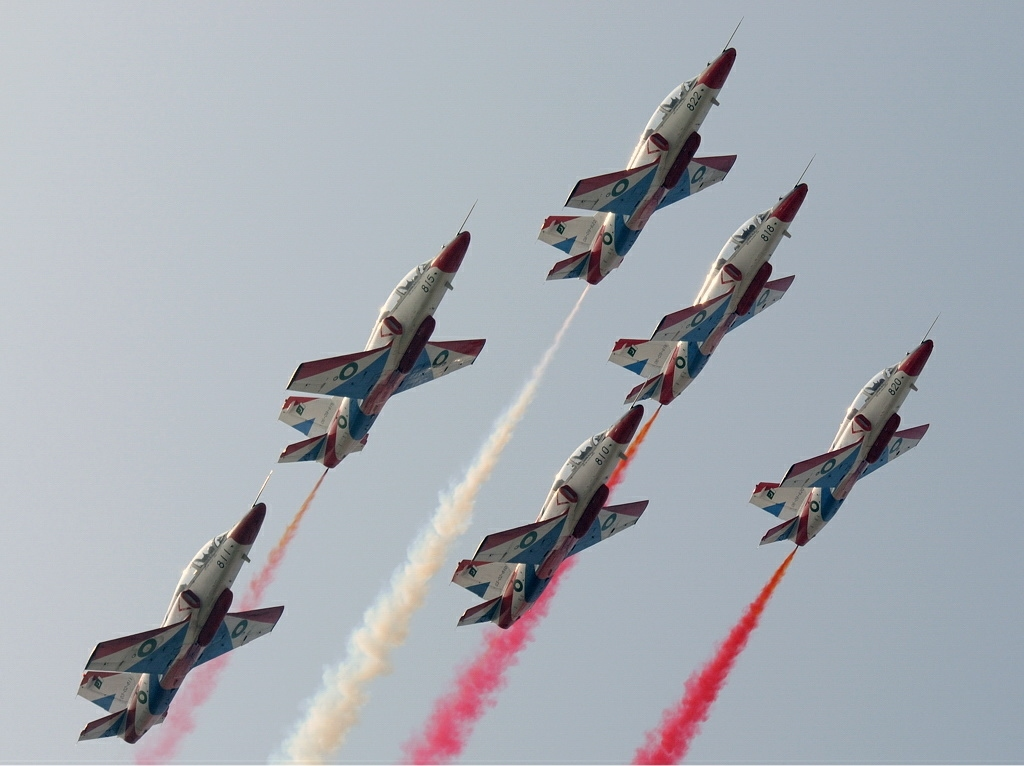
On 6 September 1965, Pakistan’s soldiers, airmen, and sailors stood against an adversary that outmatched them in almost every conventional metric: manpower, armour, aircraft, and reserves.
India’s military planners had calculated, not unreasonably on paper, that a swift push toward Lahore would end the contest before it began.
What they had not accounted for was resolve. Pakistan’s armed forces, backed by a nation that refused to be intimidated by numbers, held their ground and made clear that territorial integrity was not negotiable, regardless of the arithmetic of tanks and squadrons.
That day became Defence Day, and for six decades it has stood as a marker of that resolve.
But if Defence Day were only a commemoration, a single date frozen in 1965 and taken out once a year like an old photograph, it would have long since lost its meaning. What gives it continued relevance is that every generation of Pakistanis has had reason to renew the very resolve it commemorates.
May 2025 was the most recent and perhaps the most instructive of these reminders. When India launched Operation Sindoor, Pakistan’s response, named Marka-e-Haq, once again tested that same national will.
Pakistan’s armed forces answered with Operation Bunyan-un-Marsoos, and the episode closed within days, on terms that left no doubt about Pakistan’s capacity and intent to defend itself.
Marka-e-Haq did not create a new resolve. It confirmed that the one forged in 1965 had never gone dormant. That is the real lesson of this day: it is not a museum piece, it is a renewal that each threatening moment forces us to make again.
And here lies the harder truth this Defence Day must confront. The threats facing Pakistan today look almost nothing like the tank columns of 1965.
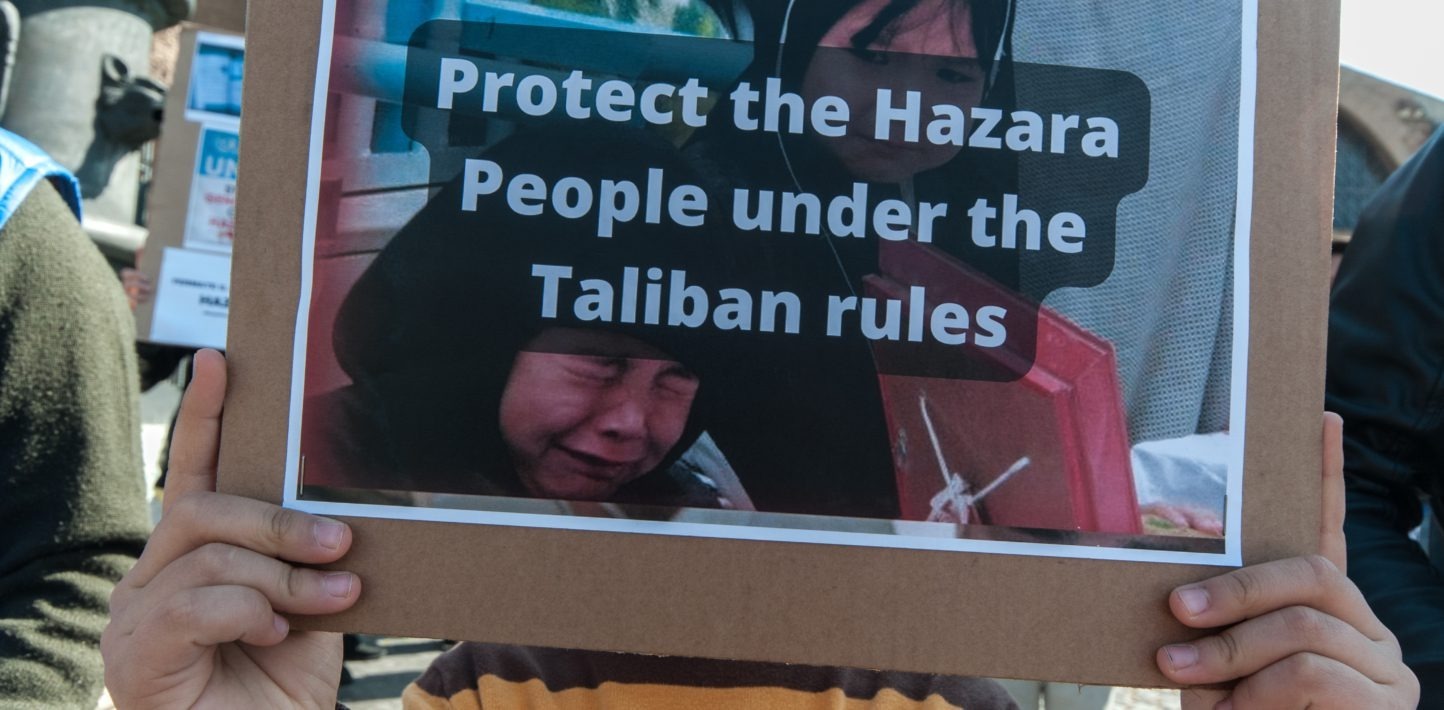
Across the western border, Afghan soil has repeatedly become a staging ground for groups that Pakistan holds are armed, financed, and directed with Indian backing, striking at security forces and civilians alike in an undeclared and deniable war.
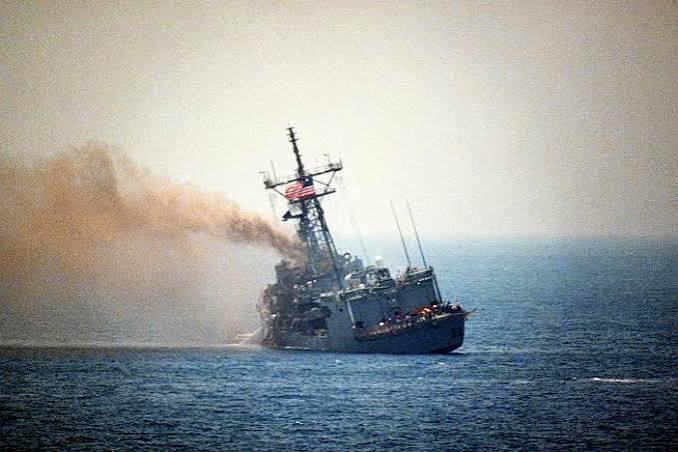
To the west of that, the confrontation between Iran and the United States, and the recurring danger of a closure or disruption of the Strait of Hormuz, threatens to drag the wider region, including Pakistan’s energy security and trade routes, into a crisis it did not choose.
Domestically, terrorism and extremism continue to bleed the nation through tactics designed to avoid the very battlefield where Pakistan’s conventional and nuclear deterrence is strongest.
And running beneath all of this is a newer, quieter battlefield: cyberspace and the information environment, where hostile narratives, disinformation campaigns, and digital intrusions aim to erode public morale and institutional trust without a single shot being fired.
None of these threats respects the old boundary of a declared war between two states. This is precisely why defending Pakistan can no longer be reduced to defending against a single state enemy across a single border.
Defence, in 2026, has become something larger and more diffuse: it spans economic resilience, information integrity, social cohesion, and internal security, in addition to the conventional and nuclear deterrence that the armed forces have always provided.
A nation that only prepares for the war it fought last time will find itself unprepared for the one it is actually fighting now.
Meeting threats of this scale and variety also demands defence capabilities that go beyond what any single country, however capable, can build alone. Pakistan has long operated at a conventional disadvantage relative to India’s sheer size and defence budget, and no amount of indigenous effort alone closes that gap overnight.
One of the more consequential responses to this reality has been Pakistan’s turn toward pooled deterrence with trusted partners. The Makkah Joint Defence Agreement, signed in August 2026 by Pakistan, Saudi Arabia, and Turkiye, building on the Pakistan-Saudi Strategic Mutual Defence Agreement of September 2025, commits its signatories to treating an attack on one as an attack on all.
This is not a symbolic gesture between old friends. It is a deliberate strategic choice: recognising that Pakistan’s nuclear capability, Saudi Arabia’s resources and regional standing, and Turkiye’s growing defence industry, combined, constitute a deterrent none of the three could offer on their own.
It is proof that Pakistan understands the nature of the new contest and is adapting to it rather than simply hoping the old formula still applies.This adaptation, however, cannot stop at the level of state alliances.
If defence has genuinely expanded beyond the battlefield, then the responsibility for it must expand beyond the armed forces as well.
Cyber intrusions, disinformation campaigns, and social fault lines exploited by hostile actors are not problems a soldier can solve with a rifle.
They require an informed and resilient citizenry, a media that guards against manipulation rather than amplifying it, a private sector that secures its own digital infrastructure, and communities that refuse to let sectarian or ethnic grievances be weaponised from abroad.
It is neither fair nor realistic to expect the armed forces, however capable, to single-handedly defend a nation against threats that are economic, informational, and social in nature. That is a task for the whole of society, working in concert with the institutions meant to protect it.
This Defence Day, then, should mean more than parades and tributes to 1965, as important as it is to remember it. It should be the occasion on which every Pakistani, in uniform or out of it, renews an understanding that the defence of this country is now everyone’s responsibility.
The armed forces have shown, multiple times over six decades, that resolve can overcome disadvantage. The question this year is whether the rest of the nation is prepared to carry its share of that same resolve into a fight that no longer has a single front line.

Your go-to editorial hub for policy perspectives and informed analysis on pressing regional and global issues.