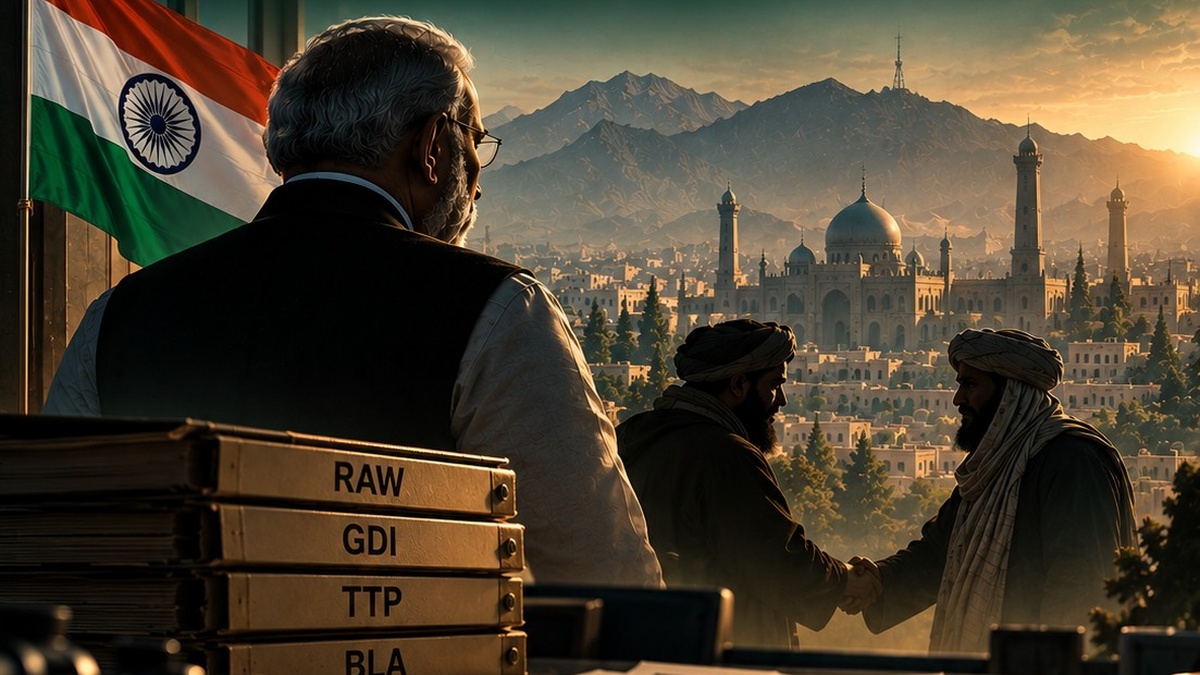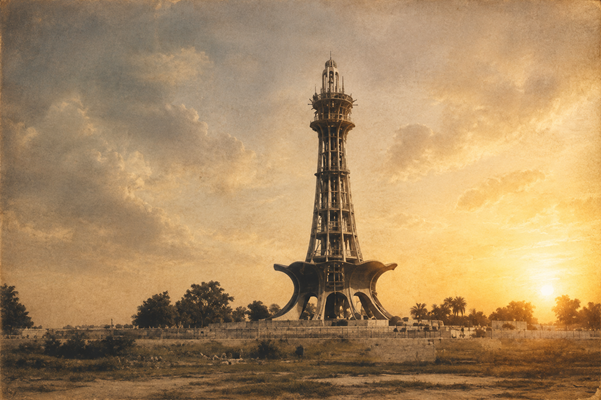
Tomorrow, Pakistan will mark seventy-nine years of independence.The green and white flag will rise over homes, schools, government buildings and public squares. Patriotic songs will fill the air. Streets will wear the colors of celebration, and a new generation, born decades after Partition, will celebrate a country they have always known.
But before the ceremonies begin and before history is remembered in speeches and slogans, the eve of Independence Day offers a quieter moment for reflection.
What exactly are we celebrating?
Is it simply that, at the stroke of midnight on 14 August 1947, a new state appeared on the map of the world? Or are we celebrating something far more profound, that is, the courage of millions who chose an uncertain future over a familiar past, and the generations that ensured Pakistan endured every challenge that followed?
The story of Pakistan has never been the story of a nation that enjoyed an easy history.
It is the story of a Republic repeatedly tested by war, displacement, geopolitical rivalry, terrorism, economic crises and natural disasters yet refusing to surrender the promise on which it was founded.
If Independence Day is to mean more than ceremony, it must also be an occasion to ask what the next chapter of that promise should look like.
The First Generation Chose an Idea
Imagine being asked to leave everything behind.
Your home.
Your livelihood.
Your neighbourhood.
The graves of your ancestors.
Not for a country already functioning with established institutions and guaranteed opportunities, but for one that existed largely as an aspiration.
That was the choice millions made in 1947.
Somewhere along the Grand Trunk Road, a father locked the door of a house he knew he would never open again. A mother folded the deeds of a home that history had suddenly rendered meaningless. A child asked when they would return.
No one had an answer.
They were not walking towards certainty.
They were walking towards an idea.
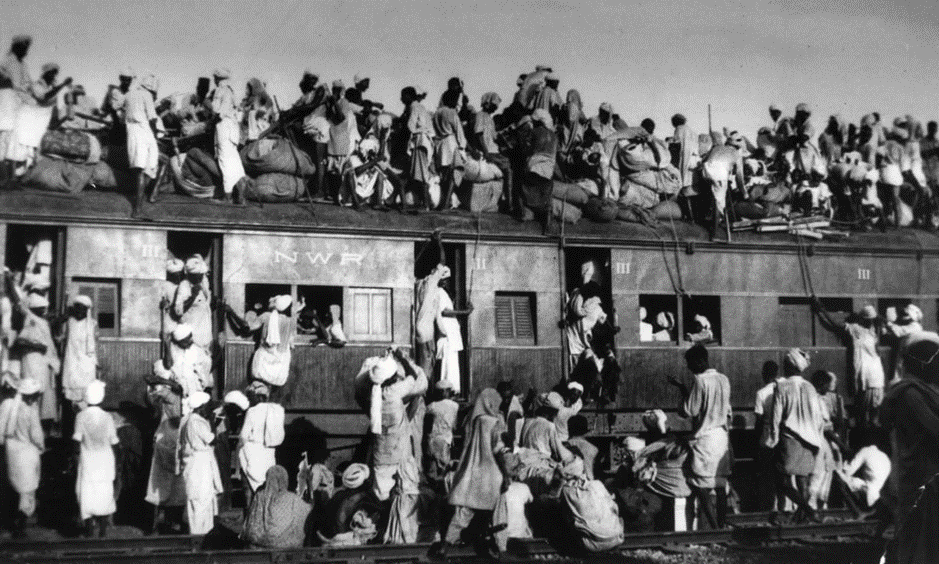
Pakistan inherited empty offices, fragile institutions, limited financial resources and one of the largest migrations in human history. It possessed little except the determination of those who believed that political freedom, representative government and the opportunity to shape their own future were worth every sacrifice.
Muhammad Ali Jinnah understood that political independence without economic strength would remain incomplete. He called upon industrialists and entrepreneurs to help build the economic foundations of the new state. Families such as the Adamjees, Habibs, Dawoods, Saigols, Valikas, Bawanys and many others responded by investing their capital, experience and confidence in a country whose future remained uncertain.
The lesson of 1947 remains timeless.
Nations are built not merely by governments, but by citizens willing to invest in a future they cannot yet see.
The Islamic republic Learned to Endure
Independence was followed almost immediately by the Jammu and Kashmir war.
The wars of 1947–48 and 1965 tested Pakistan’s territorial resilience. The tragedy of 1971 tested its political resilience. Each challenge left lessons that continue to shape the country’s strategic outlook.
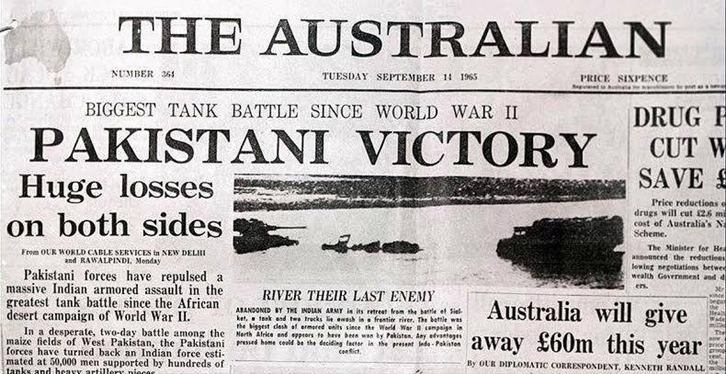
Those decades demonstrated that national security extends beyond military capability. It also depends upon constitutional continuity, institutional credibility, political inclusion and public trust.
History then shifted the challenge once again.
The Soviet invasion of Afghanistan in 1979 transformed Pakistan into the frontline state of the Cold War. Refugees crossed its borders by the millions. International alliances redefined its strategic environment. Yet geopolitical success came with enduring domestic consequences, including militancy, illicit arms, narcotics and regional instability that outlived the conflict itself.
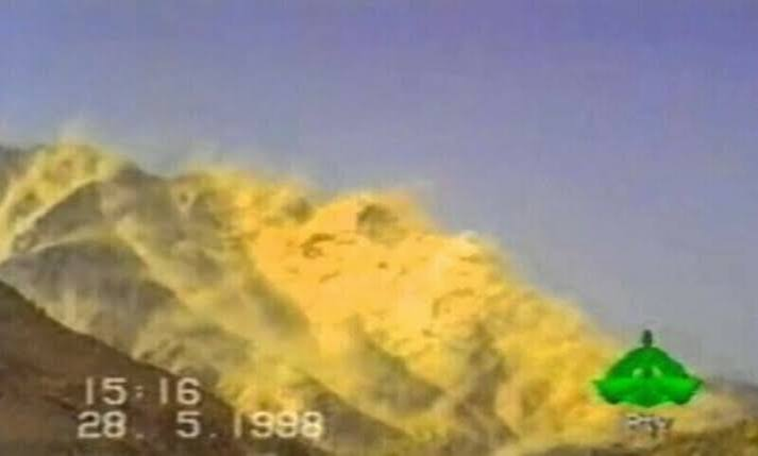
The pursuit of nuclear capability reflected another strategic choice. It sought to establish credible deterrence in a difficult regional environment, creating the security space necessary for national development.
Then came 11 September 2001.
For Pakistan, terrorism was not a distant conflict. It became an internal struggle fought in villages, cities, schools, mosques and marketplaces. Thousands of civilians and security personnel sacrificed their lives. Entire communities endured displacement. The economic costs were immense, but the greater achievement was that the Islamic republic refused to allow extremism to define its future.
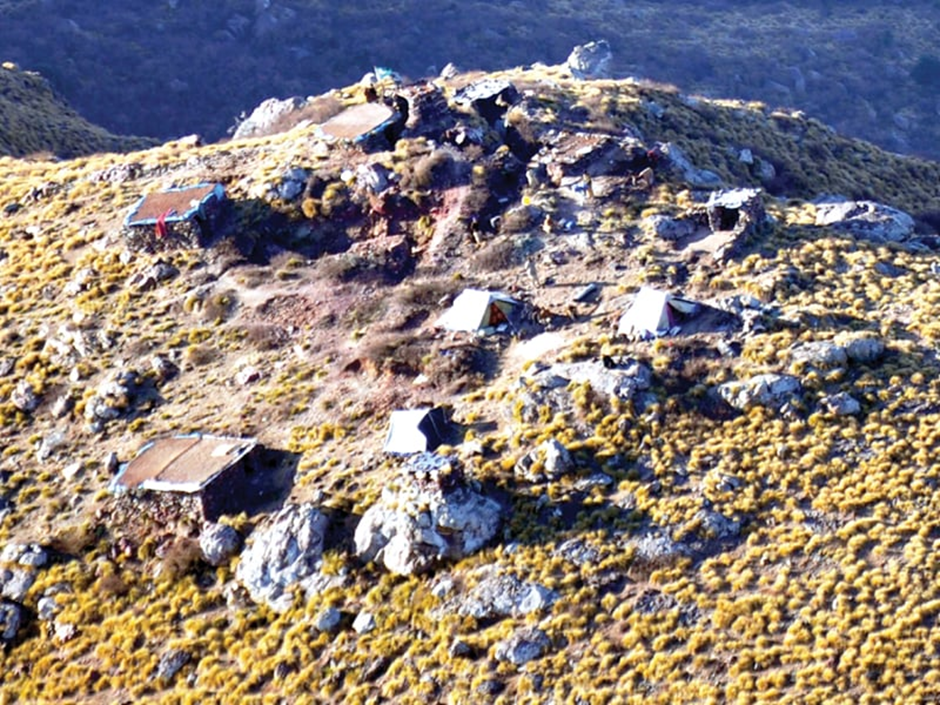
Image Alt: salala checkpost incident
Each generation faced a different challenge.
Each understood that the survival of Pakistan could never be taken for granted.
Our Generation’s Responsibility
As Pakistan prepares to celebrate its seventy-ninth Independence Day tomorrow, the nature of the challenge has changed once again.
For perhaps the first time since independence, the Islamic republic’s defining test is not whether it can survive. It is whether it can renew itself.
Today’s strategic competition is not confined to borders alone. Economic resilience has become a measure of national security. Technological innovation has become an instrument of strategic influence. Artificial intelligence is transforming the information landscape. Cyber threats accompany geopolitical rivalry. Climate change is reshaping development priorities. Water, energy and food security increasingly influence national stability.
Alongside these visible challenges lies another, quieter contest. It is a contest over confidence. Over constitutional values. Over civic responsibility. Over historical understanding.
Over whether young Pakistanis continue to believe that the Islamic republic is a national project worthy of their energy, talent and commitment.
In an era shaped by digital platforms, misinformation and relentless polarisation, the battle for national confidence is no less significant than earlier struggles for territorial security. Nations rarely weaken because criticism exists; they weaken when citizens lose confidence that their institutions can improve, that public life can be reformed, and that the future can be better than the present.
This is why patriotism and accountability must never be seen as opposing ideas. A confident nation welcomes honest criticism because it believes in its capacity to reform. Equally, criticism detached from responsibility risks becoming cynicism.
The challenge before Pakistan is not to choose between optimism and realism. It is to combine both.
The next phase of nation-building demands stronger institutions than personalities, constitutional governance over political expediency, investment in education and scientific research, technological innovation, economic competitiveness, environmental resilience and an informed citizenry capable of distinguishing fact from manipulation.
These are not merely development priorities. They are strategic imperatives for the Islamic republic’s second century.
From Survival to Renewal
The generation of 1947 built Pakistan.
Those who followed defended its sovereignty.
Others strengthened its strategic deterrence.
Others confronted terrorism at enormous human cost.
History has recorded their chapters.
The responsibility of this generation is different.
It must ensure that Pakistan no longer measures success solely by its ability to survive crises, but by its ability to create opportunity, strengthen institutions, expand knowledge and inspire confidence.
Tomorrow, as the green and white flag rises across the country, it should remind us of more than a hard-won past.
It should remind us of an unfinished future.
The centenary of independence in 2047 is no longer a distant milestone. It is within the lifetime of today’s young Pakistanis. Whether that Pakistan is more prosperous, more innovative, more just, more cohesive and more influential will depend less on the crises it inherits than on the choices it makes.
The first generation gave Pakistan existence.
The generations that followed secured its survival.
The defining responsibility of our generation is to ensure that, by the time the Islamic republic turns one hundred, it has fulfilled more completely the promise that inspired millions to walk towards an uncertain future in 1947.
That is the unfinished work of independence.

Your go-to editorial hub for policy perspectives and informed analysis on pressing regional and global issues.