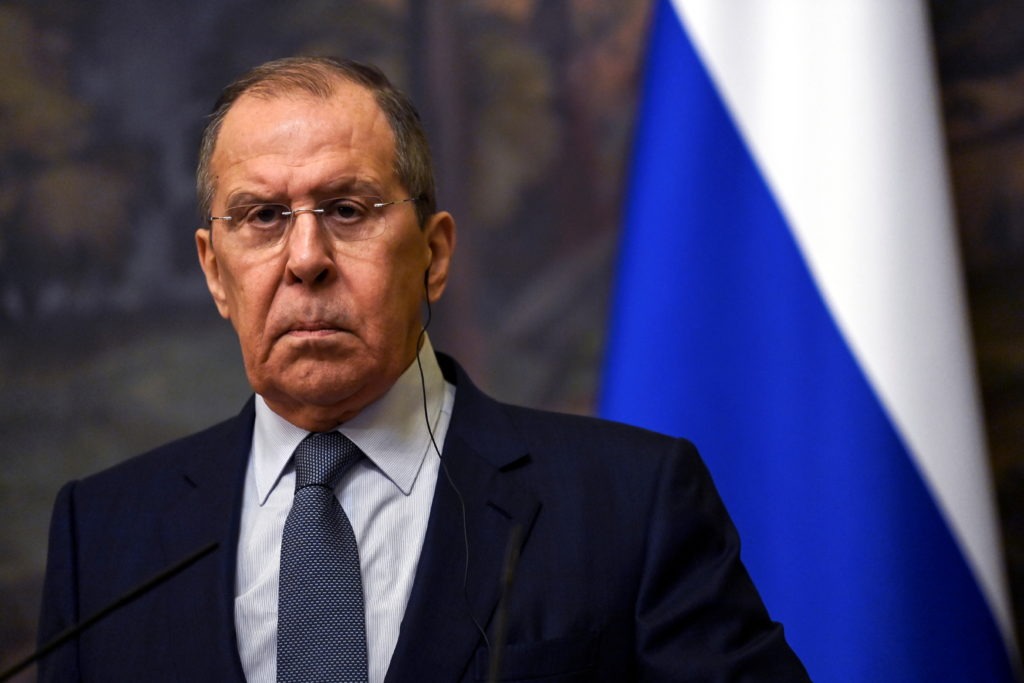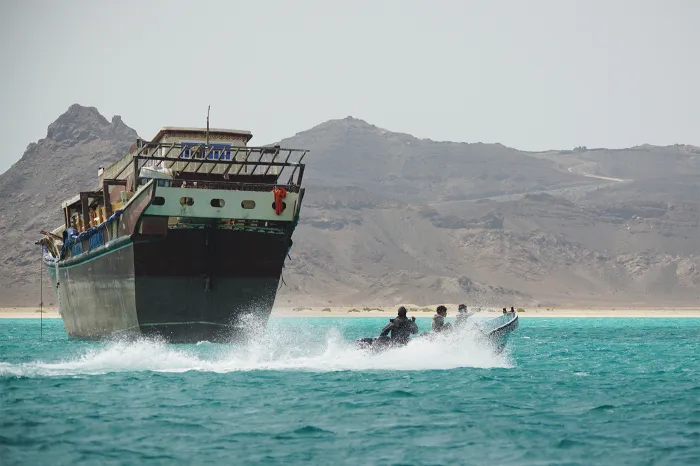
Amidst the Houthi threat of blockading Saudi ports and threatening Red Sea shipping, Pakistan’s Ministry of Foreign Affairs has issued a firm condemntation. Islamabad reaffirmed its commitment to regional stability and maritime security, especially reserving the right to defend its own vessels and interests.
From a geopolitical point-of-view, this is a significant moment. Pakistan’s defense treaty with Saudi Arabia, its recent mediator role in US-Iran war, and geographical place in the region necessitated the response.
The Houthis now function as a regional non-state actor with the reach and intent to disrupt one of the world’s most consequential waterways. The Red Sea carries a substantial share of global trade between Asia, Europe and Africa.
When a militia based in Yemen can threaten this corridor with missiles and drones, the consequences extend far beyond Yemen’s borders. They reach shipping insurers in London, energy markets in Asia, and consumers everywhere who ultimately absorb the cost of rerouted cargo and rising freight rates.
This is the context in which Pakistan’s statement should be understood. Attacks on commercial shipping are a direct challenge to the principle of freedom of navigation, a principle that underpins the entire structure of international trade.
Saudi Arabia occupies a central place in this picture. Riyadh’s security is not a narrow national concern; it is tied to the stability of the wider Gulf and, by extension, to global energy supply.
Threats against Saudi territory and Saudi-linked maritime commerce are violations of international law, and they call for a collective response rather than a series of isolated national reactions. No single country can secure the Red Sea alone, and no country should be expected to.
Pakistan’s position needs to be read in light of a relationship that has been built over decades. The partnership between Islamabad and Riyadh rests on mutual trust, defence cooperation, and a long record of standing by one another in difficult moments.
Pakistan’s statement is an extension of that history. It signals that Islamabad views Saudi security as inseparable from its own strategic calculations, and that this is a commitment made in good faith rather than for effect.
At the same time, Pakistan’s position simply follows the frameworks of international law. The right of self-defence invoked in the statement applies specifically to Pakistani-flagged vessels and Pakistani maritime interests, and it is grounded in the UN Charter.
It shows a country asserting its red lines without reaching for confrontation, and it reflects an approach that favours deterrence over escalation. Pakistan has also called for dialogue as the preferred route to resolving the crisis, a position consistent with its stated preference for stability over open conflict.
This combination, firmness on principle paired with restraint in method, is what responsible regional conduct looks like. Pakistan is not the only country with an interest in the Red Sea’s security, but its statement adds weight to a growing international consensus that the current pattern of attacks cannot continue unanswered.
A stable Middle East, secure sea lanes, and uninterrupted global commerce are not abstract goals. They affect fuel prices, shipping costs, and supply chains that touch nearly every economy, including Pakistan’s own.
The Houthi threat to the Red Sea will not be resolved by statements alone, but statements of this kind matter because they establish where a country stands before a crisis deepens, and they build the diplomatic groundwork for coordinated action if deterrence fails.
Pakistan has now put itself clearly on record. The task ahead, for Islamabad and for the wider region, is to ensure that this clarity translates into sustained diplomatic pressure and, if necessary, coordinated collective action to keep the Red Sea open for the trade that depends on it.

Your go-to editorial hub for policy perspectives and informed analysis on pressing regional and global issues.