
LATEST ⦿

The 2025 U.S. National Security Strategy marks a decisive break from the post-1945 liberal order, replacing globalism and multilateralism with a neo-Westphalian focus on sovereign nation-states, fortified borders, and exclusionary spheres of influence. It signals America’s retreat from global leadership and the return of great-power rivalry.
A recent Drop Site News report claims a covert UK–Pakistan exchange of convicted sex offenders for political dissidents. But a closer look shows the story rests on hearsay, anonymous insiders, and a narrative shaped more by partisan loyalties than evidence. From misrepresenting legally declared propagandists as persecuted critics to ignoring the legal impossibility of such a swap, this report illustrates how modern journalism can slip into activism. When sensational claims outrun facts and legality, credibility collapses, and so does the line between holding power accountable and manufacturing a story.
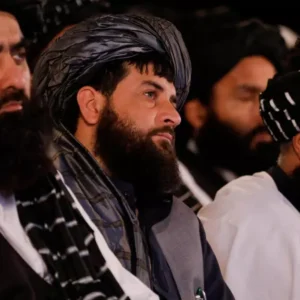
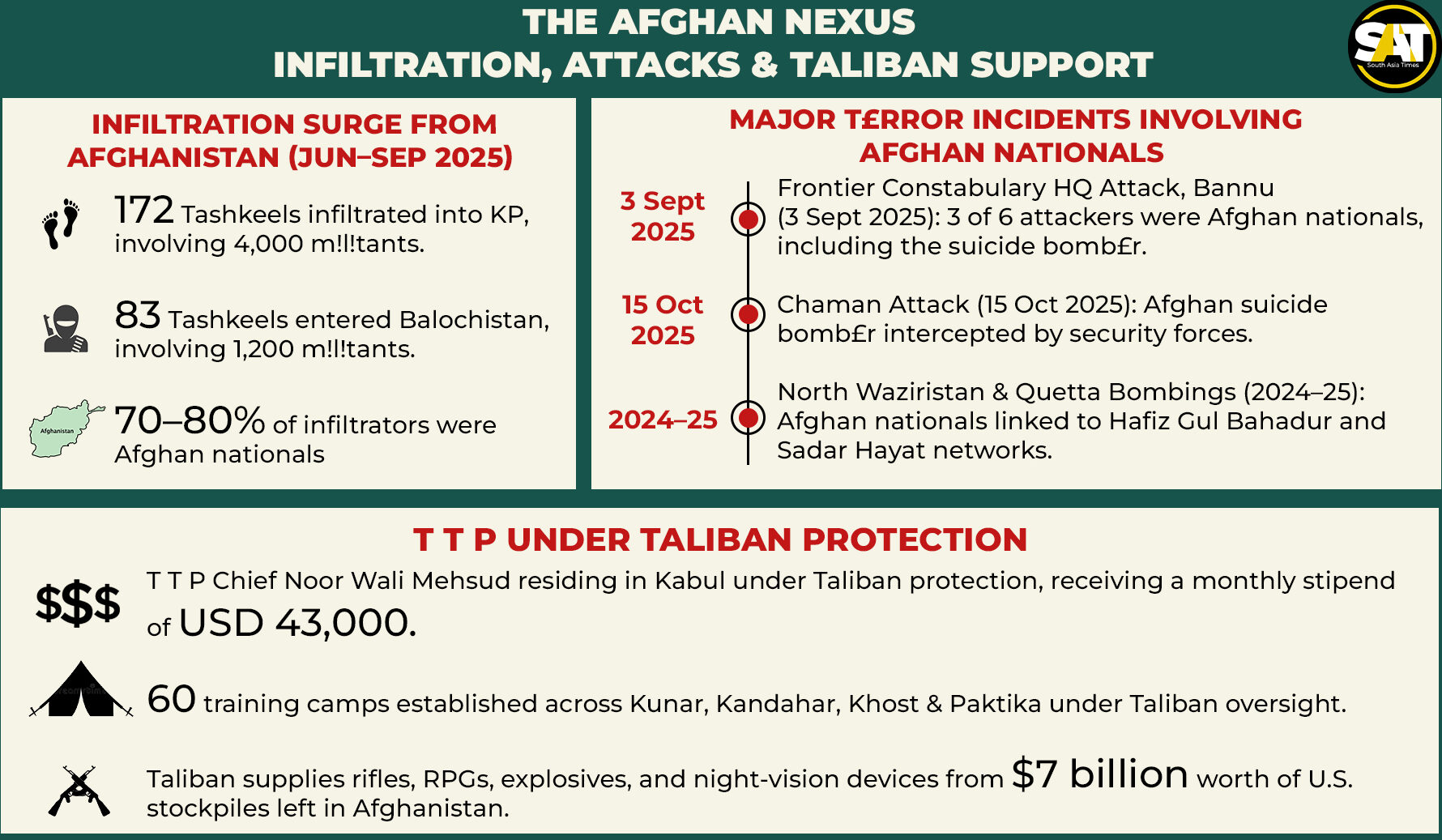
Zabihullah Mujahid’s recent statement dismissing the TTP as Pakistan’s “internal issue” and claiming Pashto lacks the word “terrorist” is a glaring act of evasion. By downplaying a UN-listed militant group hosted on Afghan soil, the Taliban spokesperson attempts to deflect responsibility, despite overwhelming evidence of TTP sanctuaries, leadership, and operations in Afghanistan. His remarks reveal not linguistic nuance, but calculated hypocrisy and political convenience.

LATEST ⦿

The 2025 U.S. National Security Strategy marks a decisive break from the post-1945 liberal order, replacing globalism and multilateralism with a neo-Westphalian focus on sovereign nation-states, fortified borders, and exclusionary spheres of influence. It signals America’s retreat from global leadership and the return of great-power rivalry.
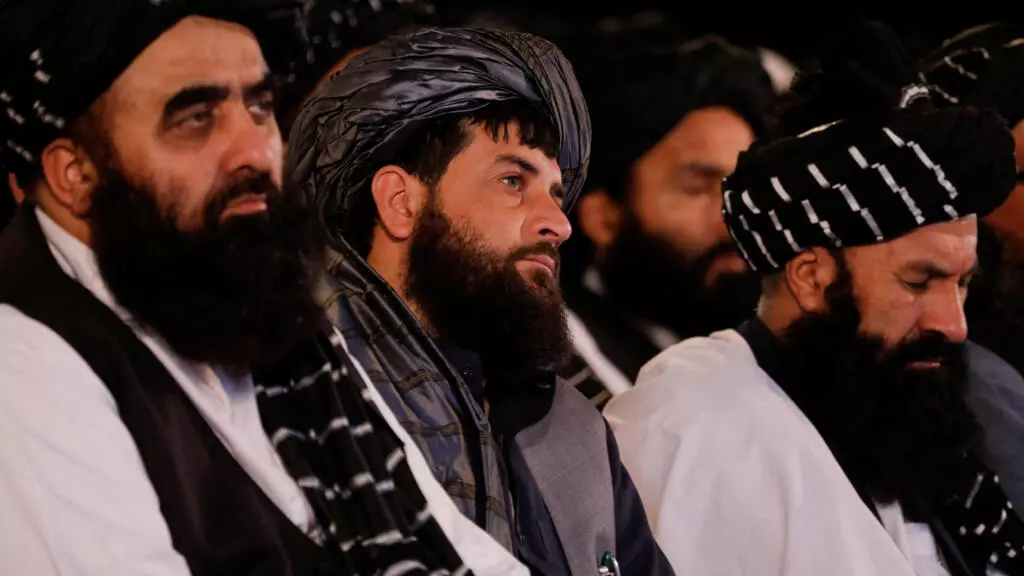
Interim Foreign Minister Amir Khan Muttaqi’s recent address sought to reframe Afghanistan’s strained ties with Pakistan through a narrative of victimhood and denial. From dismissing cross-border militancy to overstating economic resilience, his claims contradict on-ground realities and historical patterns. A closer examination reveals strategic deflection rather than accountability, with serious implications for regional peace and security.
Political mobilization in South Asia is not rooted in policy or institutions but in a profound yearning for deliverance. From Modi’s civilizational aura in India to Imran Khan’s revolutionary moral narrative in Pakistan, voters seek not managers of the state but messianic figures who promise total transformation. This “Messiah Complex” fuels a cycle of charismatic rise, institutional erosion, and eventual democratic breakdown, a pattern embedded in the region’s political psychology and historical imagination.
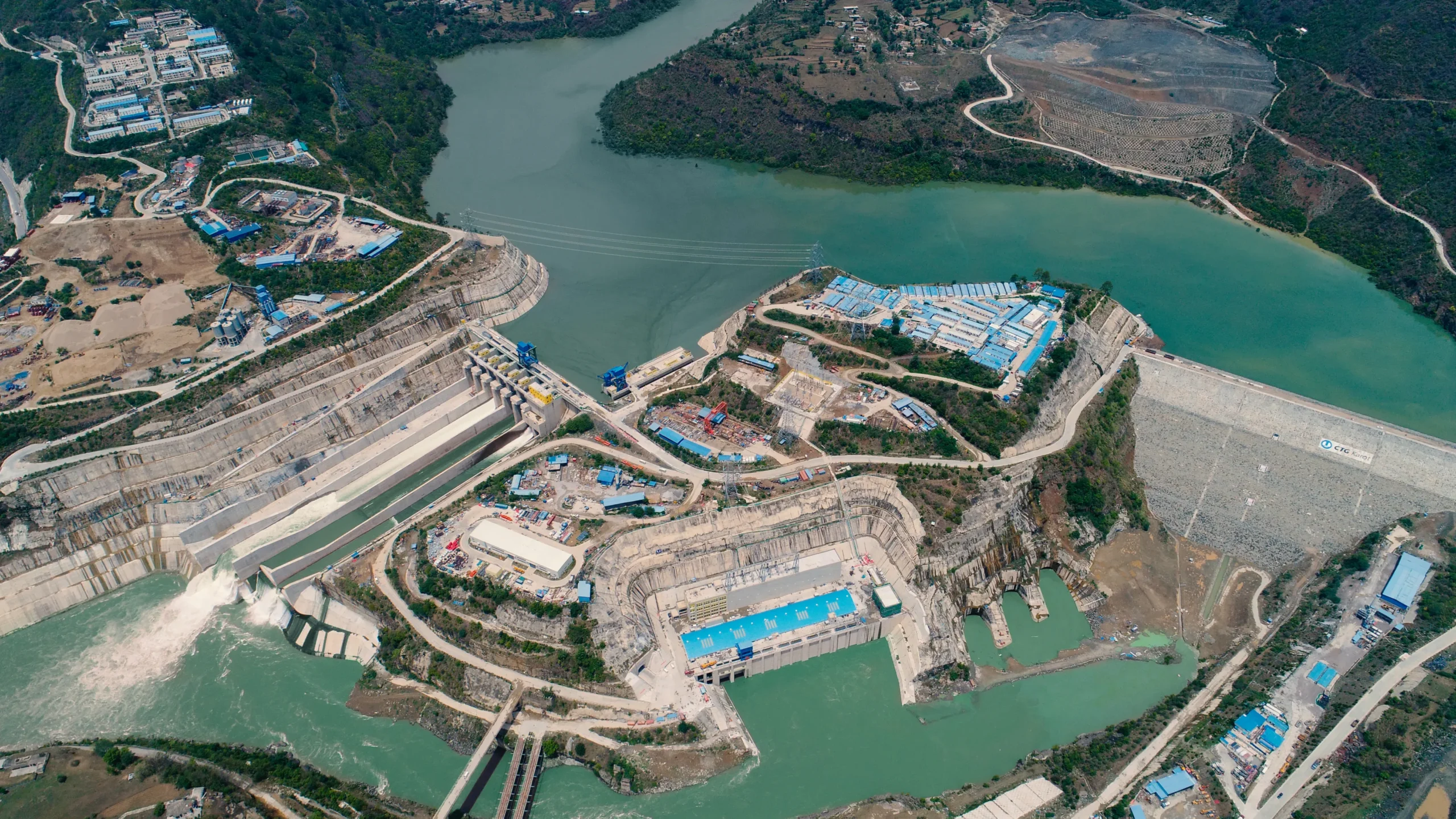
At COP30, nuclear energy emerged as a key solution for global clean-energy transitions. For Pakistan, expanding nuclear power, especially through Small Modular Reactors (SMRs), offers a path to cleaner, reliable electricity, despite challenges like high costs and restricted technology access.
A deep dive into how the Afghan Taliban weaponises anti-Pakistan rhetoric to mask governance failures, rising poverty, and Afghanistan’s growing security meltdown.

The Politics of Blame

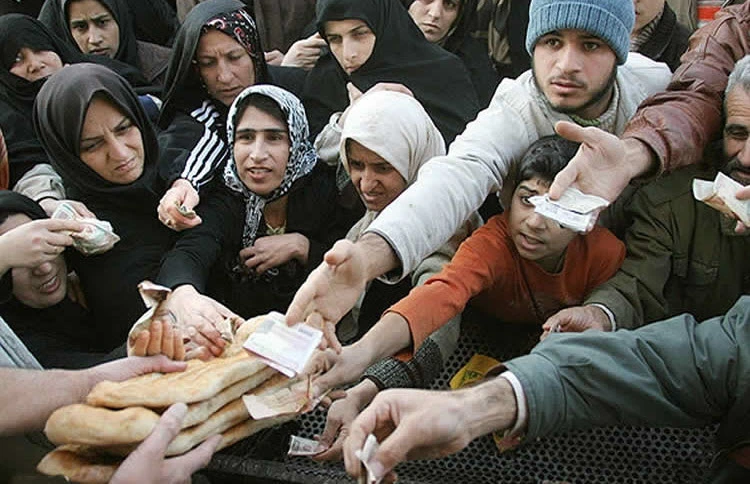
Afghanistan’s leadership has responded to recent international backlash by amplifying a narrative that frames Pakistan as the root of all Afghan crises. This rhetoric, pushed by senior Taliban officials, serves as a diversion from Kabul’s own administrative paralysis, economic collapse, and its complicity in enabling militant groups like the TTP. As poverty deepens and Afghanistan becomes a hub for dozens of terrorist outfits, the politics of blame has become the Taliban’s primary tool for deflecting scrutiny.

Read More »
Since Istanbul

Since Istanbul

The failure of the Istanbul talks marked a turning point. Within days, Pakistan faced coordinated suicide attacks and intensified TTP infiltration, revealing a dangerous shift in Kabul’s posture and the deepening crisis along the Durand Line.

Read More »
The End of Dollar Dominance: How Gold is Rewriting the Rules of Global Finance

The End of Dollar Dominance: How Gold is Rewriting the Rules of Global Finance

After nearly eight decades of U.S. dollar supremacy, the global financial order is entering a historic transition. As nations seek refuge from debt crises, sanctions, and monetary manipulation, gold is regaining its status as the world’s most trusted store of value. Led by China’s strategic accumulation and supported by a worldwide shift toward de-dollarisation, this transformation signals the birth of a multipolar, asset-backed financial era, one anchored not in promises, but in tangible wealth.

Read More »
India’s Climate Policy after COP28: Net Zero 2070 — A Fair Promise or a Risky Postponement?

India’s Climate Policy after COP28: Net Zero 2070 — A Fair Promise or a Risky Postponement?

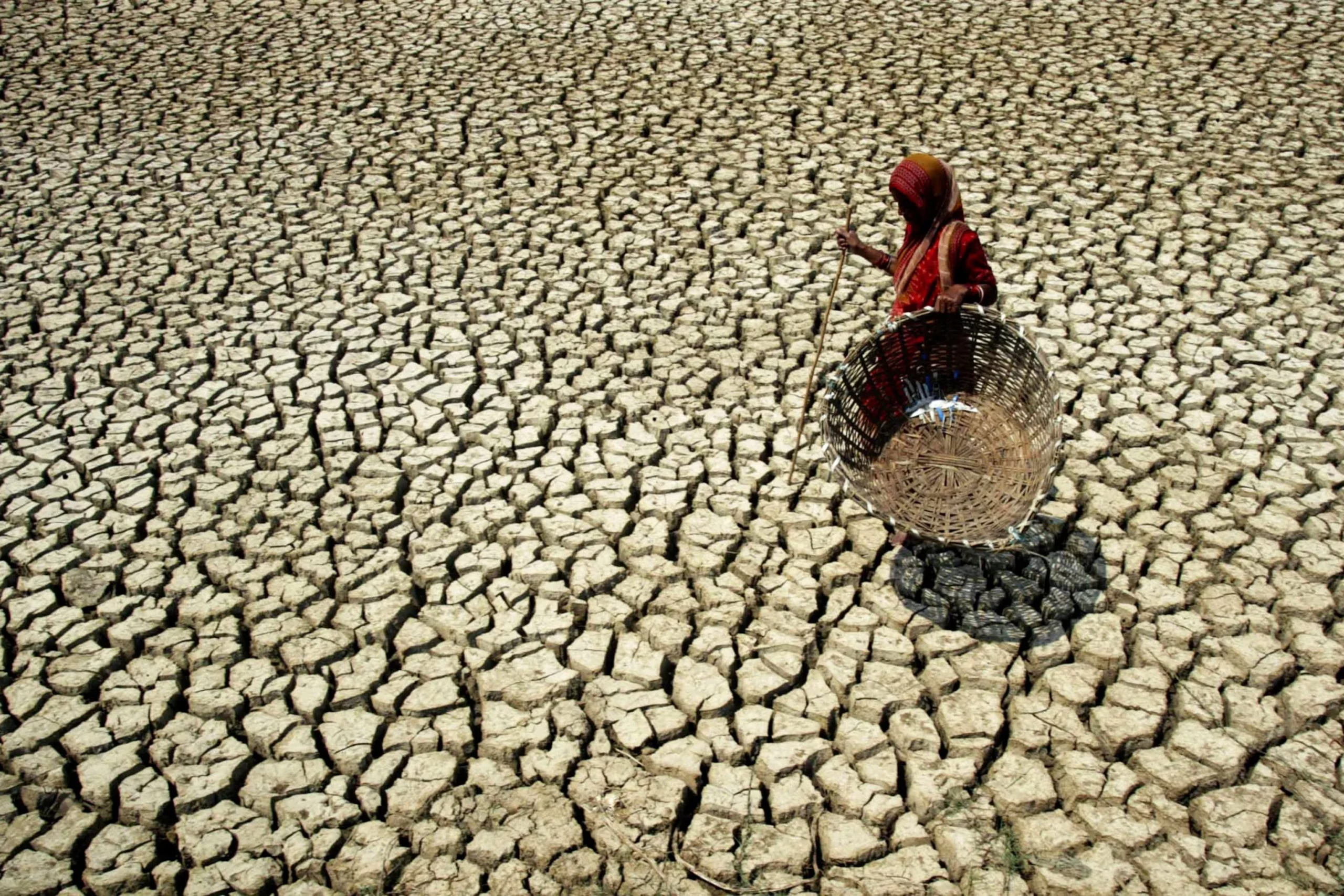
India’s Net Zero 2070 target reflects a delicate balance between development equity and climate urgency. While progress in renewables, green finance, and adaptation is visible, the absence of clear interim milestones risks turning ambition into delay. The real challenge lies in translating a distant horizon into measurable, near-term climate action before 2030.

Read More »
The End of Liberal Internationalism

The End of Liberal Internationalism

The 2025 U.S. National Security Strategy marks a decisive break from the post-1945 liberal order, replacing globalism and multilateralism with a neo-Westphalian focus on sovereign nation-states, fortified borders, and exclusionary spheres of influence. It signals America’s retreat from global leadership and the return of great-power rivalry.

Read More »
Dividend or Disaster? Why India’s Population Policy Needs a Jobs-first Approach

Dividend or Disaster? Why India’s Population Policy Needs a Jobs-first Approach

India’s youthful demographic profile presents enormous opportunities, but only if the country can generate enough quality jobs. While the Economic Survey 2024 highlights improvements in labour participation and unemployment, deeper structural issues persist, including informal work, regional disparities, and gender gaps. A jobs-first approach is essential to convert India’s demographic advantage into real and sustained economic gains.

Read More »
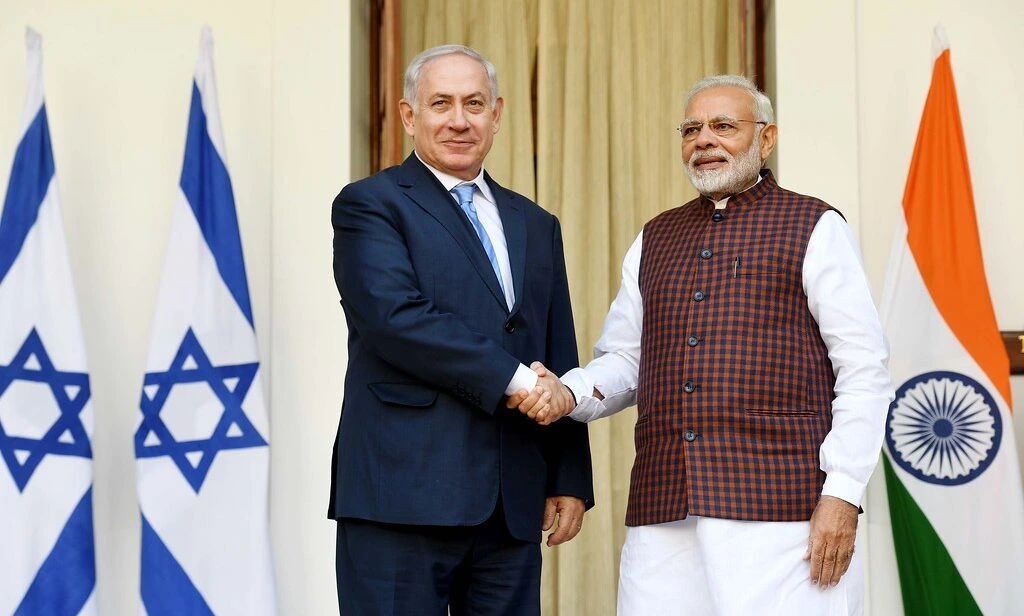
Zohran Mamdani calls out Modi and Netanyahu as war criminals, linking Gujarat 2002 and Gaza, and demands global justice and accountability.

Zohran Mamdani Stands Up for Justice: Holding Modi and Netanyahu Accountable

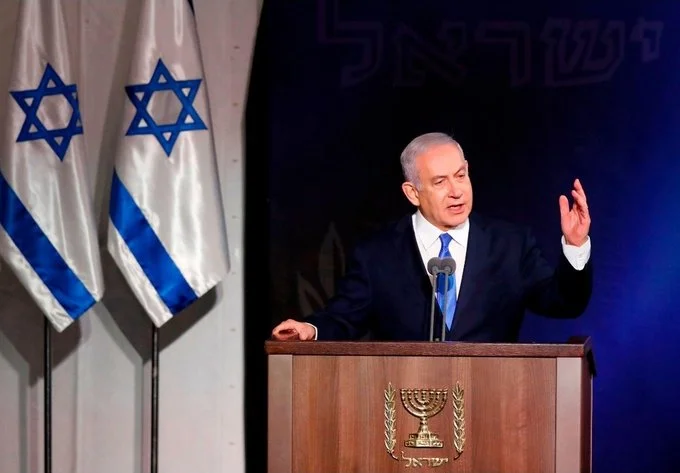
Zohran Mamdani, a rising progressive voice in the U.S., has boldly equated Indian Prime Minister Narendra Modi and Israeli Prime Minister Benjamin Netanyahu with war crimes. Drawing on global principles like the Responsibility to Protect (R2P) and ICC indictments, Mamdani challenges the immunity of influential leaders and advocates for accountability for mass atrocities in Gujarat (2002) and Gaza.

Read More »
Pakistan-Only? The TTP’s Transnational Reality

Pakistan-Only? The TTP’s Transnational Reality

While the TTP publicly claims its insurgency targets only Pakistan, evidence reveals a transnational reality. Supported by Afghan fighters and resources, and shaped by the Afghan Taliban’s strategic interests, the TTP exemplifies cross-border proxy warfare. Understanding its structure, motivations, and operational networks challenges simplistic “Pakistan-only” narratives and underscores the enduring complexities of South Asian security.

Read More »
The Influencer Insurgent and Bots on the Ground

The Influencer Insurgent and Bots on the Ground

The rise of Mir Yar Baloch shows how hybrid warfare has created the influencer insurgent, a digital figurehead who manufactures the perception of rebellion through coordinated propaganda, state backing, and information manipulation.

Read More »
Afghanistan: the question of Pakistan’s complaints

Afghanistan: The Question of Pakistan’s Complaints

Taliban’s acting Foreign Minister Amir Khan Muttaqi asked why only Pakistan complains about terrorism in Afghanistan. The truth is clear; Pakistan bears the heaviest burden. Since 2021, the Taliban regime has turned Afghanistan into a hub of terror and oppression, leaving Pakistan to face staggering human, economic, and security costs while the world watches.

Read More »
Pakistan-Only? The TTP’s Transnational Reality

Pakistan-Only? The TTP’s Transnational Reality

While the TTP publicly claims its insurgency targets only Pakistan, evidence reveals a transnational reality. Supported by Afghan fighters and resources, and shaped by the Afghan Taliban’s strategic interests, the TTP exemplifies cross-border proxy warfare. Understanding its structure, motivations, and operational networks challenges simplistic “Pakistan-only” narratives and underscores the enduring complexities of South Asian security.

Read More »
The Influencer Insurgent and Bots on the Ground

The Influencer Insurgent and Bots on the Ground

The rise of Mir Yar Baloch shows how hybrid warfare has created the influencer insurgent, a digital figurehead who manufactures the perception of rebellion through coordinated propaganda, state backing, and information manipulation.

Read More »
Afghanistan: the question of Pakistan’s complaints

Afghanistan: The Question of Pakistan’s Complaints

Taliban’s acting Foreign Minister Amir Khan Muttaqi asked why only Pakistan complains about terrorism in Afghanistan. The truth is clear; Pakistan bears the heaviest burden. Since 2021, the Taliban regime has turned Afghanistan into a hub of terror and oppression, leaving Pakistan to face staggering human, economic, and security costs while the world watches.

Read More »

South Asia

A recent Drop Site News report claims a covert UK–Pakistan exchange of convicted sex offenders for political dissidents. But a closer look shows the story rests on hearsay, anonymous insiders, and a narrative shaped more by partisan loyalties than evidence. From misrepresenting legally declared propagandists as persecuted critics to ignoring the legal impossibility of such a swap, this report illustrates how modern journalism can slip into activism. When sensational claims outrun facts and legality, credibility collapses, and so does the line between holding power accountable and manufacturing a story.
Zabihullah Mujahid’s recent statement dismissing the TTP as Pakistan’s “internal issue” and claiming Pashto lacks the word “terrorist” is a glaring act of evasion. By downplaying a UN-listed militant group hosted on Afghan soil, the Taliban spokesperson attempts to deflect responsibility, despite overwhelming evidence of TTP sanctuaries, leadership, and operations in Afghanistan. His remarks reveal not linguistic nuance, but calculated hypocrisy and political convenience.

Afghanistan

Zabihullah Mujahid’s Bizarre Statement on TTP: A Lesson in Hypocrisy and Evasion

Zabihullah Mujahid’s recent statement dismissing the TTP as Pakistan’s “internal issue” and claiming Pashto lacks the word “terrorist” is a glaring act of evasion. By downplaying a UN-listed militant group hosted on Afghan soil, the Taliban spokesperson attempts to deflect responsibility, despite overwhelming evidence of TTP sanctuaries, leadership, and operations in Afghanistan. His remarks reveal not linguistic nuance, but calculated hypocrisy and political convenience.

Beyond the Rhetoric: What Muttaqi’s Address Reveals About Afghan Policy

Interim Foreign Minister Amir Khan Muttaqi’s recent address sought to reframe Afghanistan’s strained ties with Pakistan through a narrative of victimhood and denial. From dismissing cross-border militancy to overstating economic resilience, his claims contradict on-ground realities and historical patterns. A closer examination reveals strategic deflection rather than accountability, with serious implications for regional peace and security.

India

India’s youthful demographic profile presents enormous opportunities, but only if the country can generate enough quality jobs. While the Economic Survey 2024 highlights improvements in labour participation and unemployment, deeper structural issues persist, including informal work, regional disparities, and gender gaps. A jobs-first approach is essential to convert India’s demographic advantage into real and sustained economic gains.
The crash of a Tejas fighter at the Dubai Air Show has exposed deep structural flaws in India’s flagship indigenous aircraft program. With two airframes lost in under two years and only a few hundred verifiable flying hours, the incident raises fresh questions about the LCA’s safety, its decades-long delays, and the strategic vulnerability created by India’s dependence on aging fleets. This piece explores how the Dubai crash fits into the broader struggle of a project that was meant to symbolize self-reliance but now risks becoming a cautionary tale.

Pakistan

A recent Drop Site News report claims a covert UK–Pakistan exchange of convicted sex offenders for political dissidents. But a closer look shows the story rests on hearsay, anonymous insiders, and a narrative shaped more by partisan loyalties than evidence. From misrepresenting legally declared propagandists as persecuted critics to ignoring the legal impossibility of such a swap, this report illustrates how modern journalism can slip into activism. When sensational claims outrun facts and legality, credibility collapses, and so does the line between holding power accountable and manufacturing a story.
Pakistan’s diverse cultural heritage, from the hospitality of Pashtunwali and Sufi music in Sindh to folk traditions in Punjab, Balochistan, and Gilgit–Baltistan, reflects an enduring rights-based ethos. These living practices promote dignity, justice, and social inclusion. By integrating these traditions into cultural diplomacy, Pakistan can showcase its soft power while supporting custodians of heritage, artisans, and local communities.
Insights from SAT’s X Space on whether the TTA-TTP bond is strategic or circumstantial, exploring ethnic ties, militancy roots, and policy options.

TTA-TTP Nexus: Strategic Alliance or Compulsion?

Insights from SAT’s X Space on whether the TTA-TTP bond is strategic or circumstantial, exploring ethnic ties, militancy roots, and policy options.

The Kashmir Equation: Rethinking Strategy Amid Shifting Geopolitics

At a SAT roundtable in Islamabad, key voices from policy, academia, and activism called for inclusive, strategic, and diplomatic approaches to the Kashmir crisis.

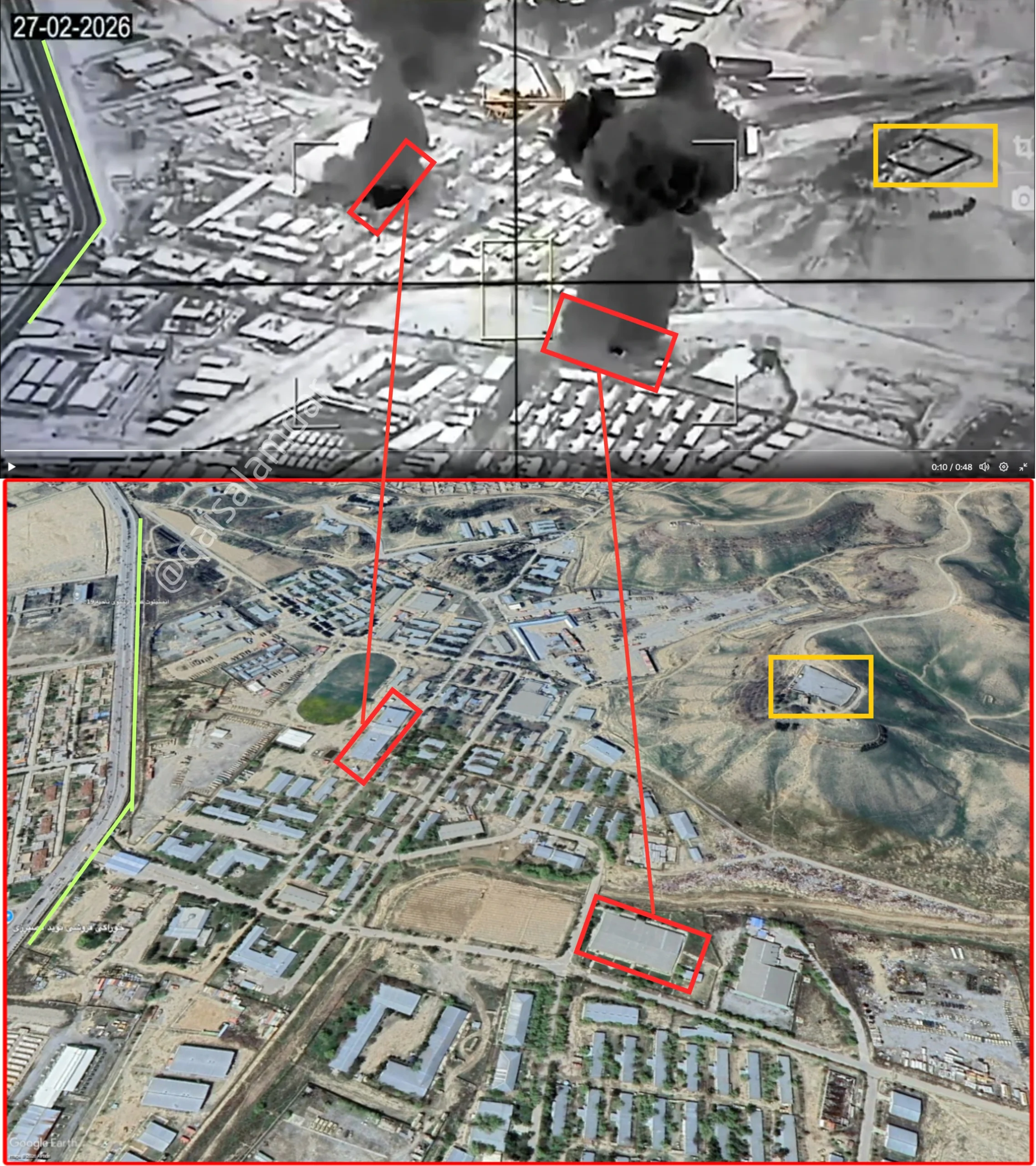
The Nexus of Disinformation : How Afghanistan, India And Israel Shape Anti-Pakistan Narratives

As the U.S. unwinds decades of technological interdependence with China, a new industrial and strategic order is emerging. Through selective decoupling, focused on chips, AI, and critical supply chains, Washington aims to restore domestic manufacturing, secure data sovereignty, and revive the Hamiltonian vision of national self-reliance. This is not isolationism but a recalibration of globalization on America’s terms.
India’s rapid economic growth hides a deepening crisis of inequality, unemployment, and poverty. As corporate wealth expands, millions struggle for basic survival—exposing the fragility of the country’s neoliberal growth model.
Bombay and Calcutta were more than colonial capitals, they embodied imperial urban planning, economic integration, and cultural hybridity. From segregated ‘white’ and ‘black’ towns to thriving ports, industries, and nationalist thought, these cities reveal how British rule reshaped India’s urban life while leaving enduring legacies still visible today.
Taliban’s acting Foreign Minister Amir Khan Muttaqi asked why only Pakistan complains about terrorism in Afghanistan. The truth is clear; Pakistan bears the heaviest burden. Since 2021, the Taliban regime
Since the Taliban’s return to power, Afghanistan has once again become a hub for militant activity despite their promises under the 2020 Doha Accord. UN and SIGAR reports reveal that
Five years after the Doha Accord, the Taliban have broken key commitments: 5,000 released prisoners returned to combat, 89% of government posts are held by Pashtuns, and women remain barred
For over two decades, Pakistan has battled the scourge of terrorism. Yet, despite military successes, the absence of political consensus continues to jeopardize lasting peace. As divisions deepen and populist
When the Taliban returned to power in 2021, Pakistan saw hope. Four years later, TTP and BLA attacks have surged, Kabul’s ties with India are deepening, and Islamabad faces a
India's unchecked missile development raises concerns, while baseless allegations against Pakistan persist.