![As Trump returns to the White House, see what it means for Pakistan and Afghanistan, and how will his 'America First' policy shape U.S. strategy? [Image via ABC News]](https://southasiatimes.org/wp-content/uploads/2024/11/donald-trump-10-ap-gmh-241106_1730906289206_hpMain_16x9.webp)
With the 2024 U.S. elections Donald Trump returns to the White House. While the dawn of another Trump presidency might feel like déjà vu, in the embattled corridors of Islamabad and Kabul, it’s the anticipation of a new, uncharted chapter. The former president’s re-entry into the White House, underpinned by his staunch “America First” doctrine, raises questions about U.S. engagement in one of the world’s most volatile regions. As Trump returns, will he double down on a transactional, results-driven foreign policy? Or will he revisit the ambitions of the Doha Agreement with a fresh resolve?
The Indo-Pacific Strategy and India’s Role in Trump’s Policy
Under Trump’s first term, the Indo-Pacific strategy became a cornerstone of U.S. foreign policy, aimed at countering China’s growing influence in the region. Central to this strategy was the elevation of India as a critical partner within the Quadrilateral Security Dialogue (Quad), alongside Japan and Australia. The Quad alliance reinforced India’s role as a security partner in the Indo-Pacific, granting it greater regional influence and aligning it more closely with U.S. strategic goals. As Trump returns, a reinforced Indo-Pacific agenda could have profound implications for Pakistan and Afghanistan, as both nations find themselves in the crosshairs of U.S.-China tensions and shifting power dynamics.
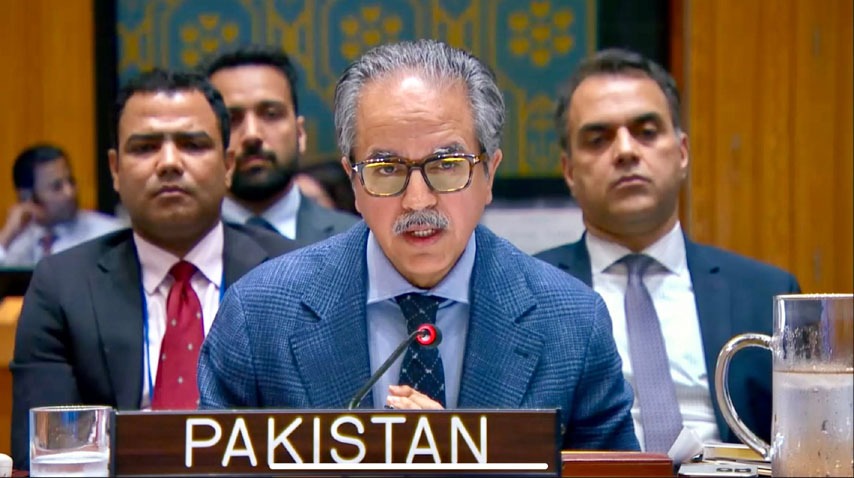
For Pakistan, Trump’s Indo-Pacific strategy—and particularly the deepening U.S.-India alliance—presents a double-edged sword. On one hand, Pakistan is under pressure to demonstrate cooperation in countering terrorism, especially concerning groups like the Tehrik-e-Taliban Pakistan (TTP) and the Islamic State in Khorasan Province (ISKP). On the other, Islamabad risks becoming increasingly marginalized in U.S. strategic calculations if Washington tilts decisively towards New Delhi. Pakistan has voiced concerns that the U.S.-India alliance in the Indo-Pacific could embolden India, particularly in contentious issues like Kashmir, placing additional stress on the region’s already fragile stability.
Also See: Trump’s 2024 Comeback: Renewing the ‘America First’ Agenda
The TTP Dilemma: A Worsening Threat
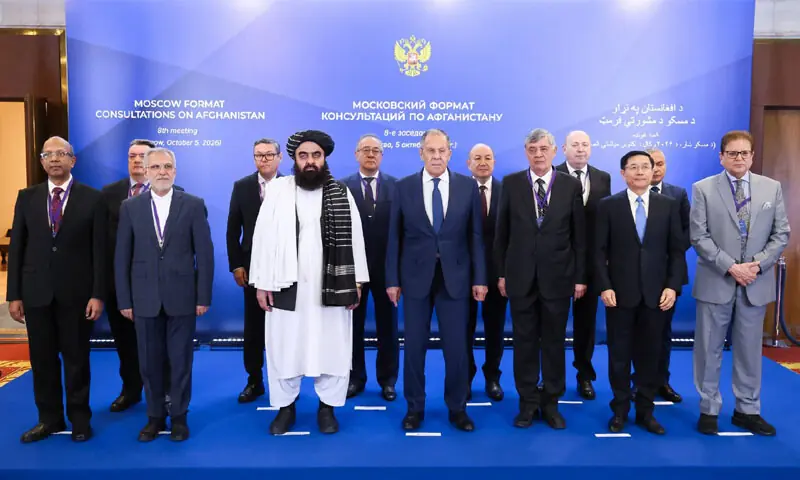
Meanwhile, Pakistan, grappling with over a 50% rise in terror incidents from TTP and associated militant groups in the last year, has repeatedly called on the Afghan Taliban to uphold the Doha Agreement’s terms. Instead, the response has been tepid at best, as the Taliban appears reluctant to sever its historical ties with TTP operatives. Some suggest that the Taliban views TTP as a leverage point against Pakistan, keeping Islamabad on edge.
Further complicating the landscape is ISKP, whose footprint in Afghanistan has grown substantially. The Taliban has pointed fingers at Pakistan, accusing it of backing ISKP. This narrative has been fueled by Indian media outlets like The Sunday Guardian and figures such as former TTP spokesperson Ehsan Ullah Ehsan. It’s a classic blame game, yet it amplifies diplomatic rifts and detracts from the urgent need for unified counter-terrorism action across the region.
Indo-Pacific Strategy Implications for Pakistan and Afghanistan
With Trump’s focus on the Indo-Pacific, Washington may favor bolstering India as a counterweight to China, relegating Pakistan and Afghanistan to secondary positions in U.S. regional strategy. This prioritization could strain U.S.-Pakistan relations, with Trump potentially increasing economic and security incentives for India’s cooperation in the Quad, while pushing Islamabad to independently address security threats. Pakistan, already in an economically vulnerable position, might find itself pressured to recalibrate its own foreign policy in response to a more assertive India, which now plays a central role in U.S. plans to contain China’s influence.
In Afghanistan, Trump’s “America First” stance could mean that the U.S. becomes less directly involved in stabilizing the region, instead leaning on the Taliban to ensure Afghanistan doesn’t devolve into a terror hub. This shift aligns with his earlier policy moves that encouraged burden-sharing with regional allies. However, as Trump returns, the Taliban might find itself forced to balance U.S. demands with the reality of Pakistan’s influence and China’s interest in Afghan stability for Belt and Road Initiative projects. For Islamabad, Trump’s Indo-Pacific emphasis could deepen concerns about encirclement if Afghanistan, too, pivots further towards the Quad’s orbit, potentially increasing the intensity of Islamabad’s regional security dilemmas.
What a Trump-Led U.S. Strategy Could Mean
If Trump chooses to hold Kabul accountable for the agreements in Doha, the Taliban may find itself at a crossroads: fulfill its anti-terror commitments or risk further isolation. Pakistan, for its part, might be expected to tighten its grip on insurgent activities, a challenging prospect given the rugged, porous border terrain. The stakes for all sides are high, as a failure to secure cooperation could lead to increased violence, destabilizing not only Pakistan but reverberating across South Asia.
At its core, Trump’s likely strategy would hinge on pragmatism: expect results, build alliances of convenience, and steer clear of prolonged military commitments. Under this framework, the U.S. might provide support in intelligence and security aid to Pakistan, particularly as a counterweight to the Taliban’s hesitancy in dealing with TTP. However, Trump’s “America First” ethos suggests a limited appetite for deepening U.S. entanglement, instead favoring transactional relationships over open-ended partnerships.
Toward a New Chapter for the Pak-Afghan Region?
The future is fraught with risks, but there is potential for a recalibration of U.S.-Pakistan-Afghanistan dynamics that favors stability. Trump’s pragmatic approach to foreign policy could press all parties toward a greater commitment to regional security. For Pakistan, this might mean strengthened collaboration with the U.S., receiving the tools necessary to curb TTP’s insurgency. For Afghanistan, it could be a wake-up call to enforce the counter-terrorism pledges embedded in the Doha Agreement.
The path forward will demand more than rhetoric. As Trump’s administration revisits its South Asia policy, each decision will ripple across a region where peace is a fragile, often elusive promise. Should this new chapter unfold with strategic cooperation at its heart, the Pak-Afghan corridor could transform from a theater of unrest to a region charting a cautious yet hopeful journey toward stability.

Your go-to editorial hub for policy perspectives and informed analysis on pressing regional and global issues.