
Afghanistan’s Ethnic Landscape and Taliban Rule
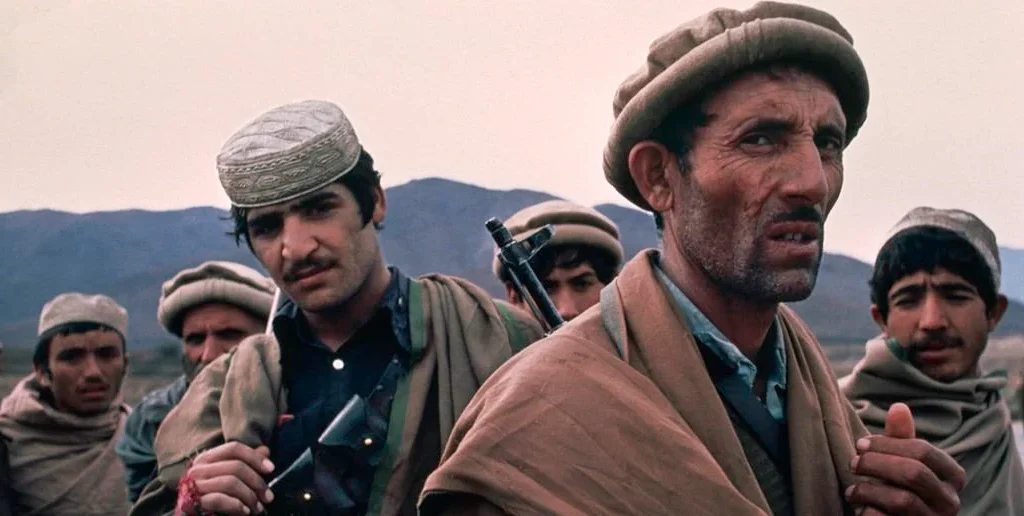
Afghanistan has historically been a mosaic of ethnic identities rather than a homogenous nation-state. Pashtuns constitute roughly 40–45% of the population, followed by Tajiks (25–30%), Hazaras (9–15%), and Uzbeks/Turkmen (10–13%). Yet, since the return of the Taliban in 2021, political authority has become heavily concentrated within one ethnic framework. The Taliban’s Rahbari Shura, its central […]
Herat Border Tragedy: The Deadly Consequences of Afghanistan’s Governance Failures
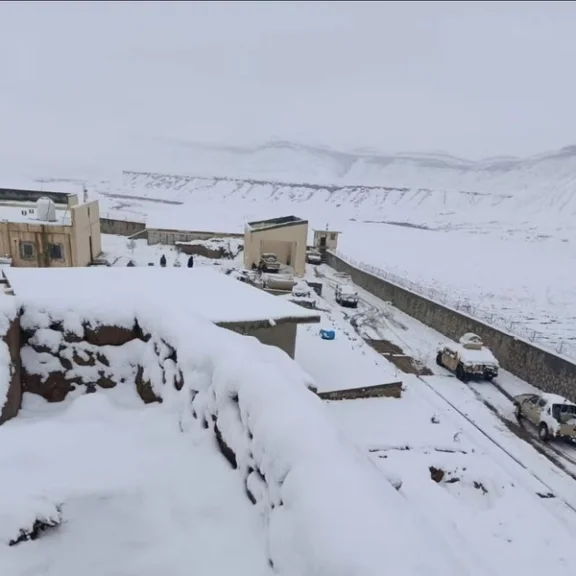
The Herat border tragedy, is a stark illustration of the human cost of Afghanistan’s governance failures. With limited economic opportunities, widespread poverty, and insufficient social support, families are forced to undertake life-threatening journeys across freezing mountains. The incident underscores the urgent need for the Afghan government to provide stable livelihoods, establish safe migration routes, and strengthen healthcare and social services, as humanitarian risks continue to escalate across the country.
A New Afghanistan, Old Methods
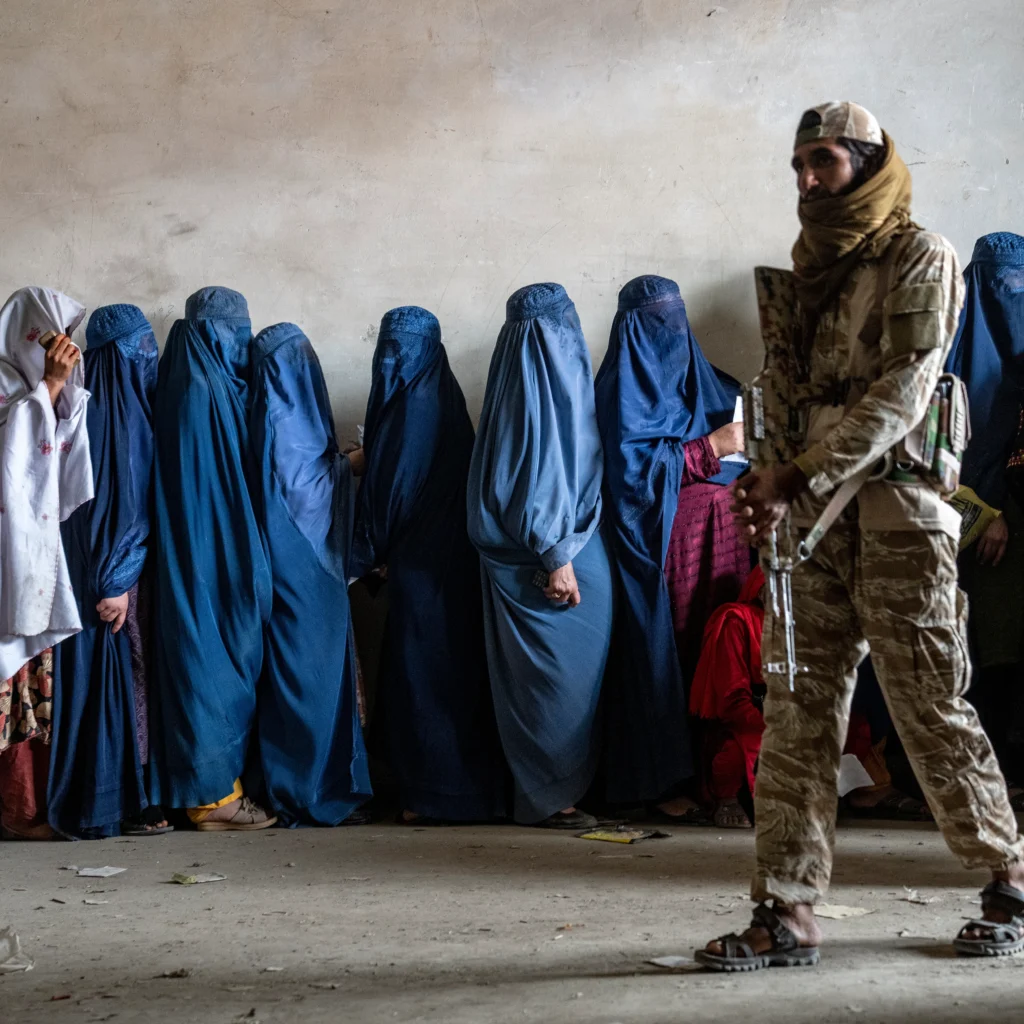
The Taliban’s 2021 promise of a general amnesty has collapsed into systematic arrests, disappearances, and killings—especially in Panjshir. Despite assurances of moderation, evidence from 2021–2025 shows a deliberate campaign to eliminate former officials, suppress dissent, and rule through fear, mirroring the Taliban’s historical patterns of coercion and violence.
The Politics of Blame
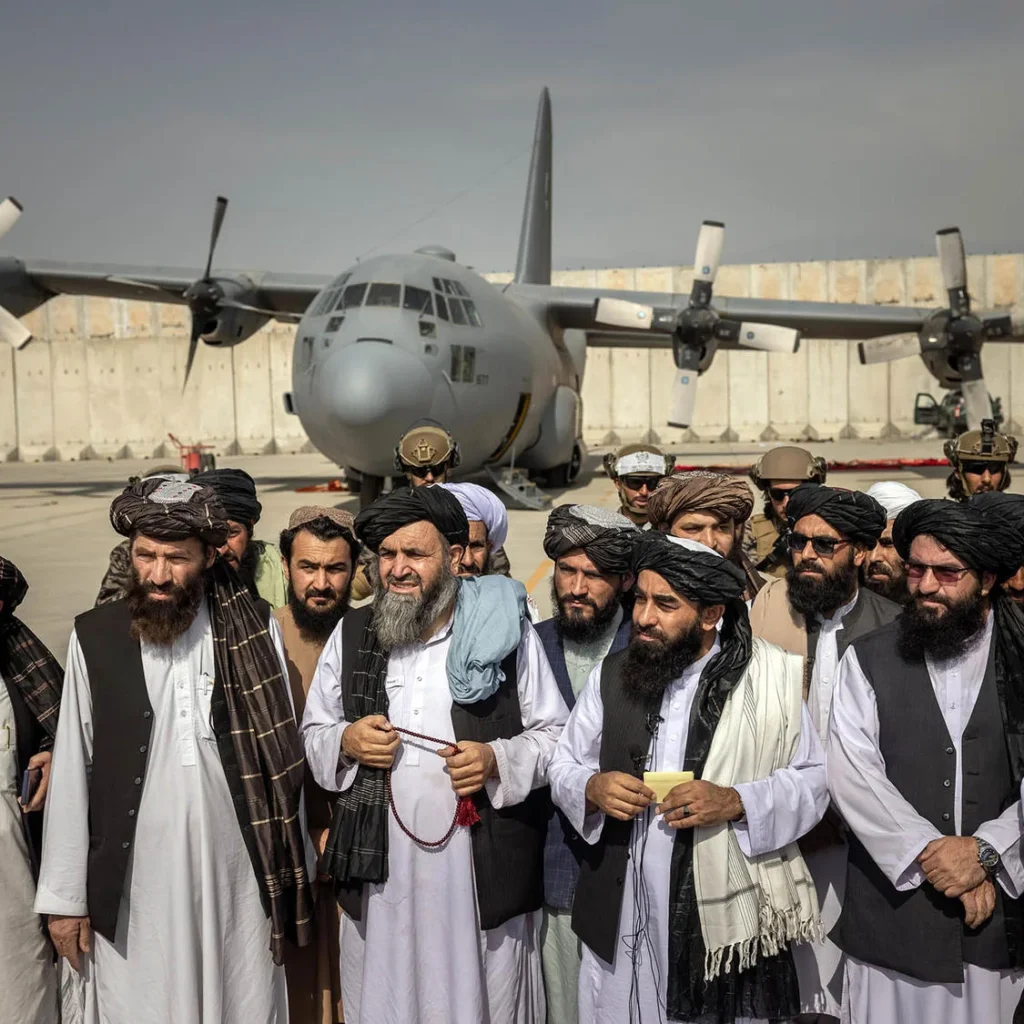
Afghanistan’s leadership has responded to recent international backlash by amplifying a narrative that frames Pakistan as the root of all Afghan crises. This rhetoric, pushed by senior Taliban officials, serves as a diversion from Kabul’s own administrative paralysis, economic collapse, and its complicity in enabling militant groups like the TTP. As poverty deepens and Afghanistan becomes a hub for dozens of terrorist outfits, the politics of blame has become the Taliban’s primary tool for deflecting scrutiny.
Broken Promises, Renewed Threats: Time to Hold TTA Accountable
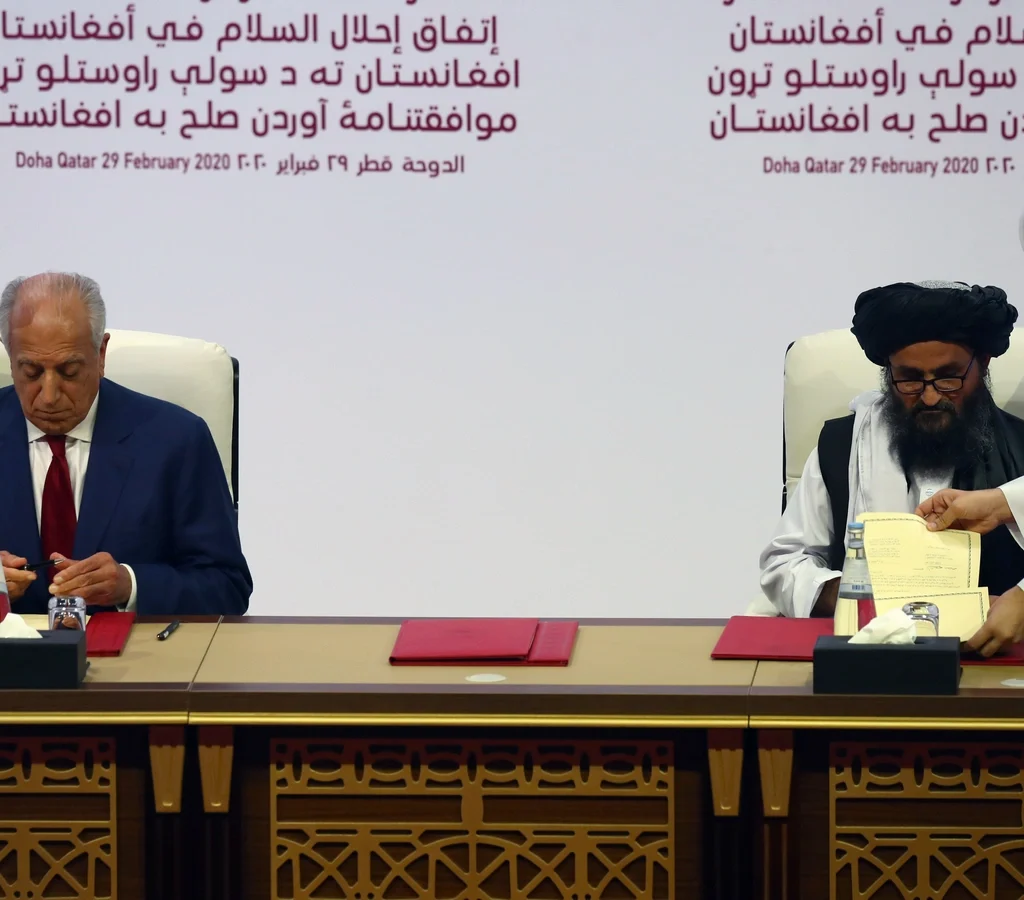
Five years after the Doha Accord, the Taliban have broken key commitments: 5,000 released prisoners returned to combat, 89% of government posts are held by Pashtuns, and women remain barred from education and work. Afghan soil hosts 6,000–6,500 TTP and Al-Qaeda fighters, with TTP chief Noor Wali Mehsud receiving $43,000/month. Pakistan has neutralized 267 Afghan terrorists in 2025, while 58 terrorist camps operate under Taliban knowledge. Despite the US aid, compliance is minimal. International recognition and support must now be tied to verifiable reforms to prevent further regional instability.
Iranian FM Visits Kabul for First Time After Taliban Takeover
![Iranian FM Abbas Araghchi visits Kabul to discuss border security, economic ties, and tensions over water rights. [Image via Pakistan Today]](https://southasiatimes.org/wp-content/uploads/2025/01/Iranian-FM-Baul-visit.webp)
Iranian FM Abbas Araghchi visits Kabul to discuss border security, economic ties, and tensions over water rights.