
The End of the 1971 Consensus
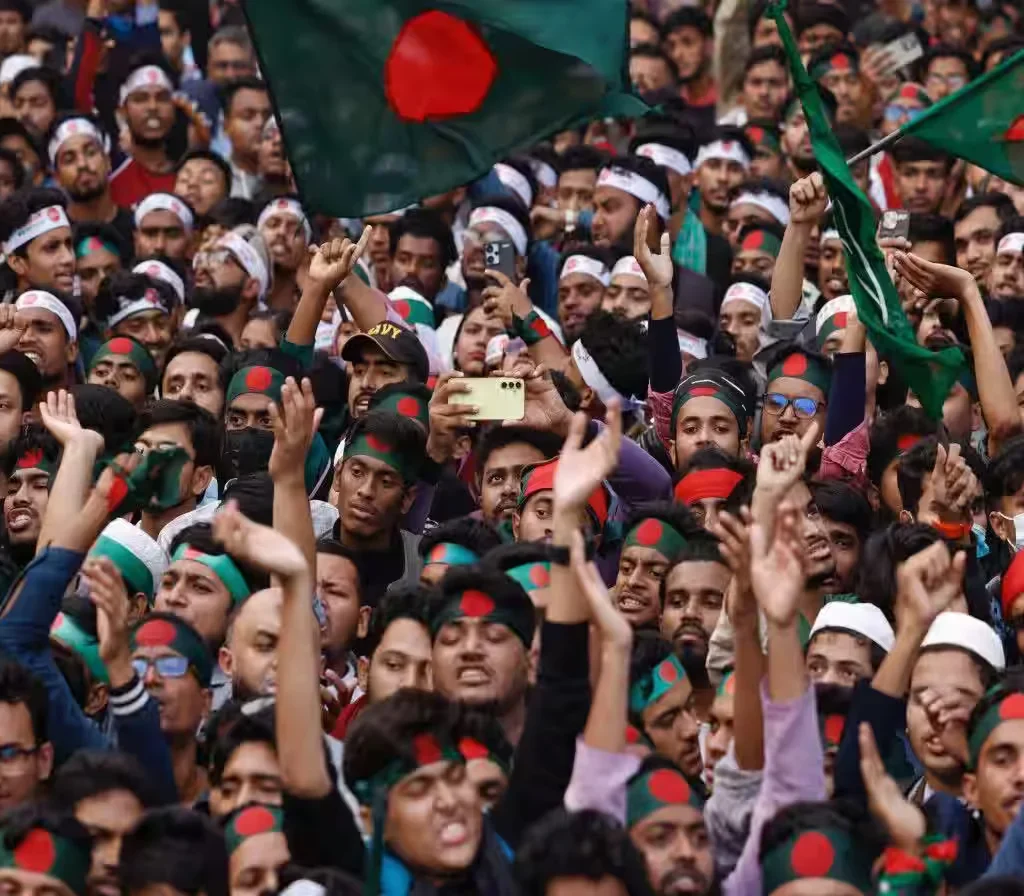
Sharif Osman Hadi’s death has become the symbolic burial of the 1971 Consensus that long structured India–Bangladesh relations. For a generation with no lived memory of the Liberation War, Hadi embodies a Second Independence, reframing 1971 as the start of Indian dominance rather than true sovereignty. His killing has accelerated Bangladesh’s rupture with India and exposed a deep strategic crisis across South Asia.
The Tragedy of the Boat: Awami League’s Rise and Fall
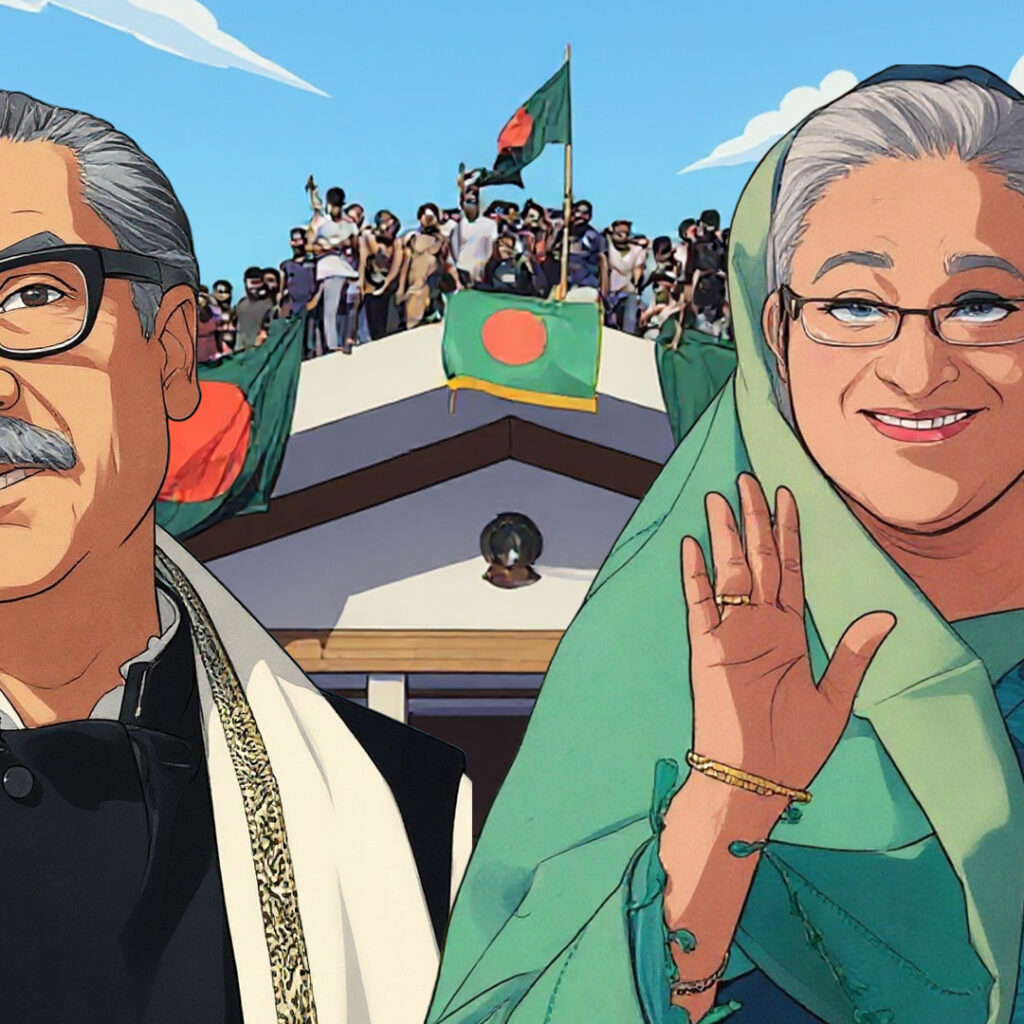
The rise and fall of the Awami League is a story of nationalism turned inward, power hardened into authoritarianism, and a political movement ultimately consumed by the very forces it once harnessed. From its separatist origins in the 1960s to the iron-fisted rule of Sheikh Hasina, the party’s arc ends with an extraordinary reversal: the International Crimes Tribunal sentencing Hasina to death in absentia. The party that delivered independence now stands condemned, morally, legally, and historically, under the weight of its own contradictions and its fateful overreliance on India.
‘Anarchy if interim govt fails,’ says Mirza Fakhrul Islam Alamgir
![Mirza Fakhrul Islam Alamgir discusses Bangladesh's political future, election reforms, and challenges under the interim government. [Image via Benar News]](https://southasiatimes.org/wp-content/uploads/2024/11/a-142-800x445-1.webp)
Mirza Fakhrul Islam Alamgir discusses Bangladesh’s political future, election reforms, and challenges under the interim government.
Bangladesh Through Time: History, Identity, and Road Ahead
![SAT’s X Space Session, Bangladesh through time captures shifting identities, youth perspectives, and the nation’s evolving push for sovereignty. [SAT Creatives]](https://southasiatimes.org/wp-content/uploads/2024/11/SAT-Web-Banners-11-1024x1024.webp)
SAT’s X Space Session, Bangladesh through time captures shifting identities, youth perspectives, and the nation’s evolving push for sovereignty.
Bangladesh bans BCL, student wing of Sheikh Hasina’s party
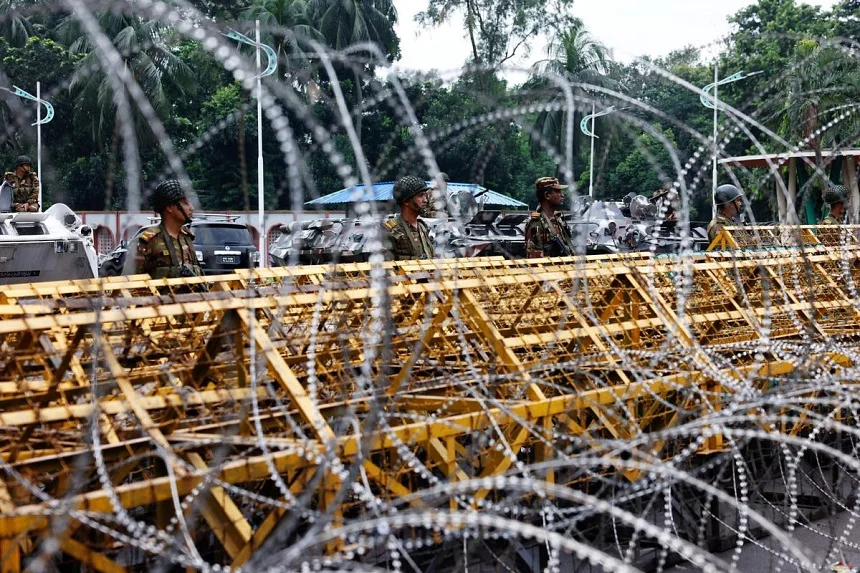
Bangladesh bans the BCL as a terrorist organization amid escalating student protests and unrest, citing a history of violence.
Bangladesh: The Non-Bengali Genocide

In 1971, Bengali insurgents committed genocide against non-Bengalis, routinely capturing and abusing hundreds of thousands of women. Their accounts have been overshadowed by false propaganda portraying Pakistan as the lone villain in the Bangladesh episode.