![Balochistan highway protest enters third week, triggering economic losses, shortages, and growing public frustration. [Image via INP/File]](https://southasiatimes.org/wp-content/uploads/2025/04/1300186_1280640_BNP_akhbar.webp)
QUETTA: The closure, due to protest, of key highways connecting Quetta to Karachi and Taftan has entered its third week, causing severe economic disruption, critical shortages of essential goods and mounting frustration among the public and business community alike.
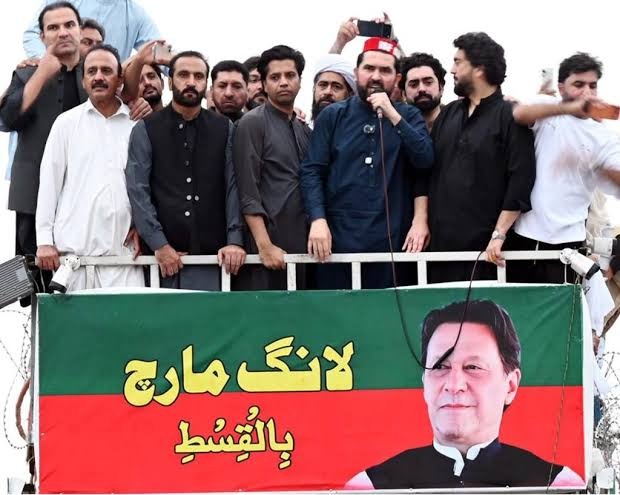
The highways have been blocked due to a protest sit-in by the Balochistan National Party (Mengal), demanding the release of Dr Mahrang Baloch, Chief Organizer of the Baloch Yakjehti Committee, and other detained female activists.
Despite the passage of 13 days, authorities have failed to restore road connectivity. According to President of the Quetta Chamber of Commerce and Industry (QCCI), Muhammad Ayub Maryani, the ongoing blockade is inflicting daily financial losses amounting to millions of rupees. He stated that over 1,200 trucks and containers, including 847 tankers carrying LPG and other petroleum products from Iran, are stuck at the Pak-Iran border. “Importers are forced to pay $100 in daily demurrage per container, amounting to $120,000 in losses each day,” he added.
The situation on the ground is equally dire. Thousands of passengers remain stranded, and the supply chain for food, fuel and medicines has come to a virtual halt. In Quetta and other parts of the province, shortages of essential items have led to price hikes, exacerbating inflation and putting immense pressure on ordinary citizens.
Also See: Balochistan: The Black Day That Never Was
Multiple trade and transport associations have raised alarm over the deteriorating conditions. Abdul Rahim Kakar, President of the Central Anjuman-e-Tajiran Balochistan, criticized the government’s handling of the situation, saying that poor decisions have paralyzed economic life across the province. “The government’s response to the protest—blocking roads, digging trenches, and placing containers—has disrupted daily life. Patients can’t reach hospitals, students can’t travel after Eid, and people are mentally exhausted,” he said.
Haji Noor Muhammad Shahwani, President of the All Balochistan Goods Truck Owners Association, noted that perishable goods like fruits and vegetables have rotted in stranded trucks, while drivers remain in distress. Similar concerns were echoed by Wali Muhammad Noorzai, Chairman of the Quetta Chamber of Small Industries, who warned of a worsening crisis in food and fuel supplies if the blockade continues.
Former Senior Vice President of the Quetta Chamber of Commerce, Salahuddin Khilji, said traders were forced to pay up to Rs20,000 daily in demurrage for Iranian trailers stuck in areas like Noshki, Chaman, and Khuzdar.
This news is sourced from The News and is intended for informational purposes only.

Your trusted source for insightful journalism. Stay informed with our compelling coverage of global affairs, business, technology, and more.