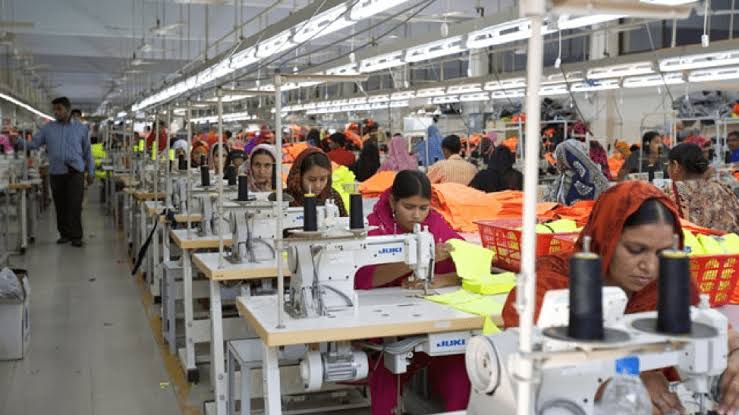
The recent wave of allegations about Pakistan’s textile sector exports being produced under exploitative working conditions originated from a UK-based advocacy group, Labour Behind the Label, which claimed that parts of the country’s garment export sector were violating workers’ rights through systemic wage violations, forced overtime, and inadequate mechanisms for labour compliance.
Such claims naturally concern international buyers and policymakers alike. Yet, viewing Pakistan’s export-oriented textile sector as plagued by such allegations ignores the growing importance the industry places on ensuring compliance with labour, environmental, and sustainability standards.
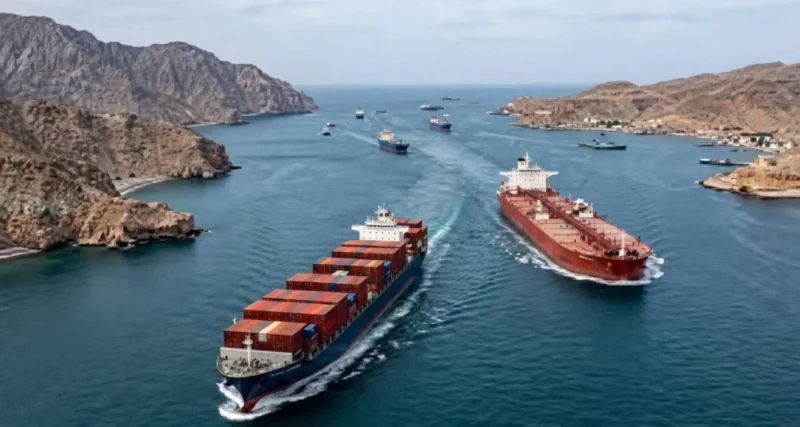
Buyers are increasingly prioritizing ESG factors such as human rights due diligence and labour transparency when evaluating potential suppliers. This shift poses challenges for countries reliant on export-led growth strategies such as Pakistan, where textiles account for a significant share of Pakistan’s exports and economic activity.
Maintaining market access under the European Union’s GSP+ framework requires rapid adaptation to rising sustainability requirements; failure to do so risks losing valuable trade opportunities. Global supply chains are fundamentally changing, with buyers increasingly using ESG performance rather than traditional measures of cost efficiency and capacity when making sourcing decisions.
Contrary to the allegations of widespread labour abuses across Pakistan’s apparel sector, internationally recognised assessments show otherwise. According to the International Labour Organisation (ILO) Better Work Pakistan Synthesis Report (2022–2025), Compliance levels are relatively high among export-oriented factories.
In 2025 alone, only 4.6 per cent of factories failed to make minimum wage payments as required by law, while only 2.3 per cent of factories violated overtime payment regulations. Such figures suggest that labour violations do occur, but they are confined to specific compliance issues rather than indicating an industry-wide pattern of worker exploitation. It further implies that such generalized accusations may undermine the reforms taking place in Pakistan’s textile sector.
Another equally crucial aspect is the increasing focus on environmental sustainability and responsible sourcing practices. With the rise of globally recognised frameworks such as the United Nations Global Compact (UNGC), ESG reporting standards, the Higg Index, and emerging European legislation on Human Rights Due Diligence (HRDD) for businesses, it is clear that global players recognise that, going forward, remaining competitive requires not only producing affordable textiles but also ensuring that they are manufactured ethically and in an environmentally responsible manner.
Further, as these frameworks demonstrate, complying with international regulations is quickly becoming a source of competitive advantage rather than simply a matter of legal compliance.
In this regard, progress has been mirrored by an increase in international buyer confidence. For instance, the report states, Thirty-three per cent of surveyed global buyers intend to increase their sourcing from Pakistan during the next two to three years.
Such confidence would be impossible to maintain if systemic labour exploitation were characteristic of the country’s export sector. Instead, international buyers appear to recognise the industry’s continued efforts to raise governance standards, promote transparency, and comply with increasingly stringent international requirements.
While there may be isolated shortcomings that require correction, this report underscores that the performance of Pakistan’s textile industry should be evaluated based on the factual data rather than anecdotal perceptions. As global trade increasingly revolves around sustainable sourcing, Pakistan’s continued investment in labour standards and sustainability will remain essential not just for reputational reasons, but also for safeguarding its long-term economic competitiveness and strategic place in the global economy.

Your go-to editorial hub for policy perspectives and informed analysis on pressing regional and global issues.